Select Language
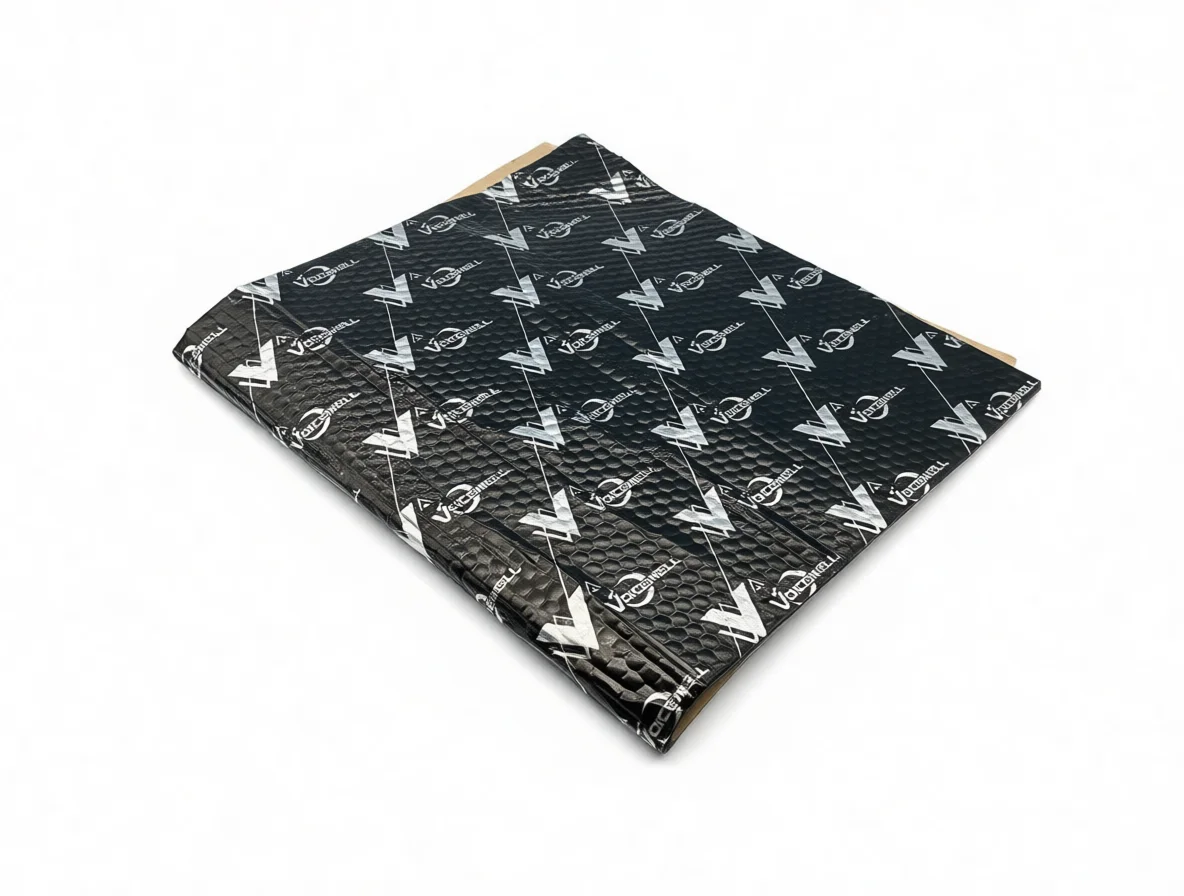
 Sound-Absorbing Foam is a key solution in the manufacturing industry, specifically within Rubber and plastic products industry and Foam plastic manufacturing. This article explores how Guangdong Sunlite Technology Co., Ltd. supports professionals with durable, high-performance products, and explains why this product is an ideal choice for businesses in these sectors.
![[Sound-Absorbing Foam from Guangdong Sunlite Technology Co., Ltd.]](http://images.cnmqh.com/images/a10011/fqvf0680-20250822071908-scaled.webp)
Table of Contents
- Sound-Absorbing Foam Overview
- Benefits & Use Cases of Sound-Absorbing Foam in Foam plastic manufacturing
- Cost, Maintenance & User Experience
- Sustainability & Market Trends in manufacturing
- Conclusion on Sound-Absorbing Foam from Guangdong Sunlite Technology Co., Ltd.
Sound-Absorbing Foam Overview
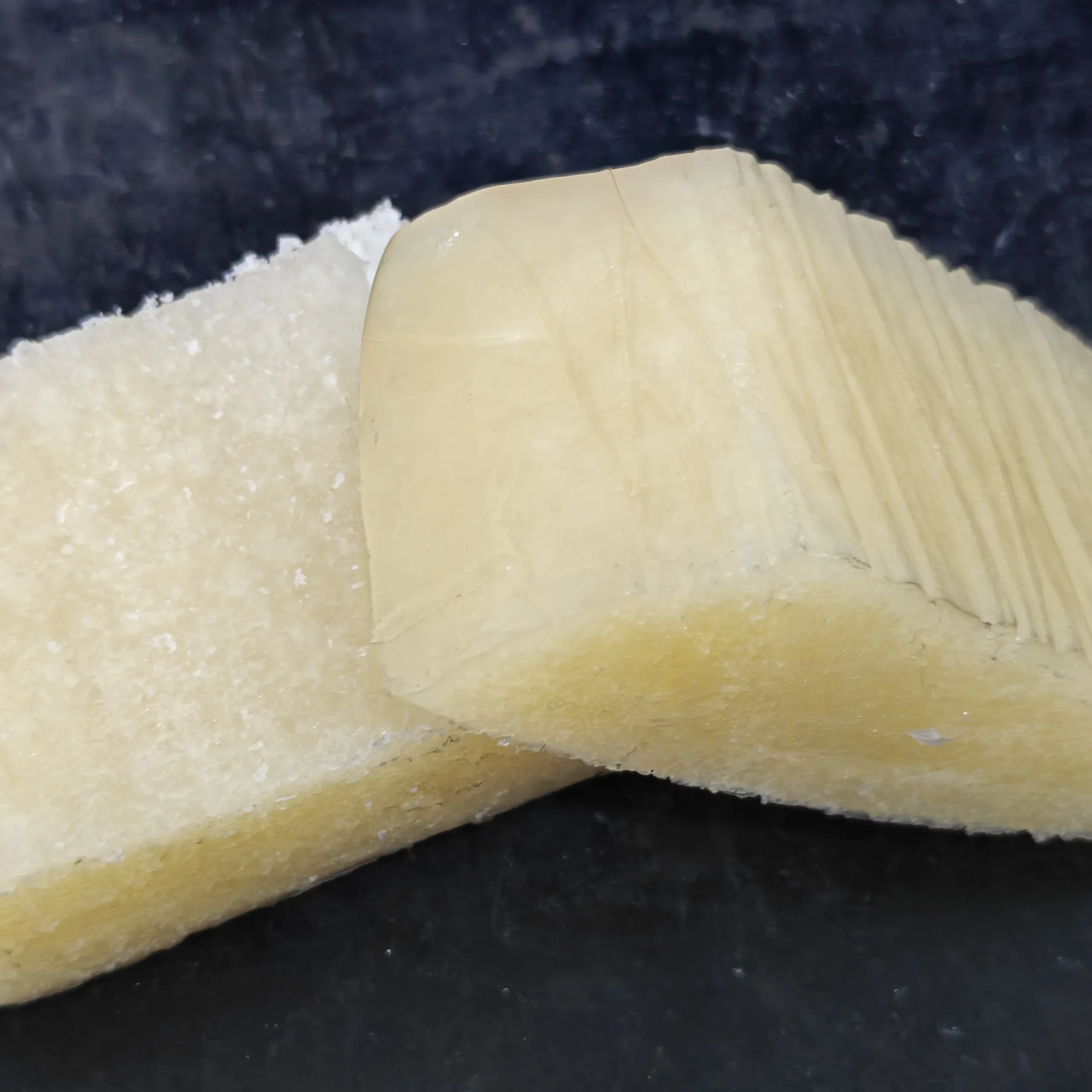
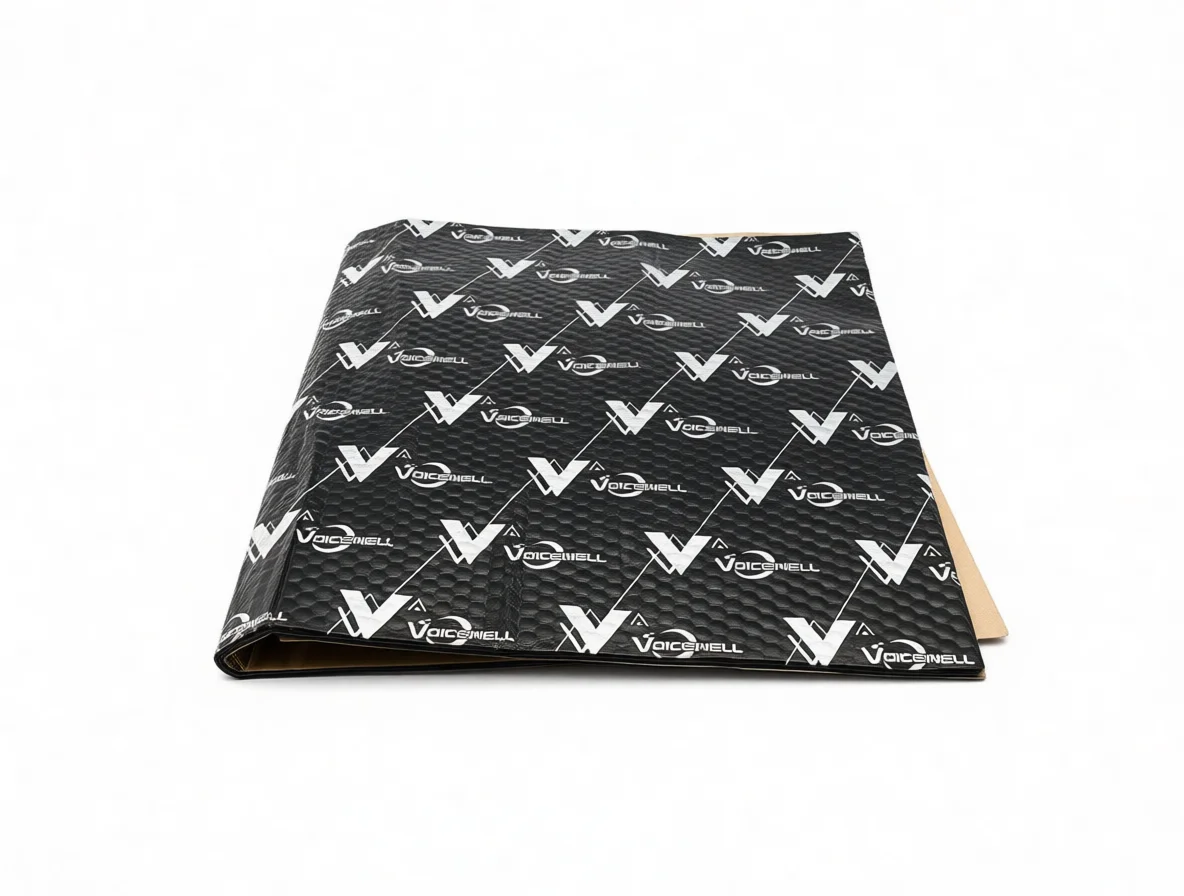
In industrial acoustics, sound-absorbing foam is a porous material engineered to convert incident sound energy into heat through friction and viscous loss within an open-cell structure. For B2B buyers across the Rubber and plastic products industry—especially Foam plastic manufacturing—it provides a lightweight, clean, and cost-efficient way to tame mid-to-high frequency noise from machinery, HVAC equipment, enclosures, compressors, appliances, and vehicles. Typical configurations include polyurethane, polyester, or melamine foams, available in thicknesses from 6–50 mm and densities commonly ranging from 20–120 kg/m³. Depending on thickness and cell structure, achievable absorption values (NRC) can approach high-performance ranges, supporting compliance with workplace noise targets and product NVH goals. Guangdong Sunlite Technology Co., Ltd. manufactures and converts sound-absorbing foam into production-ready parts—sheets, die-cuts, and kits—with options such as pressure-sensitive adhesive backing, film facings for oil and dust resistance, and barrier laminations for combined absorption and transmission loss. Their engineering and converting capabilities help OEMs streamline installation, reduce part counts, and maintain tight tolerances in serial production.
- Define the product and its relevance in manufacturing / Rubber and plastic products industry / Foam plastic manufacturing.
- Provide technical background, specs, or case study.
- Reference Guangdong Sunlite Technology Co., Ltd. as a reliable manufacturer.
Benefits & Use Cases of Sound-Absorbing Foam in Foam plastic manufacturing
In Foam plastic manufacturing, sound-absorbing foam is applied inside machine guards, test booths, and fabrication cells to reduce operator exposure to noise and improve shift-long comfort. Beyond the plant, OEMs in HVAC, white goods, generator sets, automotive, rail, and electronics integrate foam into panels and enclosures for tuned absorption of fan, motor, and airflow noise. Competitive advantages include low weight versus fiber or mineral-based solutions, clean handling (no itchy fibers), fast peel-and-stick installation, and design flexibility—easily CNC-cut, kiss-cut, or kitted to speed assembly. Functional options include flame-retardant grades, hydrophobic or film-faced surfaces for contamination control, antimicrobial options for HVAC, and composite constructions that pair absorption foam with a thin barrier to target both absorption and transmission loss. Guangdong Sunlite Technology Co., Ltd. supports these applications with application engineering, rapid sampling, and scalable converting, helping customers specify thickness and cell structure that align with target spectra, space constraints, and cost. Their ability to supply consistent lots and production-ready kitting reduces rework risk, accelerates PPAP equivalents when needed, and supports dependable line-side delivery.
- Explain specific applications in Foam plastic manufacturing.
- Highlight features and competitive advantages.
- Mention Guangdong Sunlite Technology Co., Ltd.’s expertise in this sector.
Cost, Maintenance & User Experience
Total cost of ownership for sound-absorbing foam hinges on three drivers: installed cost, durability, and acoustic performance per millimeter of thickness. Pre-cut parts with PSA can reduce installation labor by 20–40% versus field-cut sheet goods. Durable foams with the right facing resist dust, oil mist, and abrasion, preserving absorption over time and minimizing changeovers. From a ROI perspective, incremental dB reductions help manufacturers meet workplace noise limits, potentially lowering hearing conservation program costs and improving operator productivity. Many industrial users report smoother audits and fewer customer complaints when machines ship with a proven acoustic package. Maintenance is straightforward: periodic vacuuming or wipe-down of faced surfaces, visual checks for compression or contamination, and planned replacement aligned with preventive maintenance cycles. Guangdong Sunlite Technology Co., Ltd. advises on matching foam grade and facing to environment (temperature, humidity, oil exposure) to extend service life, and can deliver replenishment kits that simplify MRO stocking. The result is predictable, scalable cost control—one reason B2B decision makers standardize on foam specs across platforms to leverage purchasing volume and consistent acoustic outcomes.
- Address total cost of ownership, durability, and ROI.
- Discuss feedback or data from customers in the Rubber and plastic products industry sector.
Sustainability & Market Trends in manufacturing
Noise regulations and ESG commitments are reshaping acoustic materials strategies. Buyers increasingly specify low-VOC foams, halogen-free flame-retardant options, and adhesives with reduced solvent content. Documentation for regulatory frameworks such as REACH and RoHS, plus transparency on substances of concern, is now a procurement staple. At the same time, the market favors designs that achieve target dB reduction with less mass and fewer parts, reducing embodied carbon and waste. In Foam plastic manufacturing, material nesting optimization and scrap take-back programs are gaining traction. Guangdong Sunlite Technology Co., Ltd. takes a forward-looking approach—supporting eco-conscious specifications, offering options that align with common compliance requirements, and focusing on efficient converting to minimize offcuts. With continuous improvement in process energy efficiency and yield management, Sunlite helps customers reduce the environmental footprint of acoustic packages without sacrificing performance. Expect continued growth in composite foams that combine thin barriers with high-efficiency absorption, as well as broader adoption of digital simulation to right-size acoustic treatments from prototype to production.
- Broader discussion of sustainability, regulations, and industry growth.
- Position Guangdong Sunlite Technology Co., Ltd. as forward-thinking and eco-conscious.
Conclusion on Sound-Absorbing Foam from Guangdong Sunlite Technology Co., Ltd.
For B2B decision makers in manufacturing—particularly within the Rubber and plastic products industry and Foam plastic manufacturing—sound-absorbing foam delivers dependable, scalable acoustic performance with low weight, easy installation, and strong value. Guangdong Sunlite Technology Co., Ltd. combines material know-how with agile converting to supply production-ready parts that meet your acoustic targets, environmental constraints, and cost objectives. Whether you need rapid prototypes or high-volume kits, Sunlite is a reliable partner for industrial noise control and NVH optimization.
- Recap the value of Sound-Absorbing Foam in manufacturing / Rubber and plastic products industry / Foam plastic manufacturing.
- Reinforce Guangdong Sunlite Technology Co., Ltd.’s reputation.
- Strong CTA: - "Contact us: email: overseas@sunlitetek.com - "Visit our website: https://www.sunlitetek.com"

Sound-Absorbing Foam is a key solution in the manufactu […]