

 Select Language
The pursuit of silence and structural stability has become a cornerstone of high-end industrial and automotive design. As machinery becomes more powerful and vehicles move toward electric propulsion, the challenge of managing noise, vibration, and harshness (NVH) has intensified. Central to solving these complex acoustic and mechanical issues is the implementation of multi-layer high damping shockproof systems. These advanced material stacks are not merely barriers to sound; they are engineered environments designed to convert kinetic energy into thermal energy, effectively neutralizing vibrations before they can propagate through a structure or reach the human ear.
The Architectural Science of Multi-layer High Damping Shockproof Systems
At the microscopic level, the efficacy of a multi-layer high damping shockproof solution depends on the interaction between disparate material phases. Traditional single-layer dampers often struggle to address a broad frequency spectrum, as they are typically tuned to a specific resonance. In contrast, multi-layer systems utilize a "gradient" approach. By stacking materials with varying densities and elastic moduli, engineers can create a pathway where vibrations encounter different impedance levels.
This architectural complexity ensures that whether a vibration is a low-frequency rumble or a high-frequency hiss, there is a specific layer within the stack designed to intercept it. The "shockproof" element of the design refers to the system’s ability to maintain its structural integrity even under intense mechanical stress. By distributing the load across multiple specialized interfaces, the system prevents localized fatigue in the substrate, thereby extending the lifespan of the underlying components in aerospace, maritime, and precision manufacturing sectors.
Optimizing Interior Comfort with Composite Damping Sheet for NVH Applications
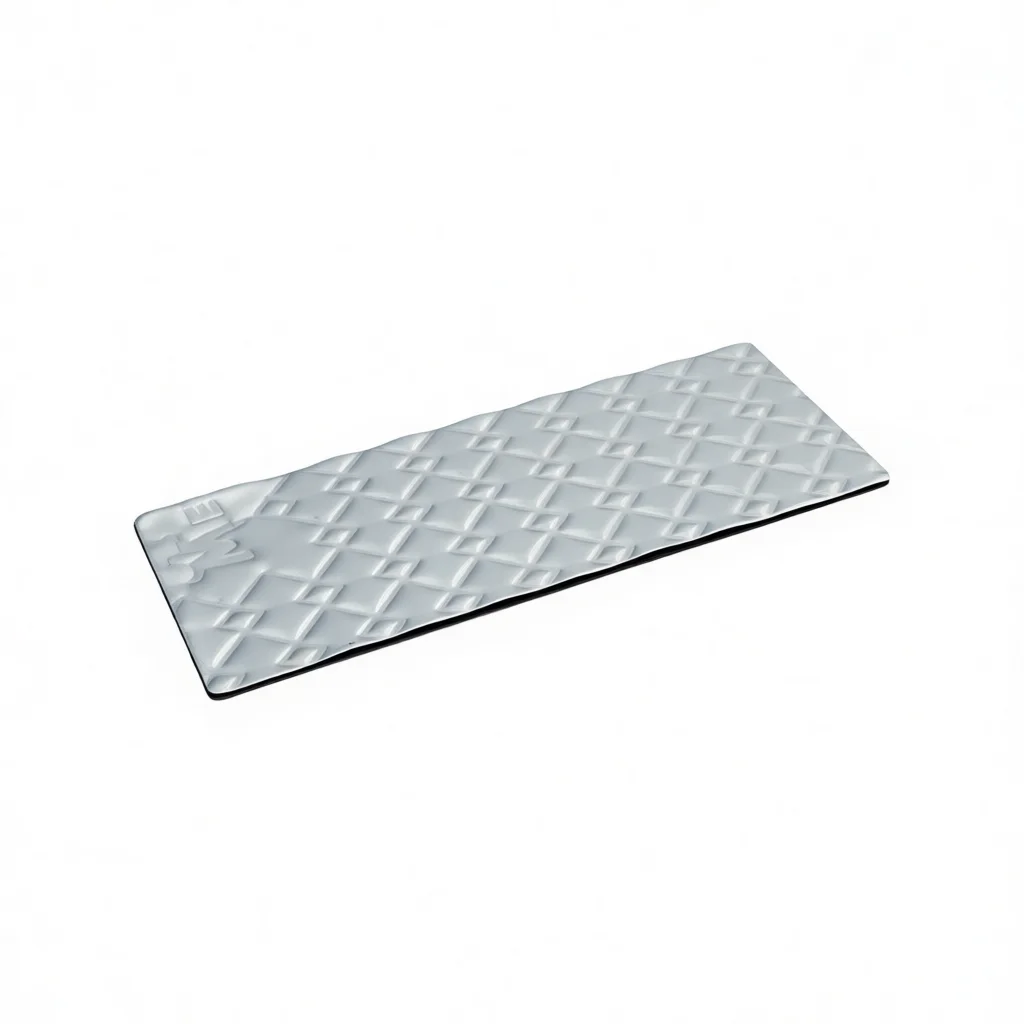
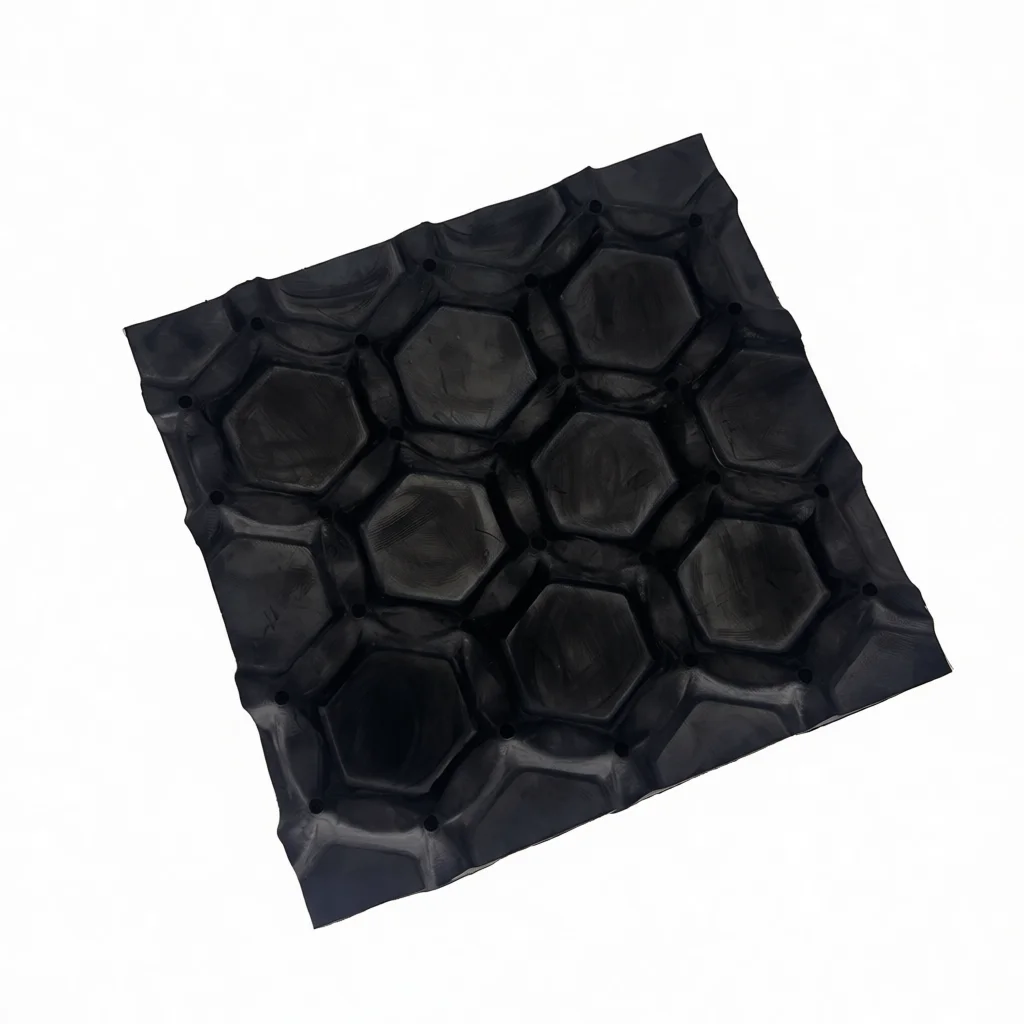
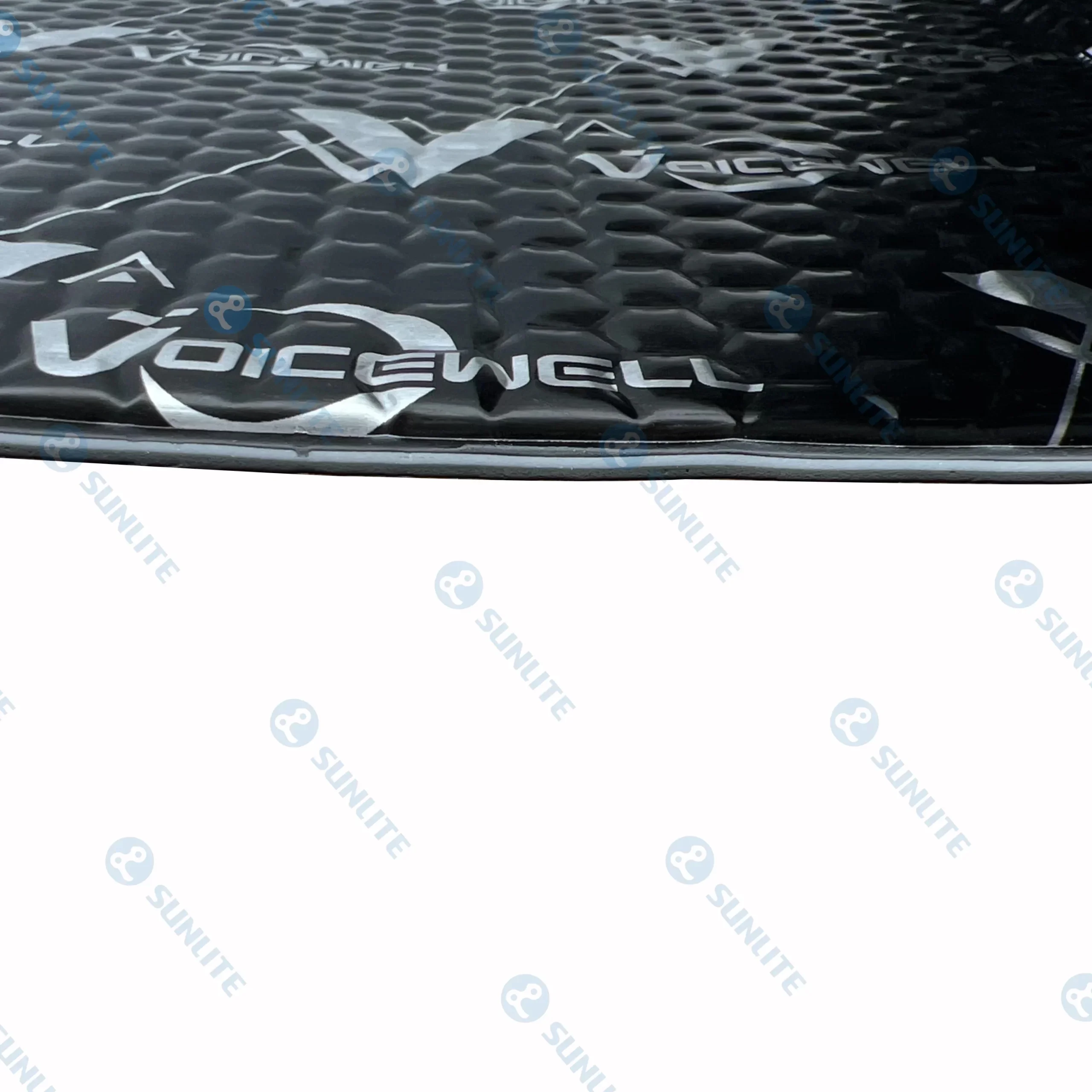
In the automotive sector, the transition to electric vehicles (EVs) has removed the masking noise of the internal combustion engine, making cabin quietness a primary luxury metric. The use of a composite damping sheet for NVH applications is the primary method for treating "large-panel" vibrations, such as those found in floor pans, door skins, and roof panels. These composite sheets are typically thin but dense, designed to adhere perfectly to metal surfaces to alter their resonant frequency.
The magic of a composite damping sheet for NVH applications lies in its synergistic composition. Often combining a heavy mastic base with a constrained aluminum or polymer facing, the sheet forces the base material into a shearing motion when it tries to vibrate. This shear strain is where the damping occurs; the energy that would have become noise is instead absorbed by the internal friction of the composite layers. This results in a "deadened" metal surface that feels solid to the touch and remains silent even when the vehicle is traveling over rough pavement or at high speeds.
Mechanical Isolation via the Multi-layer Vibration Absorber Pad
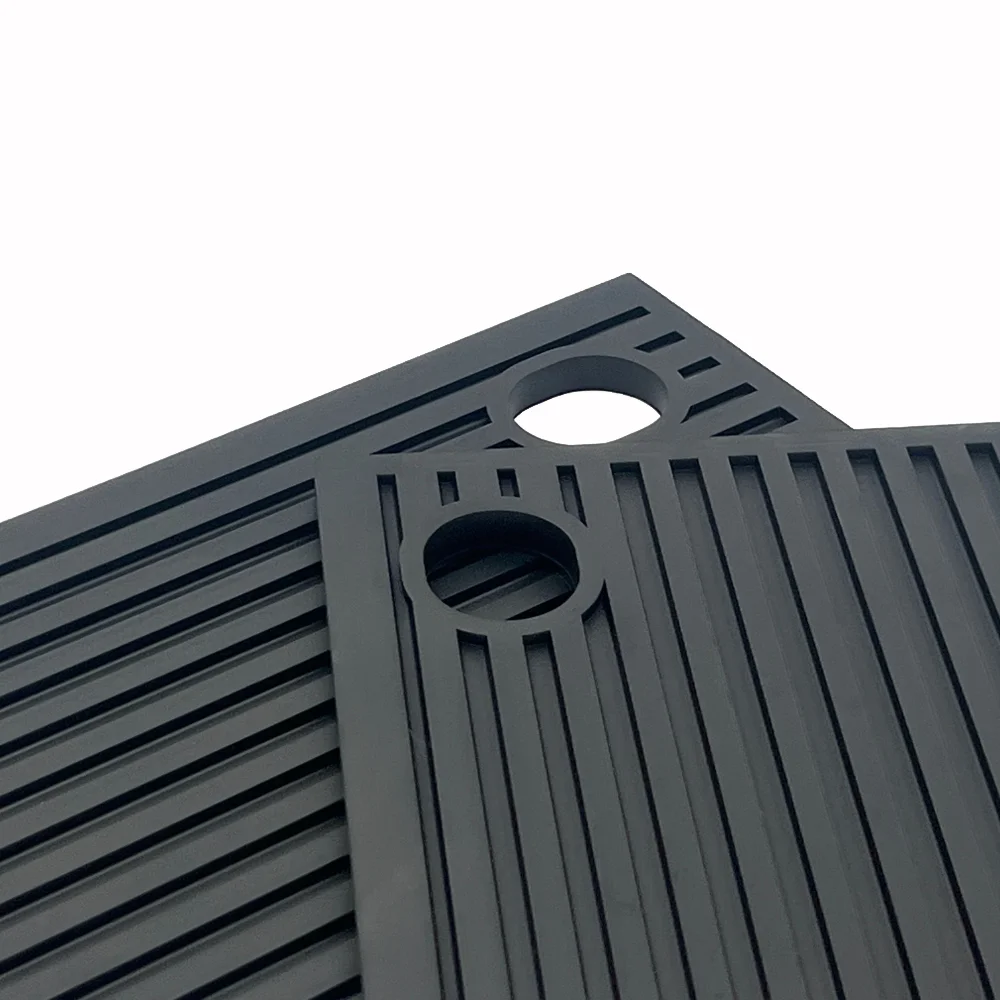
Industrial machinery often generates intense, localized vibrations that can travel through the floor and affect sensitive nearby equipment or the structural health of the building. The multi-layer vibration absorber pad is the heavy-duty solution to this transmission problem. Placed directly beneath the feet of CNC machines, industrial compressors, or HVAC units, these pads serve as a mechanical filter.
A professional multi-layer vibration absorber pad often utilizes a combination of cork, rubber, and specialized foam. The outer layers are usually designed for high grip and environmental resistance, while the internal layers focus on energy dissipation. By separating the machine from its foundation through this multi-step isolation barrier, the absorber pad ensures that the energy remains contained within the machine’s own frame. This not only creates a safer and more pleasant working environment but also protects precision instrumentation from the microscopic "noise" that can lead to calibration errors or premature wear.
Precision Control with High-performance NVH Multilayer Damper Technology
In precision electronics and optical engineering, even a vibration measured in microns can be catastrophic. This is where high-performance NVH multilayer damper technology becomes essential. These dampers are often integrated into the very chassis of high-end audio equipment, laser cutting heads, or medical imaging devices. The goal here is "micro-damping"—the ability to neutralize very small, high-frequency oscillations that interfere with signal integrity or visual focus.
The high-performance NVH multilayer damper often employs exotic polymers and thin-film metals. Because space is frequently at a premium in these applications, the damping must be incredibly efficient. Engineers utilize finite element analysis to determine exactly where the nodal points of vibration are located on a circuit board or a lens housing, and then apply these multilayer dampers to those specific locations. The result is a system that remains perfectly still under operation, allowing for the highest possible fidelity in data transmission or physical output.
The Chemistry of Calm: High-damping Viscoelastic Sandwich Material
The pinnacle of damping technology is the high-damping viscoelastic sandwich material. Viscoelasticity is a unique property where a material exhibits both viscous (liquid-like) and elastic (solid-like) characteristics. When deformed, these materials do not simply bounce back; they flow slightly, absorbing energy in the process. By "sandwiching" a viscoelastic core between two rigid skins—usually steel or aluminum—manufacturers create a material that is as strong as a standard plate but as quiet as rubber.
When a high-damping viscoelastic sandwich material is subjected to bending or vibration, the internal core is stretched and compressed. This internal molecular friction converts the mechanical energy into a negligible amount of heat. This technology is widely used in the construction of engine firewalls, disc brake shims, and high-speed train components. It provides a permanent, maintenance-free solution to vibration that is built directly into the structural material itself, rather than being added as an afterthought.
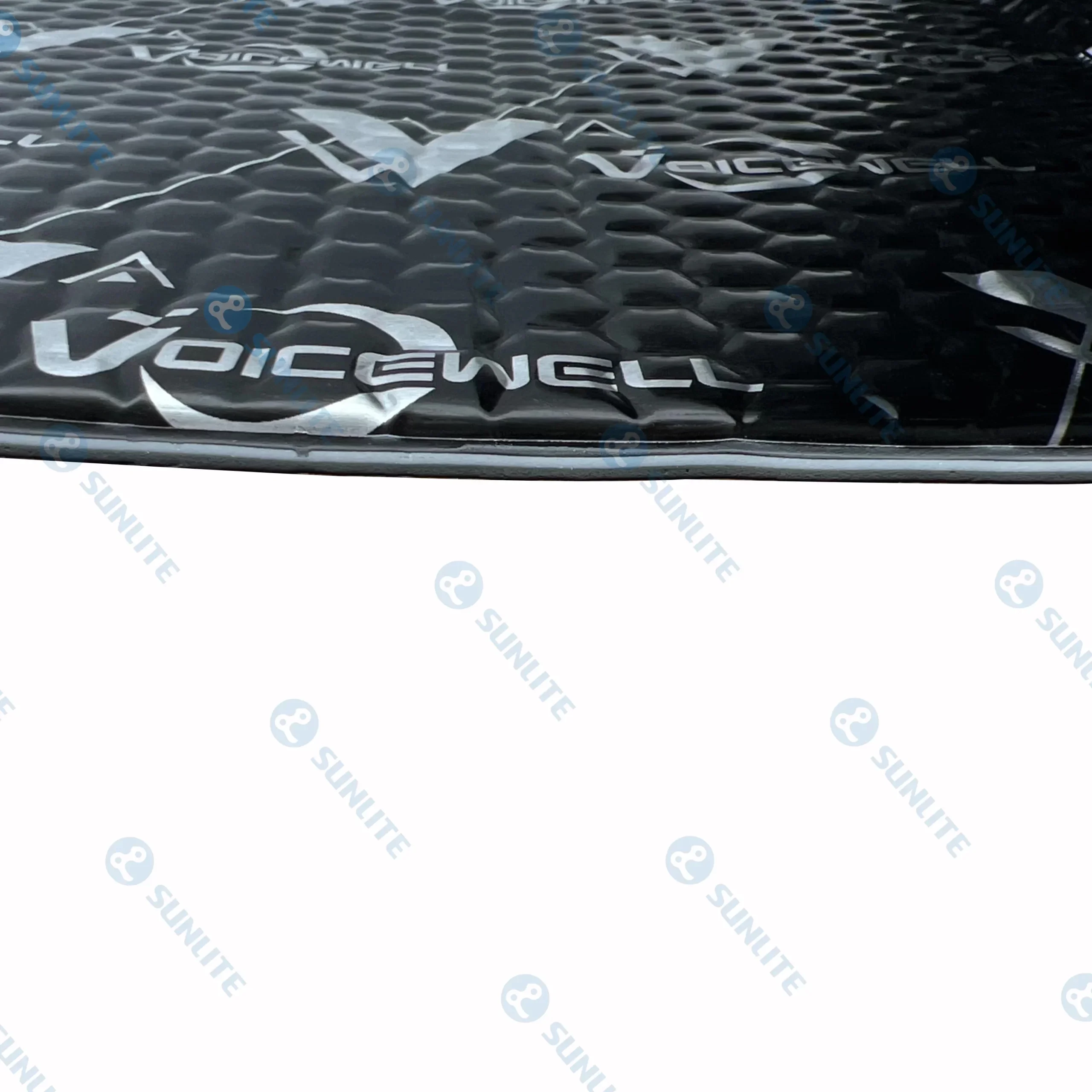
The pursuit of silence and structural stability has become a cornerstone of high-end industrial and automotive design.