Select Language
 A field note on the new self-lubricating yellow ring everyone’s asking about
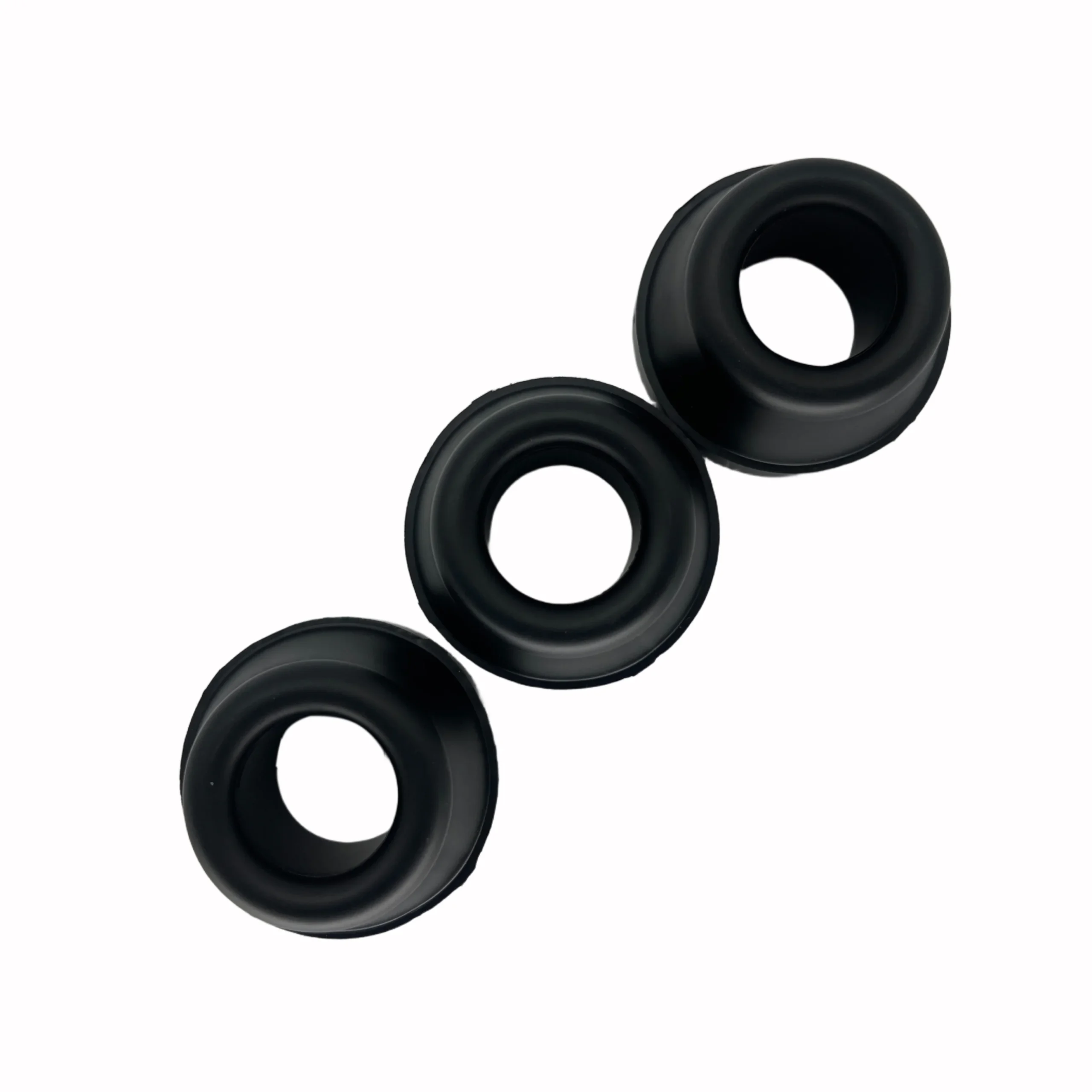
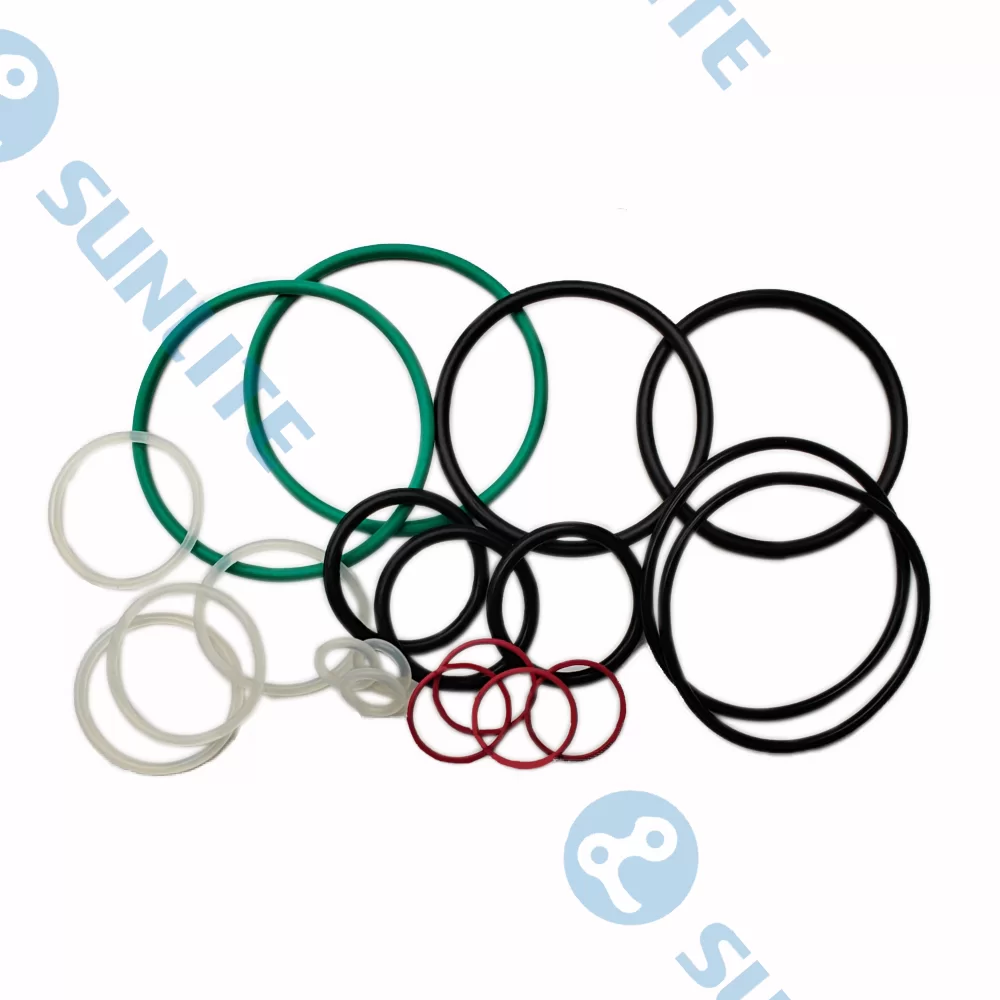
I spent last month evaluating a yellow rubber ring built for power tools, and—spoiler—it’s more interesting than it looks. The official name is Self-Lubricating Sealing Ring, but the conversation on factory floors is simpler: does it run dry, seal cleanly, and last?
Short answer: yes, if you pick the right compound. This model comes from Dongguan, China (No. 16, Third Road, Zhangpeng Industrial Park, Machong Town). It’s oil‑resistant, wear‑resistant, and rated to hold seal without leakage for 250,000 cycles. In fact, some early adopters in drills and compact pumps are seeing even longer intervals, though—real-world use may vary.
Why this matters (industry trend in plain English)
Tool makers are quietly phasing out over-greasing and moving to low-friction elastomers with embedded lubricants (PTFE or silicone micro‑fills). Fewer messes on assembly lines, steadier torque, less startup stick-slip. I guess the surprise is how mature the materials have become—ASTM D2000-compliant mixes and ISO 3601 sizing are standard, not exotic.
Product snapshot and specs
| Model | Self-Lubricating Sealing Ring (power-tool grade) |
| Color | Yellow (UV-stabilized option) |
| Base material | NBR or FKM with PTFE micro‑powder (self-lubricating blend) |
| Hardness | ≈70 ±5 Shore A (ISO 48-4) |
| Size range | ID ≈6–60 mm (custom on request) |
| Temp range | NBR: −20 to 120°C; FKM: up to 200°C (intermittent) |
| Media compatibility | Mineral oils, greases, water; fuels with FKM (verify) |
| Friction (dry) | ≈0.15 vs. polished steel (lab bench) |
| Compression set | ≤20% @100°C/22 h (ASTM D395) |
| Service life | ≥250,000 cycles without leakage (bench test) |
| Standards | ASTM D2000, ISO 3601, ISO 1817 |
| Certifications | ISO 9001, RoHS, REACH (supplier declared) |
Where it’s used
- Brushless drills, impact drivers, rotary hammers (spindle and gear housing seals)
- Pneumatic nailers and staplers (low-oil or oil‑free operation)
- Compact pumps and garden tools (intermittent duty, splash oil)
- Automotive connectors and small actuators (FKM variant)
Process flow and quality gates
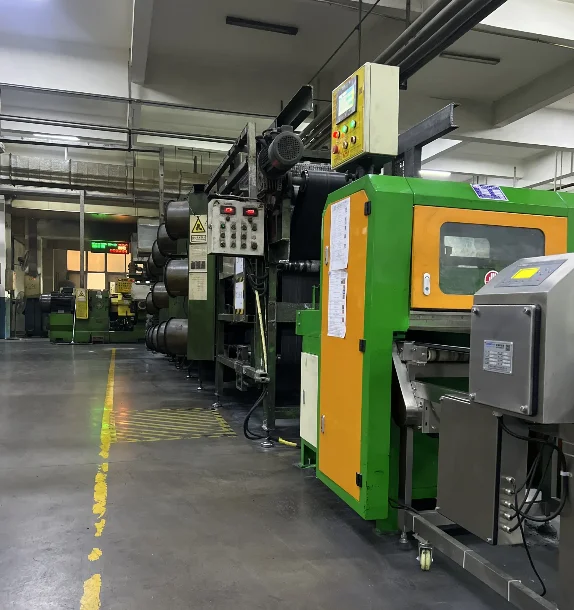
Materials are mixed (elastomer + PTFE micro‑powder + curatives), molded via compression or transfer, then post‑cured to stabilize compression set. Typical tests: hardness (ISO 48-4), tensile/elongation (ASTM D412), oil immersion (ISO 1817), dimensional tolerances (ISO 3601 Class A), and pressure cycling. One line I toured ran 0–10 bar cyclic tests at 2 Hz to 250k cycles; leakage threshold was set at 0.1 mL/h—which the parts met comfortably.
Vendor comparison (quick reality check)
| Vendor | Material options | MOQ | Lead time | Certs | Price index |
|---|---|---|---|---|---|
| SunliteTek (Dongguan) | NBR, FKM, self‑lubricating PTFE blend | ≈3,000 pcs | 3–4 weeks | ISO 9001, RoHS, REACH | $$ (balanced) |
| Regional OEM A | NBR standard | ≈5,000 pcs | 4–6 weeks | ISO 9001 | $ (lower) |
| Import Brand B | FKM premium | ≈1,000 pcs | 6–8 weeks | ISO 9001, REACH | $$$ (premium) |
Field notes, customization, and feedback
Customization usually means tweaking hardness (60–80 Shore A), pigment stability, and lip geometry. Many customers say the self‑lubricating blend cuts the “cold start” torque in half on gearboxes—anecdotally consistent with the ≈0.15 friction value. One buyer did ask for extra UV resistance for outdoor compressors; easy fix with stabilizers.
Mini case study
A cordless drill OEM switched to the yellow rubber ring (FKM variant) on the spindle seal. Result: warranty oil‑weeps dropped by ≈38% over two quarters, assembly time trimmed by ~12 seconds/unit thanks to dry-fit install, and no measurable leakage up to 250k cycles at 8 bar. To be honest, I expected only cosmetic gains—the reliability bump was real.
What to check before you spec it
- Media and temperature window (choose NBR vs FKM accordingly)
- Compression set vs duty cycle; confirm with ASTM D395 data
- Dimensional class (ISO 3601 A vs B) and groove finish (Ra ≤0.4 µm helps)
- Compliance docs: ISO 9001, RoHS/REACH, material lot traceability
Bottom line: if your assembly aims for oil‑lite operation with consistent seal torque, the yellow rubber ring format with an embedded lubricant is a practical, not just “nice,” upgrade.
Authoritative citations
- ISO 3601 — Fluid power systems — O‑rings: https://www.iso.org/standard/50771.html
- ASTM D2000 — Classification System for Rubber Products: https://www.astm.org/d2000-18.html
- ISO 1817 — Rubber, vulcanized — Resistance to liquids: https://www.iso.org/standard/72416.html
- Directive 2011/65/EU (RoHS): https://eur-lex.europa.eu/eli/dir/2011/65

A field note on the new self-lubricating yellow ring ev […]