

 Select Language
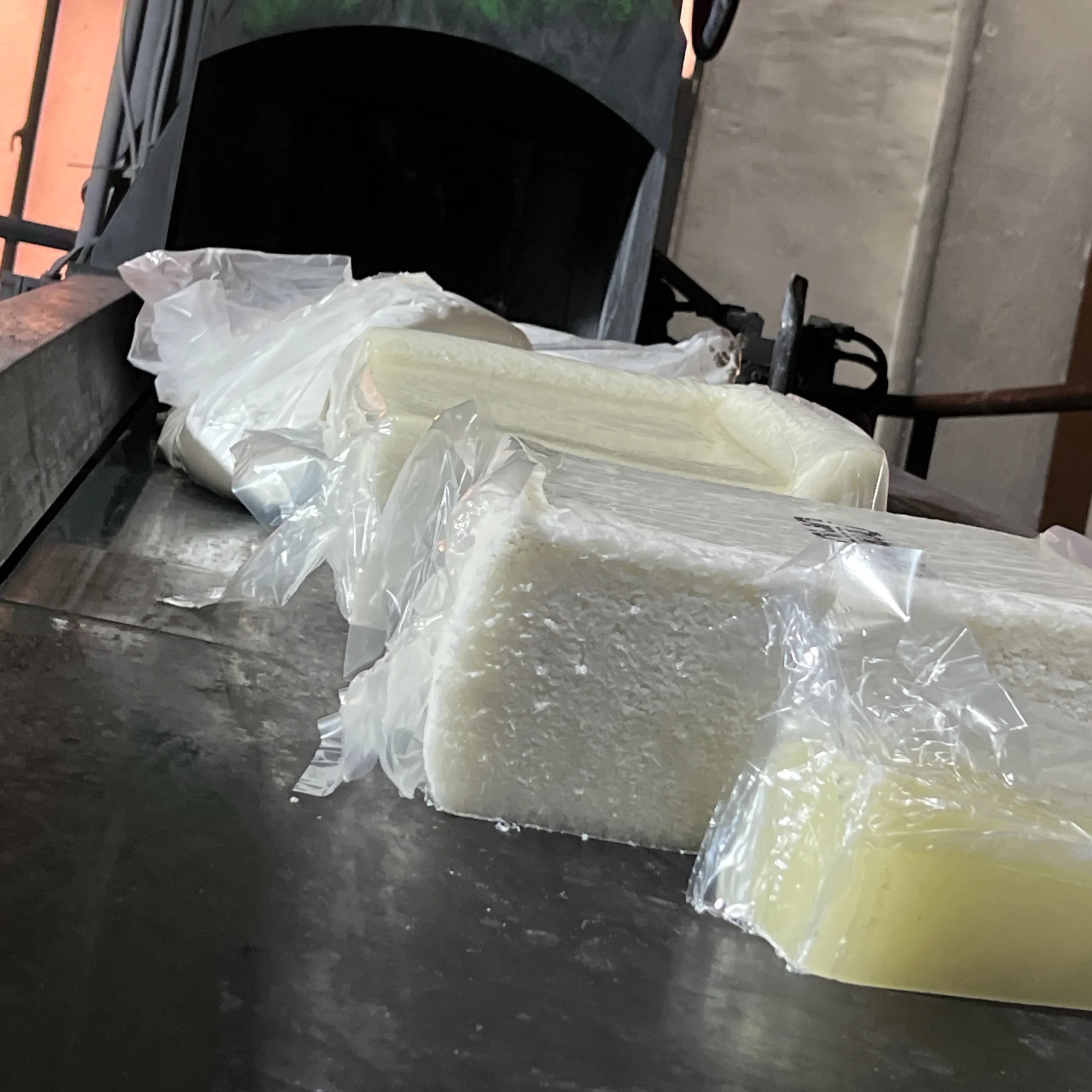
Rubber materials are widely used in automotive, electronics, electrical systems, industrial equipment, rail transit, and construction machinery, making them one of the essential materials in modern industry.
This page provides a systematic overview of rubber material types, physical performance parameters, rubber compounding systems, and vulcanization & processing technologies, helping customers better understand the technical specifications of rubber products for product selection, technical communication, and the development of custom rubber parts.
As an experienced NBR rubber manufacturer and EPDM rubber supplier serving global industries, we provide customized formulas and production services for various application environments.
1. Rubber Materials
Common industrial rubber materials include:
NR / Natural Rubber
SBR Rubber
BR Rubber
NBR Rubber
EPDM Rubber / EPM
CR Rubber
FKM / FPM (Fluoro Rubber)
Silicone Rubber / MVQ
PU Rubber (Polyurethane Rubber)
ACM Rubber (Acrylic Rubber)
CPE Rubber
CSM Rubber (Chlorosulfonated Polyethylene)
ENR (Epoxidized Natural Rubber)
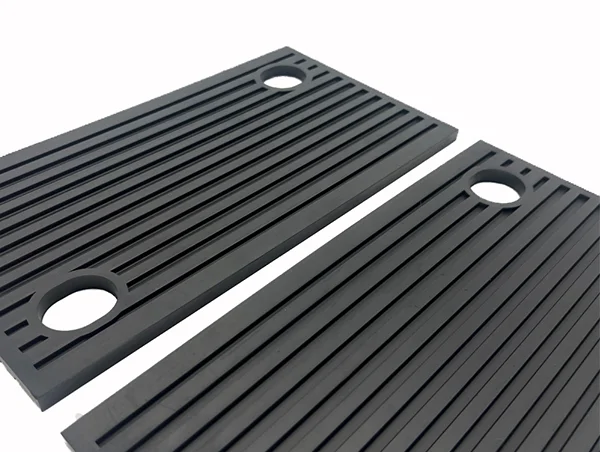
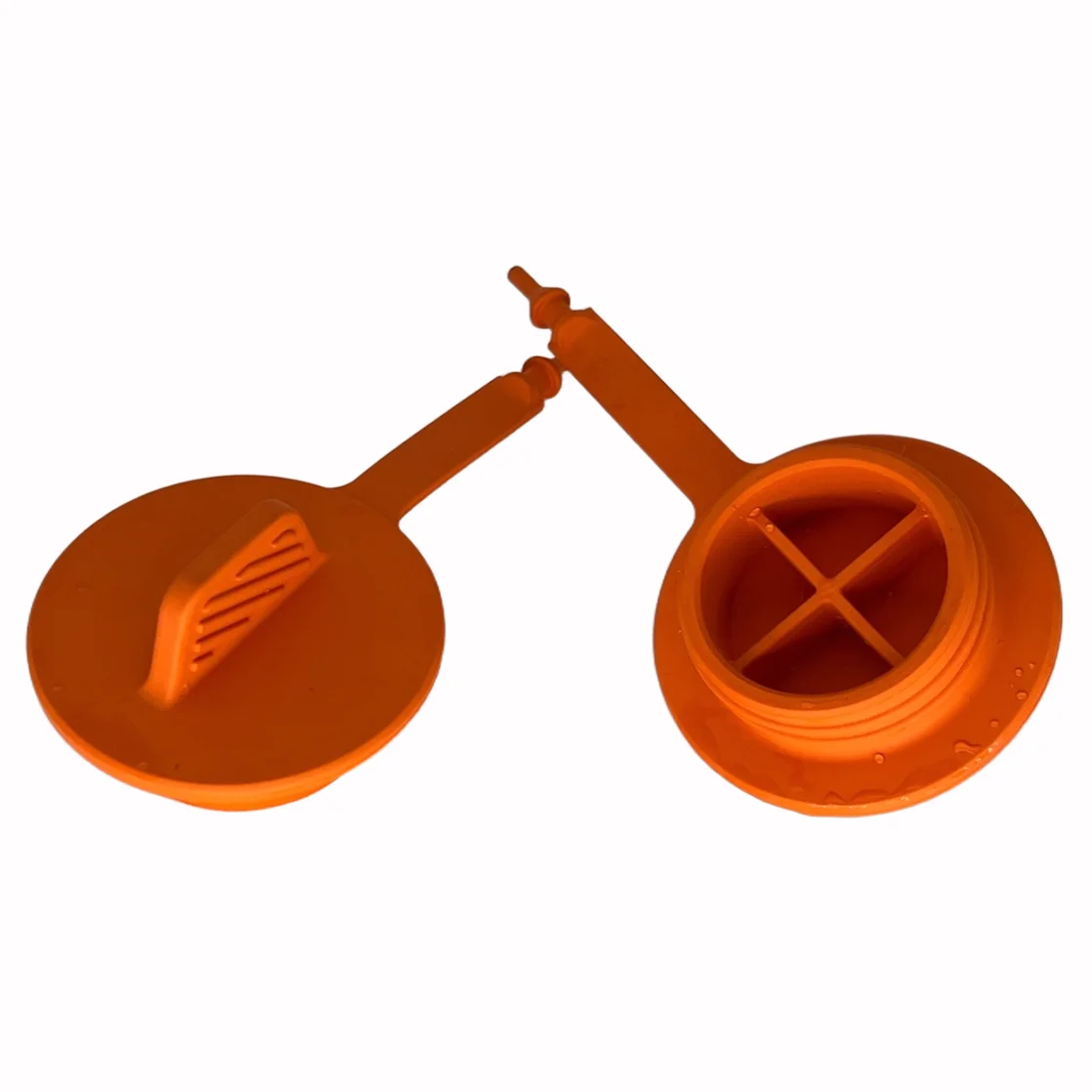
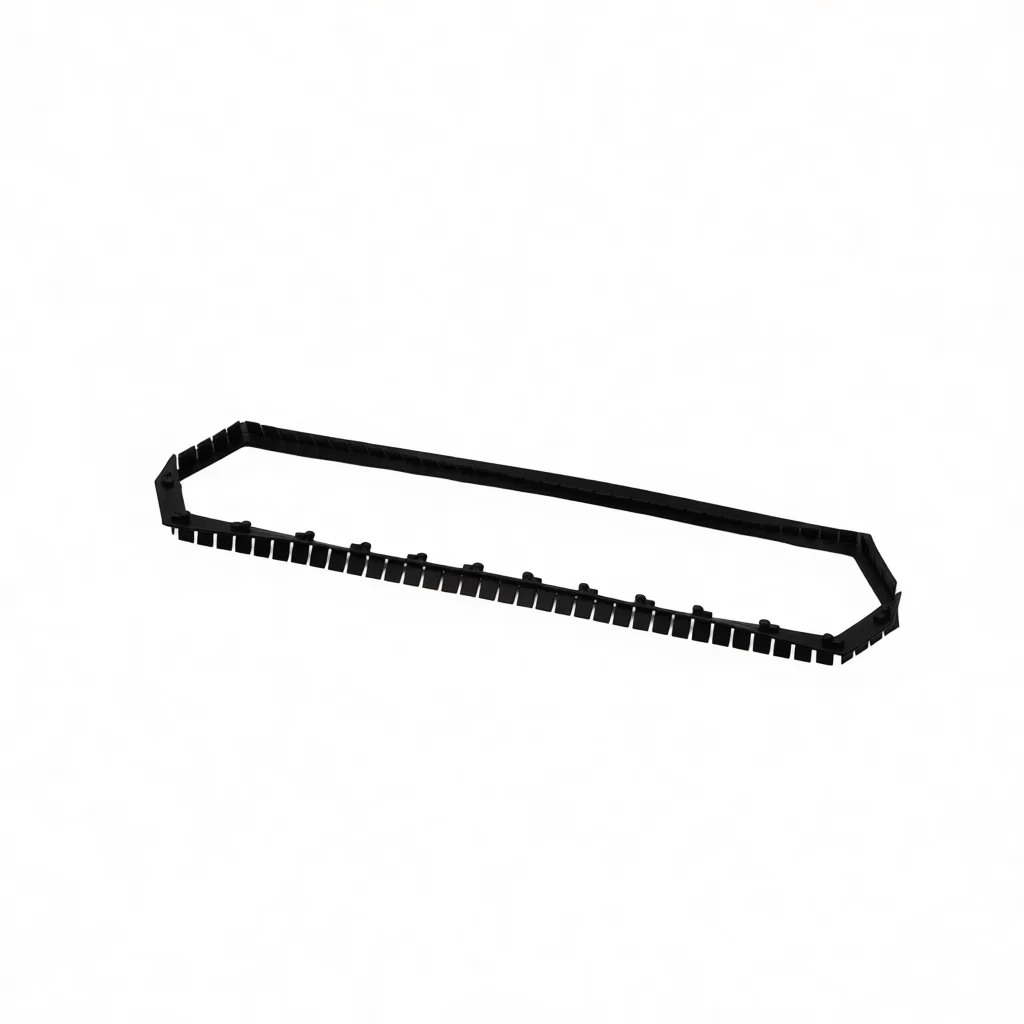
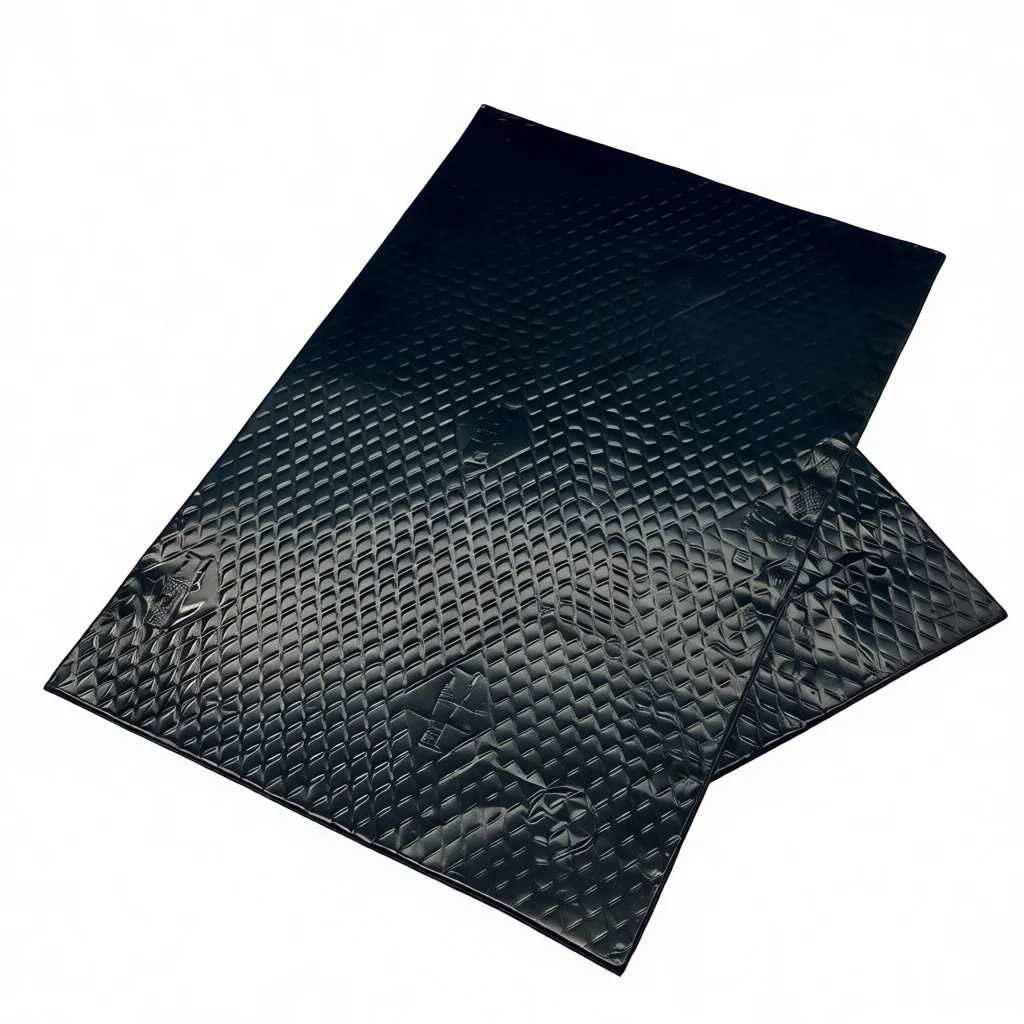
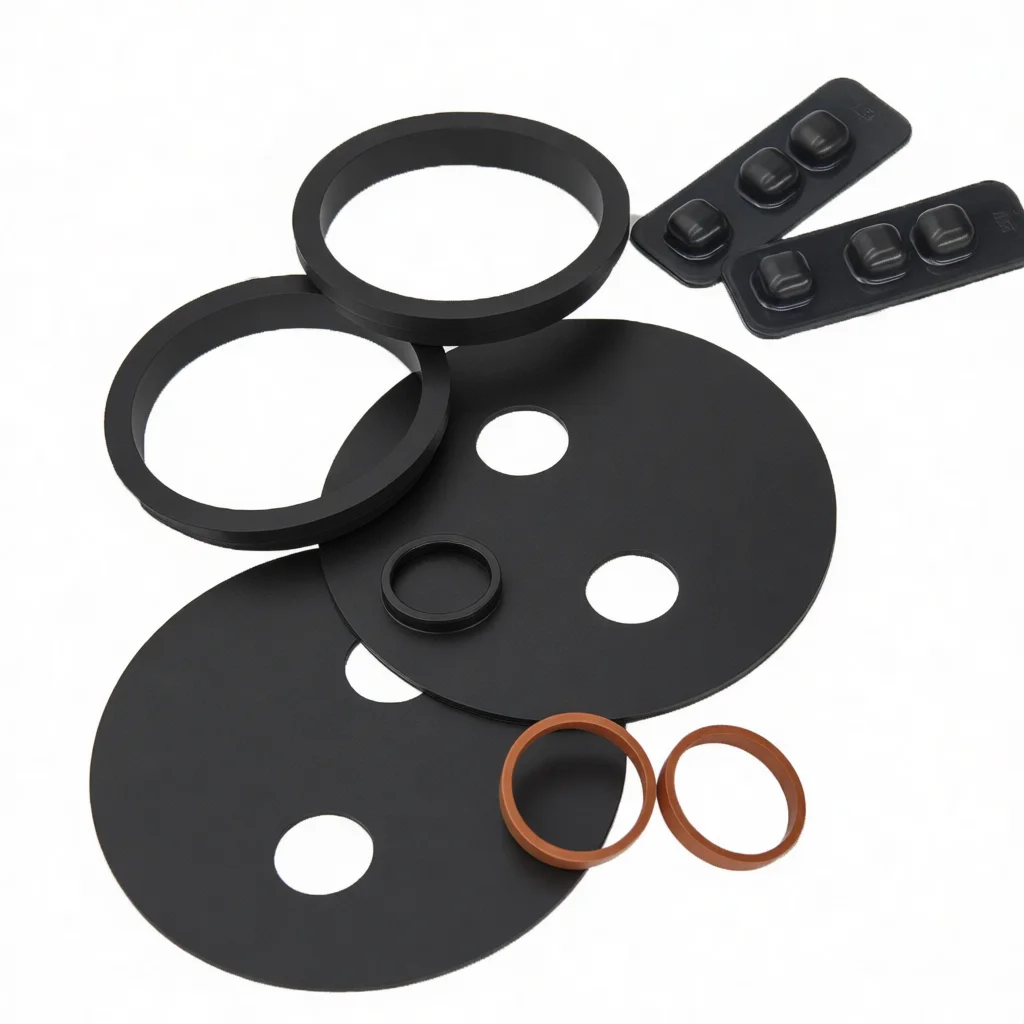
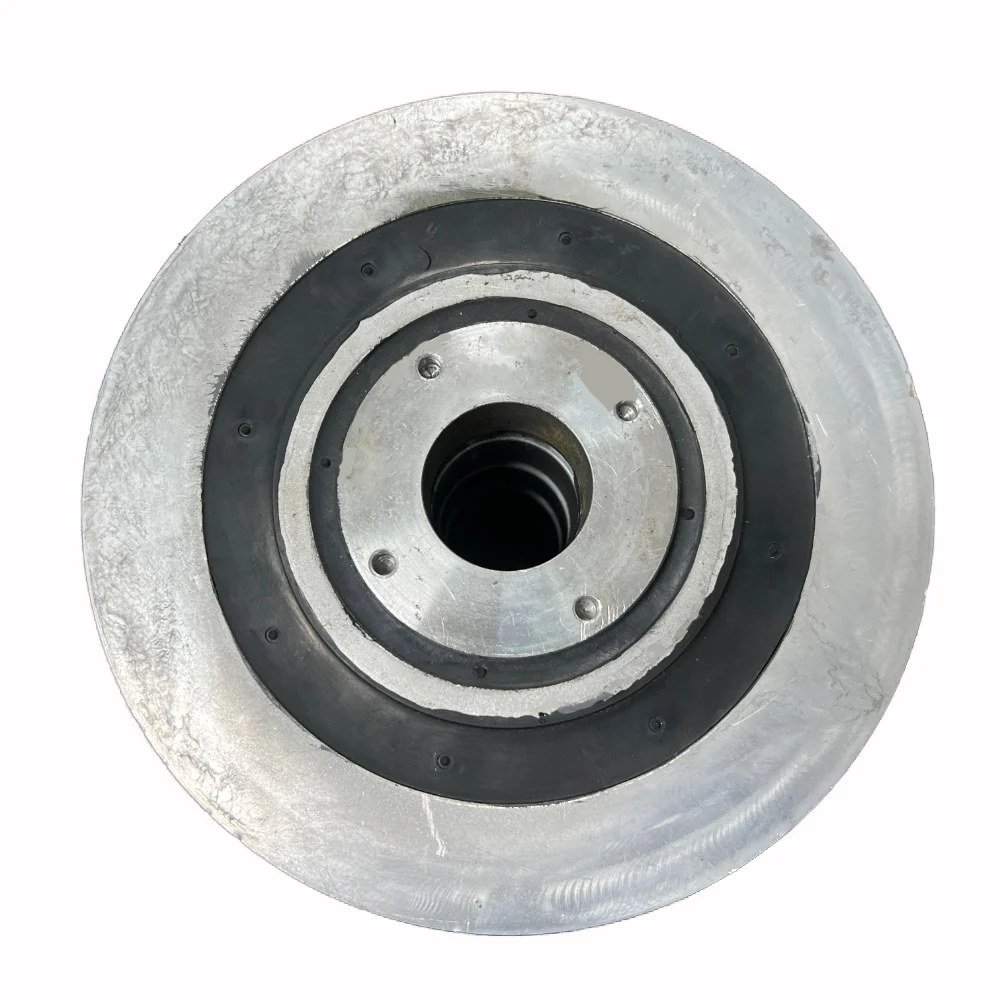
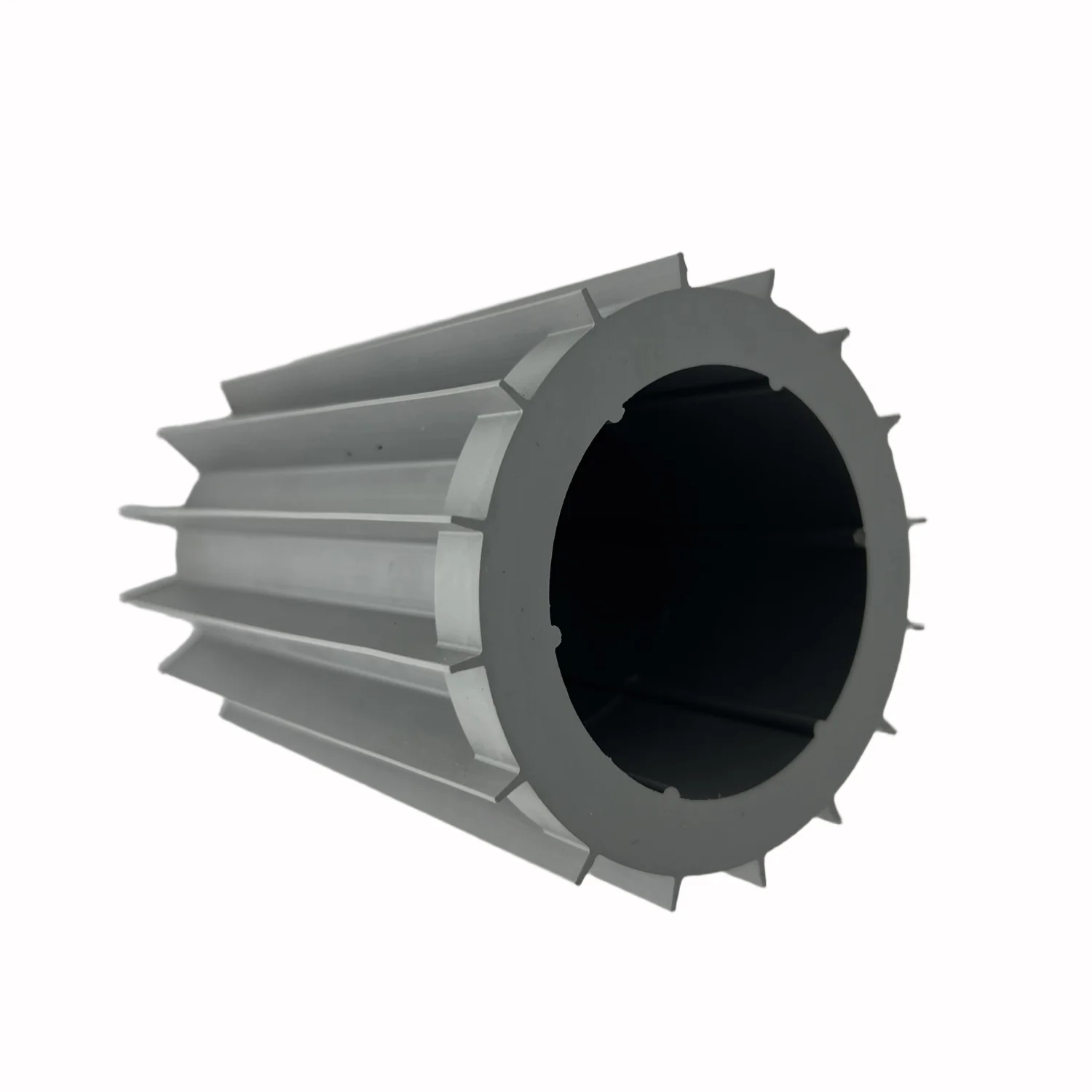
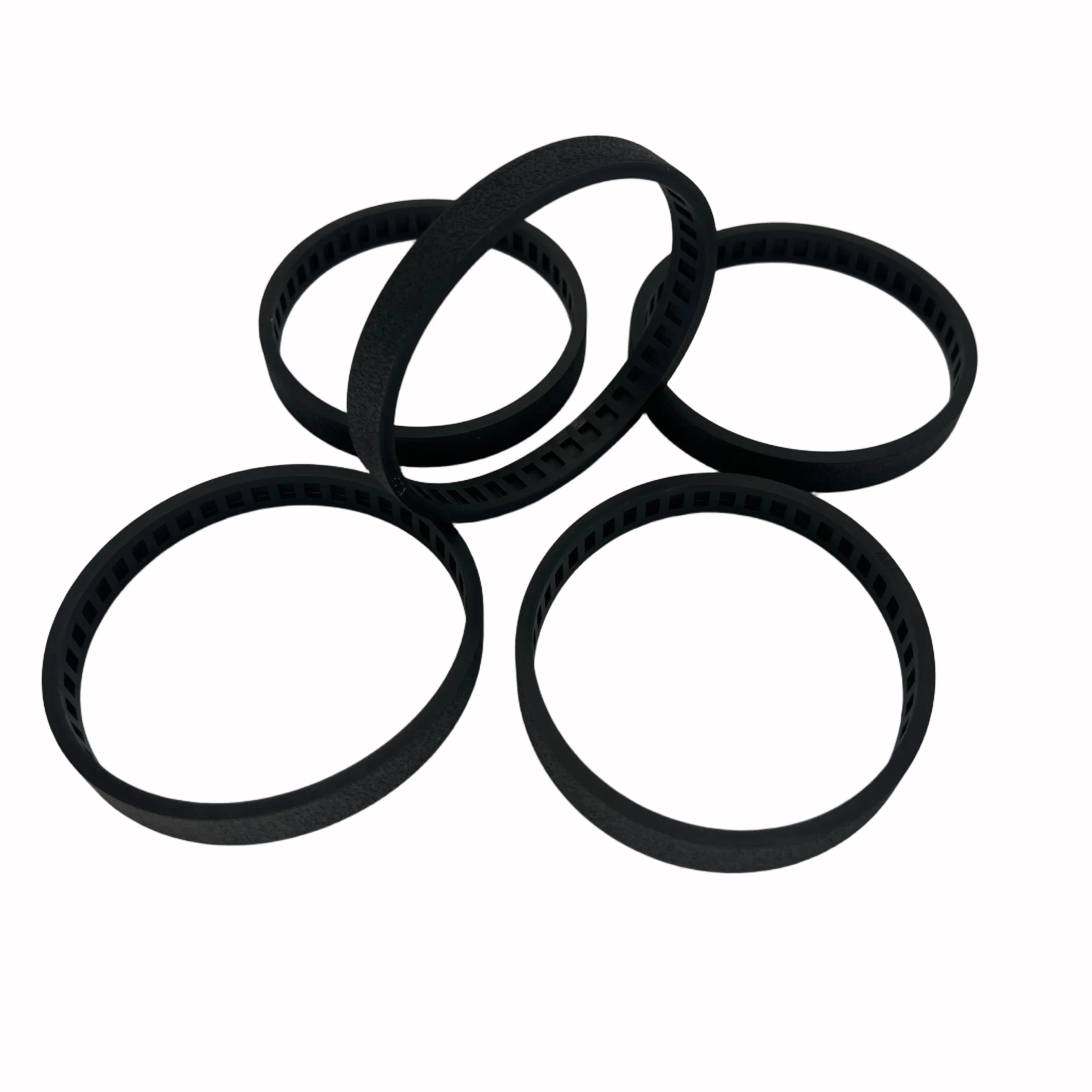
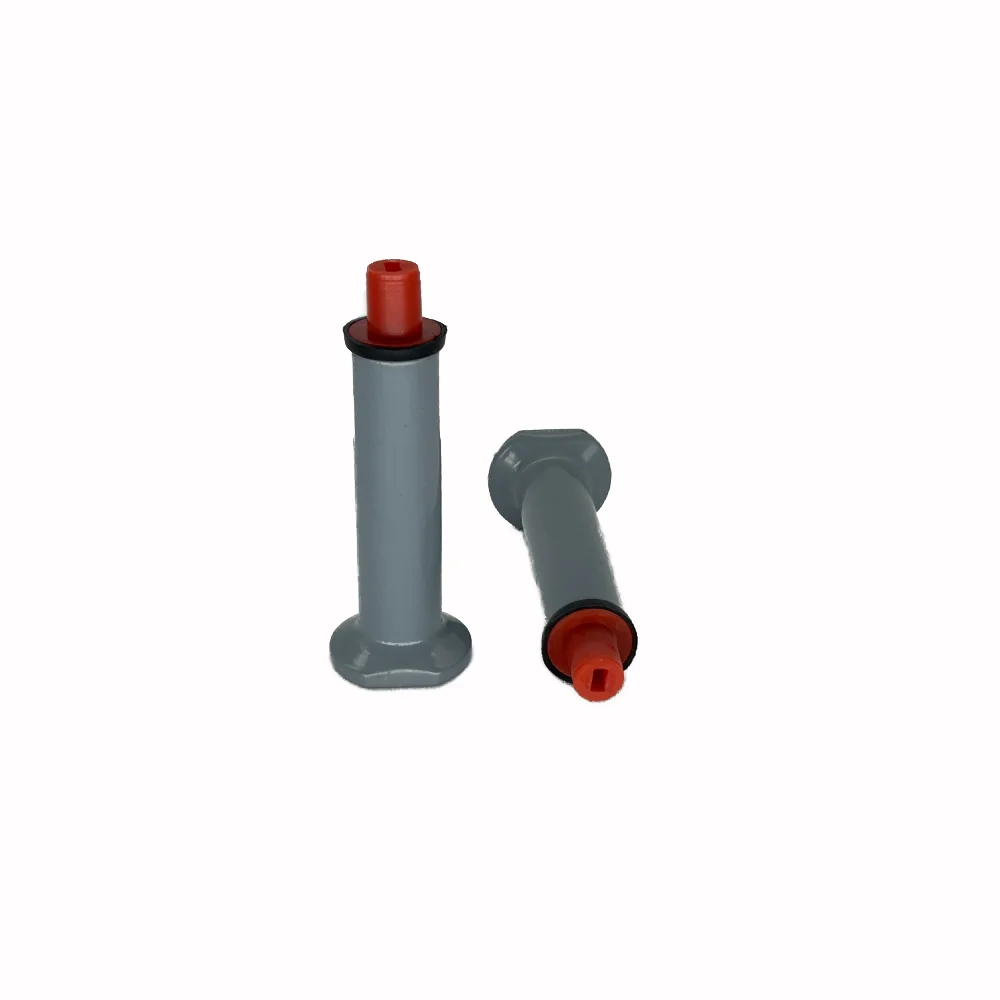
These materials are used in a wide range of applications, including rubber vibration dampers, sealing components, battery pads, rubber tracks, and other industrial rubber products, supporting both prototype development and mass production of custom rubber parts.
As a professional NBR rubber manufacturer & EPDM rubber supplier, we design formulas tailored to industry-specific requirements.
2. Rubber Properties
Key performance parameters for evaluating rubber quality include:
Tensile Strength, Elongation at Break, Tear Strength, Modulus, Permanent Set, Resilience, Hardness,
Abrasion Resistance, Wet Skid Resistance, Heat Build-up, Mooney Viscosity, and Plasticity Retention Index (PRI).
These properties directly impact the product's reliability under high temperature, heavy loads, and complex working conditions—especially for automotive weatherstrips, industrial vibration absorbers, construction machinery seals, and other custom rubber parts.
3. Rubber Compounding System
A complete rubber formulation is composed of the following systems:
1) Reinforcing & Filling System
Including Carbon Black, Precipitated Silica / Fumed Silica, and organic reinforcing agents.
Their particle size, surface area, and surface activity significantly affect the strength and abrasion resistance of rubber products.
2) Functional Additives
Such additives include Accelerators, Activators, Antioxidants, Stabilizers, Plasticizers, Coupling Agents, and Surfactants.
A well-designed formulation is the technical foundation for producing high-performance NBR, EPDM, and other custom rubber parts.
4. Rubber Vulcanization Systems
Common vulcanization systems include:
CV (Conventional Vulcanization)
SEV (Semi-Effective Vulcanization)
EV (Effective Vulcanization)
Peroxide Cure Systems
Metal Oxide Cure Systems
Resin Cure Systems
Critical vulcanization parameters include Scorch Time, T90 (Optimum Cure Time), Induction Time, Reversion, and Blooming.
As an experienced EPDM rubber supplier and NBR rubber manufacturer, we select the optimal vulcanization system based on temperature resistance, oil resistance, weather resistance, and stability requirements.
5. Rubber Processing Technology
The main processing workflow for rubber products includes:
Mastication, Compounding, Two-roll Mixing, Internal Mixing, Calendering, Extrusion,
and Vulcanization.
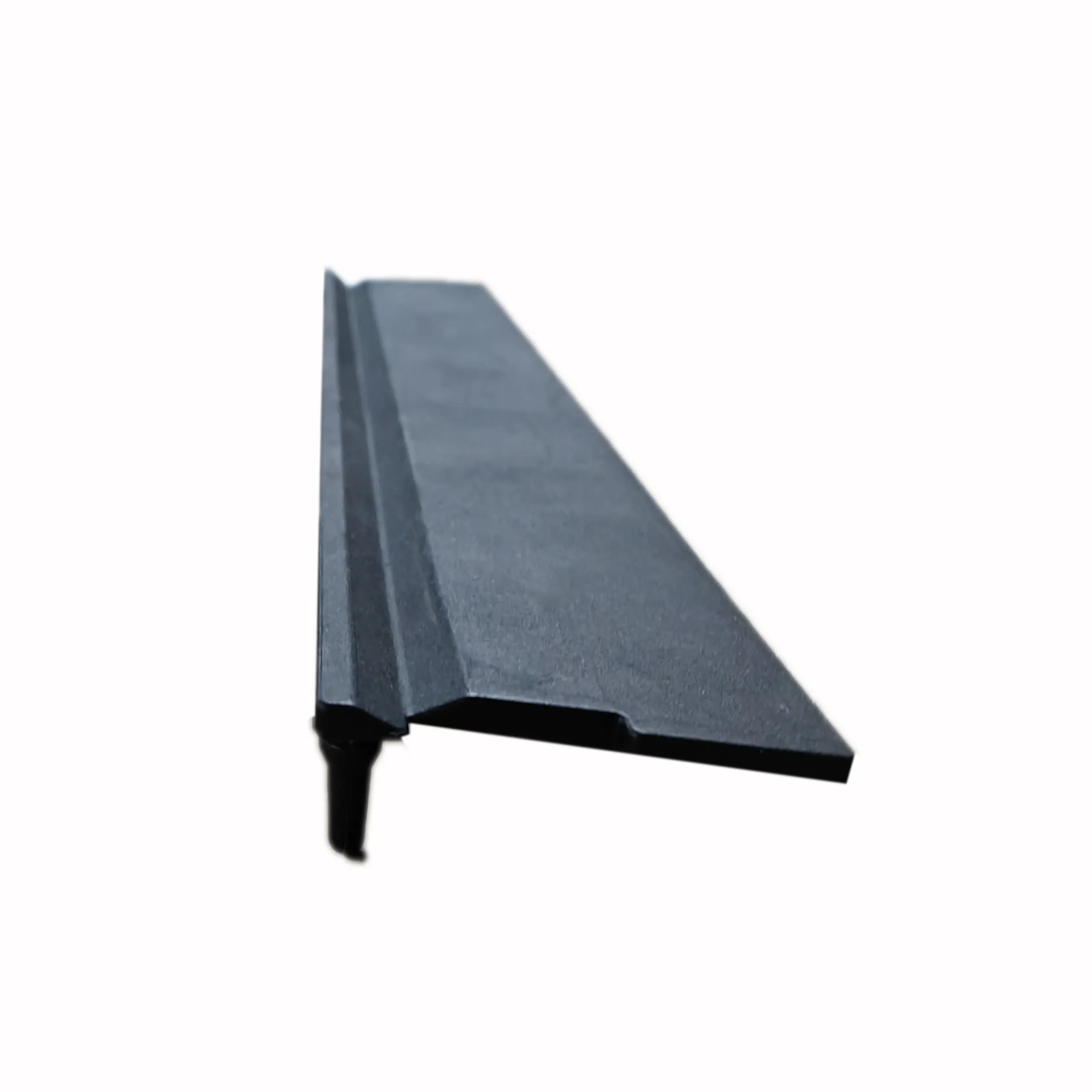
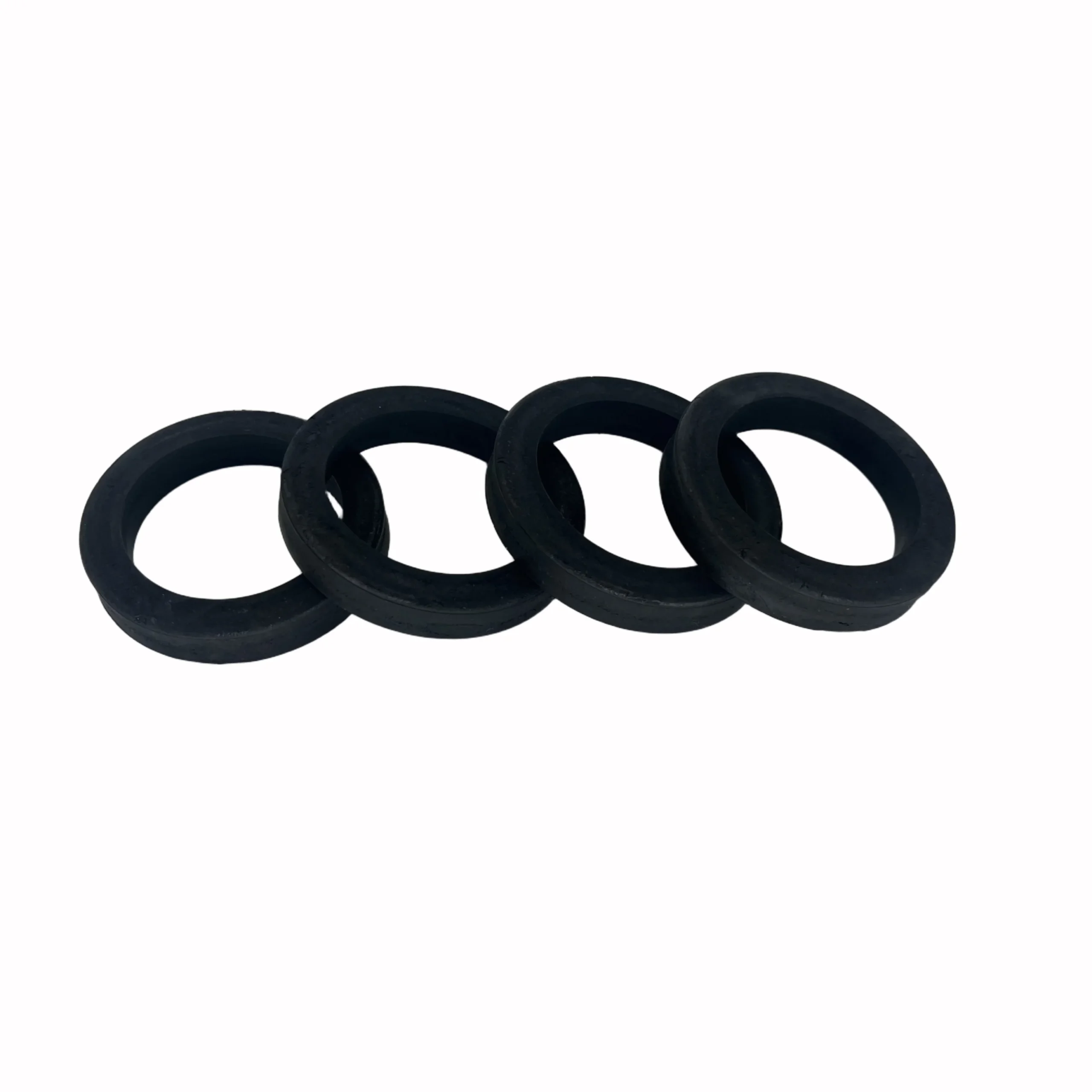
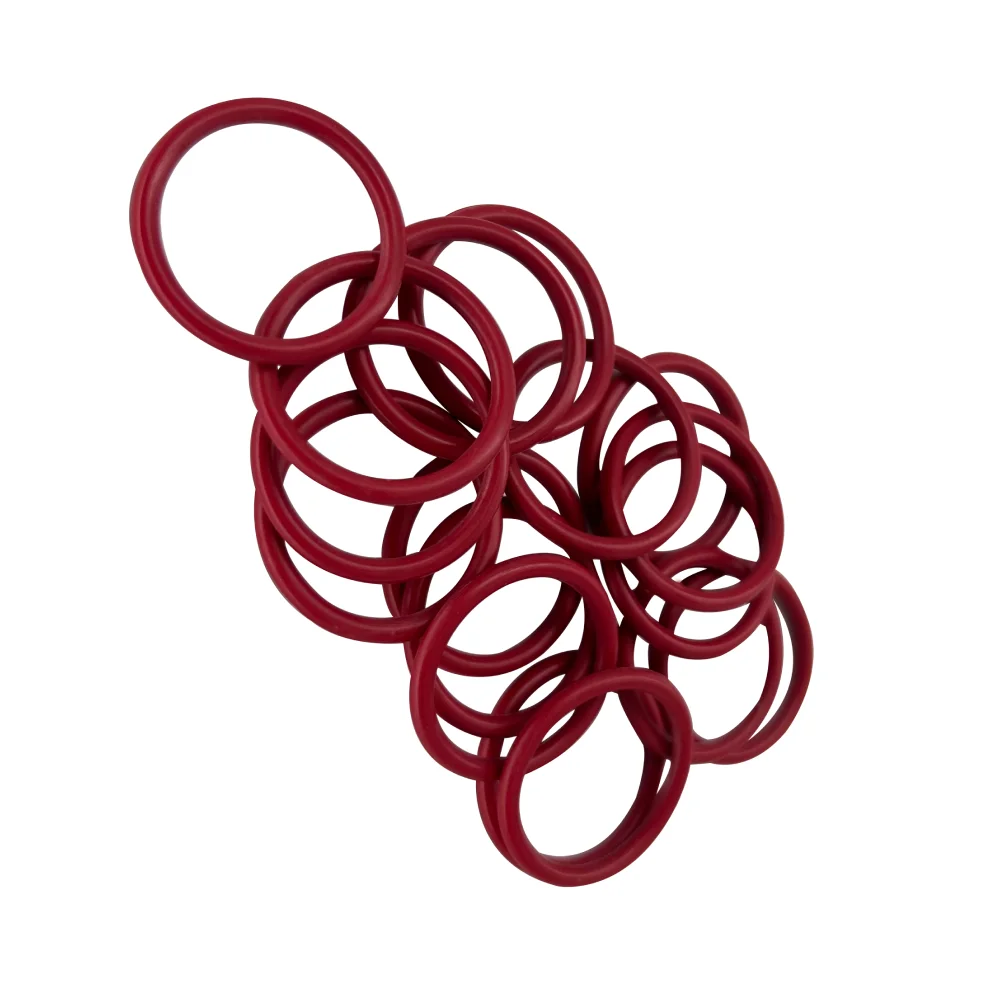
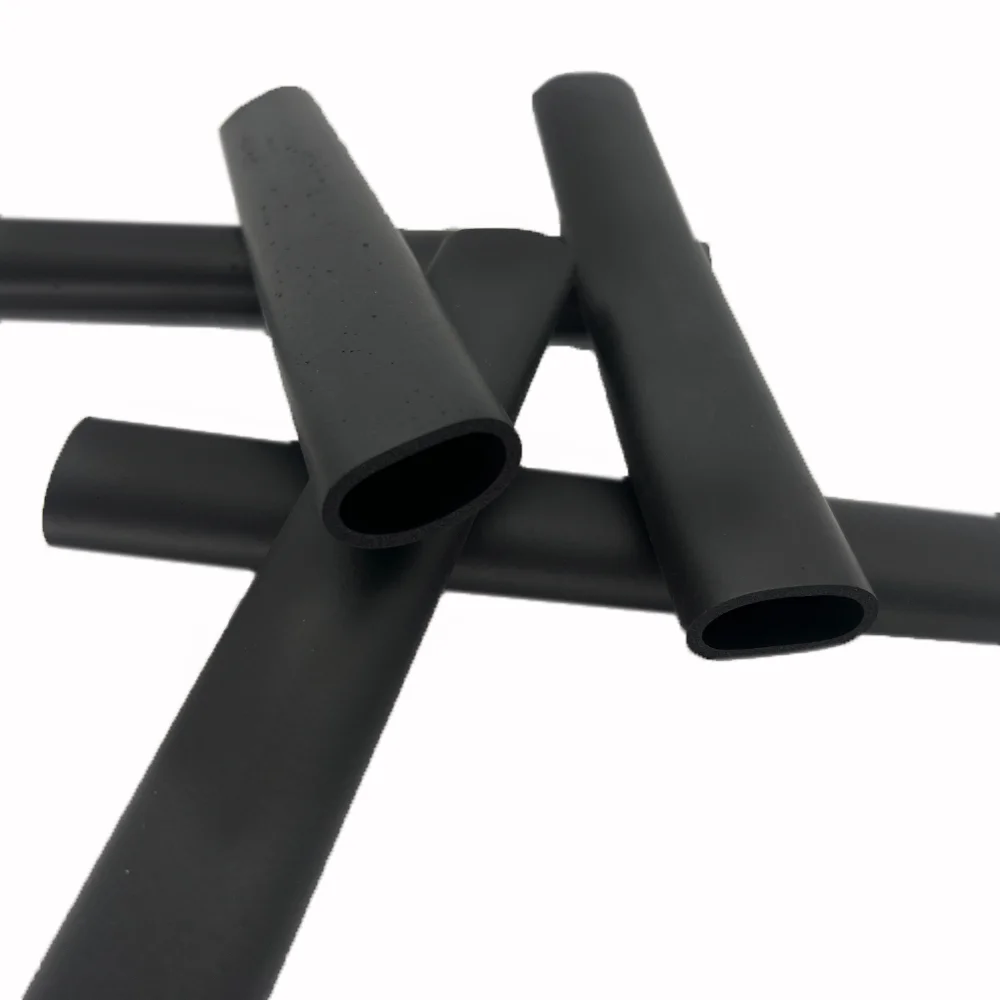
These processes are widely used in producing rubber vibration dampers, automotive weatherstrips, rubber bearings, battery insulation pads, and various engineered rubber components—especially suitable for customized production of O-rings, damping blocks, battery pads, sealing strips, and other custom rubber parts.
6. Industry Applications
Rubber materials are used across various industries, including:
Automotive Parts
Rail Transit
Industrial Equipment
Electronics & Electrical Applications
New Energy Vehicles
Battery Systems
Machinery Manufacturing
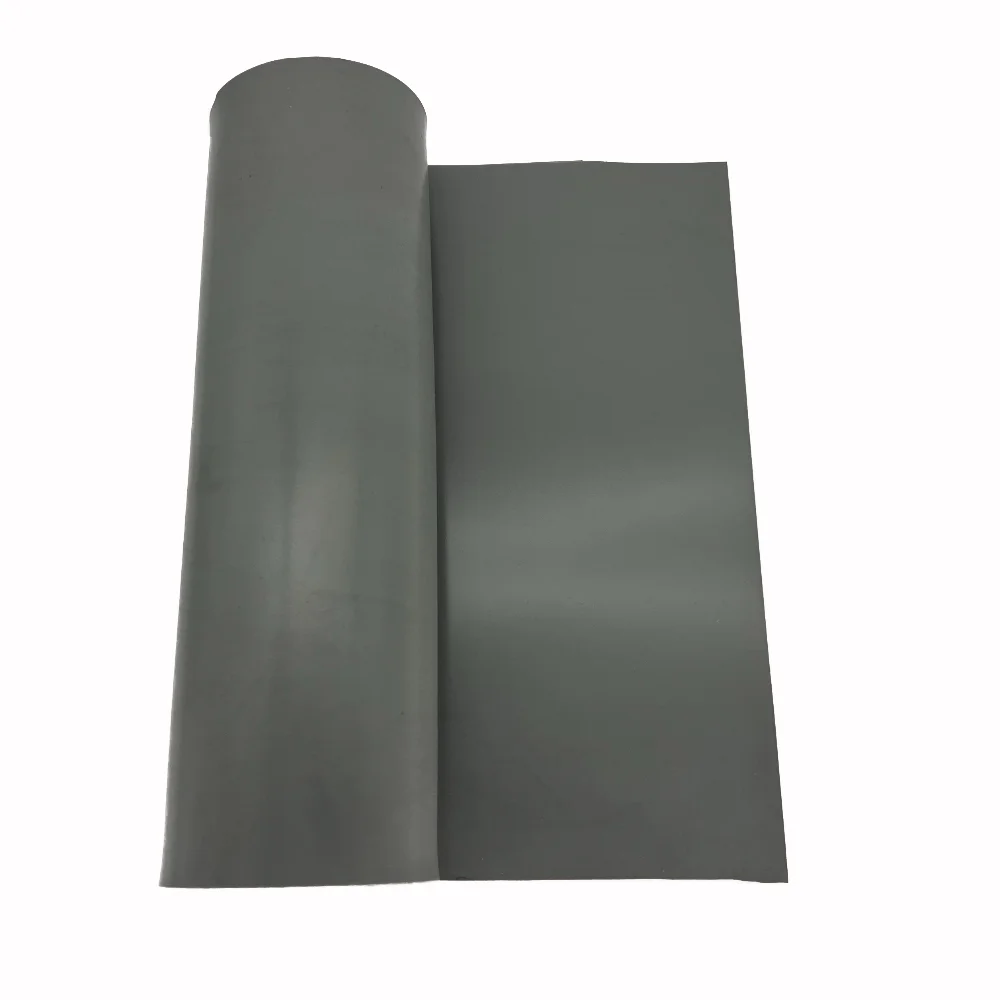
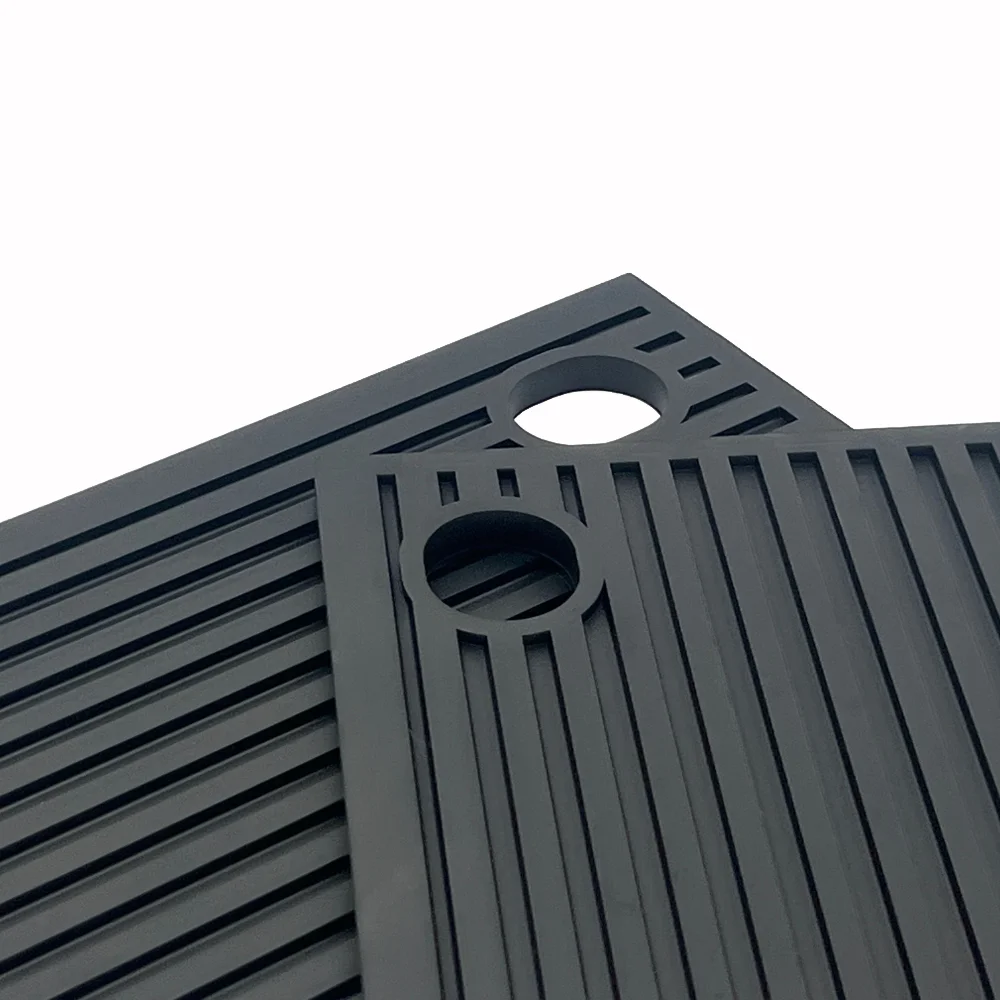
We offer material selection, product design, and mass-production support for applications such as automotive seals, rubber vibration parts, industrial rubber mats, O-rings, and other custom rubber parts.
With over 20 years of experience as an NBR rubber manufacturer and EPDM rubber supplier, we provide comprehensive technical and manufacturing solutions for global customers.
Rubber materials are widely used in automotive, electronics, electrical systems, industrial equipment, rail transit, and construction machinery, making them one of the essential materials in modern industry.