

 Select Language
The modern industrial landscape is defined by the relentless pursuit of precision and power. However, with increased mechanical output comes the inevitable challenge of kinetic energy management. In high-speed motor transmissions, HVAC systems, and CNC machinery, the difference between a high-performing system and one prone to premature failure often lies in the quality of its isolation components. High-impact elastomer materials have emerged as the premier solution to this challenge, offering a sophisticated blend of molecular engineering and structural resilience. By focusing on advanced NBR (Nitrile Butadiene Rubber) formulations, engineers are now able to neutralize parasitic vibrations that once compromised structural integrity and acoustic comfort.
The Molecular Engineering of Rubber Vibration Absorber Components
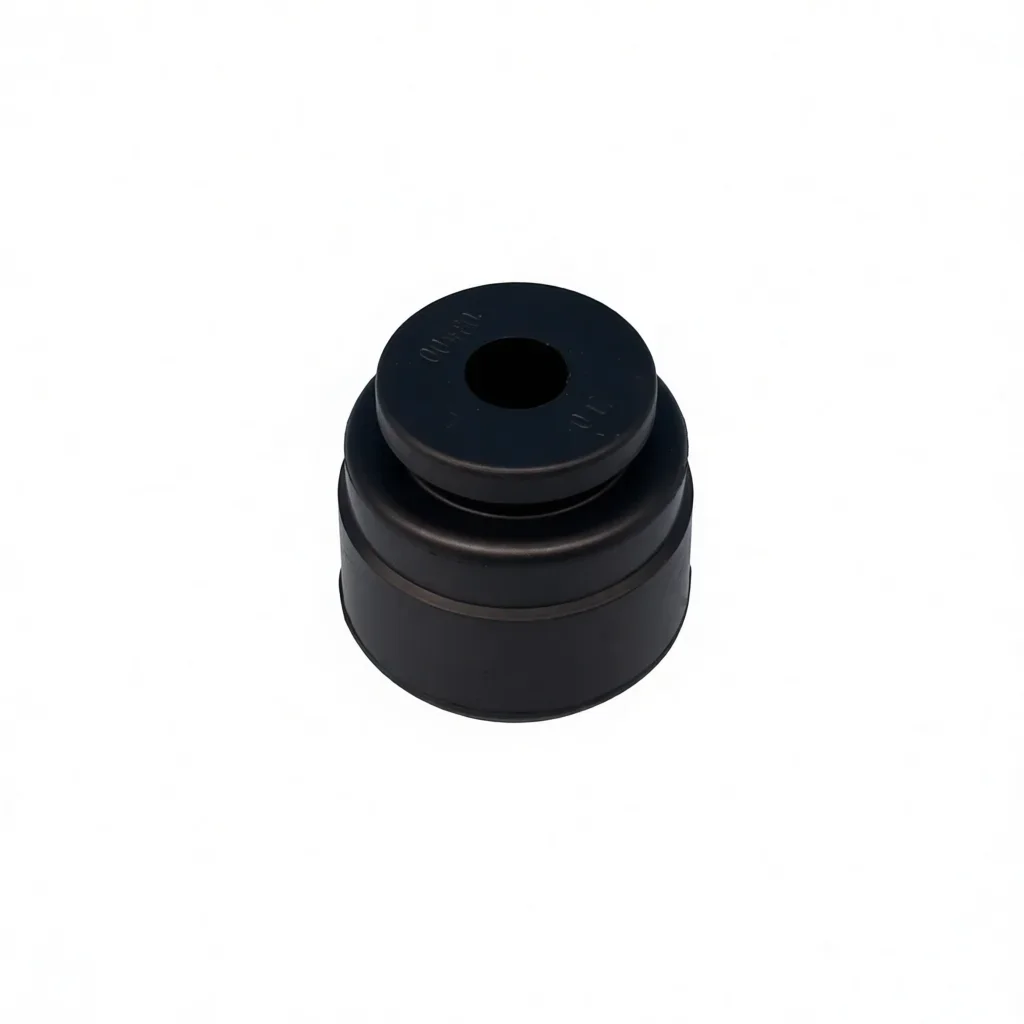
At the heart of any effective damping system is the fundamental chemistry of the polymer. Unlike standard commercial rubber, high-impact elastomers are designed with a specific molecular architecture that prioritizes strong interaction between flexible chains. This ensures that the material remains structurally sound even when subjected to the violent, high-frequency oscillations typical of industrial fans and compressor rotors. The choice of a rubber vibration absorber today involves more than just selecting a flexible material; it requires a deep understanding of glass transition temperatures and dynamic properties.
High-impact elastomers are synthesized to maintain a low glass transition temperature, which allows them to retain high elasticity even in sub-zero environments as low as -40°C. Conversely, their thermal stability ensures they do not soften or lose their load-bearing capacity at temperatures reaching +120°C. This wide operational window is critical for motor transmission systems where thermal buildup is a constant factor. When the rubber serves as the primary interface between a vibrating motor and its rigid housing, it acts as a kinetic sink. The energy generated by the motor is not simply blocked; it is absorbed and dissipated through internal molecular friction within the elastomer itself.
Strategic Implementation of Vibration Damping Rubber Pads
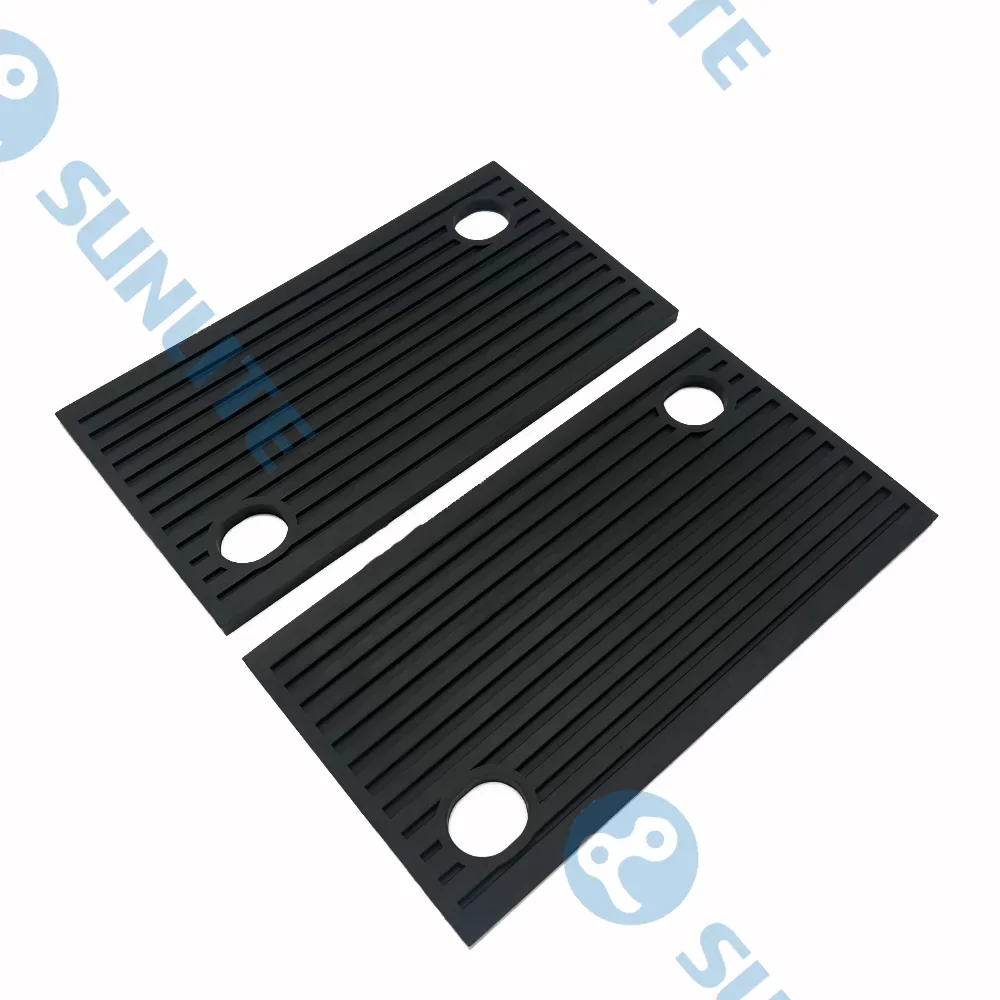
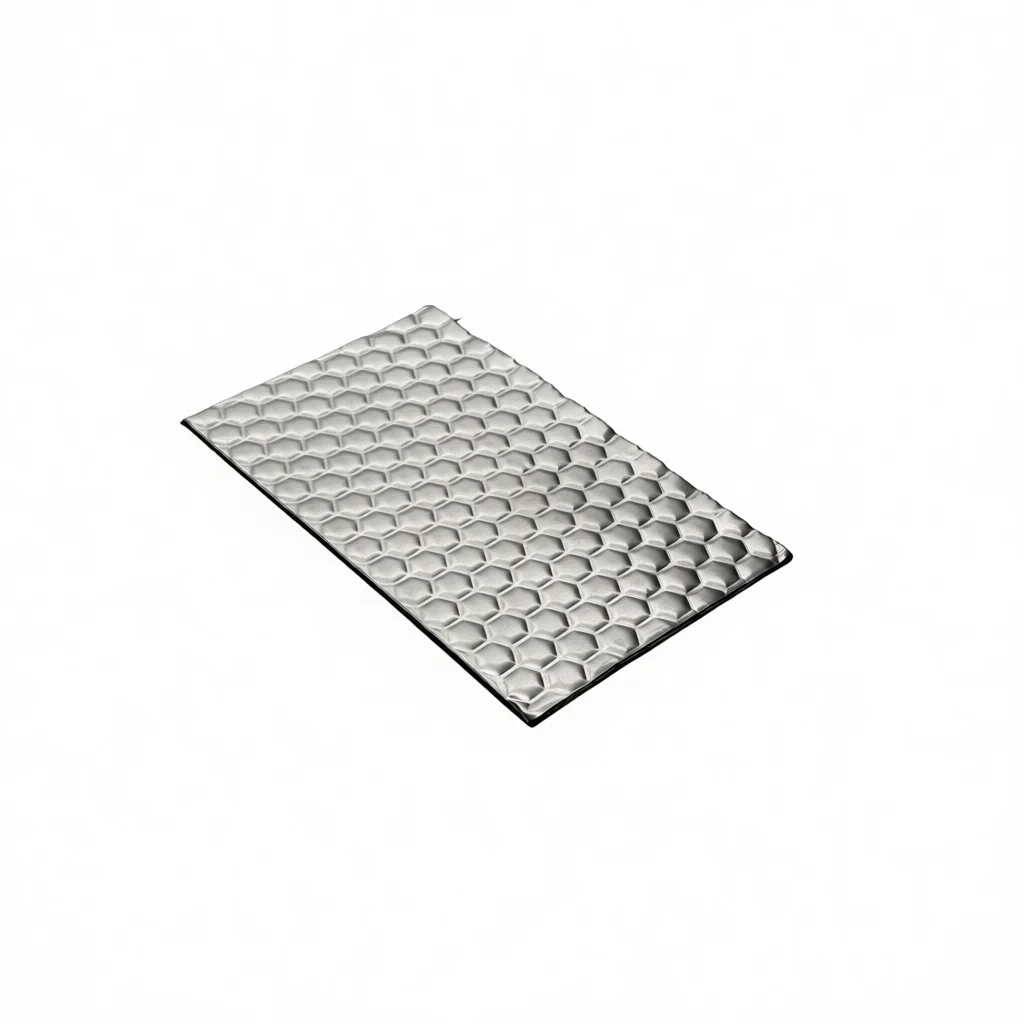
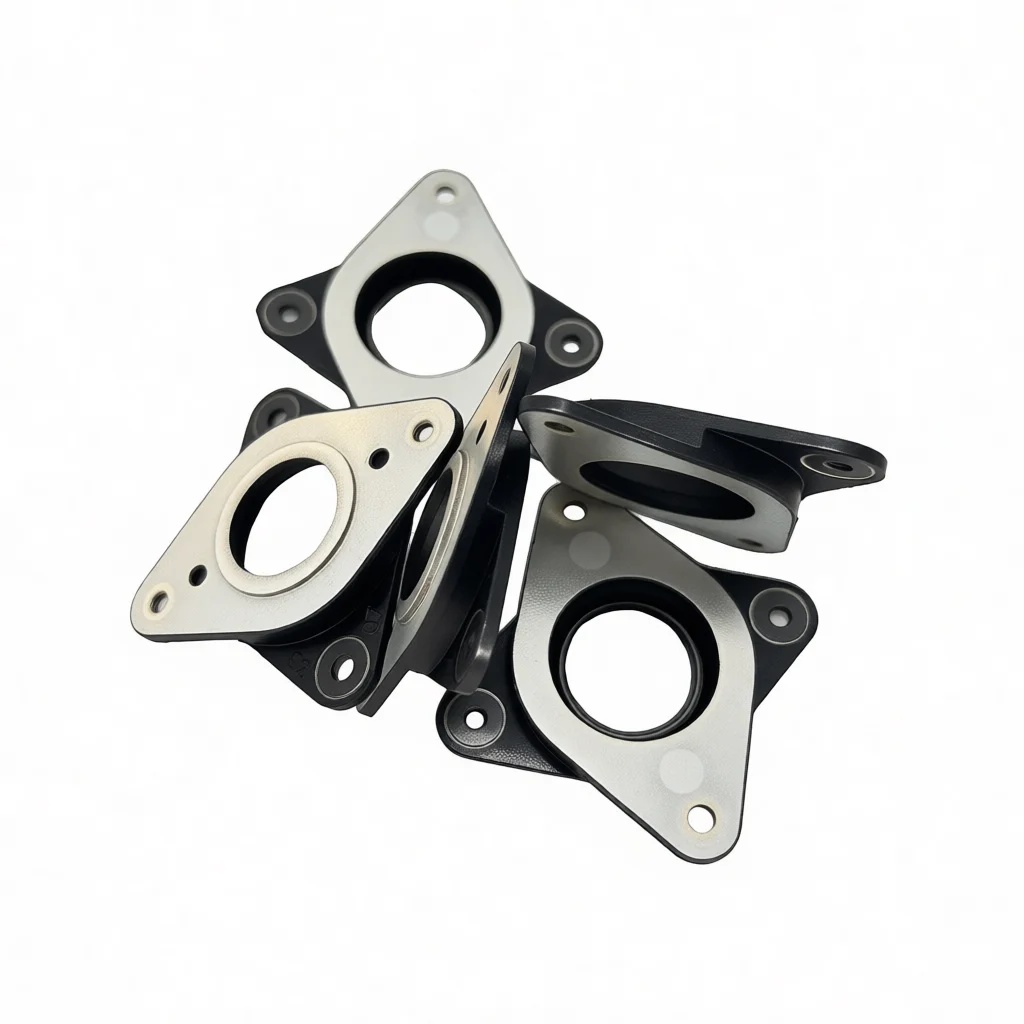
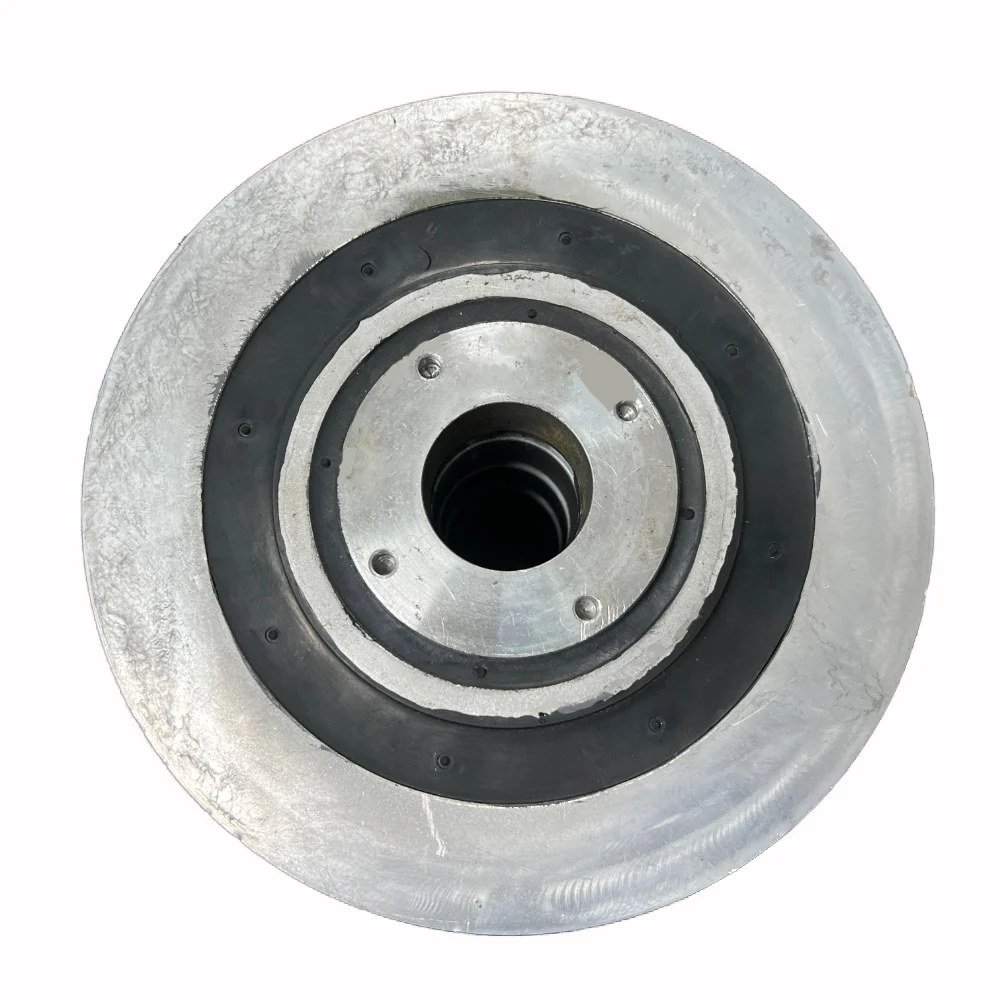
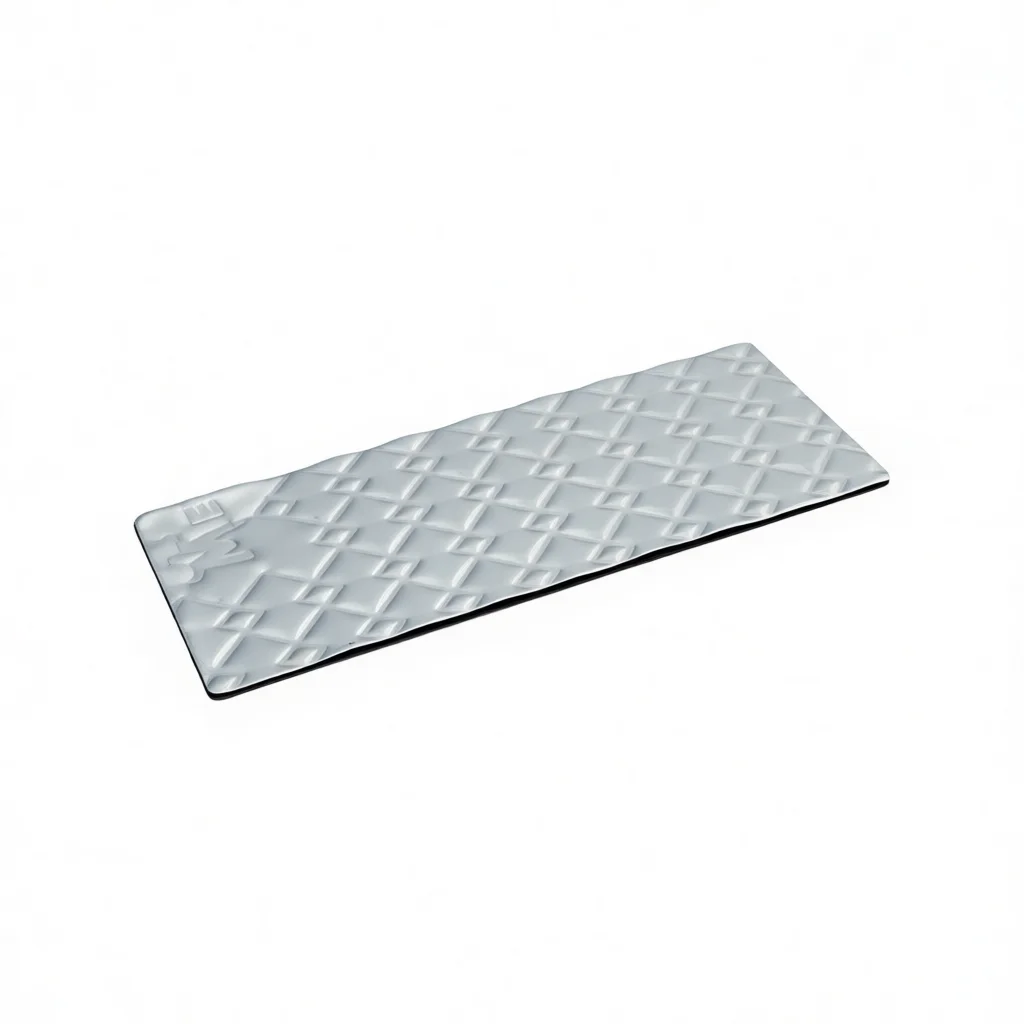
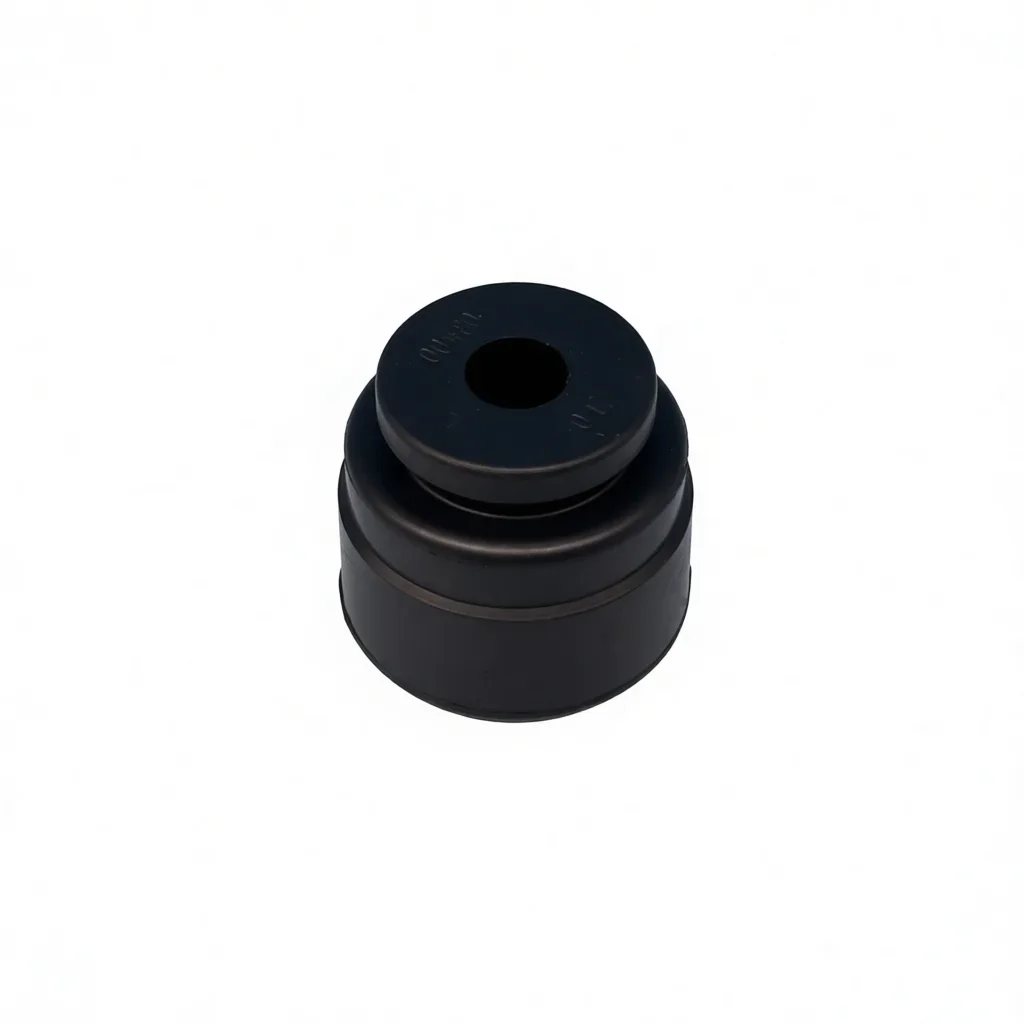
In heavy-duty applications such as air conditioning outdoor units or industrial ventilation systems, the transmission of vibration through the base of the equipment can cause significant noise pollution and structural fatigue. This is where the deployment of vibration damping rubber pads becomes indispensable. These pads are not merely passive cushions; they are high-performance thermal-bonded components that integrate NBR with aluminum alloy structural parts. The synergy between the rigid metal insert and the flexible elastomer creates a "flexible connection" that can handle high torque while isolating the vibration source.
For instance, in a large-scale compressor installation, the impacts generated by the internal reciprocating or rotating parts are immense. Without a dedicated damping interface, these shocks would travel directly into the mounting bracket and the surrounding building structure. By utilizing integrated molding technology, these damping pads provide a consistent and predictable response to both static loads and dynamic shocks. This structural design prevents the risk of system resonance—a phenomenon where the vibration frequency of the machine matches the natural frequency of the structure, often leading to catastrophic mechanical failure.
Enhancing Longevity with High-Performance Rubber Damping Pad Solutions
Durability is the primary metric by which industrial components are judged. A rubber damping pad must do more than just absorb shock; it must survive in environments saturated with industrial lubricants, fuels, and hydraulic oils. NBR-based elastomers are naturally resistant to hydrocarbon-based media, which prevents the material from swelling or cracking over time. This oil resistance is a critical feature for CNC equipment and agricultural machinery where exposure to grease and fuel is a daily occurrence.
Beyond chemical resistance, the fatigue life of these materials is a marvel of modern process control. High-impact elastomers are engineered to endure millions of cycles under high-frequency load conditions without losing their "rebound" or elastic modulus. This fatigue resistance is achieved through the inclusion of specialized bonding layers, such as CR (Chloroprene Rubber), which ensures the interface between the rubber and the metal structural parts remains intact. When the bonding is performed via thermal integrated molding, the resulting part is a single, cohesive unit that eliminates the weak points often found in traditional mechanical fasteners or adhesive-only solutions.
Specialized Roles of the Vibration Absorbing Rubber Interface
The concept of a "silent operation" in precision motors and fan systems relies heavily on the quality of the vibration absorbing rubber interface. High-frequency noise is essentially vibration traveling through the air or solid structures. By converting this kinetic energy into a negligible amount of thermal energy, the elastomer effectively mutes the machine. This is particularly vital for indoor air conditioning units and high-speed fan blades, where dynamic balance is essential.
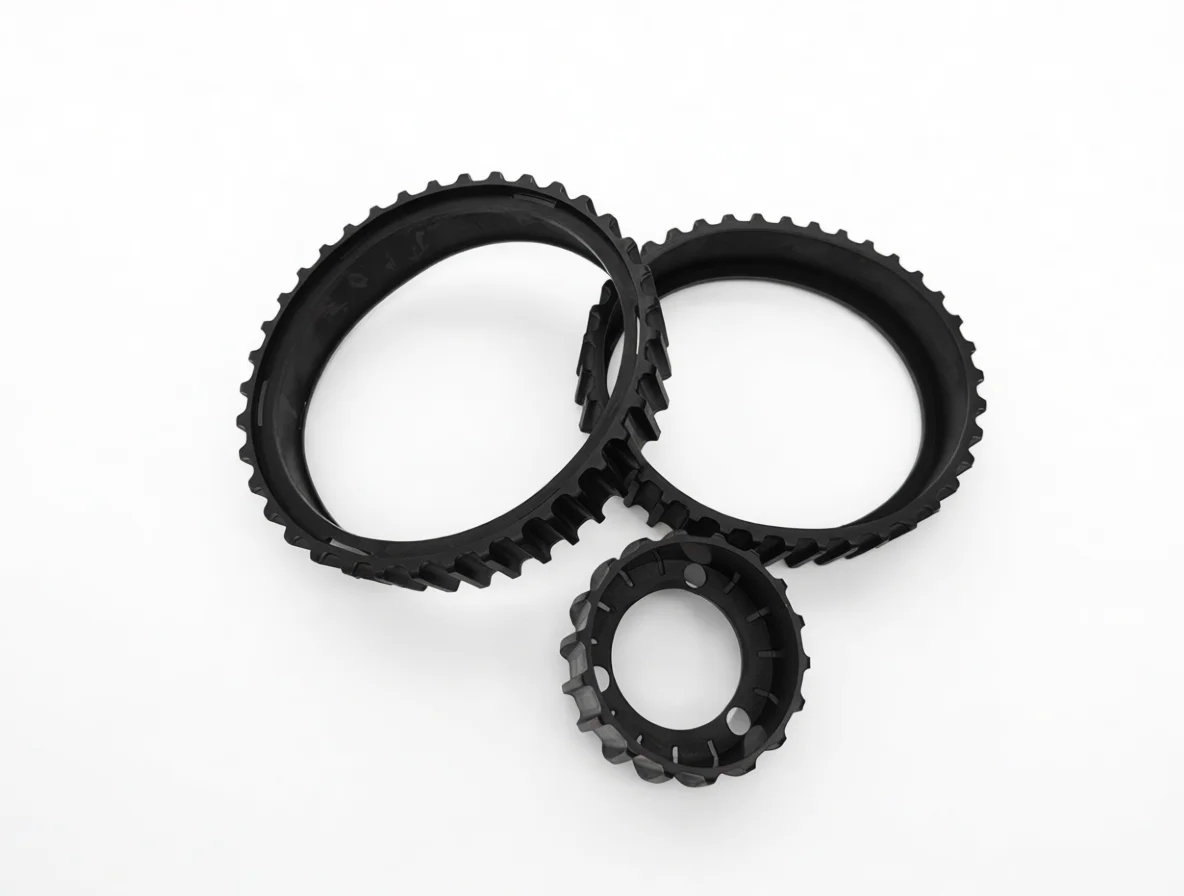
In rotating shaft systems, even a microscopic imbalance can lead to asymmetric wear on bearings and seals. The high elasticity of the NBR coupling allows for slight misalignments to be compensated for automatically. This "self-correcting" nature of high-impact elastomers ensures that the transmission of torque remains smooth and constant, reducing the high-frequency "whine" often associated with precision motors. Furthermore, by meeting global environmental standards like RoHS 2.0 and REACH, these materials ensure that the pursuit of mechanical silence does not come at the cost of ecological health. They are free from harmful substances like PFAS and POPs, making them suitable for global export and use in highly regulated sectors.
The modern industrial landscape is defined by the relentless pursuit of precision and power.