

 Select Language
In the sophisticated world of industrial design and consumer electronics, the humble interface serves as the critical bridge between human intent and machine execution. As technology advances, the components that facilitate this interaction must evolve beyond simple mechanical triggers. Today, the demand for a high quality button encompasses not just tactile feedback, but also environmental resilience, antistatic safety, and long-term mechanical durability. Engineering these interfaces requires a deep understanding of elastomer science, particularly when dealing with high-performance silicone rubber (SR) and specialized antistatic compounds that ensure safety in sensitive environments.
Advanced Manufacturing Excellence at a Specialized Button Factory
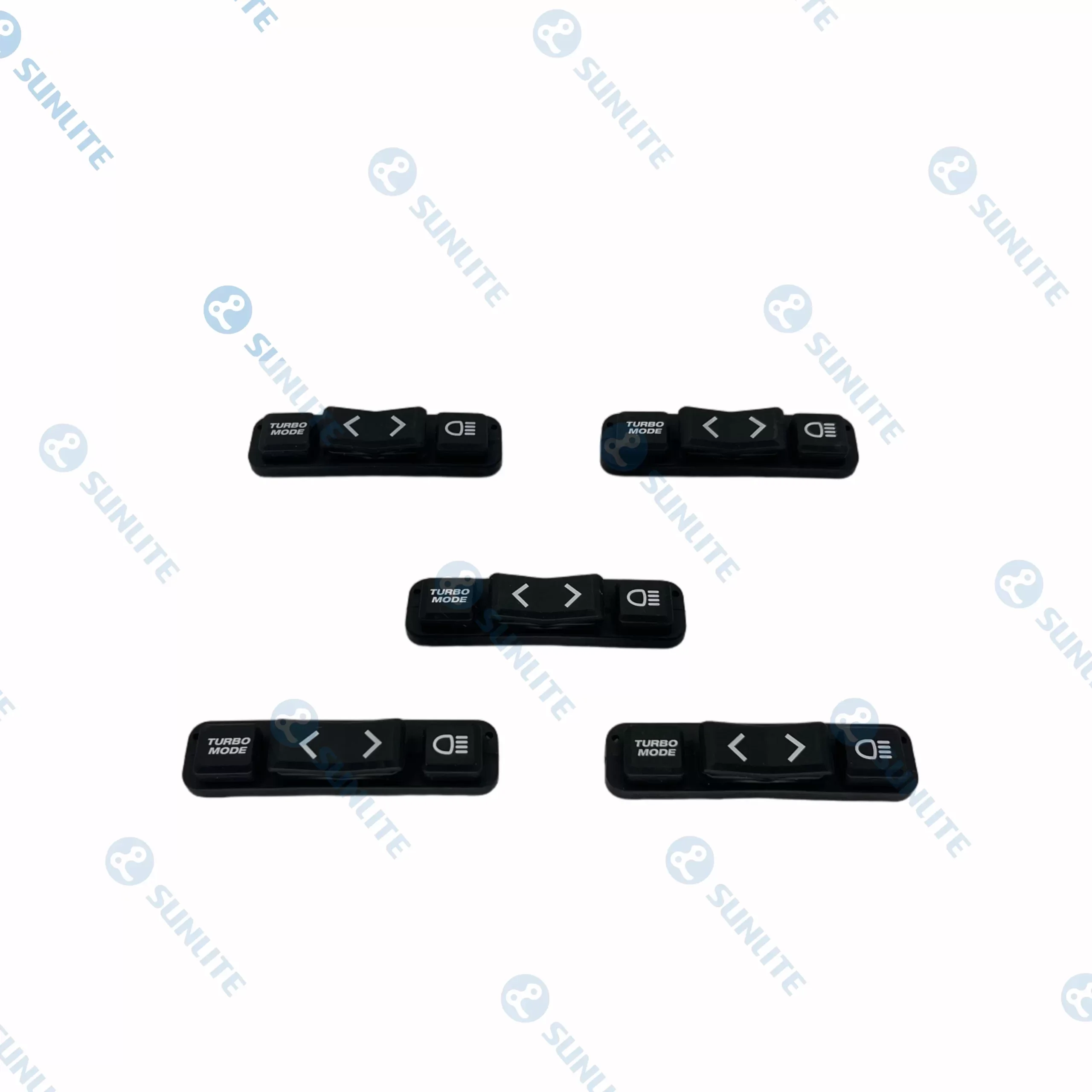
The production of high-performance control interfaces is a complex process that combines chemical engineering with precision molding. Within a modern button factory, the focus remains on creating components that can withstand the rigors of millions of cycles without losing their structural integrity. For silicone keypads, this involves the development of high-rebound elastic arm structures. These structures are designed to support over 500,000 presses, ensuring that every interaction remains crisp and responsive over the entire lifespan of the device.
Beyond the mechanical structure, a leading button factory must also master the art of surface treatment and visual communication. Utilizing advanced silk-screen printing technology, manufacturers can apply intricate patterns and icons that meet strict cross-cut test standards. This ensures that the markings remain clear and resistant to solvents, preventing the peeling or blurring that often plagues lower-quality components. By integrating partial light transmission and light-blocking areas on the same plane, these facilities produce interfaces that offer superior backlighting clarity, a feature essential for equipment operated in low-light conditions.
Strategic Advantages for the Global Button Exporter
As the global market for specialized electronics continues to expand, the role of a dedicated button exporter becomes increasingly strategic. International clients, ranging from automotive manufacturers to medical device developers, require components that meet a diverse array of regulatory and functional standards. A professional exporter must ensure that every button product adheres to global environmental regulations, including RoHS 2.0, REACH, and PFAS. This commitment to compliance is not just about legality; it is a hallmark of quality that allows these components to be integrated into high-end systems worldwide.
The ability to operate as an efficient button exporter also relies on a robust supply chain that can deliver both standardized and specialized parts. Whether it is a simple start/stop trigger or a complex mode-switching interface, the logistical capability to provide high-performance silicone keypads across borders is vital. These products are favored for their excellent high and low temperature resistance and chemical stability, making them suitable for long-term stable use in complex environments, from industrial control panels to specialized operation terminals in the rail transit and automotive sectors.
Enhancing Safety with Antistatic Elastomer Materials
One of the most significant advancements in interface technology is the development of antistatic elastomer materials. In environments where static electricity is easily generated—such as in chemical processing or electronic assembly—the risk of a spark causing a safety accident is a constant concern. By loading conductive fibers, particles, or organic compounds into ordinary elastomers, a specialized button manufacturer can produce materials with a surface resistance below 10^6 Ω. This preparation technology realizes the precise regulation of resistance while maintaining the basic elasticity of the material.
The use of these antistatic elastomers in a button product adds a vital layer of protection. These components do not merely act as seals or vibration dampers; they actively eliminate static electricity to prevent safety hazards. This dual-functionality—providing sensitive control while ensuring operational safety—is what distinguishes advanced elastomer components from traditional rubber parts. Through continuous research and process control, manufacturers have reached an advanced level where these antistatic functions do not compromise the "high-rebound" nature of the silicone, ensuring that safety and performance go hand in hand.
Bespoke Engineering and the Value of a Custom Button
In many industrial applications, off-the-shelf solutions are insufficient to meet the specific ergonomic or functional requirements of a new device. This is where the demand for a custom button becomes paramount. Customization allows designers to dictate every aspect of the component, from the precise force required for activation to the specific light-blocking geometry of the keypad. Supporting customization based on drawings and samples enables manufacturers to create interfaces that perfectly match the control panel of a specialized piece of machinery or a high-end consumer product.
Developing a custom button involves a collaborative design phase where the specific application scenario is analyzed. For instance, a safety lock button requires a different tactile profile and higher resistance to accidental activation compared to a power display indicator. By adjusting the molecular design of the silicone and the structural thickness of the elastic arms, a button supplier can fine-tune the "click" sensation to the user's preference. This level of bespoke service ensures that the final interface is not only functional but also enhances the overall user experience and aesthetic of the equipment.
Versatility and Durability in Every Button Product
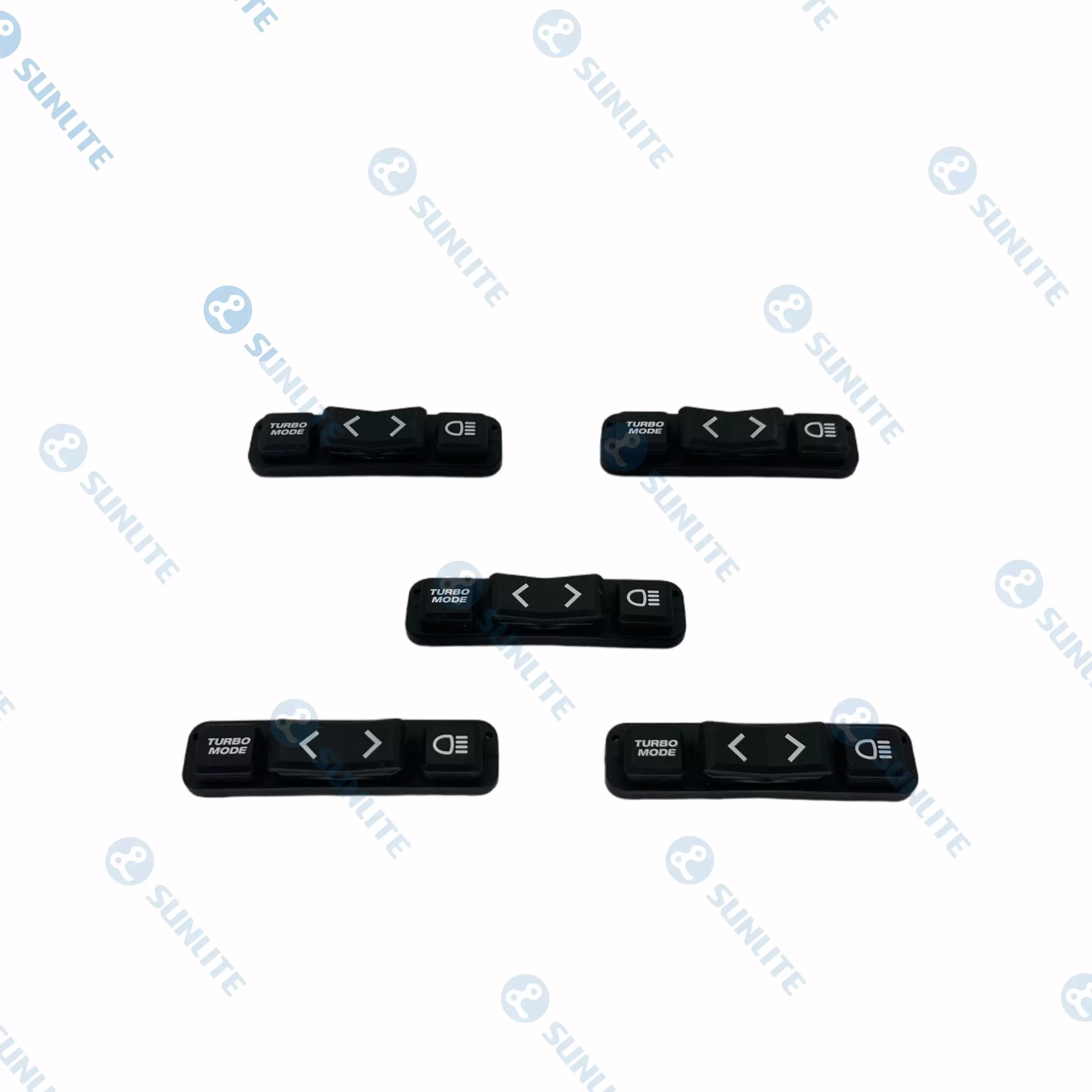
The versatility of modern silicone keypads is reflected in their wide range of application scenarios. A single button product line might support speed control knobs, mode switches, and function indicators across various industries. The inherent properties of high-performance silicone—such as its flame-retardant, dust-proof, and anti-fouling nature—make these components ideal for use in demanding fields like rail transit, special cabling, and even underwater robotics. The material's ability to remain stable under cyclic loading is the foundation of its reliability.
Furthermore, the sensitive control offered by these components is enhanced by their material-specific functionalities. The precision of the light transmission ensures that function indicators are easily visible, while the high-resilience structure provides the feedback necessary for operators wearing gloves or working in high-vibration environments. As a professional button manufacturer, the focus is always on the long-term performance of the component. By ensuring that the silk-screen printing is non-peeling and the electrical insulation remains intact, these products serve as the reliable "face" of complex machines for years of continuous operation.
In the sophisticated world of industrial design and consumer electronics, the humble interface serves as the critical bridge between human intent and machine execution.