Select Language


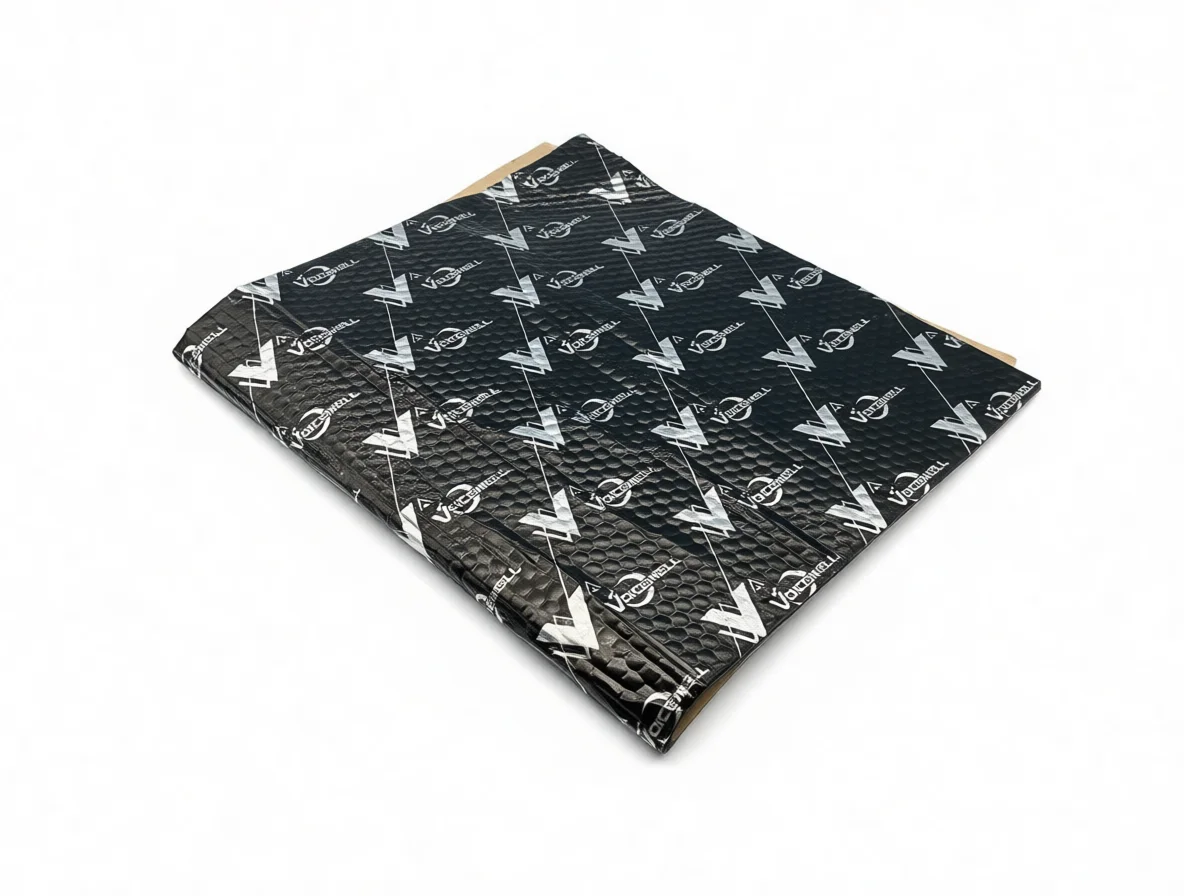
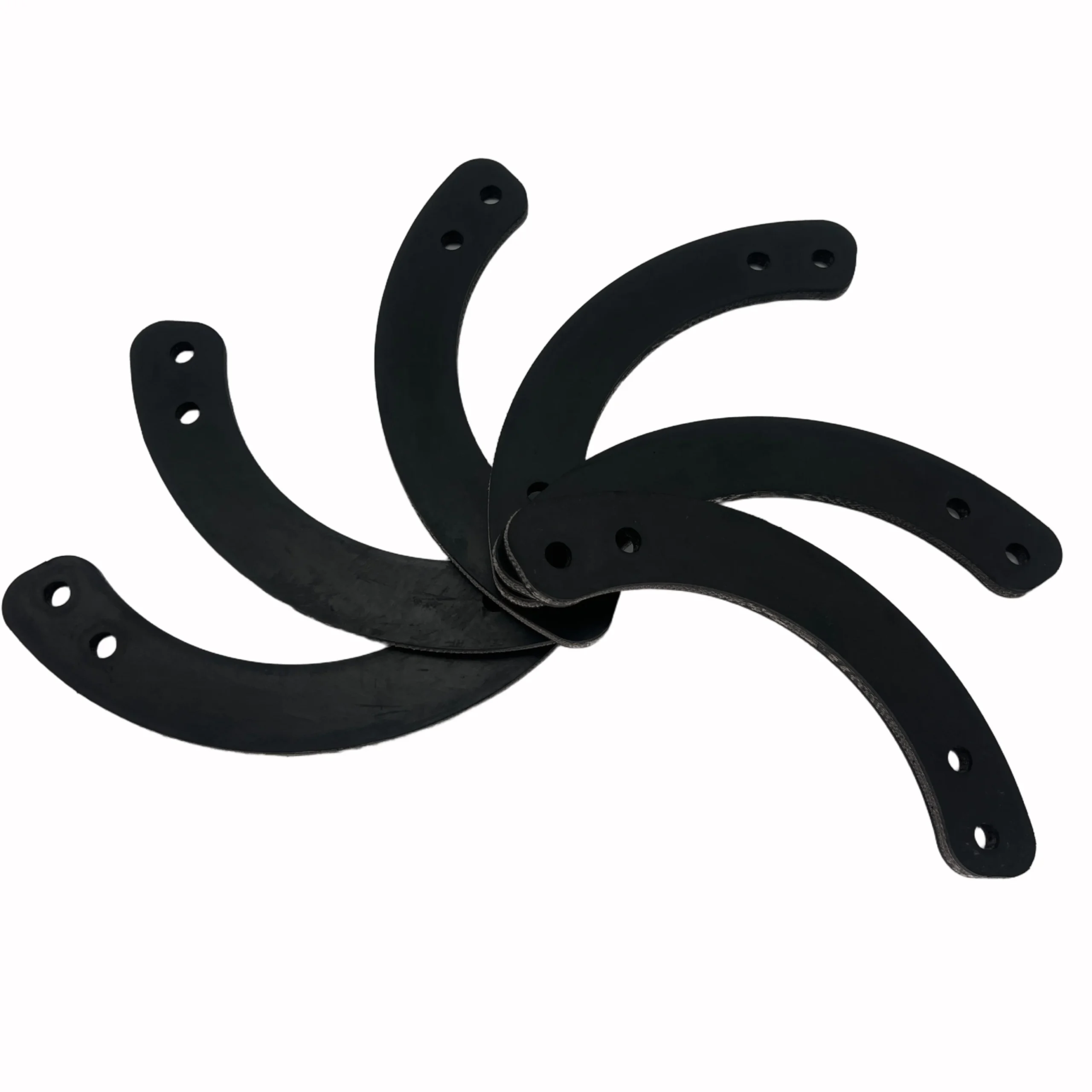
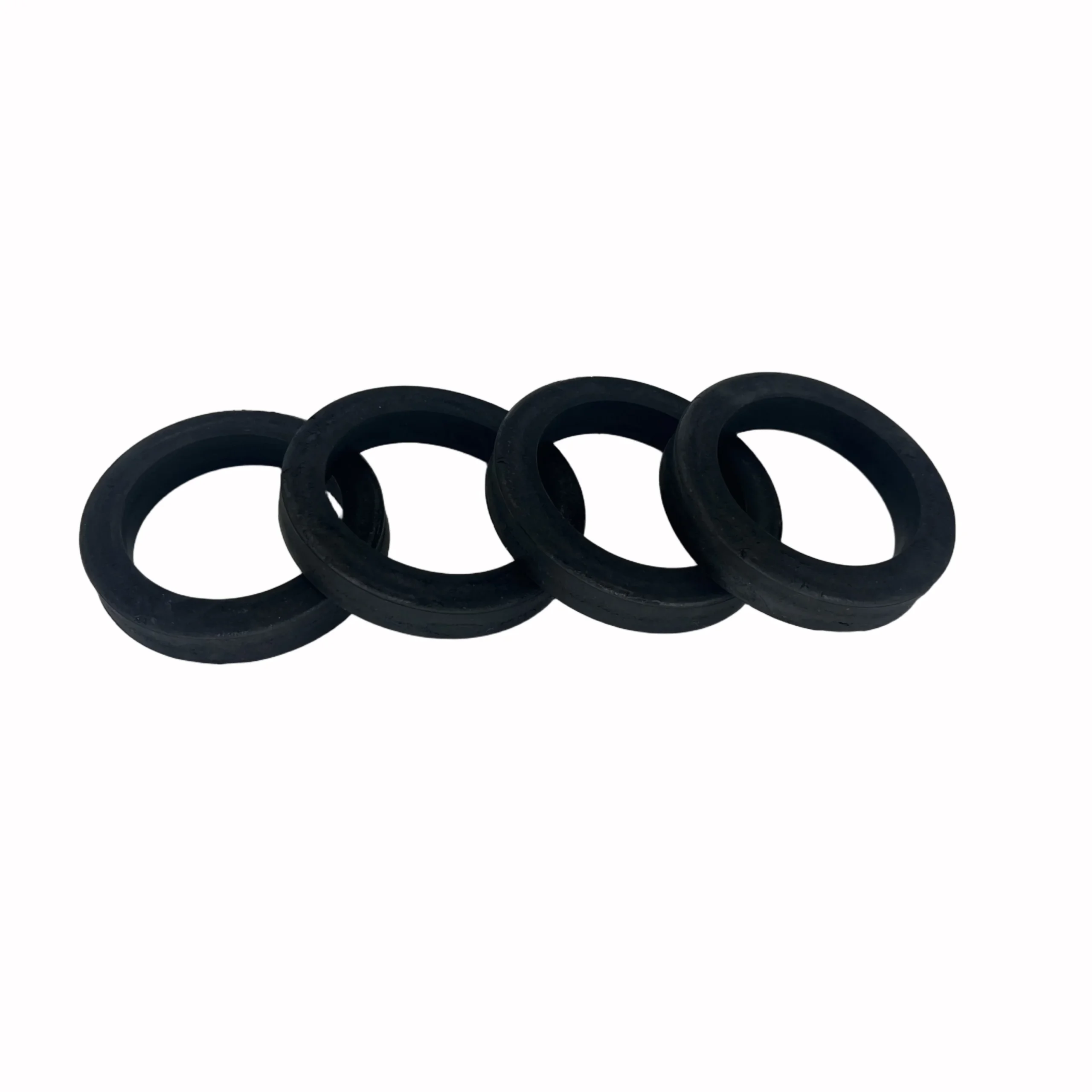
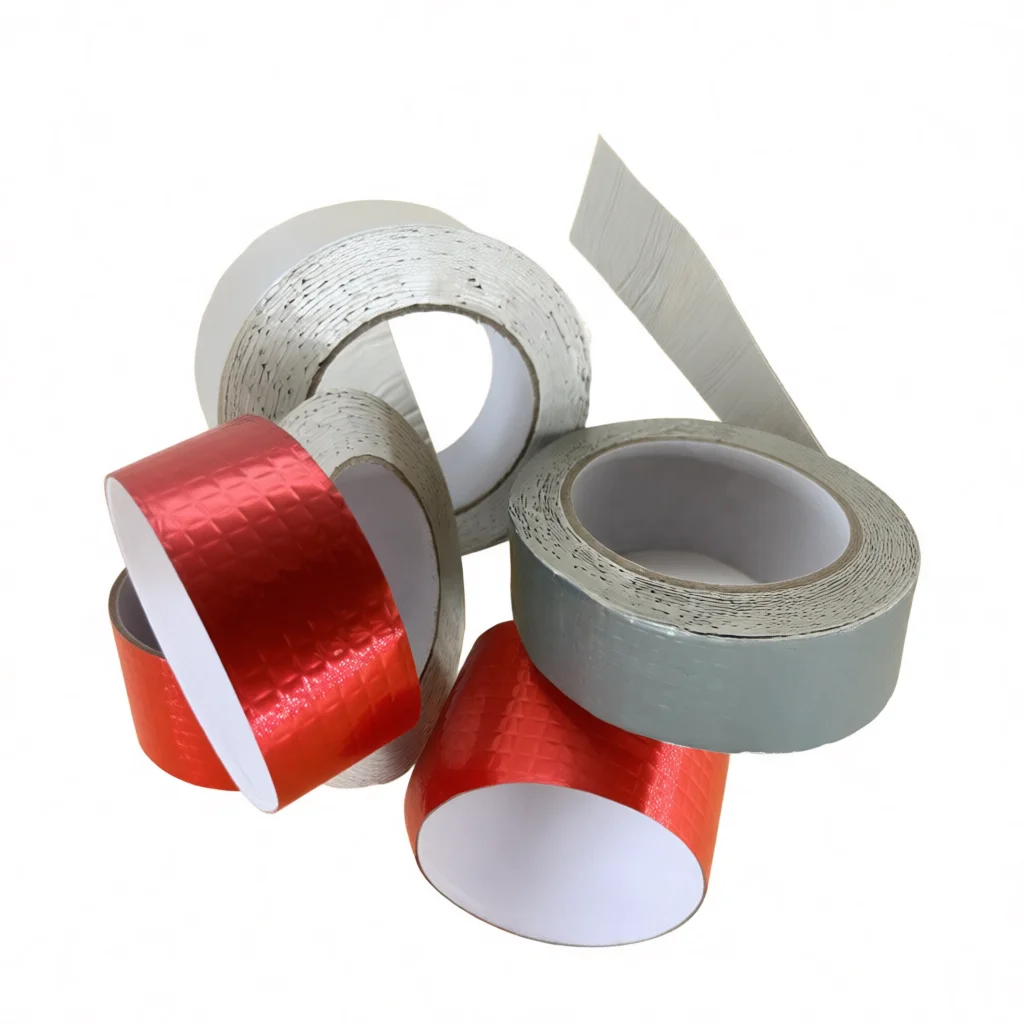
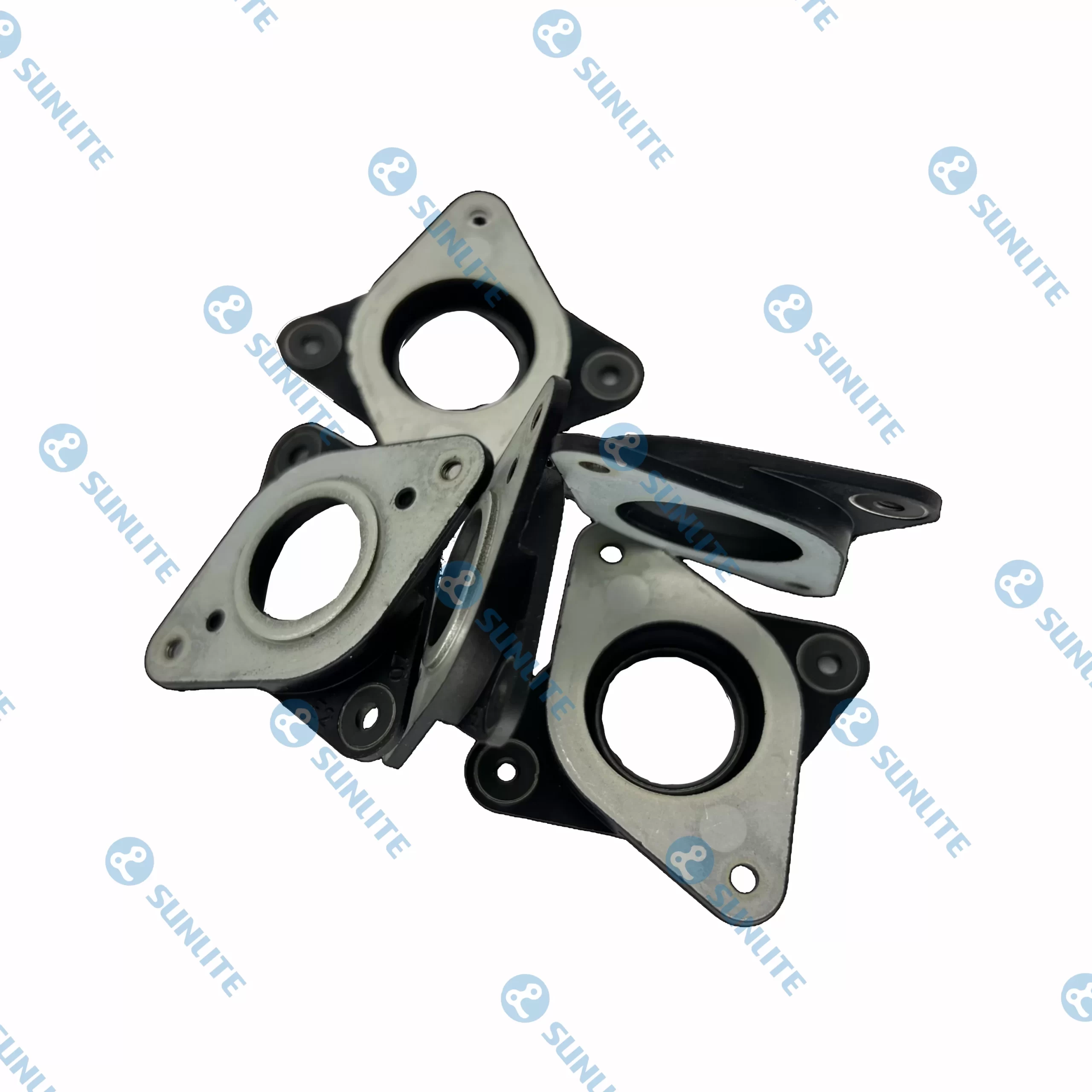
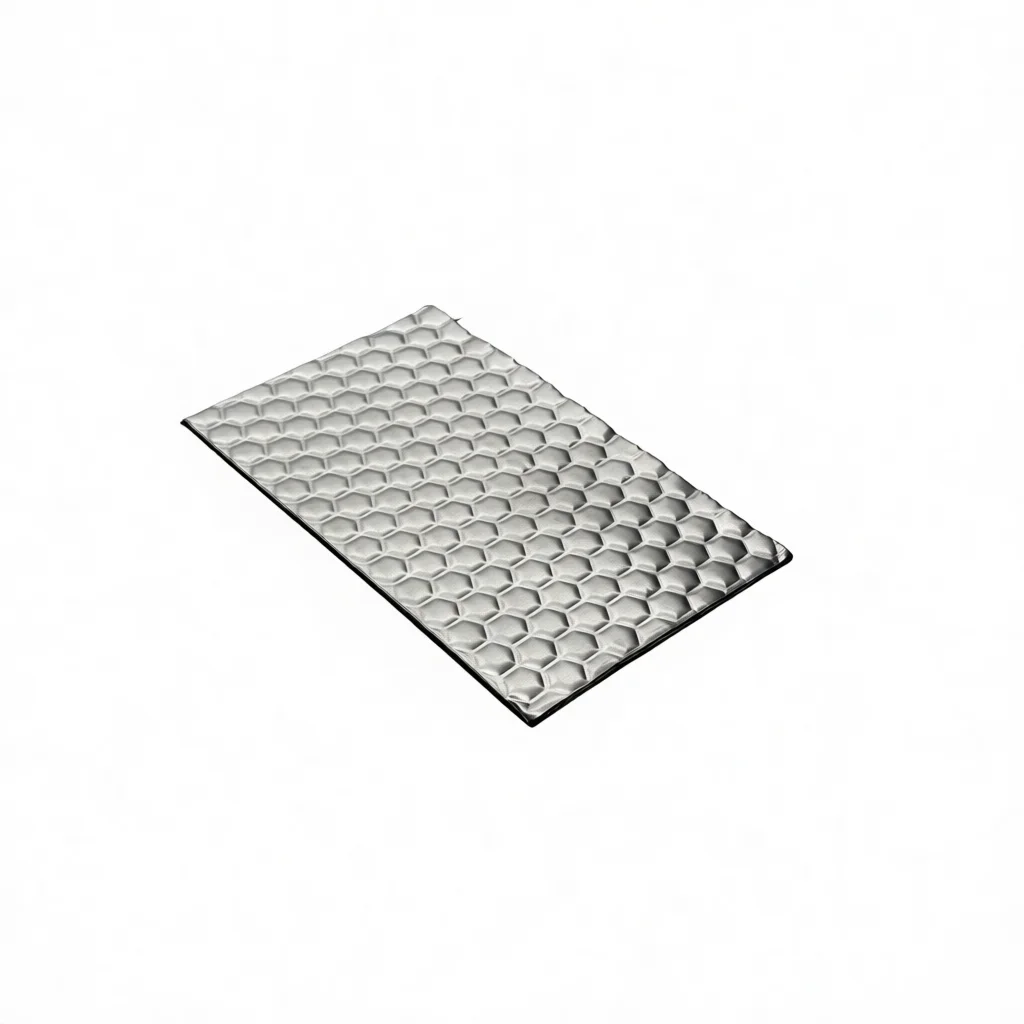
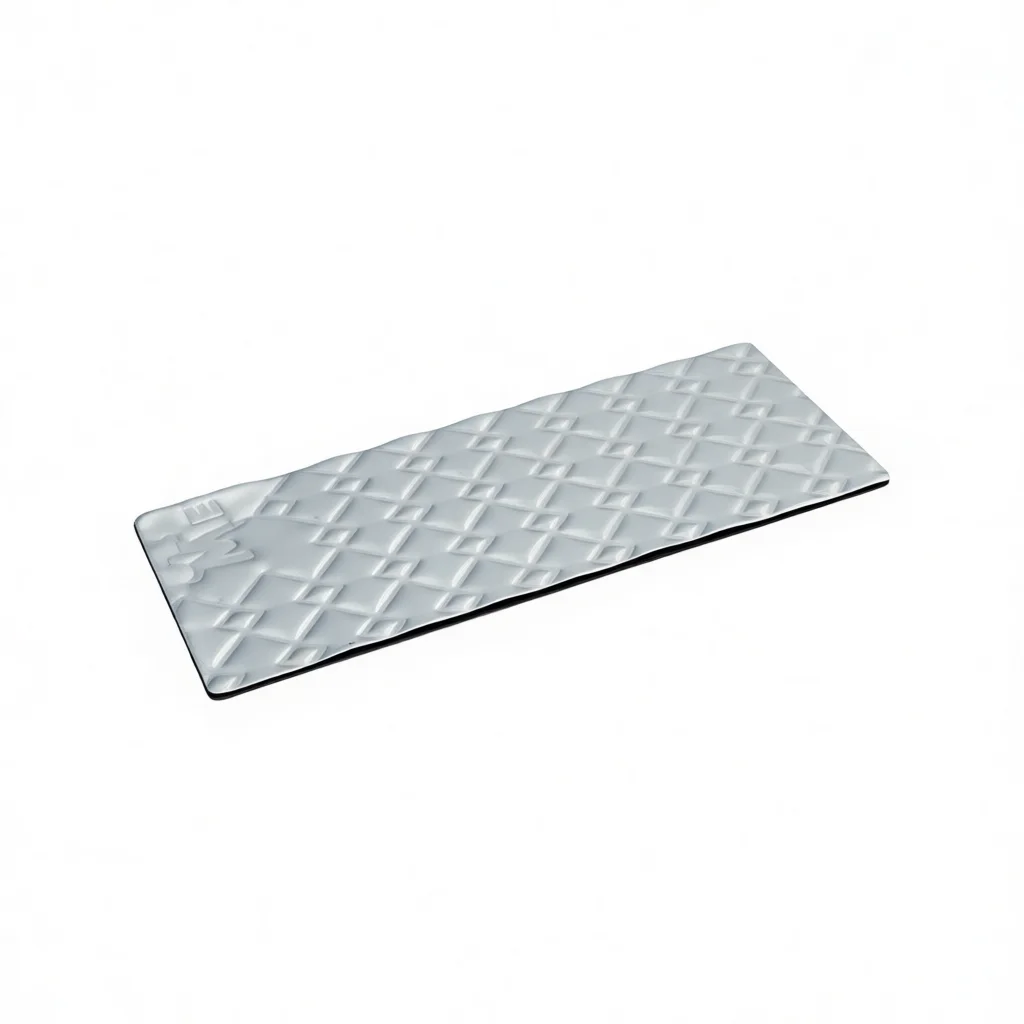
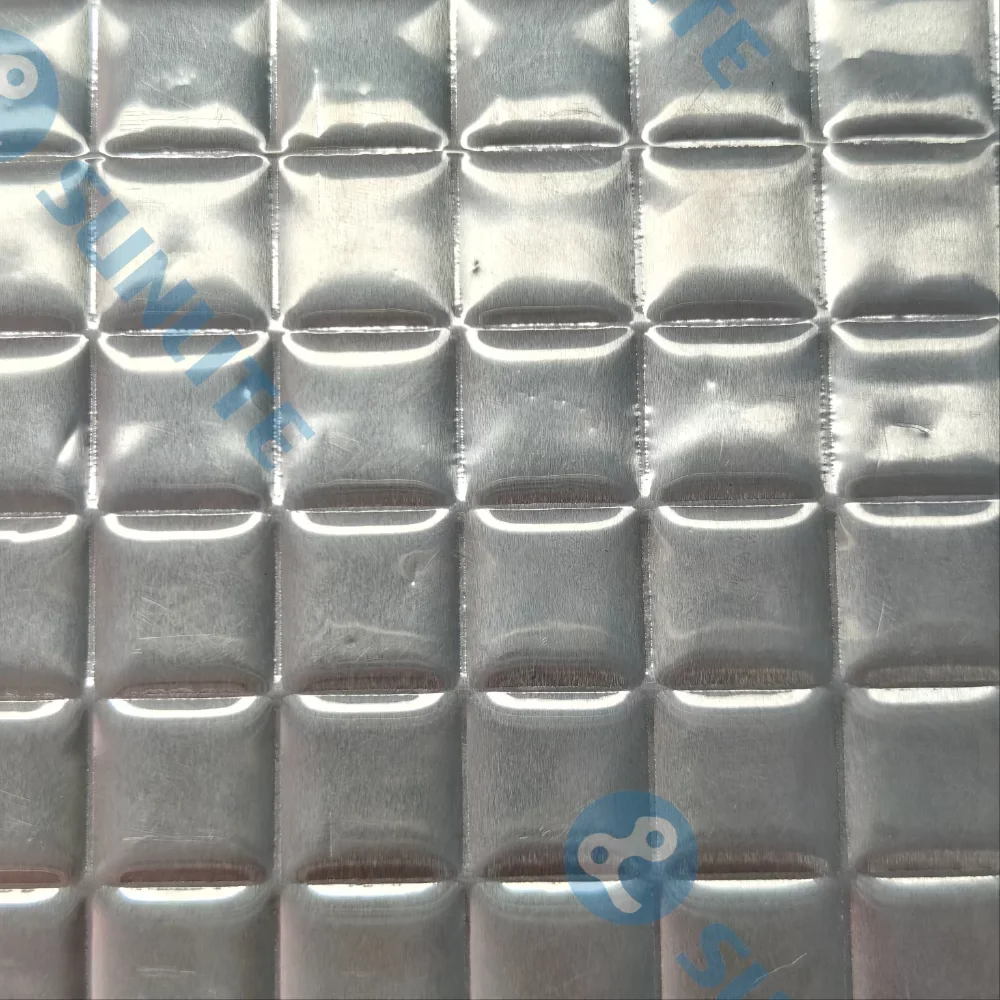
The Vibration Damping Plate is a high-performance industrial solution engineered to minimize mechanical vibrations, suppress resonance, and protect sensitive equipment across automotive, electronics, and heavy machinery applications. Utilizing a sophisticated composite structure of butyl rubber and aluminum foil, these plates convert kinetic vibrational energy into heat, effectively isolating critical components from structural fatigue and operational noise.
Designed for versatility and extreme durability, our damping plates are ideal for everything from automotive NVH (Noise, Vibration, and Harshness) optimization to precision CNC machinery and robotics. With a focus on environmental resilience and ease of installation, they provide a seamless way to enhance equipment lifespan, improve operational precision, and ensure compliance with global safety standards like REACH and RoHS.
| Composite Loss Factor | ≥0.15 (High Damping Efficiency) | Applicable Temperature | -40℃ to 80℃ |
|---|---|---|---|
| Installation Temperature | 10℃ to 40℃ (Optimal) | Core Material | High-Grade Butyl Rubber |
| Surface Layer | Premium Aluminum Foil | Adhesion Method | Pressure-Sensitive Adhesive |
| Environmental Compliance | REACH / RoHS (Customizable) | Structural Design | Multi-layer Viscoelastic Composite |
| Physical Properties | Non-toxic, Odorless, Anti-aging | Application Type | Self-adhesive / Peel-and-Paste |
High-performance butyl rubber dissipates vibration energy, effectively inhibiting metal sheet resonance and mechanical stress.
Resistant to UV exposure, moisture, and industrial chemicals, preventing hardening or oil seepage over time.
Significantly lowers road noise, wind noise, and engine hum when integrated into automotive and industrial systems.
Flexible design allows seamless adaptation to complex curved surfaces without edge warping or hollowing.
Equipped with professional-grade release paper for instant peel-and-paste application and personalized cutting.
Manufactured from non-toxic, odorless materials that meet strict automotive interior environmental requirements.


Optimizing door panels, chassis, and trunks to maximize cabin quietness and ride comfort.
Reducing structural resonance in CNC machinery and robotics for higher precision and lower wear.
Safeguarding electronic boards and battery packs from high-frequency vibrations and fatigue.
Integrating damping layers into battery housings to ensure structural integrity and safety.
Minimizing operational noise and vibration in high-end household and commercial appliances.
Implementing vibration isolation in rail transit and specialty cable housing components.
| Comparison Metric | Standard Foam Padding | Vibration Damping Plate |
|---|---|---|
| Vibration Suppression | Low (Only Absorbs Air Sound) | High (Stops Sheet Resonance) |
| Equipment Lifespan | Standard Wear Rate | Extended (Reduced Fatigue) |
| Installation Time | High (Requires Fasteners) | Low (Peel-and-Paste) |
| Thermal Stability | Degrades Quickly | Stable (-40℃ to 80℃) |
| Maintenance Cost | Frequent Replacement | Long-term Reliability |
Sound insulation blocks airborne noise, whereas vibration damping (like our plates) stops the physical vibration of surfaces (resonance), preventing the surface from acting like a speaker.
Yes, our plates are engineered to maintain stable performance in a wide temperature range from -40℃ to 80℃, making them suitable for engine bays and outdoor industrial equipment.
No special tools are required. The plates feature a high-strength self-adhesive backing; you simply peel off the release paper and press it firmly onto a clean surface.
Absolutely. Our products are non-toxic, odorless, and can be customized to comply with REACH and RoHS standards to ensure a healthy interior environment.
The aluminum foil provides structural rigidity, helps distribute the mass evenly across the surface, and offers heat reflection properties to protect the butyl rubber core.
The most significant results are seen in inner door panels, wheel arches, floor panels, and the trunk, where thin metal sheets are prone to vibration.