Select Language


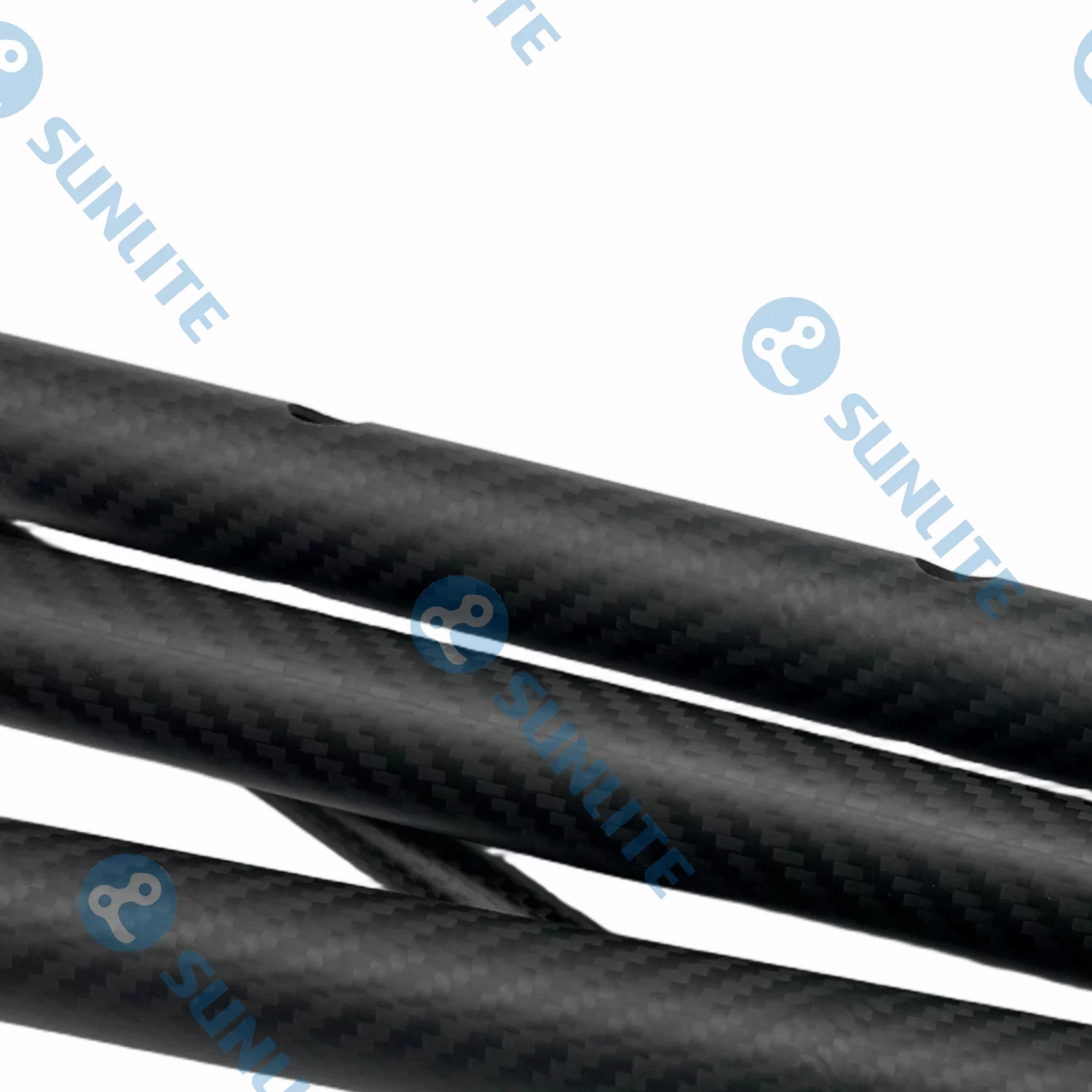
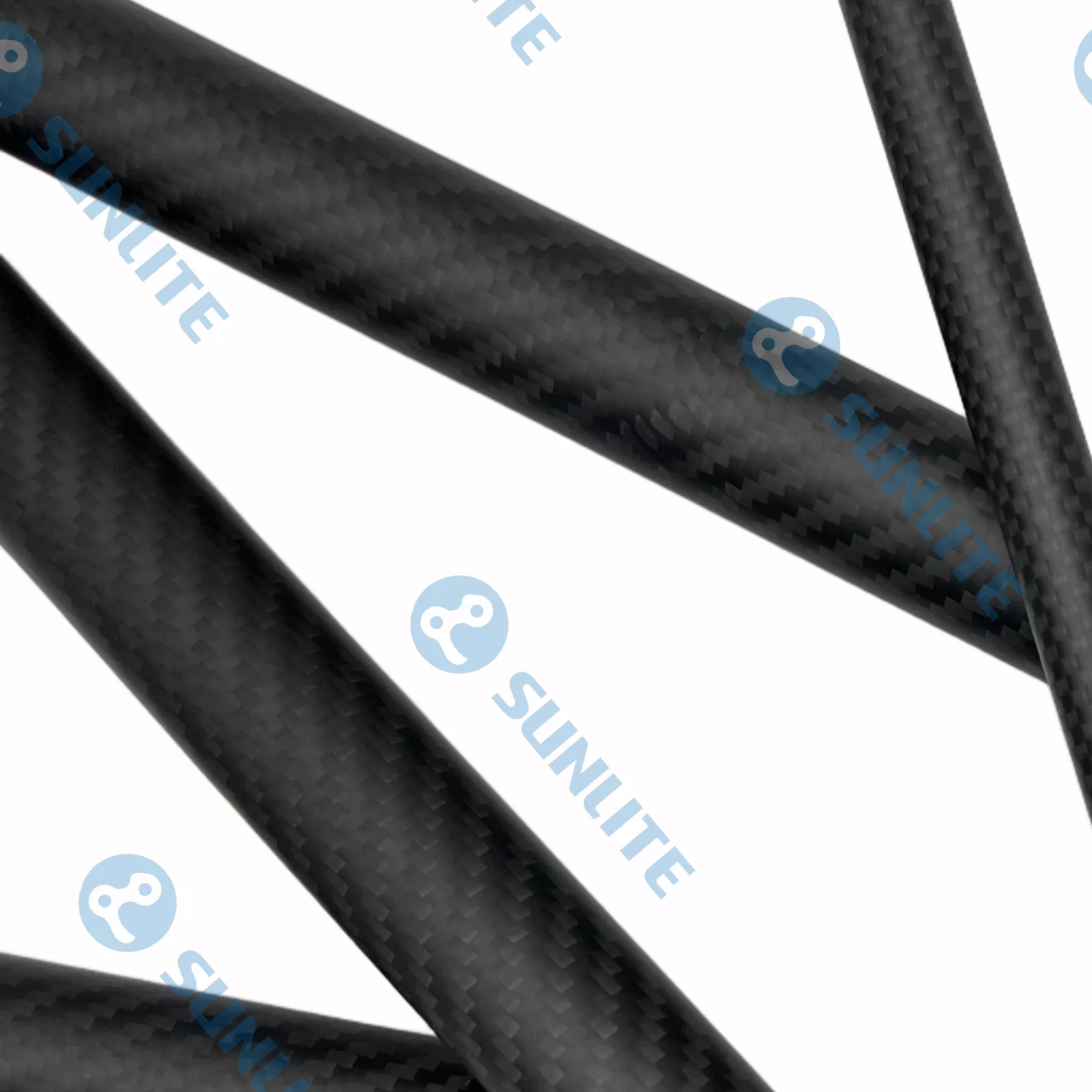
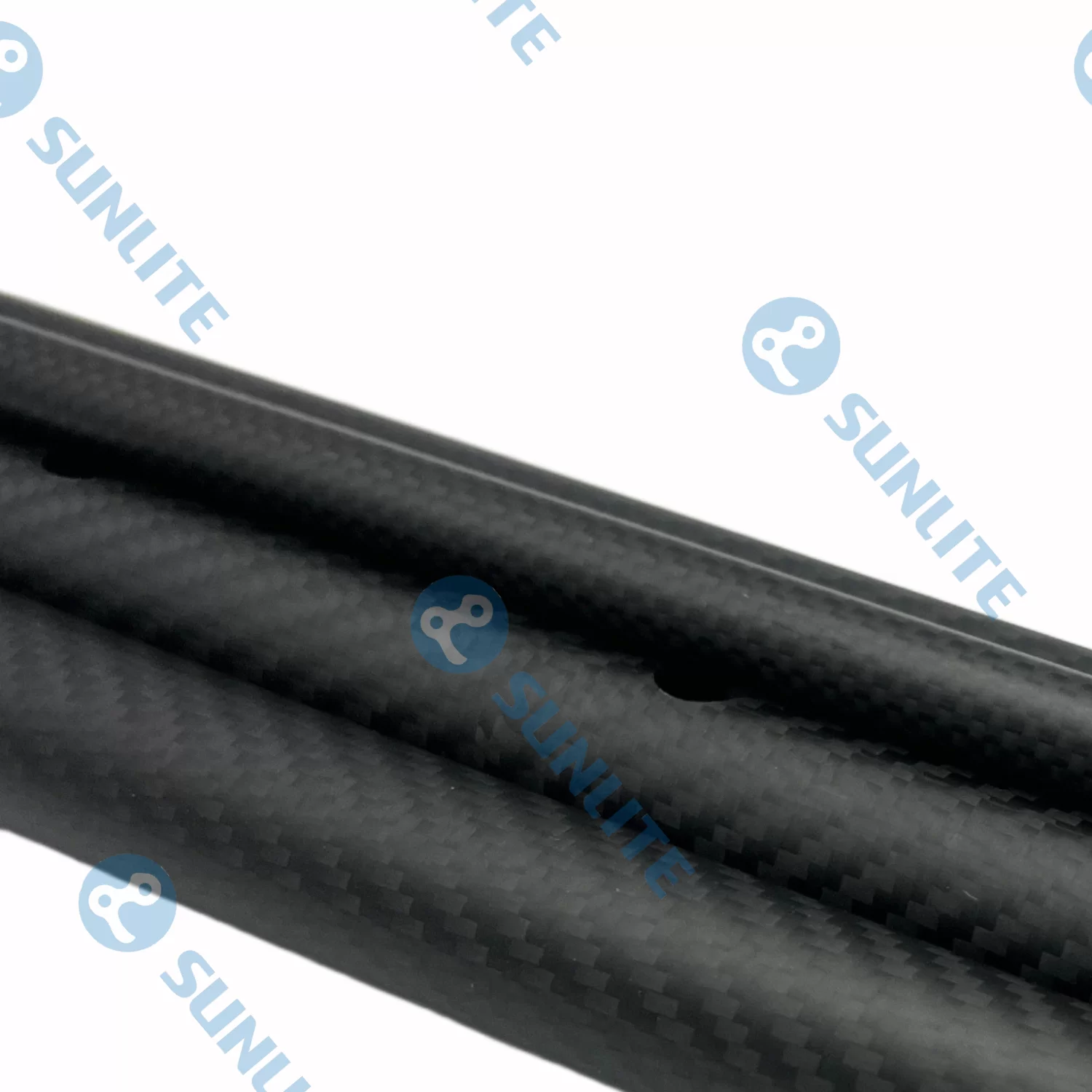
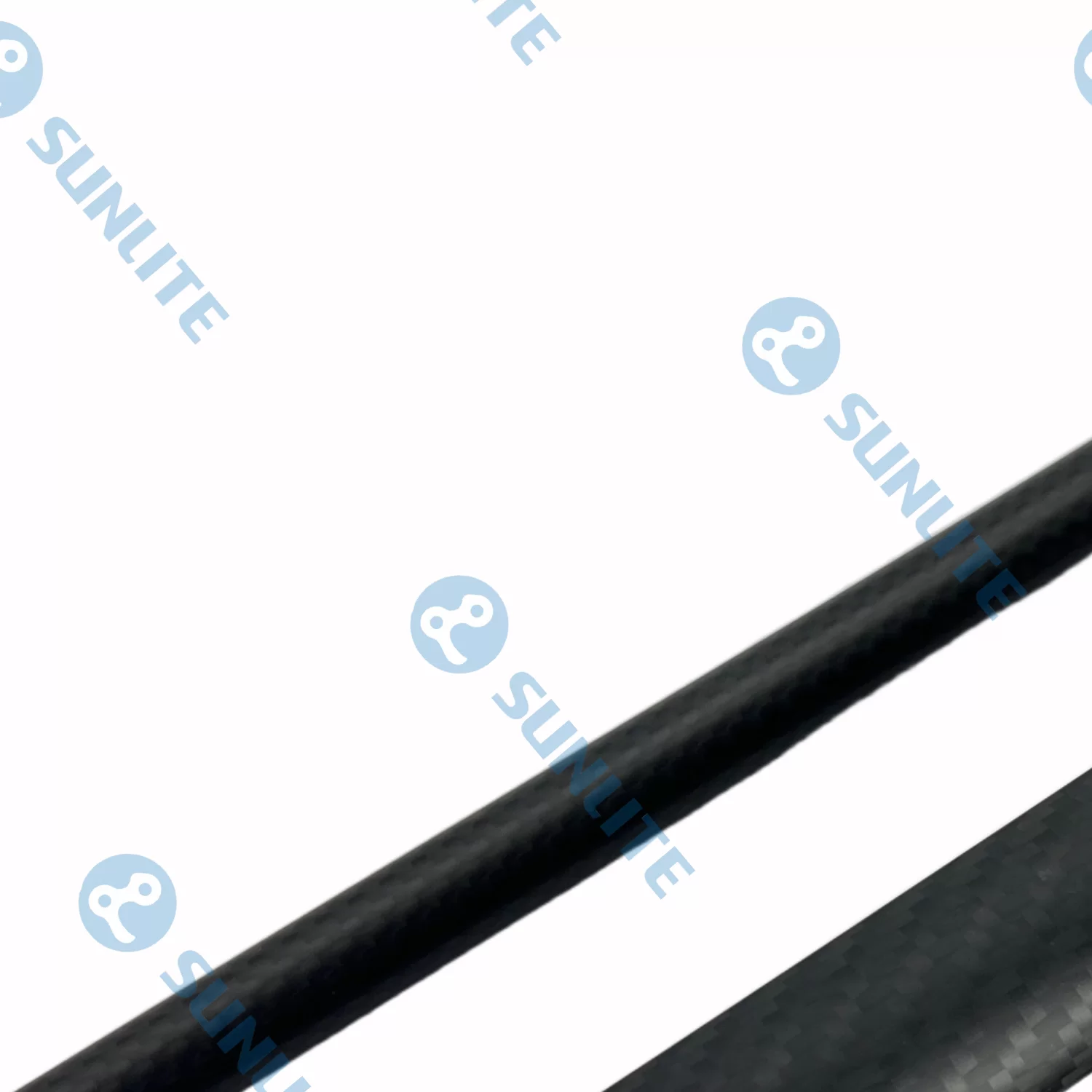
Our High-Strength Carbon Fiber Tubes are premium composite structural solutions engineered for industries requiring an exceptional strength-to-weight ratio, high rigidity, and long-term durability. Utilizing advanced manufacturing processes such as filament winding, pultrusion, and compression molding, these tubes provide superior mechanical performance compared to traditional aluminum or steel, making them indispensable for aerospace, UAVs, robotics, and high-end industrial machinery.
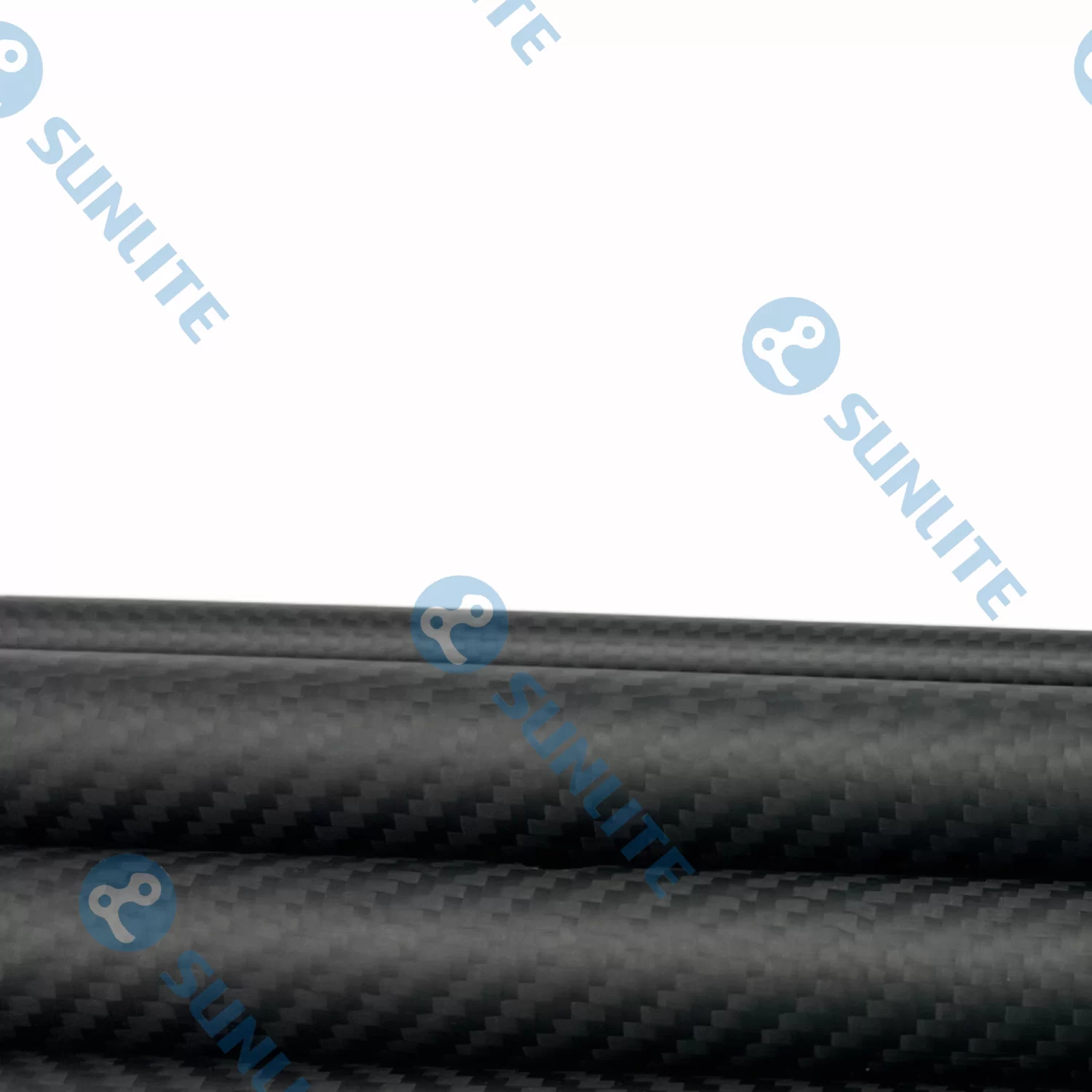
Designed to thrive in demanding environments, these tubes offer unmatched resistance to corrosion, fatigue, and thermal expansion. Whether utilized as UAV arms, robotic joints, or precision guiding conduits, our carbon fiber tubes ensure maximum stability and operational efficiency. With customizable fiber orientation and a sleek 3K woven finish, we deliver a perfect balance of high-performance engineering and professional aesthetics tailored to your specific technical requirements.
| Carbon Fiber Tensile Strength | 3000~7000 MPa | Carbon Fiber Elastic Modulus | 230~600 GPa |
|---|---|---|---|
| Carbon Fiber Density | 1.5~1.8 g/cm³ | Glass Fiber Tensile Strength | 1000~3000 MPa |
| Glass Fiber Elastic Modulus | 70~85 GPa | Glass Fiber Density | 1.8~2.0 g/cm³ |
| Manufacturing Processes | Filament Winding, Pultrusion, Compression Molding | Environmental Compliance | RoHS 2.0, REACH, PAHs, POPs, TSCA, PFAS |
| Surface Finishes | Matte, Glossy, Twill, Unidirectional, 3K Woven | Durability Standards | Salt Spray, Acid/Alkali Corrosion Resistant |
Delivers an unrivaled strength-to-weight ratio, significantly reducing overall weight while enhancing structural rigidity.
Exceptional resistance to cyclic loading and bending, ensuring long-term stability under dynamic mechanical stress.
Immune to rust and chemical degradation, performing reliably in marine, high-humidity, and harsh industrial settings.
Inherent damping properties reduce vibration transmission, protecting sensitive sensors and extending component life.
Extremely low coefficient of thermal expansion, maintaining precise dimensions across extreme temperature fluctuations.
Tailored diameters, thicknesses, and layup angles (0°/90°, ±45°) to meet specific torsional or compressive needs.
Optimized for tool handle support and battery pack frames to maximize rigidity.
High-precision drone arms and frames for enhanced battery endurance and flight control.
Lightweight robotic joints and arms ensuring smooth motion and precise positioning.
Extension rods for high-altitude operations, reducing operator fatigue and increasing reach.
Stable positioning conduits for medical devices and high-accuracy automation equipment.
Rigorous testing for salt spray and fatigue to ensure compliance with global standards.
| Feature | Traditional Metal (Steel/Al) | Carbon Fiber Tube |
|---|---|---|
| Weight Efficiency | Heavy / Moderate | Ultra-Lightweight |
| Strength-to-Weight | Standard | Exceptional |
| Corrosion Resistance | Prone to Rust/Oxidation | Naturally Inert |
| Fatigue Life | Limited by Cyclic Stress | High Cycle Durability |
| Dimensional Stability | Expands with Heat | Low Thermal Expansion |
Carbon fiber tubes offer a significantly higher strength-to-weight ratio, superior fatigue resistance, and total immunity to corrosion, whereas aluminum is heavier for the same strength and can oxidize over time.
Yes, we can customize fiber orientation (e.g., 0°, 90°, or ±45° layups) to optimize the tube for specific needs such as torsional rigidity, crush resistance, or flexural strength.
Absolutely. All our composite products comply with RoHS 2.0, REACH, PAHs, POPs, TSCA, and PFAS regulations, ensuring they are safe for global distribution and use.
The inherent damping of carbon fiber absorbs mechanical shocks and high-frequency vibrations, which protects onboard sensors, reduces image blur in cameras, and extends the lifespan of motors.
We provide a variety of finishes including a premium 3K woven look, glossy, matte, twill, and unidirectional finishes to match your product's aesthetic and functional requirements.
Depending on the requirement, pultrusion is excellent for consistent linear profiles, while filament winding and roll-wrapping provide superior hoop strength and precise wall thickness for high-pressure or high-load applications.