Select Language
 Understanding Buna NBR: What It Is and Why It Matters Globally
If you’ve ever dealt with machinery, automotive parts, or even household appliances, chances are you’ve encountered Buna NBR — a synthetic rubber that’s quietly powering a myriad of applications worldwide. But why the fuss about Buna NBR, and why should it matter beyond the industrial world? Well, this resilient elastomer is a backbone of the manufacturing and repair processes everywhere, playing a crucial role in driving durability, safety, and efficiency. Grasping what Buna NBR is all about unlocks a better appreciation for the technology and infrastructure that keep our modern lives running smoothly.
In a world increasingly focused on sustainable and reliable materials, Buna NBR holds particular promise. Understanding its properties and uses helps engineers, manufacturers, and even policy makers make smarter choices — influencing everything from eco-friendly innovations to cost-effective production methods.
The Global Footprint of Buna NBR: Industrial Backbone in Numbers
Buna NBR, or nitrile butadiene rubber, has a global demand that’s quietly skyrocketing. The compound accounts for roughly 30% of synthetic rubber production worldwide, driven mainly by its unmatched resistance to oils, fuels, and chemicals. According to recent market analyses, the Asia-Pacific region dominates Buna NBR consumption – led by automotive manufacturing hubs like China, Japan, and South Korea. Europe and North America are also key players, especially in specialized industrial sectors.
Yet, there’s a consistent challenge: environmental concerns and material sustainability. The UN’s push for greener manufacturing and ISO’s tightening of sustainable material standards urge the industry to innovate Buna NBR formulations that balance performance with environmental responsibility. It’s a balancing act, sort of — aiming to meet rigorous industrial needs while staying mindful of ecological footprints.
Mini Takeaway:
- Buna NBR is essential across many global industries, especially automotive and machinery.
- Its resistance properties directly contribute to safety and efficiency.
- Environmental sustainability is becoming a key factor shaping its future uses.
What Exactly Is Buna NBR?
Simply put, Buna NBR (nitrile butadiene rubber) is a synthetic rubber copolymer made by polymerizing butadiene and acrylonitrile. The “Buna” part of the name comes from historical German naming methods, but it’s the "NBR" part that really tells the story — nitrile rubber — prized for its chemical resistance, especially to oils and fuels.
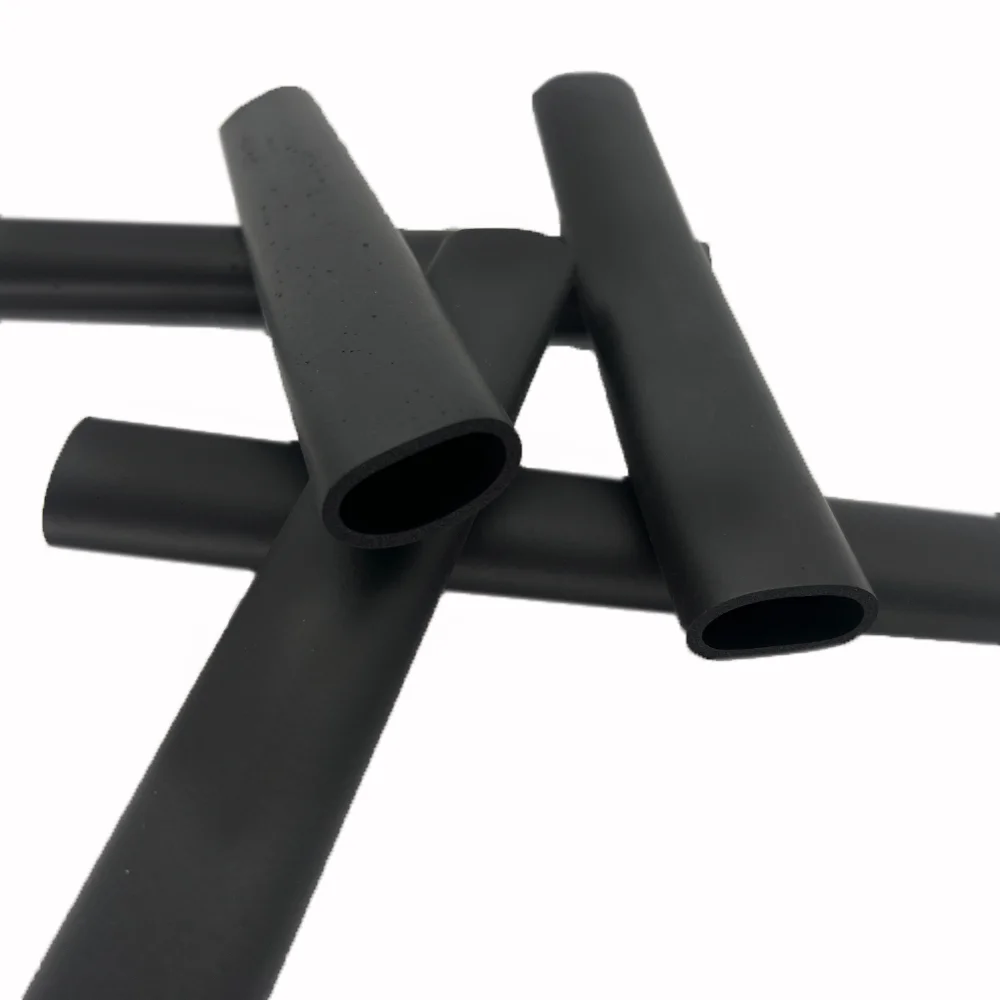
Think of Buna NBR as the tough, oil-proof cousin of natural rubber. Its special molecular structure allows it to withstand harsh industrial fluids that would typically cause natural rubber to degrade quickly. This makes it indispensable for seals, gaskets, hoses, and fuel lines where failure isn’t an option.
Mini Takeaway:
- Buna NBR is a synthetic elastomer designed for resistance against oil, fuel, and chemicals.
- Its composition makes it invaluable for modern mechanical and industrial applications.
Core Qualities That Make Buna NBR a Go-To Elastomer
1. Chemical and Oil Resistance
Buna NBR’s top claim to fame is its superior resistance to petroleum-based oils, greases, and a range of chemicals. Many engineers will tell you it’s the “default choice” when oil compatibility is vital — impressive, given other synthetic rubbers often fail here.
2. Mechanical Strength & Wear Durability
It holds its own when exposed to abrasion and mechanical stress. This durability extends product life, reducing downtime and maintenance costs in industrial settings — a major financial win.
3. Temperature Performance Range
While Buna NBR isn’t the most heat-resistant synthetic rubber out there (operating roughly from -40°C to 108°C), this range covers the majority of automotive and factory environments. In many cases, this balance of flexibility and temperature tolerance is perfect.
4. Cost Efficiency and Availability
Compared to more exotic elastomers like fluorocarbons, Buna NBR is relatively cheap and widely available globally. This makes it accessible for large-scale manufacturing and repairs without breaking budgets.
5. Easy to Customize
Buna NBR can be compounded with additives to alter hardness, flexibility, or resistance traits. This versatility means it can be fine-tuned for specific industry requirements, from aerospace seals to everyday automotive hoses.
Mini Takeaway:
- Buna NBR blends chemical resistance, mechanical strength, temperature tolerance, and affordability.
- Its adaptability means it fits diverse industrial and commercial roles.
Real-World Buna NBR Applications: From Factories to Relief Zones
The versatility of Buna NBR means it plays starring roles everywhere:
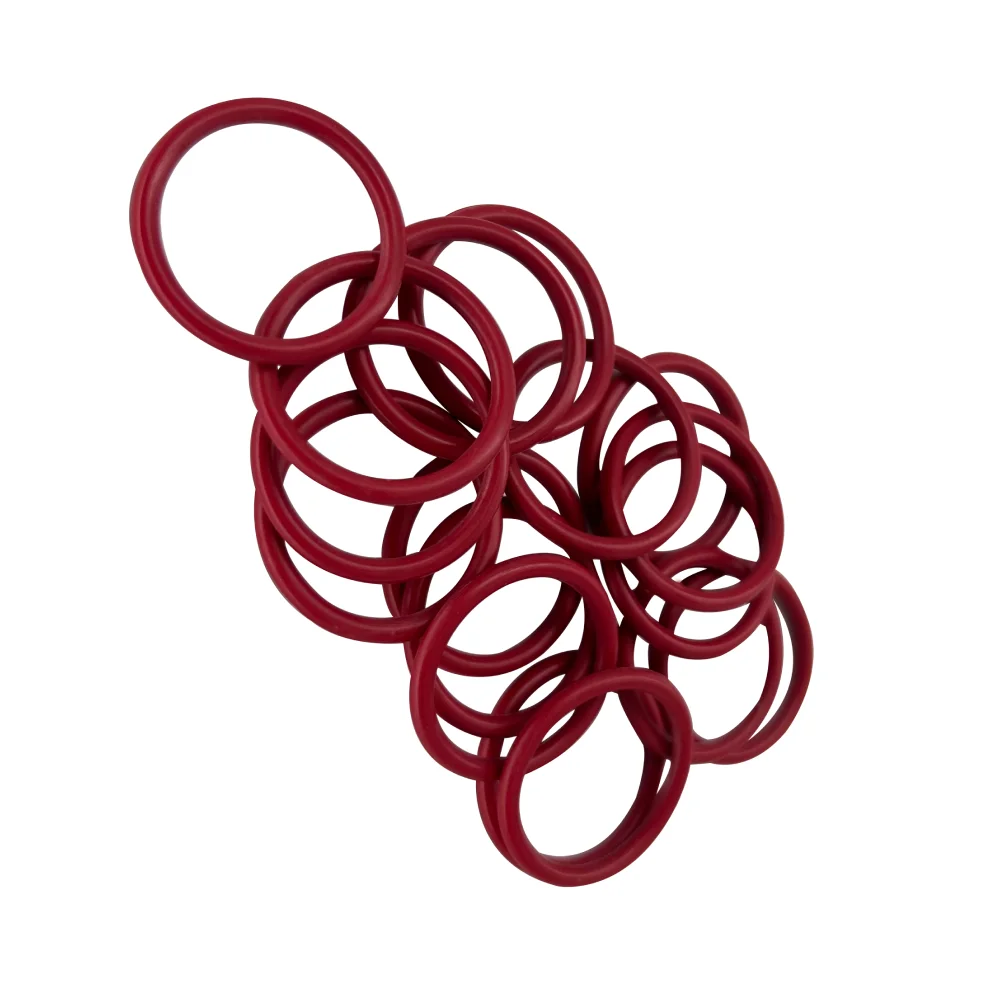
- Automotive Industry: Fuel line hoses, window and door seals, O-rings — all to prevent leaks and ensure vehicle durability.
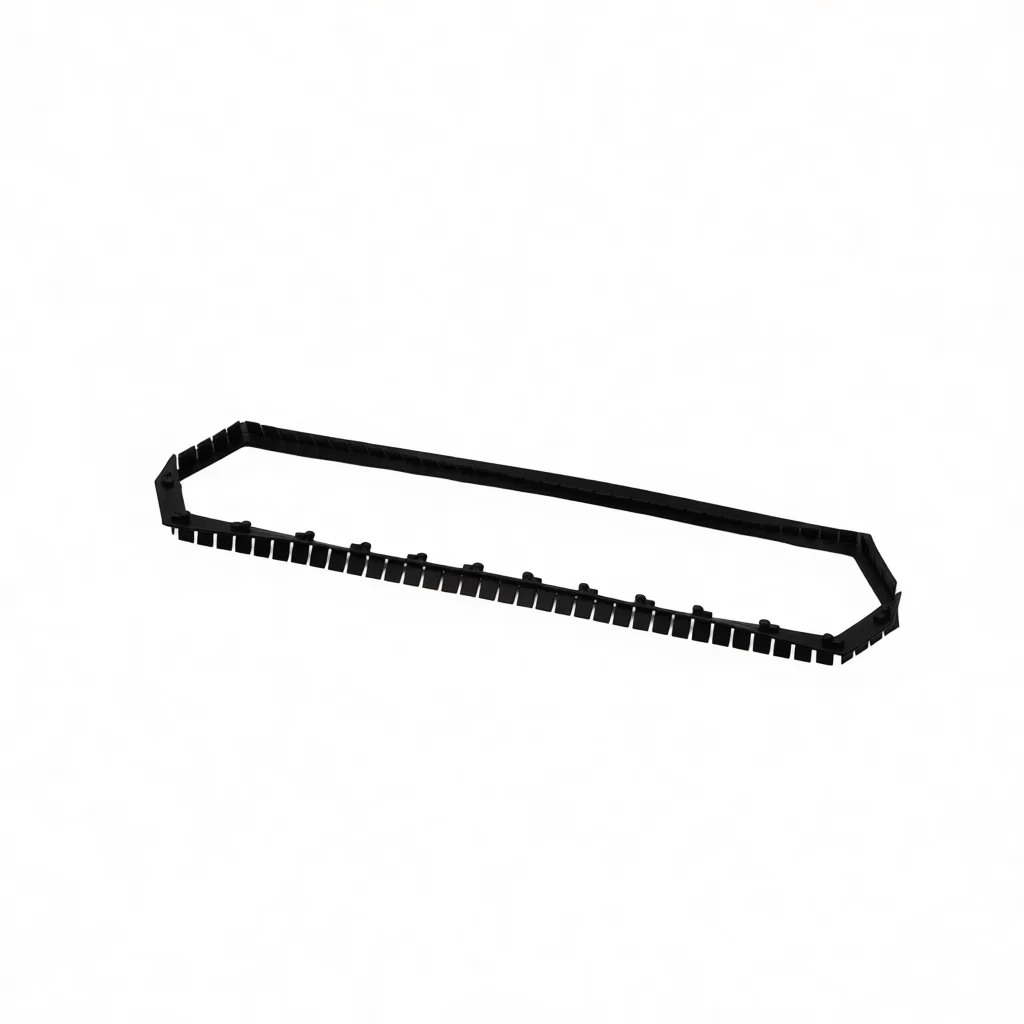
- Manufacturing Plants: Conveyor belts, gaskets, and seals exposed to oils and chemicals.
- Oil & Gas Sectors: Resistance to aggressive petroleum products makes Buna NBR a go-to for seals on valves and pumps.
- Post-Disaster Relief Equipment: Durable and reliable seals and hoses in machinery used during emergency water and fuel distribution — preventing failures when downtime could cost lives.
Oddly enough, some humanitarian organizations prefer Buna NBR-based components in temporary power generators and water treatment systems, appreciating their low failure rates and easy repairs in the field.
Product Specification Table for Typical Buna NBR Compounds
| Property | Value / Range | Unit |
|---|---|---|
| Acrylonitrile Content | 18–50 | % |
| Tensile Strength | 10–25 | MPa |
| Elongation at Break | 200–600 | % |
| Hardness (Shore A) | 40–90 | |
| Operating Temperature | -40 to 108 | °C |
Comparing Top Buna NBR Vendors: What to Look For
| Feature | SunliteTek | Vendor B | Vendor C |
|---|---|---|---|
| Custom Compound Options | Extensive (18–50% AN) | Limited | Moderate |
| Sustainability Certifications | ISO 14001, EU REACH | None | ISO 14001 |
| Global Shipping | Available worldwide | Asia & Europe only | North America focused |
| Technical Support Services | 24/7 Dedicated Team | Business hours only | Email support |
| Price Range | Competitive | Mid-high | Low-mid |
Long-Term Advantages of Choosing Buna NBR
The first thing anyone working with Buna NBR notices is the peace of mind it offers — its proven resistance to oils and chemical degradation cuts maintenance costs and keeps equipment running longer. There’s a comfort in knowing sealing and gasket failures, which can lead to downtime or costly leaks, are far less likely. This gives manufacturers and end-users alike a huge boost in operational trust.
From a sustainability perspective, Buna NBR's long lifespan reduces waste from frequent replacements. Although synthetic, advances in green compounding mean many Buna NBR products are now recyclable and compliant with environmental standards, tying into the global push for greener production.
On a social level, especially in sectors like disaster relief or emergency services, reliable Buna NBR components safeguard equipment that communities depend on — turning technical resilience into a humanitarian lifeline.
Looking Ahead: Innovations and Emerging Trends
Buna NBR’s future feels intertwined with both material science and green chemistry. Researchers are experimenting with bio-based nitrile rubbers that promise lower carbon footprints without sacrificing performance. Digital transformation in production processes means tighter quality controls and faster customization — companies can fine-tune Buna NBR properties exactly to client specs.
Automation in manufacturing also extends Buna NBR’s reach by reducing production errors, waste, and accelerating delivery. Combined with growing regulations on sustainability, the next decade looks set for a new chapter where Buna NBR isn’t just functional — it’s smarter and cleaner.
Challenges in Using Buna NBR and How to Overcome Them
No material is perfect, and Buna NBR isn’t immune to some limitations. Its upper temperature limit (around 108°C) can be a stumbling block for extreme environments. Also, although resistant to many chemicals, Buna NBR doesn’t handle strong acids or ketones well.
The solution? Many manufacturers tune the acrylonitrile content for specific conditions or blend Buna NBR with specialty rubbers for hybrid material properties. Plus, newer polymers and coatings are being developed to extend Buna NBR’s operating window. Partnering with experienced suppliers like buna nbr experts can make this process smoother, ensuring your Buna NBR products fit the requirements perfectly.
Frequently Asked Questions About Buna NBR
- What industries benefit most from Buna NBR's oil resistance?
- Automotive, oil & gas, manufacturing, and aerospace sectors rely heavily on Buna NBR for seals, hoses, and gaskets exposed to oils and fuels, where durability is paramount.
- How long do Buna NBR seals typically last in heavy-use environments?
- Properly compounded Buna NBR seals can last five to ten years or more under standard industrial conditions, although this depends on temperature exposure and chemical contact.
- Is Buna NBR environmentally sustainable?
- While synthetic, modern Buna NBR production increasingly incorporates eco-friendly practices and some formulations enable recycling, aligning with sustainability goals.
- Can Buna NBR be customized for high-temperature uses?
- Customization via acrylonitrile content adjustment or blending with other materials can improve Buna NBR’s temperature tolerance, but extremely high temps usually require alternative elastomers.
- How can companies source quality Buna NBR internationally?
- Working with reliable suppliers offering global shipping and technical support—such as buna nbr specialists—ensures access to quality products tailored to diverse markets.
Conclusion: Why Buna NBR Is an Industrial Game-Changer
Ultimately, Buna NBR combines cost-effectiveness, durability, and versatile chemical resistance in a way few materials can match. From standard factory seals to critical components in emergency equipment, it delivers long-term value and operational reliability. The growing focus on sustainability and innovation means Buna NBR is likely to stay relevant — if not essential — for decades to come.
If you’re considering Buna NBR for your applications or want to discover customized solutions catered to your industry’s needs, visit our website: https://www.sunlitetek.com to learn more.
References

Understanding Buna NBR: What It Is and Why It Matters G […]