Select Language
 Understanding Buna O Ring Material: Small Component, Big Impact
If you've ever worked with sealing solutions in machinery or industrial settings, chances are you've encountered or at least heard of buna o ring material. Despite its humble appearance—a tiny ring of rubber—this component forms a critical barrier that keeps fluids where they're supposed to be and contaminants out. Its role in everything from automotive engines to medical devices speaks to the quietly vital nature of good sealing.
Globally, industries rely heavily on reliable sealing materials to maintain safety, efficiency, and longevity. Faulty seals can cause leaks, costly downtime, and even environmental disasters. That means understanding materials like Buna isn't just technical nitty-gritty; it’s a key step to sustainable operations worldwide.
Why Buna O Ring Material Matters in Today’s Industries
Looking at the bigger picture, the global sealing products market is estimated to surpass $15 billion by 2028 (ISO 3601 standards, World Bank correlates this with manufacturing growth), with Buna o rings capturing a notable corner thanks to their balance of cost and performance. Yet, many engineering teams face challenges ensuring seals last under harsh conditions without driving up project expenses.
That’s where Buna shines. In sectors from chemical processing to construction equipment, this synthetic rubber is known for handling oil, fuel, and moderate temperature extremes with ease. When downtime or leaks translate directly to lost revenue or safety risks, the right material choice can’t be an afterthought.
Mini takeaway:
- Buna o rings hold a strategic position in a growing global sealing market.
- They address practical challenges like chemical exposure and cost efficiency.
What Exactly is Buna O Ring Material?
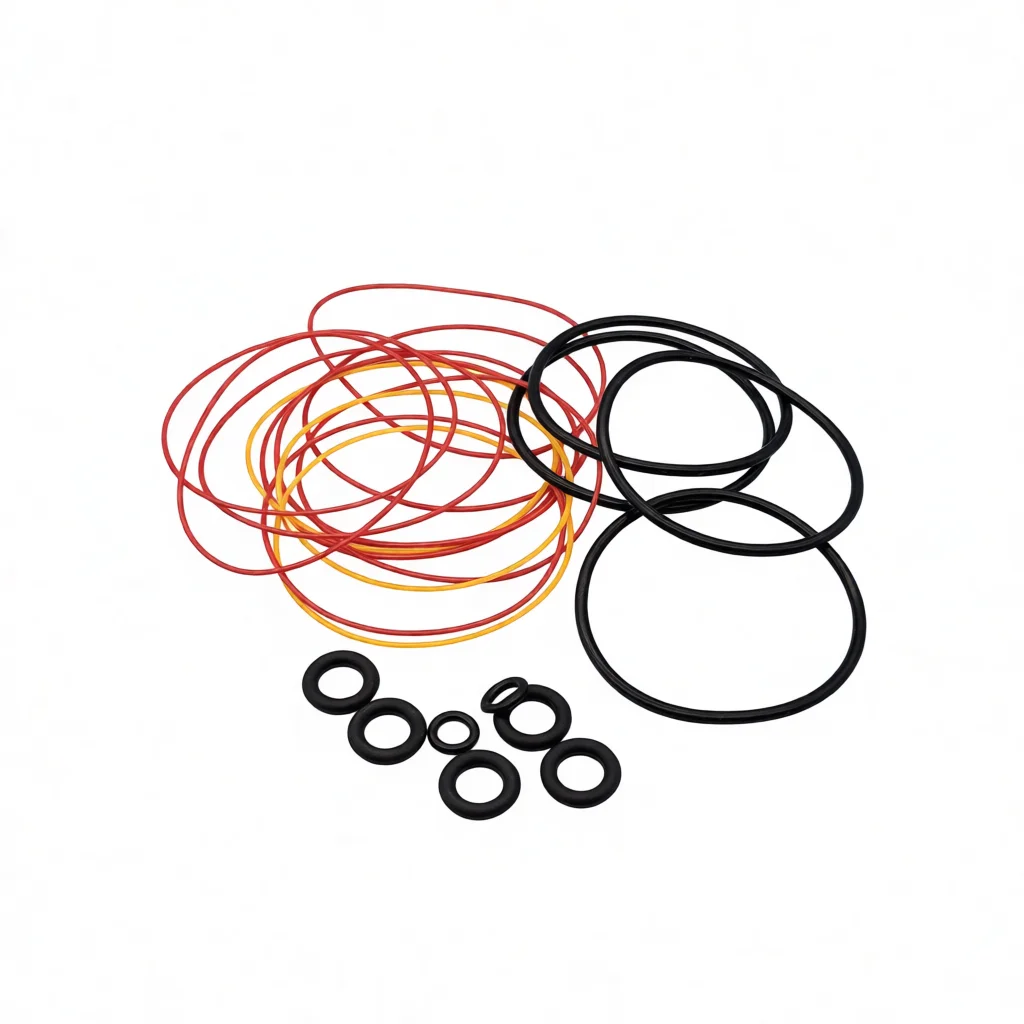
At its core, Buna o ring material refers to a synthetic nitrile butadiene rubber (NBR), often called “Buna-N”. It’s a copolymer made from butadiene and acrylonitrile, designed specifically for resilient sealing. The 'O ring' simply describes the donut-shaped gasket used to form tight seals between parts.
Invented in the 1930s, Buna revolutionized sealing options because it balanced resistance to oils and fuels without breaking the bank. Today, it’s everywhere: automotive fuel systems, hydraulic hoses, air compressors, and even food handling lines (when properly formulated). Beyond industry, it even plays a role in humanitarian efforts where sealing durable pumps and piping prevents contamination in clean water supplies.
Mini takeaway:
- Buna is a synthetic rubber known as NBR with oil and fuel resistance.
- Its unique formula suits many industries and even humanitarian tech.
Main Characteristics of Buna O Ring Material
1. Durability in Harsh Environments
Buna-N can withstand exposure to petroleum-based fluids, some acids, and moderate heat (typically up to about 120°C / 248°F). It remains flexible over a broad temperature range and offers excellent abrasion resistance—qualities that many engineers praise when designing seals that must last years under pressure.
2. Cost Efficiency
Compared to more exotic sealing materials like fluorocarbon or silicone, Buna remains budget-friendly without sacrificing much performance—not to mention it’s widely available, which keeps supply chains smoother.
3. Resistance to Chemicals
While Buna excels against many oils and fuels, it’s less resistant to ketones, esters, and some chlorinated hydrocarbons. Knowing the exact operational chemicals matters—otherwise, your seal might fail prematurely.
4. Ease of Processing
Manufacturers often prefer Buna for its moldability and vulcanization ease. This means o rings can be produced with consistent quality at scale, which keeps costs down for end-users and reduces waste.
5. Versatility in Sizes and Shapes
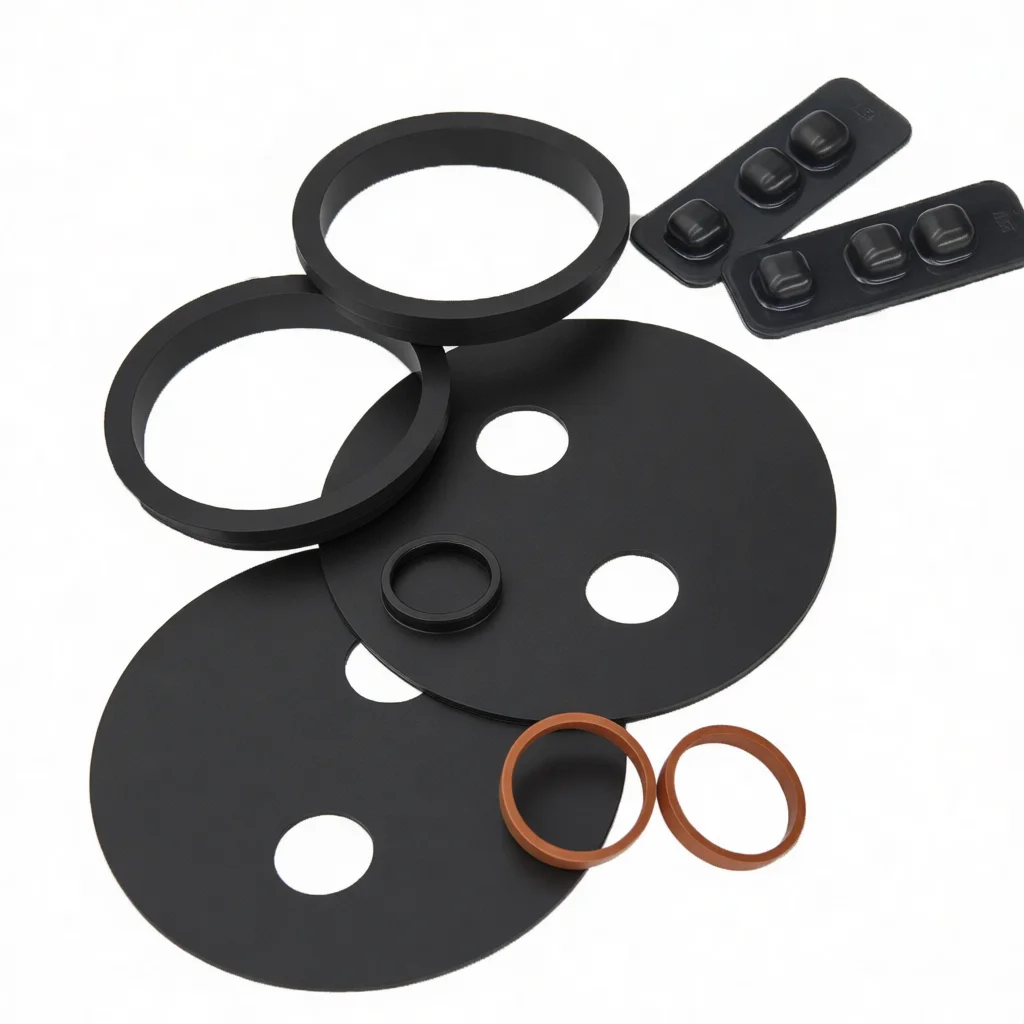
Though typically rings, Buna can be formed into various sealing profiles or even extrusions. This adaptability means it can find its way into unexpected niches—wherever a reliable seal is essential.
Mini takeaway:
- Buna o rings balance durability, chemical resistance, and cost savings.
- Manufacturing accessibility boosts their availability worldwide.
Global Applications and Real-World Use Cases
Buna o rings are quietly busy everywhere. In North America and Europe, they dominate automotive sealing tasks—think fuel injectors and brake systems—where reliability is critical to safety. In Asia’s vast manufacturing hubs, they support pneumatic equipment running 24/7. And in developing regions, Buna o rings ensure durable seals in water pumps and agriculture machinery, advancing infrastructure resilience.
For instance, NGOs working in post-disaster areas often specify Buna seals in water filtration units to guarantee contaminant-free water despite challenging environments. Similarly, oilfield operations depend on these seals to prevent costly and hazardous leaks during extraction and transport.
| Property | Range/Value | Notes |
|---|---|---|
| Temperature Range | -40°C to 120°C (-40°F to 248°F) | Standard application range |
| Hardness (Shore A) | 70-90 | Varies by type |
| Tensile Strength | 15-25 MPa | Good mechanical strength |
| Compression Set | Shows seal returnability | |
| Chemical Resistance | Good to oil, diesel, water | Not suitable for ketones/esters |
Comparing Leading Buna O Ring Vendors
| Vendor | Material Grades Offered | Customization Options | Typical Lead Time | Certifications |
|---|---|---|---|---|
| BunaPro Seals | Standard, Food-Grade, High Temp | Custom sizes, hardness, packaging | 2–3 weeks | ISO 9001, FDA |
| SealTech Global | Wide range including flame-retardant | Rapid prototyping & small runs | 1–2 weeks | ISO 14001, RoHS |
| GlobalRubber Solutions | Specialized chemical resistance grades | Custom blends & colors | 3–4 weeks | ISO 9001, NSF |
What Makes Buna O Ring Material Attractive for the Long Haul?
Longevity is worth talking about—not just in years but in consistent performance under pressure. Buna rings have a well-earned reputation for holding seals tight even under repeated mechanical cycling. This reliability saves money by minimizing costly maintenance and product failures.
From an environmental angle, Buna's moderate energy footprint in manufacturing and recyclability options contribute to greener supply chains. In social contexts, reliable seals prevent toxic leaks or contamination, enhancing safety and public trust.
In short, choosing buna o ring material feels like investing in peace of mind: both for engineers and communities relying on stable industrial performance.
Emerging Trends in Sealing Technology
Innovation is ongoing. For Buna, developments include enhanced formulations optimized for extreme cold or improved fuel resistance—no surprise, given the push toward electric vehicles and renewable energy sectors adjusting sealing requirements.
Digital quality control, like 3D scanning tiny O rings to check for imperceptible defects, is also transforming manufacturing. Automation means faster production with less human error, and greener vulcanization methods reduce environmental impact.
Challenges and How They’re Tackled
Every material has limits. Buna's sensitivity to certain chemicals requires users to carefully specify applications. Furthermore, prolonged exposure above 120°C or to ozone can degrade performance. Often, teams balance cost vs. tougher materials depending on use case.
Innovative lab testing, predictive wear modeling, and hybrid blends are helping stretch the material’s usability. Plus, vendors increasingly offer custom grades and compound formulations precisely tuned for unique industrial needs.
FAQ: Your Questions About Buna O Ring Material, Answered
- What makes Buna o rings better than natural rubber seals?
- Buna o rings offer superior oil and fuel resistance compared to natural rubber, making them ideal for automotive and industrial applications where fluid exposure is high. They also have better mechanical durability under stress, extending service life.
- Can Buna o rings be used for food or medical applications?
- Yes, specialized Buna grades comply with FDA standards and are suitable for food contact or some medical devices. It’s important to verify certification with your vendor to ensure compliance.
- How do I know if Buna is right for my chemical environment?
- Check compatibility charts against your specific chemicals. Buna resists many hydrocarbons but can fail with solvents like ketones. Consulting with materials engineers or suppliers can help make the right choice.
- Are Buna o rings recyclable?
- While not biodegradable, some recycling processes for synthetic rubbers can reclaim Buna. Recycling infrastructure varies regionally, so inquire with local waste management or vendors about options.
In Closing: Why Buna O Ring Material Should Never Be Overlooked
In the end, the humble Buna o ring is a cornerstone of countless industries across the planet, quietly holding back chaos and ensuring that machines and systems breathe—and flow—just as they should. Their cost-effectiveness, durability, and adaptability mean they’ll remain a go-to choice for decades.
If you want to dive deeper into how buna o ring material can upgrade your products or projects, do visit our website for detailed resources, product specs, and expert support.
Brief Final Thought:
Sometimes, the tiniest parts carry the heaviest load — and Buna o ring material is a perfect example of that quiet, dependable strength.
References:

Understanding Buna O Ring Material: Small Component, Bi […]