Why You Need to Buy Rubber Ring: A Small Item Making a Big Impact
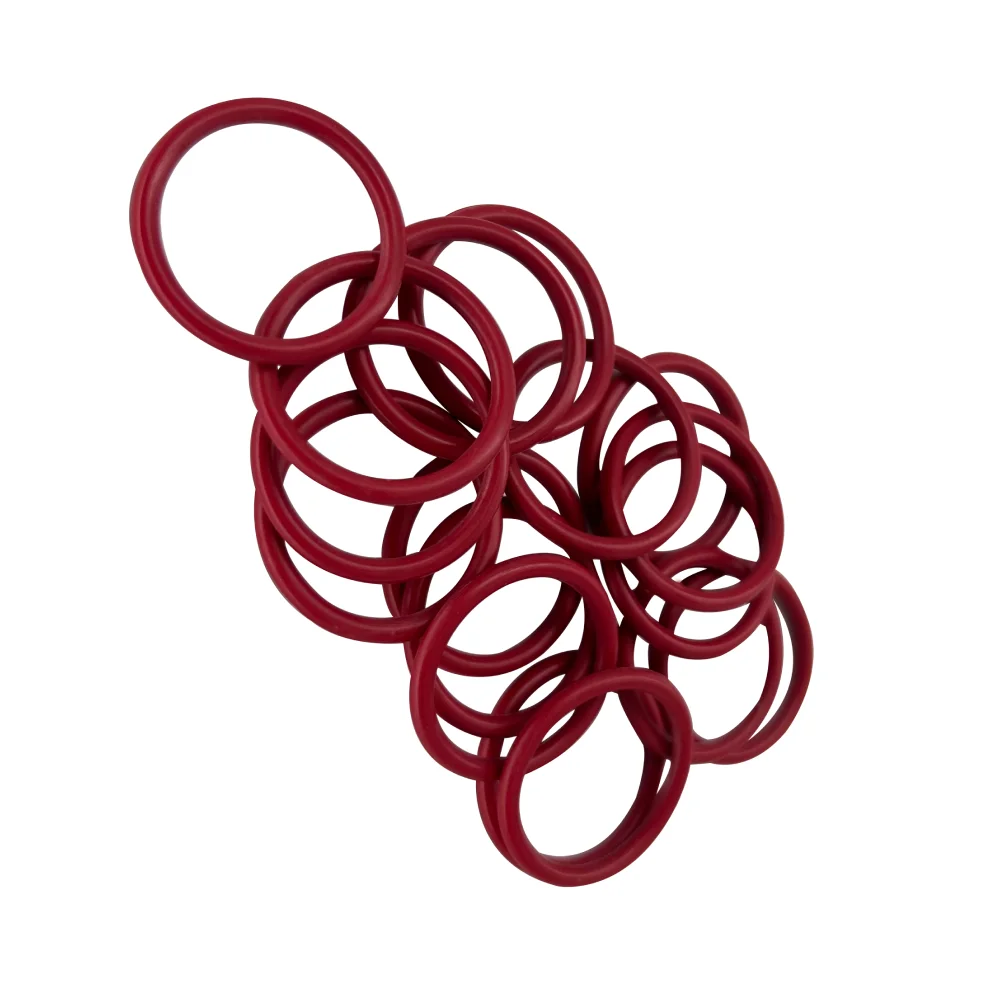
If you’ve ever fiddled with plumbing, machinery, or even your car’s engine, you might have come across a small but crucial component: the rubber ring. These unassuming circles of elastomeric material form the backbone of countless seals and joints across industries worldwide. The demand to buy rubber ring — whether for industrial use or personal projects — is growing globally, reflecting their indispensable role in maintaining airtight seals, preventing leaks, and ensuring machinery runs smoothly. It matters because, frankly, without reliable sealing solutions, entire systems could fail, leading to costly repairs or downtime. So, understanding what it means to buy rubber rings and what to look out for can save you headaches—and money—in the long run.
---
The Global Relevance of Rubber Rings in Industry and Beyond
The rubber ring market might not be front-page news, but its ripples run deep. According to industry analyses aligned with ISO standards on material quality (ISO 3601), billions of rubber rings are produced annually for sectors from automotive to pharmaceuticals. The global elastomer seals market is expected to grow at roughly 6% annually, driven by the need for efficient sealing solutions in emerging manufacturing hubs across Asia, Europe, and the Americas.
Oddly enough, one of the biggest challenges driving demand to buy rubber ring is climate resilience. Systems exposed to extreme temperatures or corrosive environments need seals that won’t crack or degrade swiftly. For humanitarian efforts, like disaster relief or water purification projects, robust rubber seals prevent contamination or system failure when it matters most—no wiggle room for error there.
buy rubber ring might seem trivial at first, but it’s a quietly urgent topic globally.
---
What Exactly Does It Mean to ‘Buy Rubber Ring’?
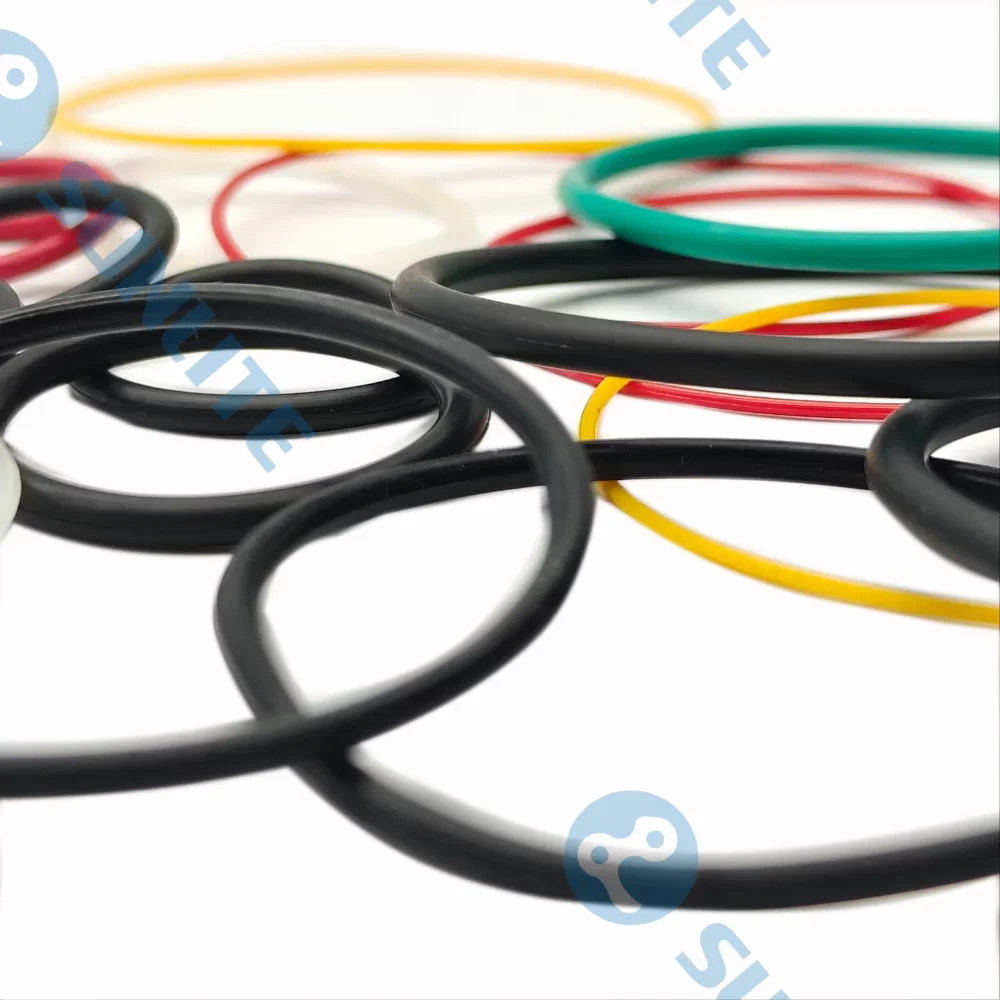
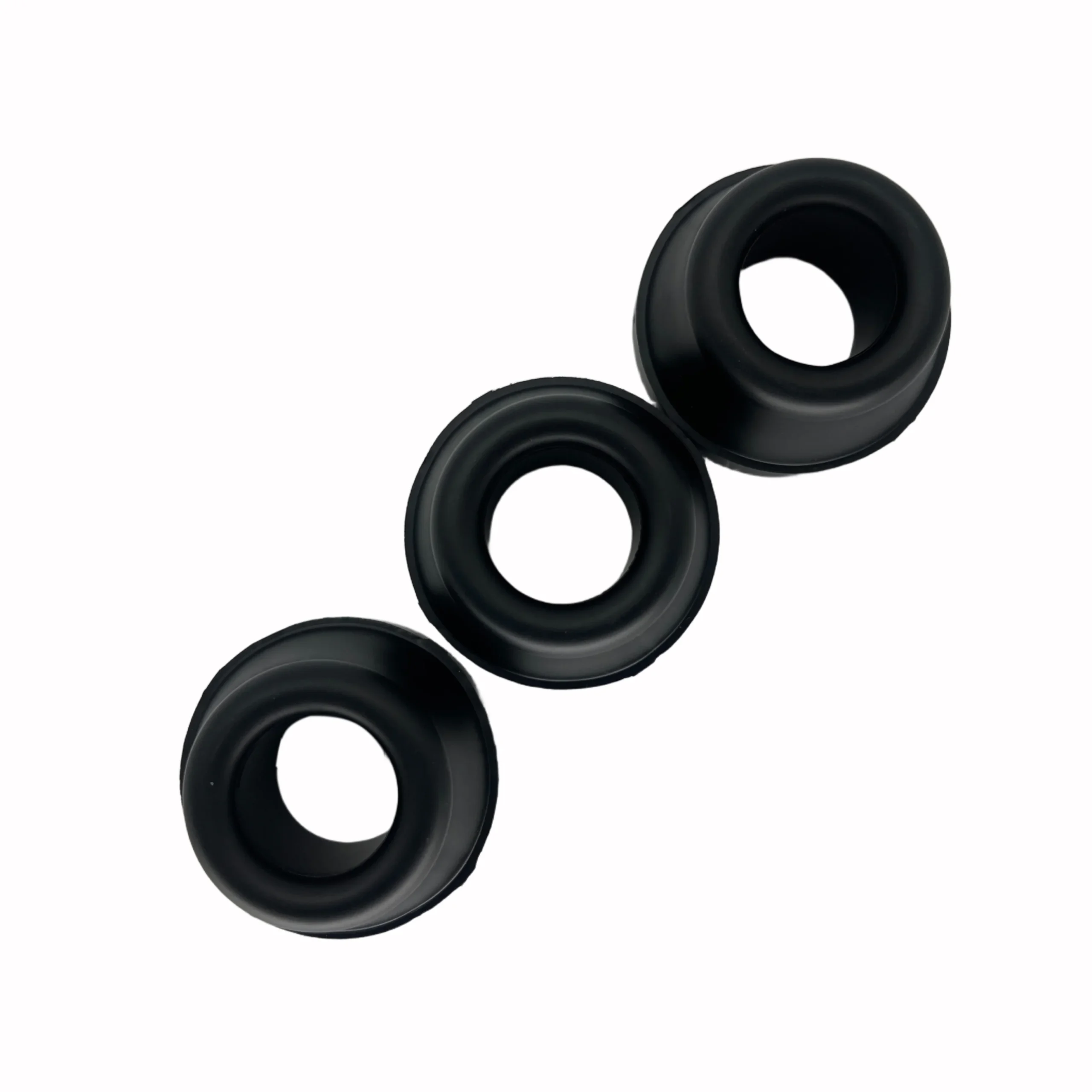
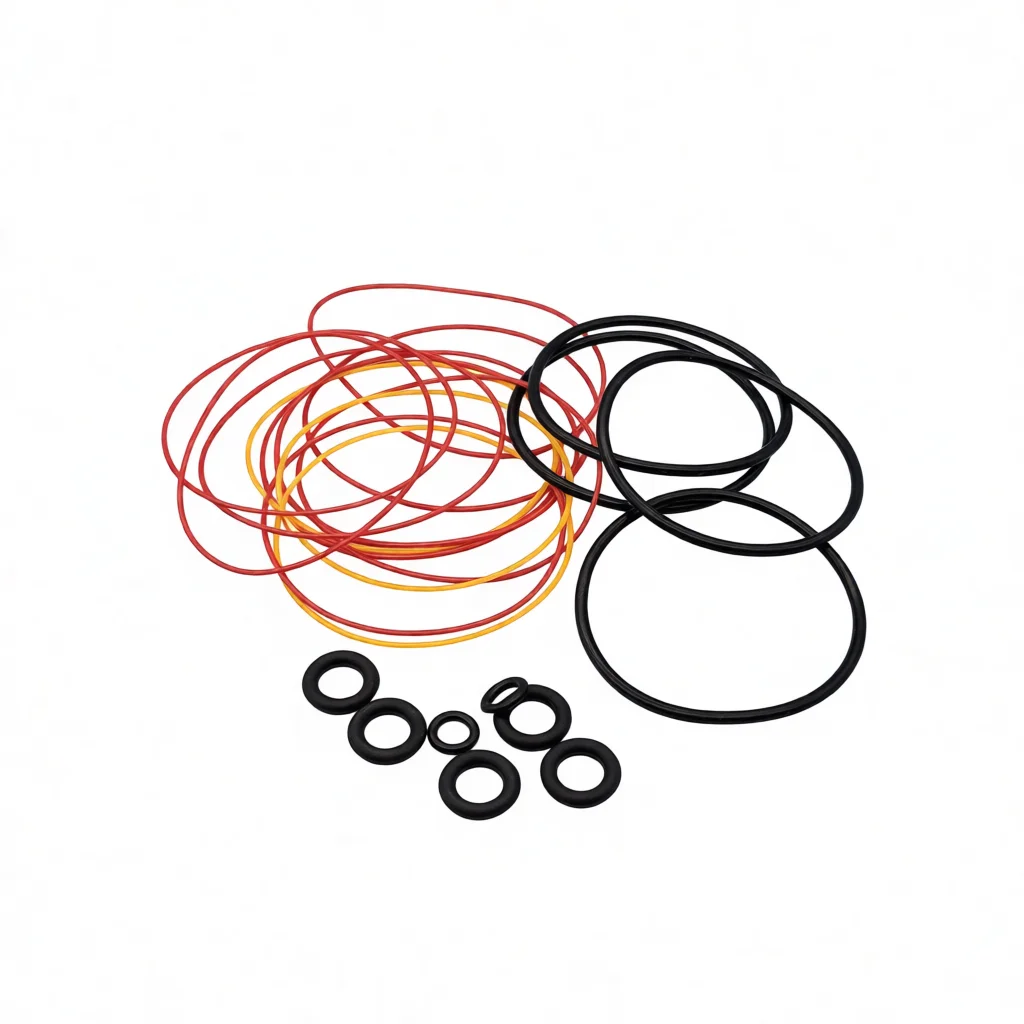
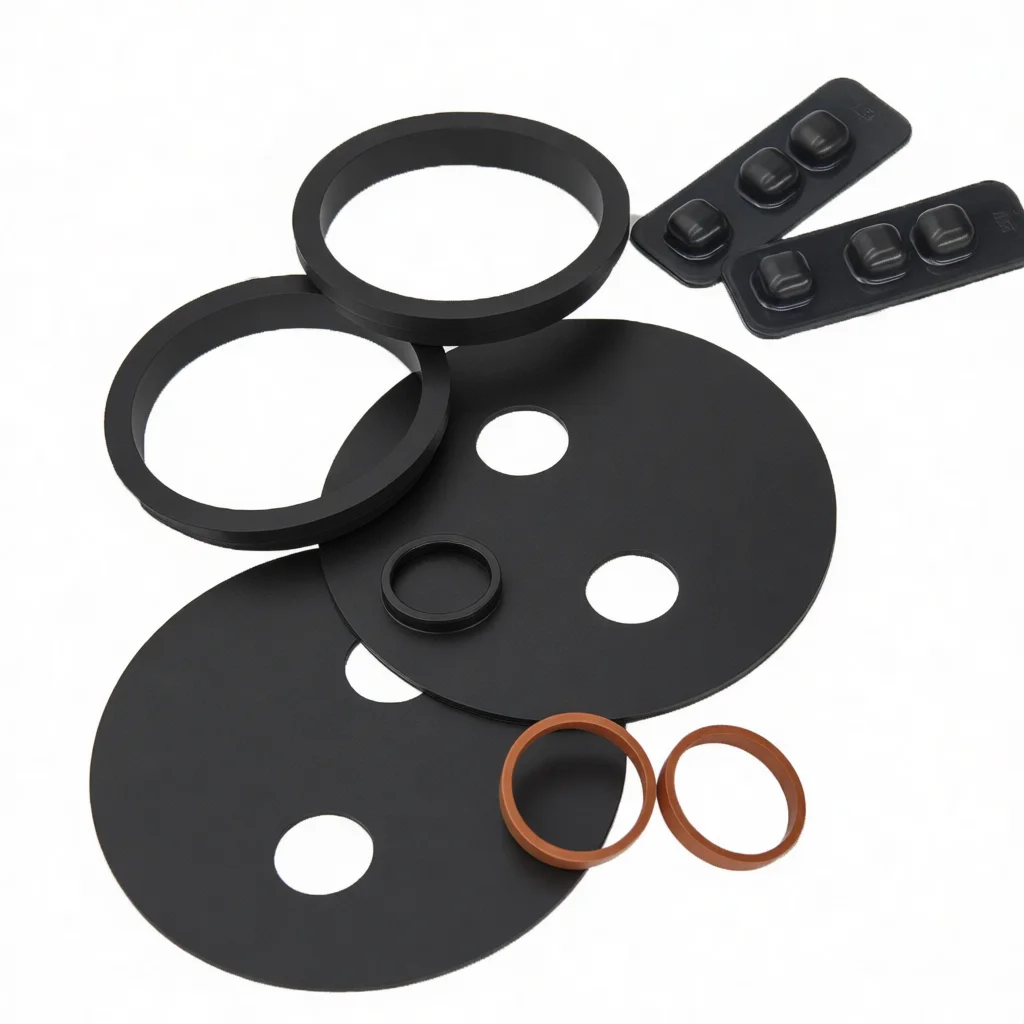
At its core, buying a rubber ring means acquiring a circular elastomeric gasket or O-ring designed to form a tight seal between two surfaces. These rings vary in size, thickness, and material composition based on their intended use—from natural rubber for flexible, low-stress seals, to fluorocarbon compounds (like Viton) for high-temperature, chemically resistant applications.
Buying rubber rings connects you directly to the practical realities of manufacturing, repair, and maintenance. These rings are often the unsung heroes in pipelines, automotive brakes, food processing equipment, and even lifesaving medical devices.
---
Key Features to Consider When You Buy Rubber Ring
Material Durability
Durability is the lynchpin here. Rubber rings face all sorts of stress: pressure, heat, chemical exposure, even UV rays. Picking the right compound—nitrile, silicone, EPDM, or fluorocarbon—can mean the difference between a seal that lasts months versus one that lasts years. For instance, Nitrile works well with petroleum oils, while silicone shines in extreme temperatures up to 230°C.
Size and Tolerances
Precision matters in sealing. An ill-fitting ring will leak and fail early. That's why manufacturers offer rings in exact internal diameters and cross-sectional thicknesses, sometimes down to microns of tolerance. Many engineers say this is where quality control really counts.
Cost Efficiency
While you could always DIY or buy cheap generic rings, the “you get what you pay for” adage rings true. Investing slightly more upfront in certified rings often saves you costs later—less downtime, fewer replacements.
Environmental Resistance
With sustainability trends swelling, many industries now demand rubber rings that endure harsh chemicals or ozone exposure without quickly degrading. This is especially true for food-grade or medical-grade rubber rings, which need extra certifications.
Customizability
Thanks to modern molding and CNC techniques, some vendors offer custom-sized rubber rings made to fit specialized machines or extreme use-cases—think aerospace or deep-sea equipment.
---
Global Applications of Rubber Rings: More Than Just a Seal
Rubber rings turn up everywhere:
- Automotive Industry: Sealing fuel injectors, brake systems, and air conditioning units relies on top-quality rubber seals.
- Water Management: Pump seals and valve rings ensure clean water systems don’t leak contaminants.
- Medical Equipment: Sterile, biocompatible rings help maintain pressure in respirators or surgical devices.
- Oil & Gas: Subsea valves and piping systems count on rings resistant to salty water and extreme pressure.
- Food Processing: Silicone rings seal machines in hygienic environments needing FDA-approved materials.
In humanitarian projects like clean water access in remote areas, rubber rings prevent leaks that could spoil entire relief efforts. It feels like an underappreciated piece of equipment that quietly prevents failures at scale.
---
Mini-Takeaway:
To buy rubber ring is basically to invest in reliability across countless fields. These resilient little loops keep the gears of industry, healthcare, and safety turning.
---
Product Specification Table: A Closer Look at Popular Rubber Rings
| Specification |
Nitrile (NBR) |
Silicone |
Fluorocarbon (Viton) |
| Temperature Range |
-40°C to 120°C |
-60°C to 230°C |
-20°C to 200°C |
| Chemical Resistance |
Good with oils and fuels |
Moderate |
Excellent |
| Typical Uses |
Automotive seals, hoses |
Medical, food, HVAC |
Aerospace, chemical plants |
| Price per Unit |
$0.05 – $0.30 |
$0.10 – $0.50 |
$0.30 – $1.00 |
---
Comparing Vendors: Where Should You Buy Rubber Ring?
| Supplier |
Material Variety |
Customization |
Lead Times |
Certifications |
Price Range |
| SunliteTek |
Wide (NBR, EPDM, Silicone, Viton) |
Custom sizes & colors |
1-3 weeks |
ISO 3601, FDA |
$$ (mid-range) |
| QuickSeal Co. |
Mostly NBR & Silicone |
Standard sizes only |
2-4 weeks |
ISO 3601 |
$ (budget) |
| Elite Elastomers |
Full range including specialty compounds |
Highly customizable |
4-6 weeks |
ISO, FDA, MIL-SPEC |
$$$ (premium) |
---
Advantages and Long-Term Value of Buying Quality Rubber Rings
It’s tempting to think a rubber ring is just a cheap spare part, but there’s much more beneath the surface. When you buy rubber ring from a reliable source and pick the right material, the benefits stack up:
- Cost Savings: Reduced leaks, fewer breakdowns, and longer machine life translate directly into savings.
- Sustainability: Durable seals reduce waste, as fewer replacements and repairs are needed.
- Reliability and Safety: Machines running tight seals help avoid hazardous leaks — crucial in chemical or medical fields.
- Emotional Peace of Mind: There’s something reassuring about knowing your systems are protected by tried-and-true components.
Many operators express how switching to higher-grade rubber rings improved their output and confidence—especially in remote or critical sectors.
---
Future Trends: What’s Next for Rubber Rings?
Looking forward, the world of rubber rings is becoming increasingly high-tech. Biodegradable elastomers are entering the scene, marrying performance with green credentials. Advances in digital manufacturing also allow tailored, high-precision rings faster than ever. Automation means quality control will only improve, cutting down on defective batches.
Researchers are also exploring the integration of smart polymers—rings that can sense wear or pressure changes and send alerts. Imagine a tiny sensor in your rubber ring warning you before a leak happens. That’s innovation catching up with old-school sealing tech.
---
Challenges in Buying Rubber Rings and How to Navigate Them
Not all rubber rings are created equal. The biggest hurdles often include:
- Material Mismatch: Buying the wrong type for your application can cause premature failure.
- Supply Chain Delays: Lead times can stretch, especially for custom sizes or specialty compounds.
- Quality Control: Cheap imports sometimes cut corners on durability.
The solution? Partner with reputable vendors with proven certifications, and don’t skimp on specifications. For tricky projects, testing samples beforehand (per ISO 3601) saves time and money.
---
FAQ: Your Questions About Buying Rubber Ring Answered
Q1: How do I know what type of rubber ring to buy?
A1: Start by understanding your application environment — temperature range, chemical exposure, and pressure. Refer to material guides: Nitrile for oils, silicone for high heat, Viton for chemical resistance. Consulting suppliers, like those who provide custom specs, can help narrow your choice.
Q2: Can I reuse a rubber ring once removed?
A2: Generally, it’s not recommended. Once compressed or exposed to fluids, rubber rings can lose elasticity or develop micro-cracks, risking leaks. It's safer to replace during maintenance to ensure reliability.
Q3: Are custom rubber rings more expensive?
A3: Usually yes, due to special tooling and material orders. But the tailored fit often results in longer-lasting seals and fewer service interruptions — saving money long-term.
Q4: How do I ensure the rubber rings meet industry standards?
A4: Check for certifications like ISO 3601 for dimensional accuracy and FDA compliance for food/medical uses. Trustworthy vendors openly share quality documentation.
---
Conclusion: Why You Should Care About Buying Rubber Ring
It’s kind of remarkable how such a simple thing like a rubber ring can influence the reliability and safety of complex systems globally. Whether you’re maintaining a factory, building critical medical equipment, or launching a humanitarian relief, these little seals keep everything tight and leak-free. Investing wisely when you buy rubber ring—by choosing strong materials, certified manufacturers, and proper sizes—is a small step with outsized returns in efficiency, safety, and sustainability.
See for yourself and
buy rubber ring that suits your exact needs. The right ring saves time, money, and sometimes a lot more.
---
Quick Takeaway:
Next time you think “just buy rubber ring,” remember you’re choosing reliability, durability, and peace of mind – all in one simple loop.
---
References
- Wikipedia - O-ring
- ISO 3601 - Fluid power systems — O-rings
- World Bank - Manufacturing Sector Overview


 Select Language