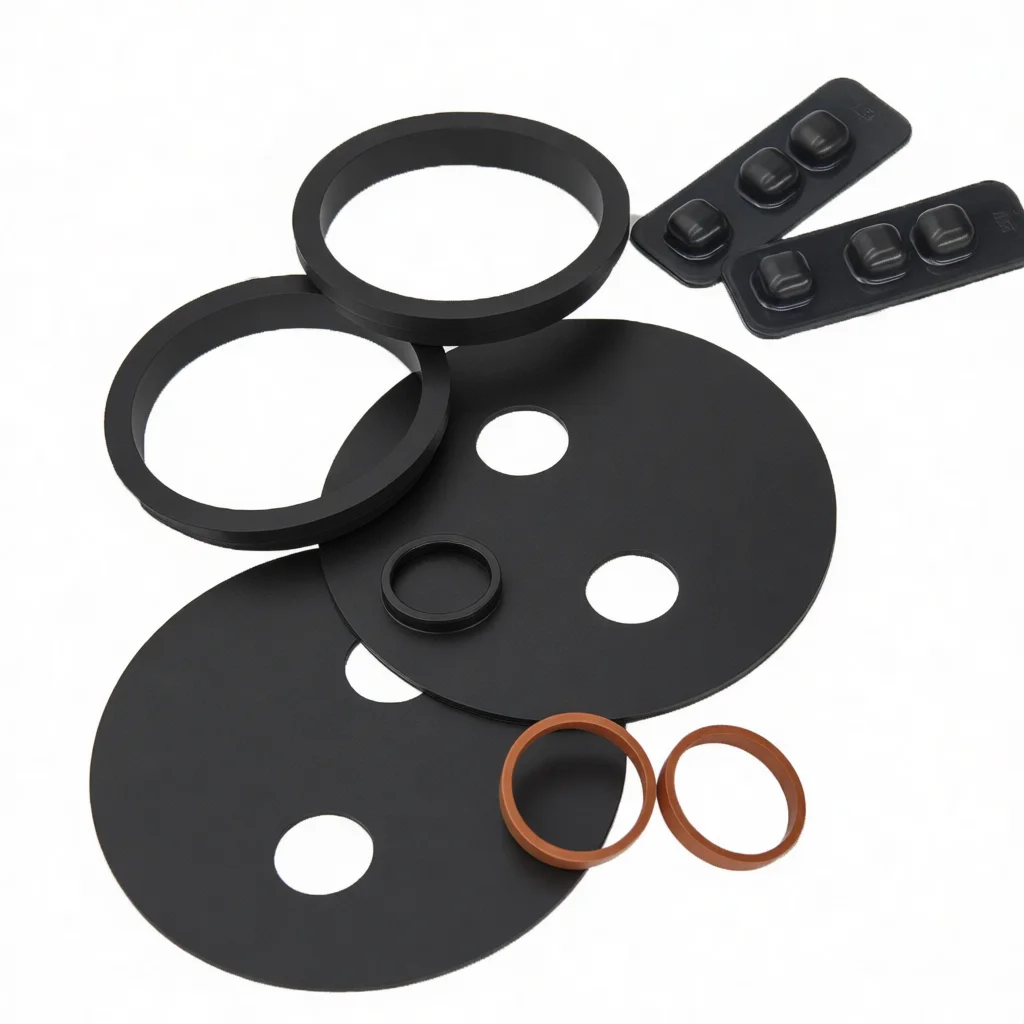
Why the Butyl Rubber O Ring Matters More Than You Think
If you’ve ever taken a moment to consider seals and gaskets in machines, you might have thought they’re simple pieces of rubber—no big deal. Yet, butyl rubber o rings are quietly holding together critical systems worldwide, from aerospace to water purification. Understanding these little heroes is more than just geek talk; it’s about durability, safety, sustainability, and yes — saving money in the long run. Whether it’s protecting humanitarian aid systems or enhancing industrial efficiency, the butyl rubber o ring is a surprisingly vital component in our global machinery.
The Global Landscape: Why Butyl Rubber O Rings Are Essential Today
Over the past decade, the global sealing materials market has seen consistent growth, expected to reach USD 30 billion by 2026 according to industry reports. The rise of renewable energy, expanding infrastructure projects in remote regions, and growing environmental regulations mean that sealing technologies — including butyl rubber o rings — have gained more attention than ever. Other data from ISO standards highlight how failures in seals account for a significant portion of leakages and downtime in manufacturing and energy sectors, emphasizing the need for materials that stretch reliability without breaking the bank.
But more than industry, there's a quiet humanitarian angle: in disaster relief or water sanitation projects, sealing components ensure that critical systems function under tough conditions. Without robust seals that resist chemicals, temperature swings, or age, those efforts could fall apart. The butyl rubber o ring is one of those unsung items that keeps things tight.
What Exactly Is a Butyl Rubber O Ring?
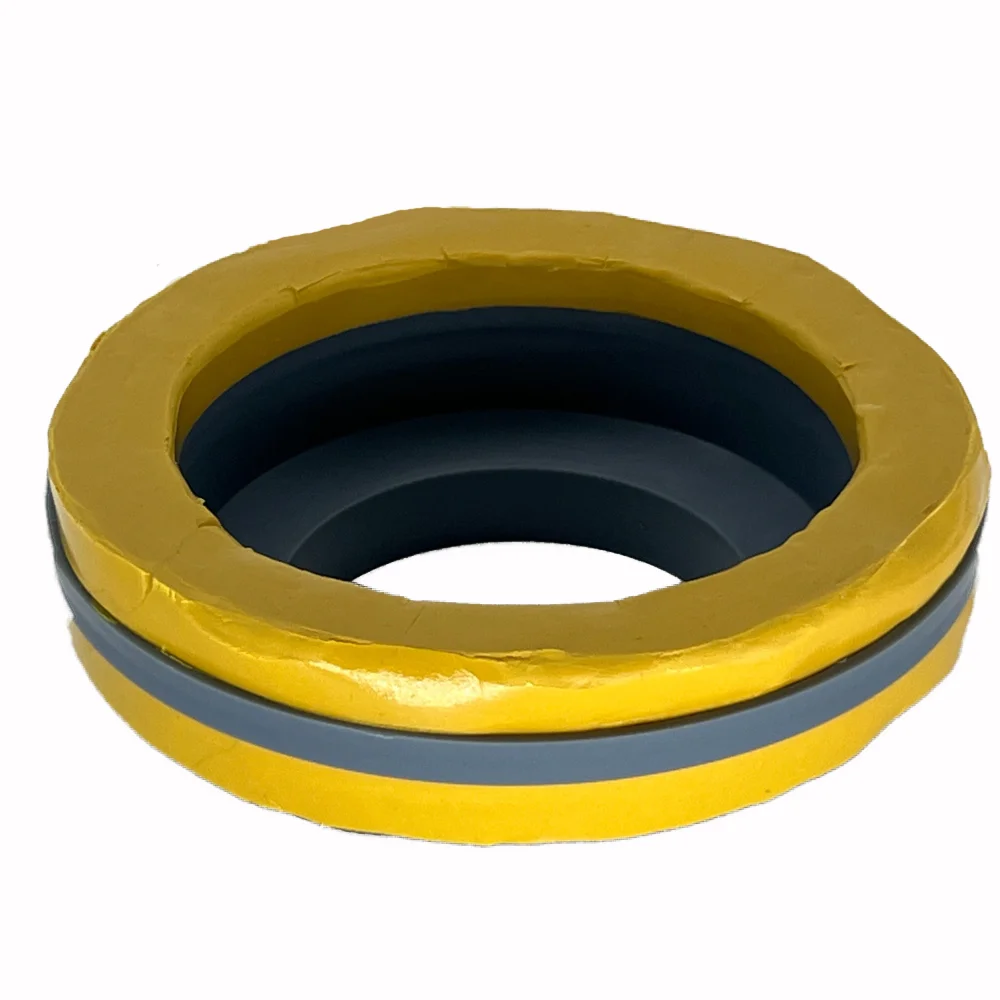
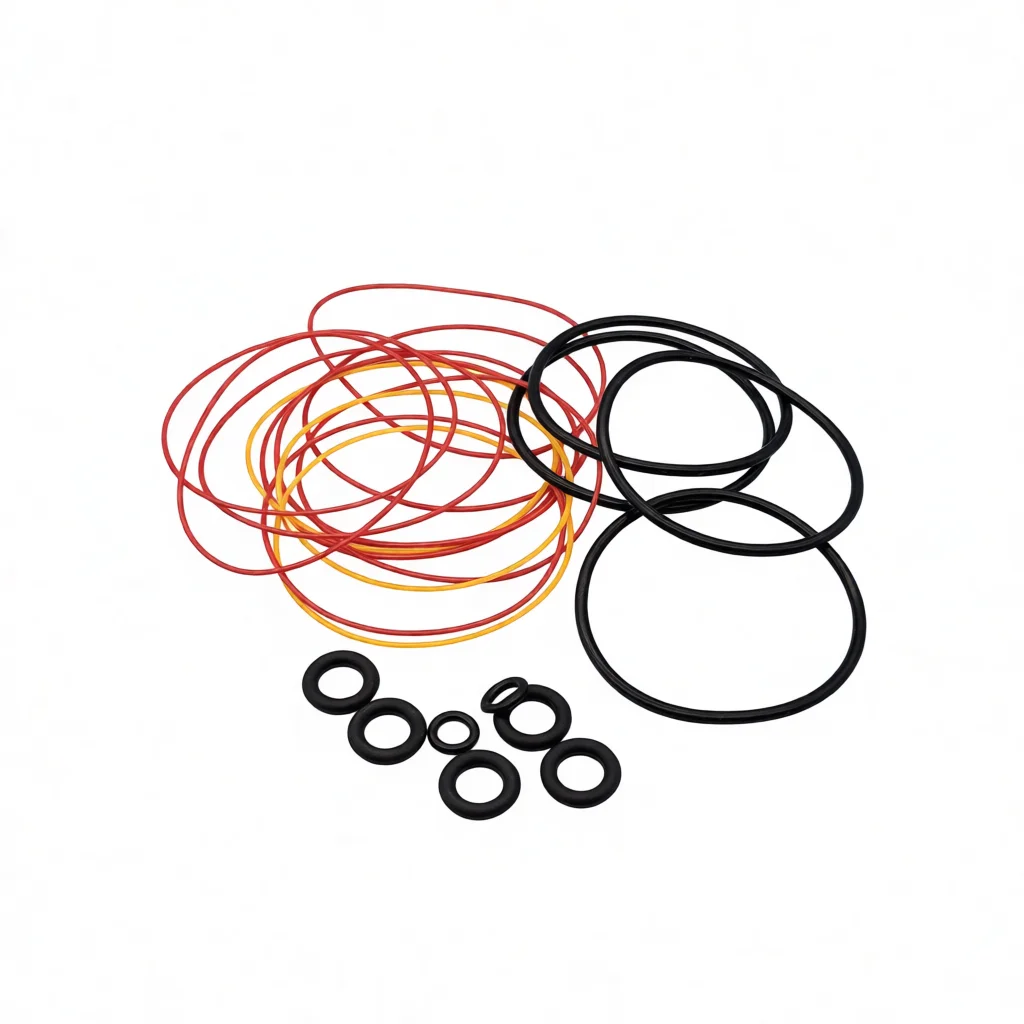
Simply put, a butyl rubber o ring is a doughnut-shaped sealing ring made from butyl rubber—an impermeable synthetic rubber elastomer known for excellent resistance to gases and chemicals. O rings in general serve as a mechanical seal between parts, preventing leaks in liquids or gases. Butyl rubber’s unique molecular structure gives it advantages over natural rubber or other types, especially when it comes to resisting weathering, ozone, and water vapor. Think of it as that tough, stretchy ring that refuses to crack when others do.
Industries from automotive to pharmaceuticals rely on butyl rubber o rings because they handle demanding environments—cold, heat, even corrosive chemicals—and still keep equipment sealed tight. Humanitarian and environmental applications appreciate the material's longevity and resistance, reducing waste and downtime. In short: it’s a seal that works hard and stays reliable longer.
Key Attributes That Make Butyl Rubber O Rings Stand Out
Durability
Butyl rubber resists degradation from oxygen and ozone better than many synthetic rubbers. It stays flexible in temperature ranges roughly between -40°C to +120°C, which suits it for many outdoor and industrial applications.
Gas Impermeability
One of its signature traits is its very low permeability to gases like oxygen and nitrogen. This is why it's often the go-to seal for pressurized systems or vacuum environments.
Chemical Resistance
It tolerates exposure to acids, bases, and water-based solutions without swelling or losing integrity—critical for seals exposed to harsh chemicals or cleaning agents.
Cost Efficiency
Though not the cheapest option on the shelf, the trade-off with butyl rubber is longer service life and fewer replacements, translating into lower total lifecycle costs.
Flexibility and Elasticity
Its elasticity allows it to form tight seals even over irregular surfaces or where slight movement occurs, making it a versatile choice for dynamic joints.
Sustainability
Butyl rubber can be formulated to have lower environmental impact and, with recycling initiatives growing globally, its footprint is gradually decreasing.
Mini takeaway: These factors shape butyl rubber o rings as a well-rounded choice, balancing performance and cost-effectiveness across many use cases.
Where in the World Do Butyl Rubber O Rings Make the Biggest Difference?
Let’s talk real-world impact. In the Middle East and North Africa, where extreme heat and sandstorms test machinery, butyl rubber o rings help oil rigs and water pumps remain leak-free. In Northern Europe and Canada, their resistance to cold and ozone makes them favorites for HVAC systems.
Humanitarian groups working in post-disaster zones — say after a typhoon or earthquake — also rely on these seals inside water purification units and temporary housing HVAC units. For instance, an NGO working in Southeast Asia shared how switching to butyl rubber o rings in their water filtration systems cut leak-related maintenance by half during prolonged relief efforts.
Industries like automotive, aerospace, pharmaceuticals, and even food processing lean heavily on butyl rubber o rings to meet stringent safety and hygiene standards.
Here's a quick product specification snapshot for a common butyl rubber o ring used industrially:
| Specification |
Value / Range |
| Material |
Butyl Rubber (IIR) |
| Hardness (Shore A) |
60-70 |
| Temperature Range |
-40°C to +120°C |
| Compression Set (22 hrs @ 70°C) |
35–45% |
| Chemical Resistance |
Acids, bases, oxygen, ozone |
| Typical Applications |
Industrial seals, water systems, automotive |
How Vendors Stack Up: Choosing the Right Butyl Rubber O Ring Supplier
Navigating the vendors offering butyl rubber o rings? I've seen quite a range. Here’s a rough rundown comparing three leading suppliers by quality, delivery speed, and customization options:
| Vendor |
Quality & Certification |
Lead Time |
Customization |
Pricing Tier |
| SunliteTek (visit site) |
ISO 9001, FDA-compliant |
2-3 weeks |
High (materials & sizes) |
Mid-range |
| GlobalSeal Inc. |
ISO 14001 certified |
4-6 weeks |
Medium |
High-end |
| EcoSeal Solutions |
Eco-friendly materials |
3-4 weeks |
Limited |
Competitive |
Brief summary: Selecting a supplier isn’t just about price but how well they align with your quality needs, timing, and flexibility.
What Advantages Does a Butyl Rubber O Ring Bring to Your Project?
From an engineer’s point of view, butyl rubber o rings offer more than just tight sealing. They often reduce maintenance cycles. For logistics managers, fewer replacements mean cost savings. For those focused on sustainability, longer-lasting components mean less waste. And for end-users—say hospitals relying on stable equipment—they translate to trust and safety.
Imagine a pipeline operating in a desert oilfield; replacing a tiny butyl rubber seal might cost a fraction upfront but avoiding an unpredictable leak saves millions or even lives. Emotionally, it’s about reliability and peace of mind, and logically it makes fiscal sense.
Looking Ahead: Innovations on the Butyl Rubber O Ring Horizon
Innovation doesn’t stop at rubber chemistry. Smart materials embedded with sensors for wear detection, greener compounds developed from bio-based precursors, and more precise molding processes are changing the game. Digital twins and IoT tech will soon help monitor seal performance remotely instead of waiting for failure.
Moreover, environmental regulations encourage manufacturers to reduce VOC emissions and embrace recycling — so expect “greener” butyl rubbers popping up alongside established formulations.
The Real-World Challenges—And How to Beat Them
Every solution has its hiccups. Butyl rubber o rings sometimes struggle with high oil and solvent exposure—situations where fluorocarbon or silicone might do better. Also, their compression set can be a problem in permanent static seals. However, blends and secondary coatings have improved these weaknesses.
Expert tip: pairing butyl rubber o rings with proper installation and regular inspection minimizes these concerns. Training users and choosing the right material variant based on environment is vital — this isn’t a “one formula fits all” deal.
FAQ: Common Questions About Butyl Rubber O Rings
- Q: How long do butyl rubber o rings typically last in industrial use?
- A: Expect anywhere from 5 to 10 years depending on exposure to chemicals, temperature fluctuations, and mechanical stress. Proper installation and maintenance can extend lifespan substantially.
- Q: Can butyl rubber o rings be used with potable water systems?
- A: Yes, when certified to FDA or NSF standards, they are safe for potable water and resist water vapor transmission effectively.
- Q: Are butyl rubber o rings compatible with oils and fuels?
- A: While good in many aqueous environments, butyl rubber is generally less resistant to petroleum-based oils and fuels. In such cases, silicone or nitrile might be better suited.
- Q: What customization options are available for butyl rubber o rings?
- A: Vendors like SunliteTek offer various sizes, hardness grades, and compound formulations to tailor the o ring performance to specific applications.
Wrapping It Up: The Butyl Rubber O Ring Is More Than Just Rubber
In a world increasingly demanding reliability, sustainability, and cost efficiency, the butyl rubber o ring quietly keeps the wheels turning. Whether you’re designing industrial equipment, building water purification systems, or supporting humanitarian ventures, choosing the right seal matters. For a reliable source and expert guidance, consider visiting
SunliteTek — they know their seals.
—
### Mini reflection: Next time you twist open a faucet or fill your car’s tire, think about the tiny butyl ring doing its unglamorous but essential job. Often overlooked but never easily replaced.
---
### References
1. ISO 3601-1:2002,
ISO.org
2. "Rubber Seals & Gaskets," Wikipedia,
en.wikipedia.org/wiki/Rubber_seal
3. World Bank Data on Manufacturing and Industry,
databank.worldbank.org


 Select Language