Select Language

For wholesalers, distributors, and sanitary ware suppliers, choosing suitable WC rubber products is essential for maintaining reliable toilet installation performance. Sealing components such as Toilet Flange Seal, toilet wax rings, rubber toilet seals, and cistern sealing ring are small parts, but they directly affect water leakage prevention, installation stability, and long-term maintenance costs.
In modern bathrooms and furniture, rubber sealing products are widely used in different connection points, including toilet bases, toilet flange seal, drainage outlets, water tanks, flush systems, and pipe joints. These components need to maintain sealing performance under continuous exposure to moisture, temperature changes, cleaning chemicals, and mechanical pressure. For suppliers purchasing bathroom accessories in bulk, material quality, dimensional consistency, and service life are key factors when selecting reliable sealing products.
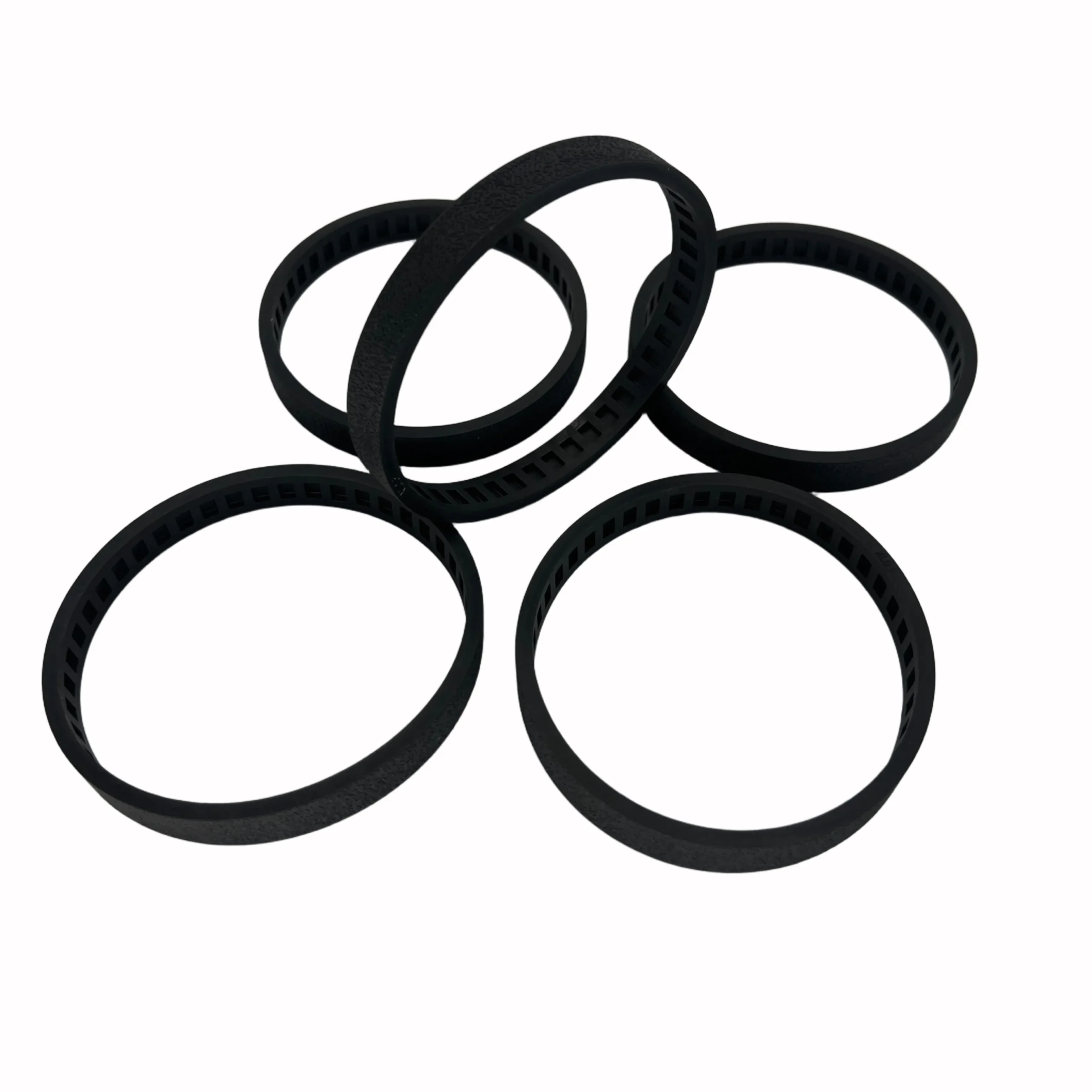
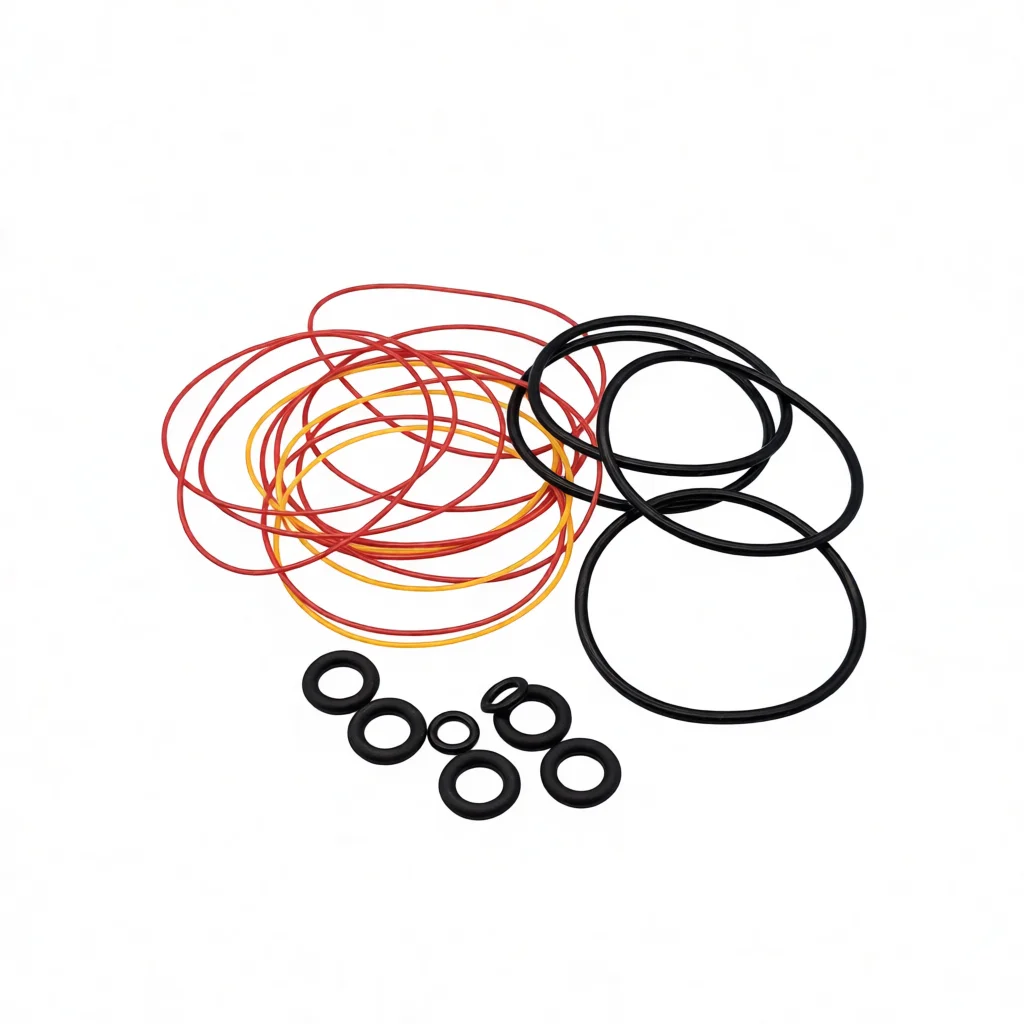
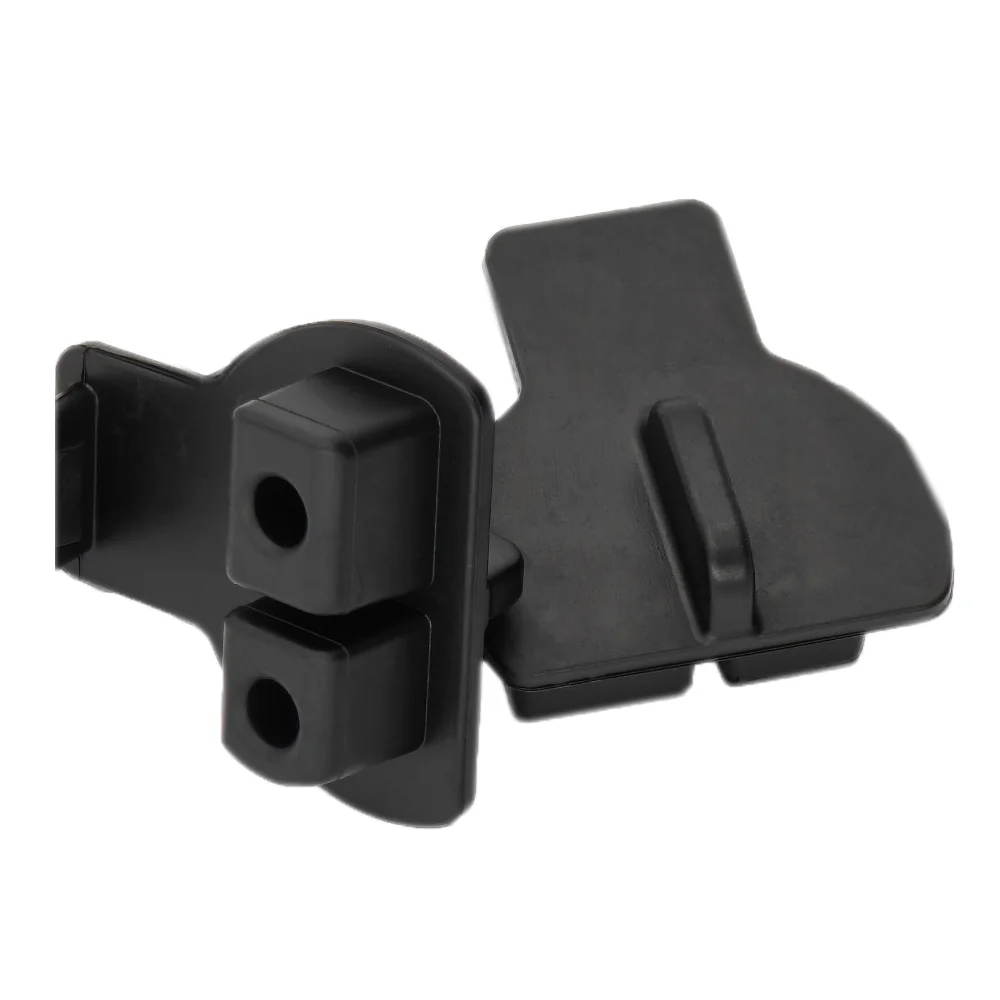
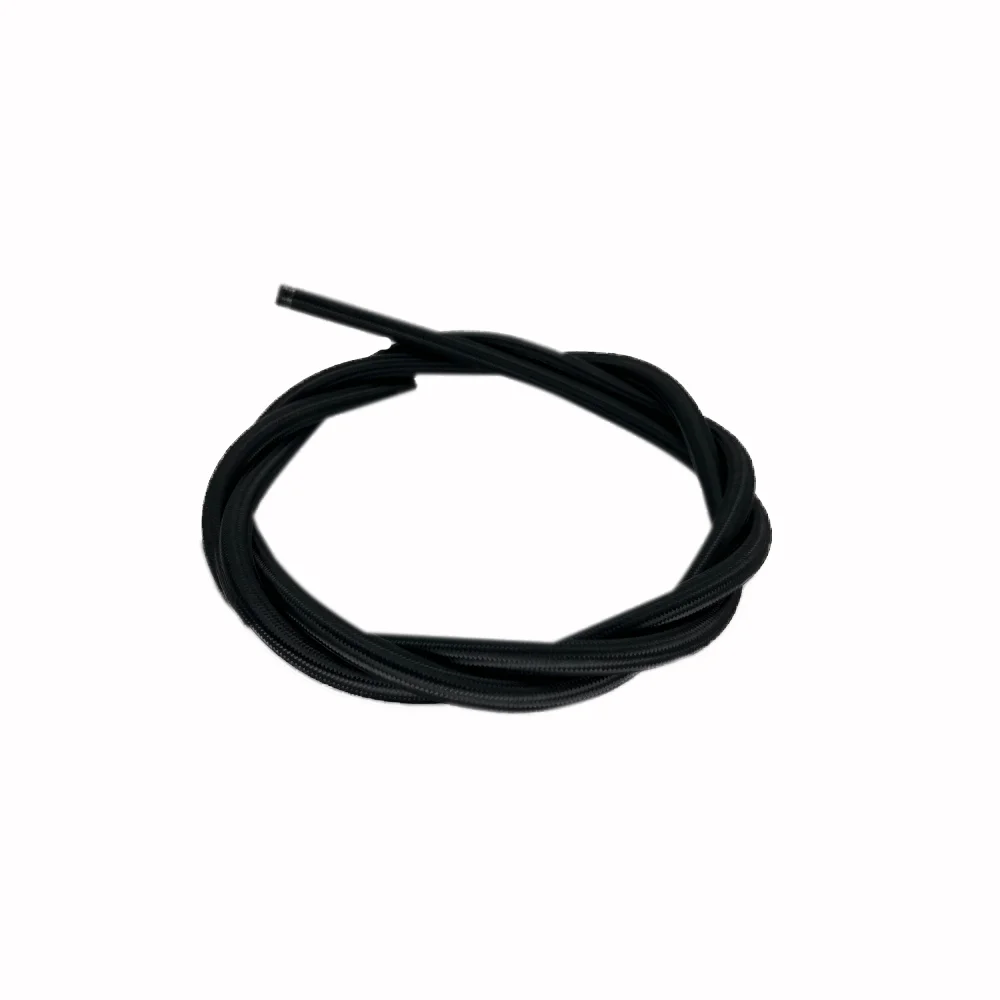
Sunlite provides various rubber sealing solutions for toilet and bathroom applications, including toilet flange seals, rubber rings, and related sealing components. These products are designed to meet the requirements of different toilet structures and installation environments, helping customers reduce leakage risks and replacement frequency.

WC Rubber Products Used in Different Toilet and Bathroom Sealing Applications
Toilet sealing systems contain several connection areas where rubber materials play an important role. Although these components are not visible after installation, their performance directly influences the reliability of the entire toilet system.
The most common application is the connection between the toilet bowl and the drainage pipe. A Toilet Flange Seal is installed between the toilet base and the floor flange to create a waterproof barrier. It fills small gaps between connected surfaces, prevents wastewater leakage, and helps maintain a stable connection between the toilet and drainage system.
Compared with traditional sealing materials, modern rubber-based toilet seals provide better flexibility during installation. They can adapt to slight surface unevenness and maintain compression after installation, which is especially important for large-volume projects where installation conditions may vary.
Another important application is inside toilet water tanks. A cistern sealing ring is commonly used around flush valves, tank outlets, and water inlet connections. These sealing rings prevent water from escaping from the tank while allowing repeated operation of the flushing mechanism.
For sanitary ware distributors and bathroom product suppliers, different toilet models may require different sealing sizes and structures. Therefore, stable production capability and accurate dimensions are important when sourcing WC rubber products for wholesale markets.
Toilet Flange Seal and Rubber Seals: Material Features for Bathroom Environments
Bathroom sealing components operate in a challenging environment. They are exposed to water, humidity, pressure changes, and cleaning products for long periods. Rubber materials are widely selected because they provide the flexibility and durability required for these conditions.
A high-quality Toilet Flange Seal needs to maintain elasticity after long-term compression. During toilet installation, the seal is pressed between the toilet base and flange. If the material loses flexibility over time, gaps may appear and cause leakage problems.
The main material advantages of rubber sealing products include:
Excellent flexibility
Rubber can compress and recover effectively, allowing the seal to adapt to connection surfaces.
Water resistance
Rubber materials are suitable for continuous contact with water and humid bathroom conditions.
Chemical resistance
Bathroom cleaning agents may contain different chemical ingredients, so durable rubber helps maintain stable performance.
Aging resistance
Quality rubber compounds can reduce cracking and hardening caused by long-term use
.
Dimensional stability
Accurate size control helps ensure compatibility with different toilet components.
For products such as rubber toilet rings, toilet bowl seals, and flush valve seals, consistent material performance is particularly important. Wholesale buyers usually require suppliers to maintain stable specifications across large production batches because even small dimensional differences can affect installation efficiency.
Cistern Sealing Ring and Toilet Tank Rubber Components for Water Control
The toilet tank system depends on multiple sealing points to control water flow. A cistern sealing ring is one of the key rubber components used to prevent water leakage between tank parts.
During flushing, the toilet system experiences repeated movement and water pressure changes. The sealing ring must maintain a tight connection while allowing the flush mechanism to operate smoothly. Poor-quality sealing materials may become harder over time, resulting in slow leaks, water waste, or frequent maintenance.
Common applications of toilet tank rubber components include:
Flush valve sealing
The flush valve area requires a reliable rubber seal to control water release from the tank. The seal needs to open and close repeatedly without losing its shape.
Tank-to-bowl connection
The connection between the toilet tank and bowl requires a durable gasket or rubber ring. This area experiences both weight pressure and water exposure, making sealing performance critical.
Water inlet connection
Rubber washers and sealing rings are used in inlet valve connections to prevent water leakage around threaded fittings.
For bathroom accessory suppliers, these small rubber components are often supplied together with toilet repair kits, sanitary hardware products, and plumbing replacement parts. Stable supply of different sealing rings allows distributors to meet various market demands.
How to Choose Suitable Toilet Rubber Seals for Wholesale Supply
When sourcing toilet sealing products, buyers usually focus on several practical factors rather than appearance. The most important considerations include material quality, product compatibility, manufacturing consistency, and replacement convenience.
A reliable supplier should provide rubber seals with: Accurate dimensions matching common toilet models; Stable rubber hardness and elasticity; Smooth surface without manufacturing defects; Consistent quality between production batches and Packaging suitable for storage and transportation
For example, a toilet seal replacement cost is often influenced by both the seal price and the labor required for replacement. A low-cost sealing product that fails quickly may increase maintenance expenses for property projects, distributors, and service providers.
Therefore, many professional buyers prefer durable sealing components that can provide longer service intervals. Selecting suitable rubber materials at the purchasing stage helps reduce after-sales issues and improves customer satisfaction.
Installation, Replacement and Maintenance of Toilet Sealing Products
Replacing toilet seals is usually related to leakage problems, aging materials, or toilet renovation projects. Common replacement products include toilet flange seals, rubber toilet rings, wax-free toilet seals, and tank sealing components.
A typical replacement process includes:
1. Removing the toilet or opening the related connection area.
2. Cleaning old sealing material and checking the connection surface.
3. Installing the new rubber seal in the correct position.
4. Ensuring proper compression without damaging the seal.
5. Testing the toilet system for leakage after installation.
Compared with frequent repairs caused by poor sealing performance, using reliable rubber components can reduce long-term maintenance expenses. For example, selecting a suitable toilet seal replacement cost solution means balancing initial product price with service life and installation efficiency.
Regular inspection is also important in commercial buildings, hotels, public facilities, and large residential projects. Checking toilet tank seals and drainage connections can help identify small leakage problems before they develop into larger maintenance issues.
For wholesalers, distributors, and sanitary ware suppliers, choosing suitable WC rubber products is essential for maintaining reliable toilet installation performance. Sealing components such as Toilet Flange Seal, toilet wax rings, rubber toilet seals, and cistern sealing ring are small parts, but they directly affect water leakage prevention, installation stability, and long-term maintenance costs.