Select Language
 Understanding High Temperature Rubber O Rings: Why They Matter Globally
At first glance, high temperature rubber o rings might seem like a niche industrial part, but their global significance is surprisingly vast—and frankly, quite fascinating. These small yet mighty components ensure that countless machines, vehicles, and systems keep running smoothly in environments where extreme heat would otherwise cause seals to fail. From aerospace engines to chemical manufacturing plants and even humanitarian water systems in arid regions, understanding how these o rings work and why they endure harsh temperatures benefits industries and societies worldwide.
According to ISO standards on elastomeric materials, failure to use the right sealing solutions in high-temperature conditions often leads to catastrophic leaks, safety threats, and costly downtime. So, getting a grasp on the best materials—and how they perform—is not just a technical challenge but a key factor in global industrial safety, sustainability, and innovation.
Mini Takeaway:
- High temperature rubber o rings play crucial roles in sealing applications exposed to heat.
- Proper selection helps avoid leaks and failures, driving safety and efficiency globally.
The Global Context: Why High Temperature Rubber O Rings Are Vital
Industries everywhere are pushing equipment to operate at higher temperatures to improve efficiency and reduce emissions. The World Bank estimates that industrial heat demand will rise by 20% over the next decade, which means seals must keep pace with tougher environments.
Consider chemical plants in Southeast Asia, aerospace companies in North America, or power utilities in the Middle East. All depend on o rings that can resist thermal expansion, oxidative degradation, and chemical corrodents. Without these resilient seals, critical machinery would succumb to frequent failures, triggering costly repairs and potential environmental harm.
Oddly enough, even humanitarian efforts sometimes rely on these materials. For example, water purification systems deployed in hot climates depend on durable seals that won’t crack under harsh heat. So, these devices indirectly support clean water access—an essential UN sustainable development goal.
Mini Takeaway:
- High temperature sealing needs cut across many regions and industries.
- They support sustainability and safety at a global scale, from manufacturing to humanitarian aid.
Defining High Temperature Rubber O Rings
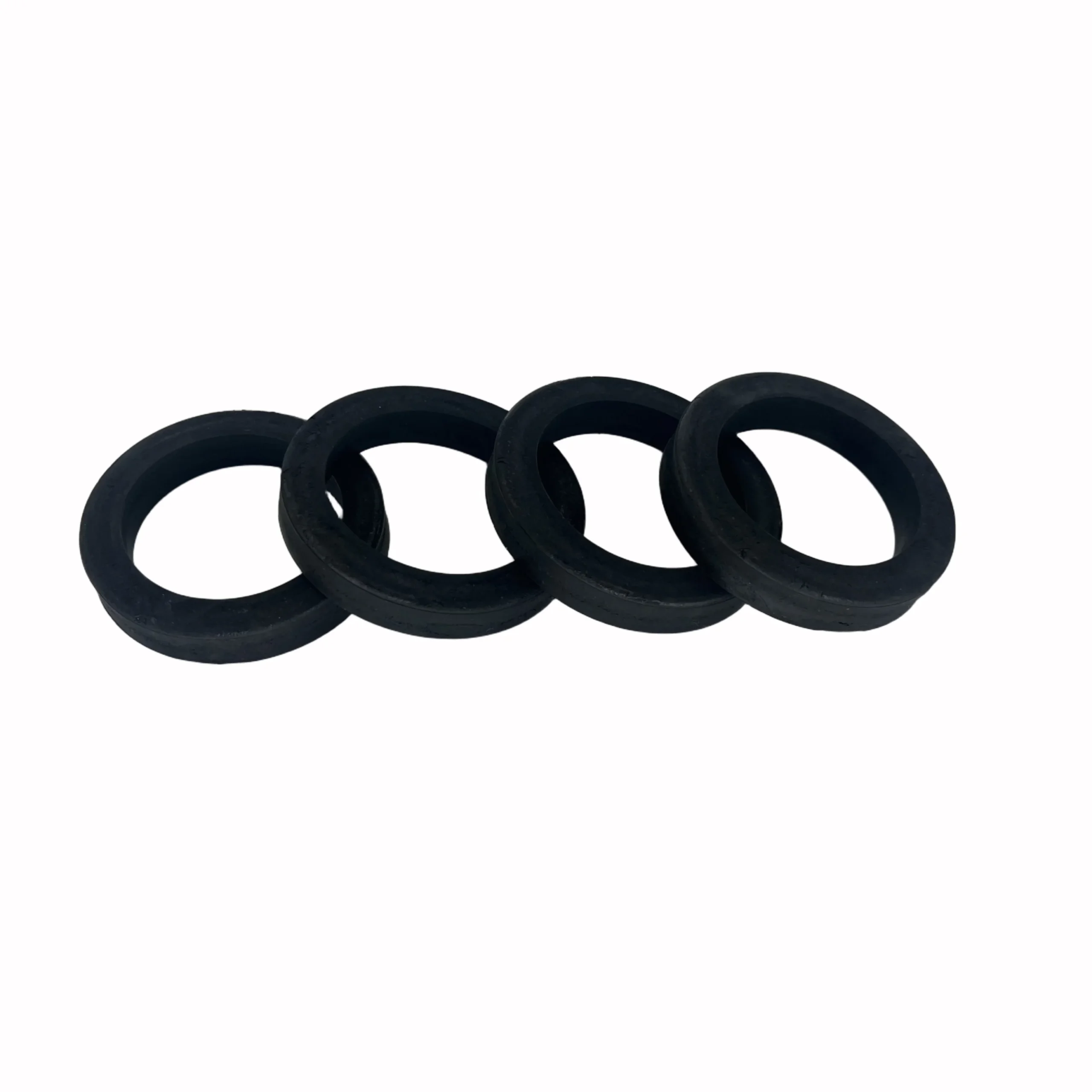
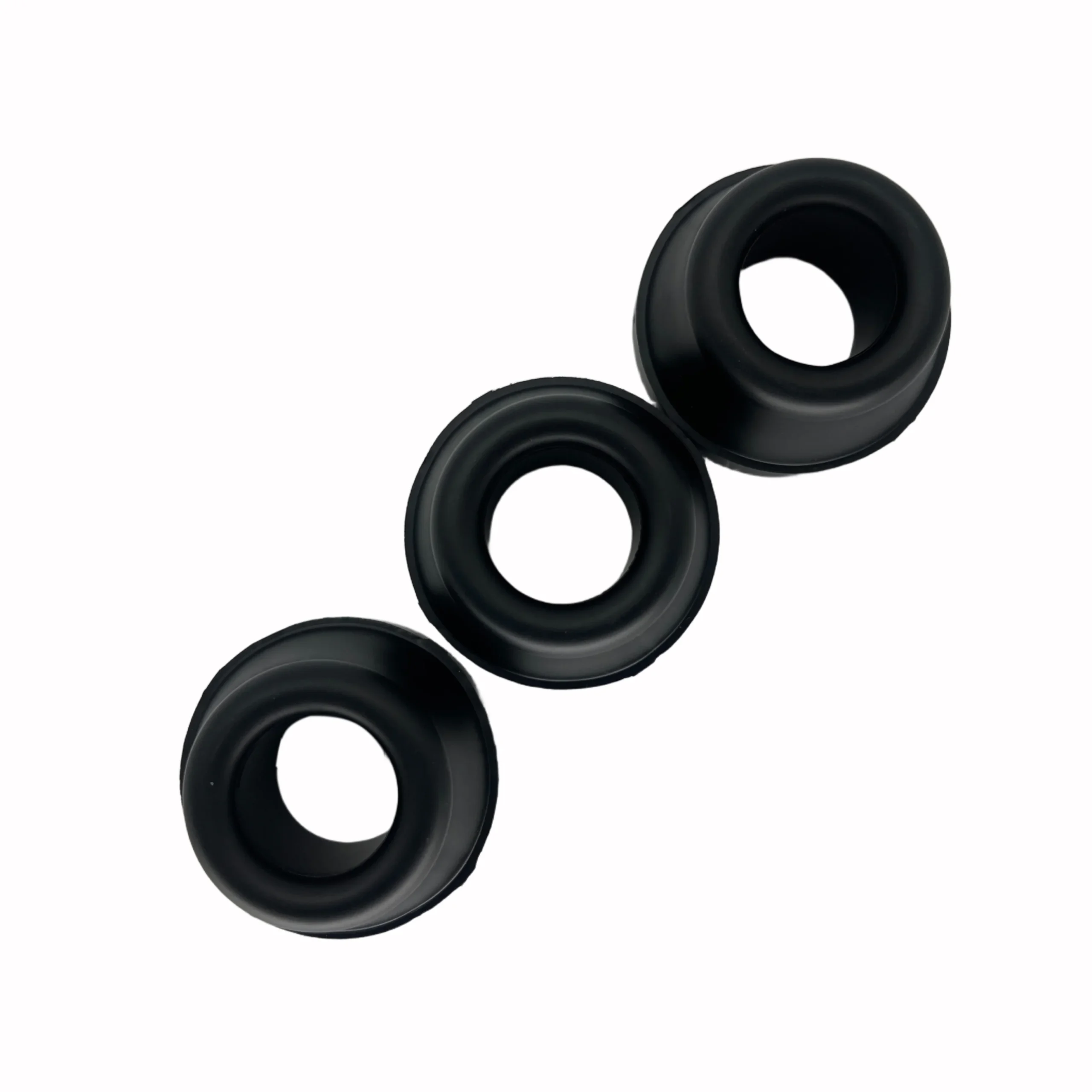
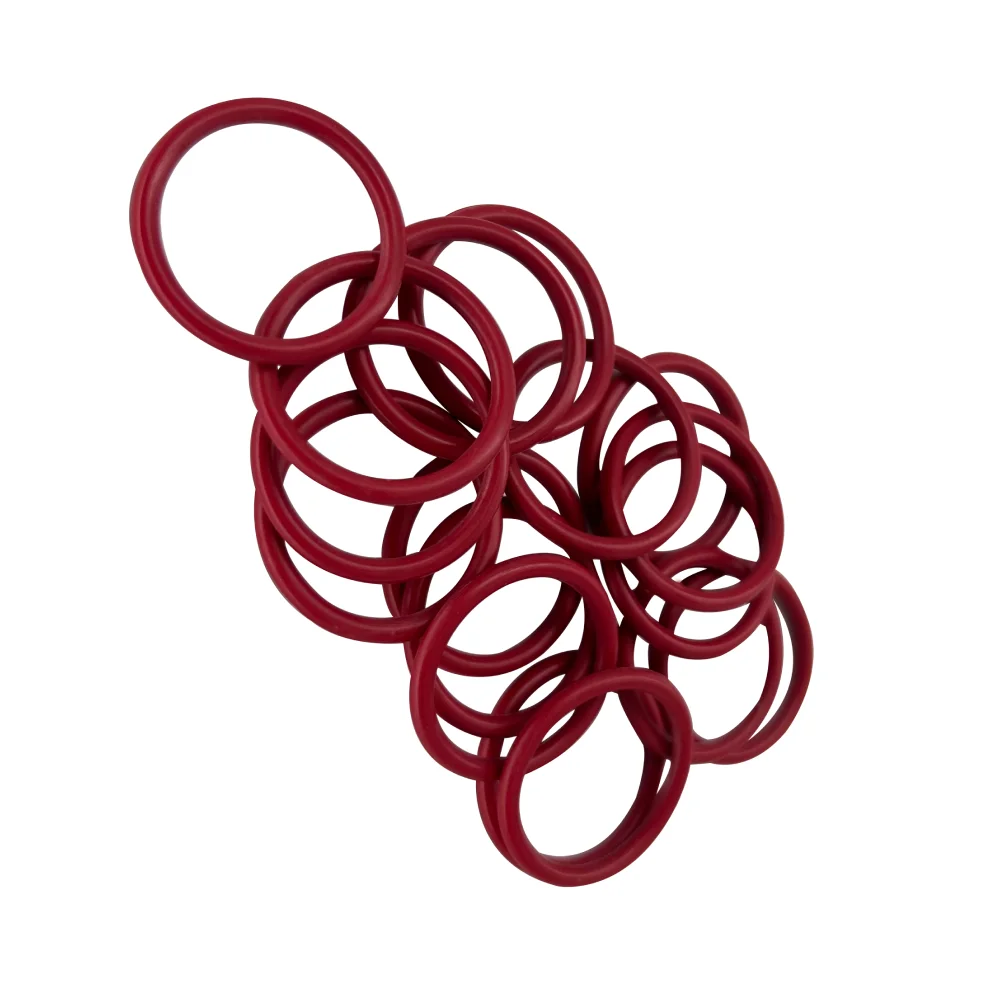
Simply put, high temperature rubber o rings are circular elastomer seals made from specially formulated polymers designed to maintain their sealing integrity at elevated temperatures—often ranging anywhere from 150°C (302°F) up to 300°C (572°F), depending on the material.
Unlike typical rubber o rings, these utilize compounds like silicone, fluorosilicone, or perfluoroelastomer (FFKM) that resist heat-induced degradation such as hardening, cracking, or dimensional changes. This ability keeps equipment leak-proof and safe, even when exposed to steam, hot oil, or aggressive industrial chemicals.
In modern industry, they are essential components in engines, valves, pumps, and static sealing applications. Yet their usage is not just industrial; clean energy projects and emergency response gear also rely on these seals to maintain operational integrity under intense heat.
Mini Takeaway:
- High temperature rubber o rings are engineered elastomers optimized for extreme heat resistance.
- They ensure reliable sealing performance in critical equipment and harsh environments.
Key Characteristics of High Temperature Rubber O Rings
1. Durability Under Thermal Stress
Thermal expansion can distort seals, causing leaks. Materials like FFKM and fluorosilicone offer excellent thermal stability maintaining elasticity and preventing deformation at elevated temperatures.
2. Chemical Resistance
These o rings face not just heat but often corrosive fluids—oils, acids, or steam. Their resistance to chemical attack ensures long service life even in hostile conditions.
3. Compression Set Resistance
Measures how well the seal bounces back after being squeezed. A good high temp o ring resists permanent deformation, preventing leaks despite repetitive pressure cycling.
4. Versatility and Customization
Depending on application, these o rings are made in various sizes, durometers (firmness), and compound blends to meet specific temperature and chemical profiles.
5. Cost Efficiency
While premium materials cost more upfront, increased durability reduces downtime and replacement frequency, proving economical in the long run.
Mini Takeaway:
- Successful high temperature sealing requires balancing several key material and design factors.
- Material choice directly impacts lifespan, safety, and application range.
Product Specifications Overview
| Material | Max Temperature | Chemical Resistance | Typical Use Case | Durometer (Shore A) |
|---|---|---|---|---|
| Silicone | 200°C (392°F) | Moderate | Food, Medical, Automotive | 50–70 |
| Fluorosilicone | 230°C (446°F) | Excellent oil & fuel | Aerospace, Fuel Systems | 60–80 |
| Perfluoroelastomer (FFKM) | 300°C (572°F) | Superior, most chemicals | Chemical Processing, Pharma | 75–85 |
Global Applications & Real-World Examples
These resilient seals keep the chemical reactors of South Korea humming, prevent leaks in oil pipelines across the Middle East, and ensure the reliability of ventilation systems in European aerospace hubs. Oddly enough, they’ve even been found critical in geothermal power plants in Iceland, where extreme ground temperatures challenge conventional materials.
Relief organizations working in hot climates rely on high temperature o rings in potable water treatment units. This seemingly small component lives at the heart of efforts to provide safe drinking water in regions of Africa and Asia where heat and dust are constant challenges.
Mini Takeaway:
- From aerospace to humanitarian aid, their applications are broad and impactful.
- Reliable sealing directly supports sustainability and safety worldwide.
Advantages & Long-Term Value
Frankly, the benefits stretch beyond just engineering specs. Using the right high temp o rings means fewer leaks, less downtime, and a safer working environment. There's an emotional comfort, too, in knowing that vital equipment can withstand harsh situations—whether it’s an industrial valve or a water purification system saving lives.
Long-term, this contributes to sustainability: fewer replacements, less waste, and better resource use. And because leaks can lead to emissions of toxic substances, reliable seals directly help companies meet environmental regulations and build trust with communities.
Vendor Comparison Snapshot
| Vendor | Material Range | Custom Sizes | Price Range | Lead Time |
|---|---|---|---|---|
| SunliteTek | Silicone, FFKM | Yes | $$$ | 2–3 weeks |
| PolySeal Co. | Fluorosilicone, EPDM | Limited | $$ | 4–5 weeks |
| HeatSeal Inc. | FFKM only | Yes | $$$$ | 1–2 weeks |
Emerging Trends & Innovations
Materials science is pushing the boundaries—look out for bio-based elastomers aiming to reduce environmental footprint without sacrificing heat resistance. Digital manufacturing techniques like 3D printing are beginning to offer customized seal geometries that optimize performance beyond traditional designs.
Sustainability initiatives are also influencing supply chains as companies strive to meet stricter carbon targets. Plus, automation in process industries demands seals that maintain precision and longevity even under continuous operation.
Mini Takeaway:
- Expect greener materials and smarter manufacturing in future high temp o ring production.
- Innovation supports both environmental goals and industrial reliability.
Challenges & Practical Solutions
Of course, no technology is without hurdles. Sourcing materials that balance heat resistance and flexibility can be tricky. Over time, exposure to fluctuating temperatures causes seal fatigue, and improper installation risks premature failure.
Experts recommend stringent quality testing—like accelerated aging and compression set measurement—and selecting vendors who provide detailed material certifications. Using proper installation tools and training maintenance teams mitigate many on-site problems.
FAQs: Your Questions on High Temperature Rubber O Rings
- Q: How do high temperature rubber o rings differ from standard o rings?
- A: They are made from specialized elastomers that can handle elevated temperatures and harsh chemicals without deforming or failing prematurely.
- Q: Can these o rings be used in food-grade applications?
- A: Yes, silicone-based high temperature o rings often meet food-grade standards, but verifying certifications is essential.
- Q: What is the typical lifespan of these seals in hot industrial environments?
- A: Lifespan varies widely but generally ranges from 2 to 5 years depending on temperature, chemical exposure, and mechanical stress.
- Q: Are custom sizes expensive to order?
- A: Customized solutions usually cost more but often save money overall by improving sealing reliability and reducing downtime.
- Q: Where can I find reliable suppliers for high temperature rubber o rings?
- A: Specialist vendors like SunliteTek offer a range of materials, certifications, and custom manufacturing options.
Conclusion & Call to Action
In real terms, investing in the right high temperature rubber o rings is investing in reliability, safety, and sustainability. Whether it’s powering a factory, enabling clean water access, or advancing aerospace technology, these seals quietly make a huge difference. If you want to dive deeper, check out SunliteTek—your partner for expertly crafted, high-performance sealing solutions.
Stay safe, keep innovating, and remember: the smallest components can have the biggest impact.
Quick Reference Notes:
- ISO 3601-1:2012 - Fluid power systems — O-rings standards
- World Bank (2021) - Global Industrial Heat Demand Report
- United Nations SDG - Clean Water and Sanitation (Goal 6)

Understanding High Temperature Rubber O Rings: Why They […]