Select Language
 Understanding Fluorocarbon FKM O Rings: The Unsung Heroes of Modern Industry
At first glance, a fluorocarbon FKM O ring might sound like something straight out of a chemistry class, or maybe a small, unremarkable part hidden deep inside a machine. But here’s the thing — these little rings are everywhere. They form tight seals in engines, pipelines, even aerospace equipment. Globally, the demand for reliable sealing solutions has skyrocketed with industrial growth, especially in sectors where safety and durability can’t be compromised.
Why does this matter? Well, the integrity of systems in oil and gas, automotive industries, or even space missions can hinge on the quality of these seals. Understanding the nuances of fluorocarbon FKM O rings means better performance, less downtime, and often, safer work environments worldwide.
Global Context: Why the Fluorocarbon FKM O Ring Is So Crucial
Fluorocarbon (FKM) O rings have come a long way from their initial industrial roots. According to ISO standards, these elastomeric seals are rated for extreme chemical and temperature resistance — qualities that industrial processes increasingly demand. Take the oil and gas sector, for instance: global production and consumption patterns are pushing equipment to operate in tougher environments, from Arctic drilling to deep offshore rigs.
In this environment, the fluorocarbon FKM O ring addresses a key problem — preventing leaks and ensuring equipment longevity where failure isn’t an option. Problems like chemical degradation, thermal breakdown, or pressure escape can mean costly repairs, environmental hazards, or even catastrophic failures.
Mini takeaway: The fluorocarbon FKM O ring plays a vital role in securing operations across high-stakes, high-reliability industries globally.
What Is a Fluorocarbon FKM O Ring?
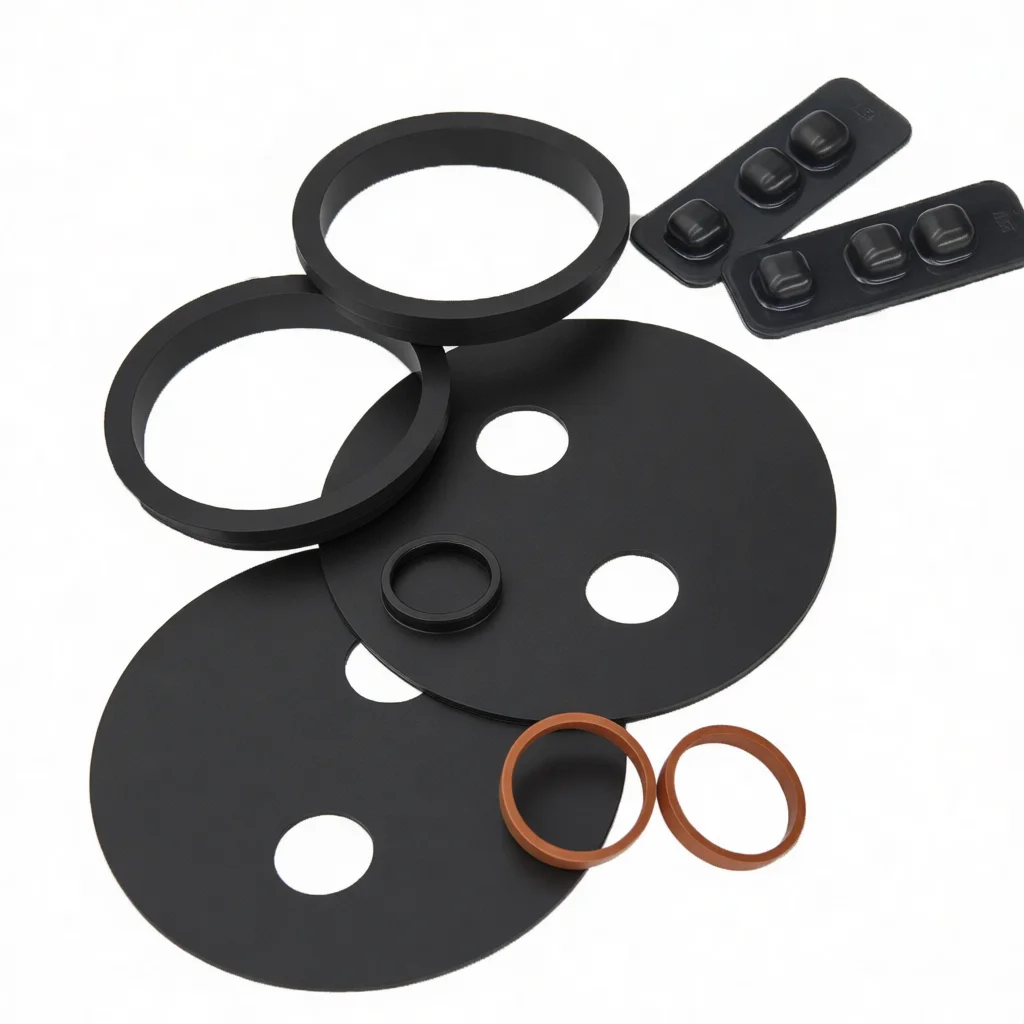
In simple terms, a fluorocarbon FKM O ring is a circular elastomer seal made primarily from fluorocarbon polymers, widely known under trademarks like Viton®. These materials are prized for resistance to heat, chemicals, and oils. The “O ring” shape is just a donut-shaped gasket designed to fit snugly between parts to prevent leakage of gases or liquids.
Why does this matter to modern industry? Because with the increasingly harsh chemicals, higher temperatures, and the need for long service life, traditional rubber or silicone rings often just don’t cut it. The versatility of FKM O rings means they are key components in automotive fuel systems, aerospace hydraulics, and even in medical devices where precision sealing is essential.
Mini takeaway: The fluorocarbon FKM O ring is a specialized, high-performance seal crucial to many industrial and safety-critical applications.
Key Factors That Define Fluorocarbon FKM O Rings
1. Durability and Chemical Resistance
Fluorocarbon elastomers handle oils, fuels, acids, and other aggressive chemicals without swelling or losing elasticity. This gives industries the confidence that seals won’t degrade quickly under harsh conditions.
2. Temperature Range
Operating temperatures for FKM O rings can range from about -26°C (-15°F) up to 204°C (400°F), sometimes higher with special formulations. This wide range covers most industrial needs, from cold storage lines to hot engine parts.
3. Compression Set Resistance
In real terms, this means the seal can maintain its shape and springiness after being compressed continuously. It won’t flatten out, which could cause leaks or failure.
4. Versatility and Customization
Different grades exist based on hardness, fillers, and special additives for enhanced UV resistance or fuel compatibility, making them adaptable across sectors.
5. Cost Efficiency Over Time
While fluorocarbon FKM O rings may have a higher upfront cost than generic seals, their long service life and fewer replacements often translate into better value overall.
Product Specification Table: Typical Fluorocarbon FKM O Ring
| Property | Typical Values | Units |
|---|---|---|
| Hardness (Shore A) | 75 ±5 | - |
| Operating Temp Range | -26 to 204 | °C |
| Tensile Strength | 10-15 | MPa |
| Elongation at Break | 100-200 | % |
| Compression Set (22 h @ 200°C) | ≤25 | % |
Global Applications & Use Cases
Fluorocarbon FKM O rings aren’t just an industrial commodity; they’re a worldwide necessity. In North America, the automotive industry heavily relies on these components to meet stricter emissions standards — without them, fuel injection and turbocharger systems wouldn’t operate efficiently.
Asia’s vast petrochemical plants use FKM seals daily, where exposure to sour gas and extreme temps demands ongoing precision. Even humanitarian efforts benefit: rugged water purification units designed for disaster zones might employ these O rings to keep contaminants out, ensuring safe drinking water.
One case study involved a European aerospace manufacturer that prevented costly downtime by switching to a specialized fluorocarbon FKM that resisted rapid thermal cycling on jet engines, increasing seal lifespan by 30%. This kind of reliability literally keeps planes in the air.
Mini takeaway: From heavy industry to humanitarian tech, fluorocarbon FKM O rings keep systems safe and functional across the globe.
Vendor Comparison: Leading Fluorocarbon FKM O Ring Suppliers
| Supplier | Specialty | Price Range per 100 units | Lead Time | Country |
|---|---|---|---|---|
| SunliteTek | Custom sizes & high-temp grades | $120 - $200 | 2 weeks | USA |
| O-Ring Specialists | Extensive material research & certification | $130 - $220 | 3 weeks | Germany |
| SealPro | Budget-friendly with standard specs | $90 - $150 | 1 week | China |
Advantages & Long-Term Value
It’s tempting to skimp on sealing parts, but fluorocarbon FKM O rings prove their worth through increased operational uptime, fewer emergency fixes, and environmental safety. They offer logical advantages — reduced waste and lifecycle costs — alongside emotional benefits like peace of mind that pressurized systems won’t fail unexpectedly.
For industries where safety and precision underpin trust, employing these rings means safeguarding human lives and ecosystems. Oddly enough, a small, simple circular ring can be a pillar of innovation and responsibility.
Future Trends & Innovations in Fluorocarbon FKM O Rings
Looking ahead, fluorocarbon-based materials are evolving to support green energy applications and digital manufacturing methods. Research into bio-based fluoropolymers aims to reduce environmental footprints without sacrificing performance. Plus, additive manufacturing (3D printing) might soon enable custom FKM O rings with complex geometries on-demand, radically transforming supply chains.
Incorporating smart sensors directly into seals is a nascent idea that could allow real-time pressure or wear monitoring, adding a digital layer of safety in critical systems. It’s an exciting intersection of materials science and Industry 4.0.
Challenges & Solutions
Of course, fluorocarbon FKM O rings aren’t perfect. Challenges include higher costs, potential issues in very low temperature environments, and supply chain bottlenecks. But innovations like hybrid elastomers and improved production scaling are mitigating these. And organizations like the ASTM International continually update performance standards, helping maintain quality.
FAQ: Frequently Asked Questions About Fluorocarbon FKM O Rings
- Q: How do fluorocarbon FKM O rings differ from standard rubber seals?
A: FKM O rings are specially formulated to withstand chemicals, high temperatures, and oil exposure better than standard rubber. This gives them longer service life in extreme conditions, especially in automotive and industrial applications. - Q: Can I use fluorocarbon FKM O rings in food manufacturing equipment?
A: Some grades of FKM comply with FDA standards for incidental food contact. However, you must verify the specific material certification and its suitability for the chemicals and temperature ranges involved. - Q: What is the typical lifespan of a fluorocarbon FKM O ring under normal industrial use?
A: Lifespan varies, but generally, FKM O rings last 5-10 years if installed properly and used within recommended temperature and chemical limits, significantly longer than many alternative seals. - Q: How customizable are fluorocarbon FKM O rings?
A: Quite customizable! They can be manufactured in various sizes, hardness levels, and formulations to match specific environmental and mechanical needs, ensuring optimal sealing solutions.
Final Thoughts
Ultimately, fluorocarbon FKM O rings might not grab headlines, but they quietly support some of the most demanding, high-precision operations worldwide. Their combination of toughness, adaptability, and reliability embodies modern engineering at a small scale.
If you’re exploring options or want more details on how these seals can enhance your projects, fluorocarbon FKM O ring providers like SunliteTek offer both expertise and customization to meet complex industrial needs.
Sometimes, success in engineering boils down to trusting the right seal.
1. Wikipedia: O-ring
2. ISO Standards for Elastomeric Materials
3. ASTM International

Understanding Fluorocarbon FKM O Rings: The Unsung Hero […]