Select Language
 The Quiet Workhorse of Safer Packs: A Field Note on the rubber battery pad
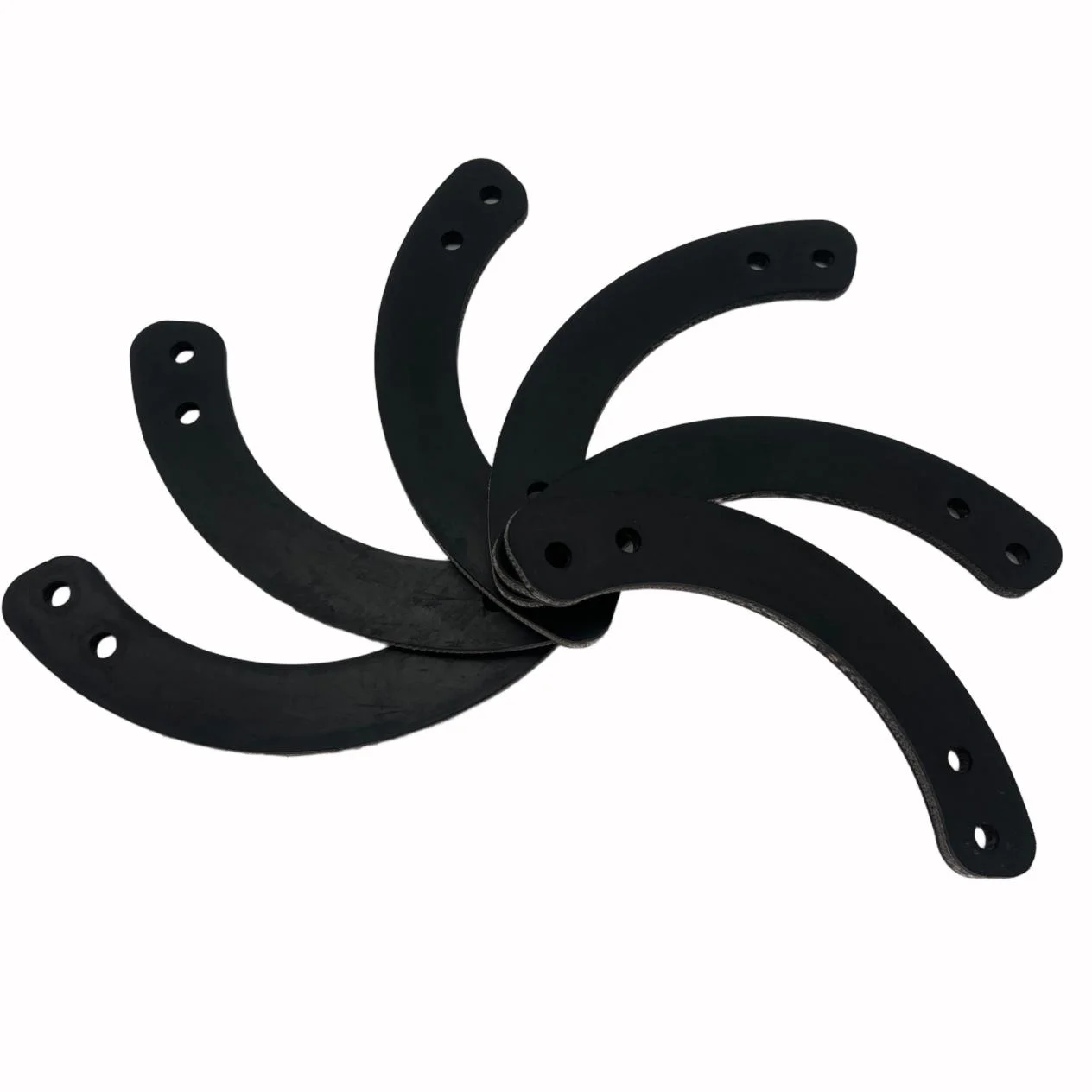
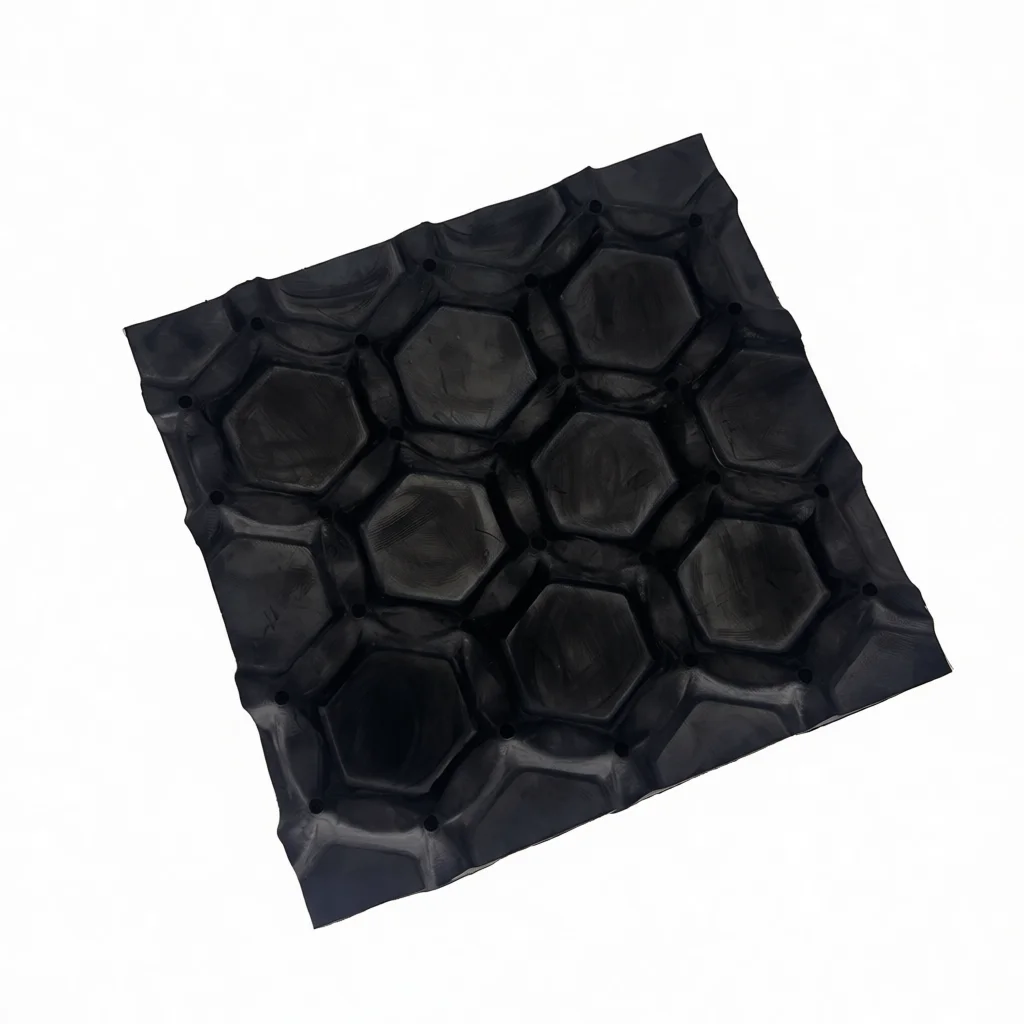
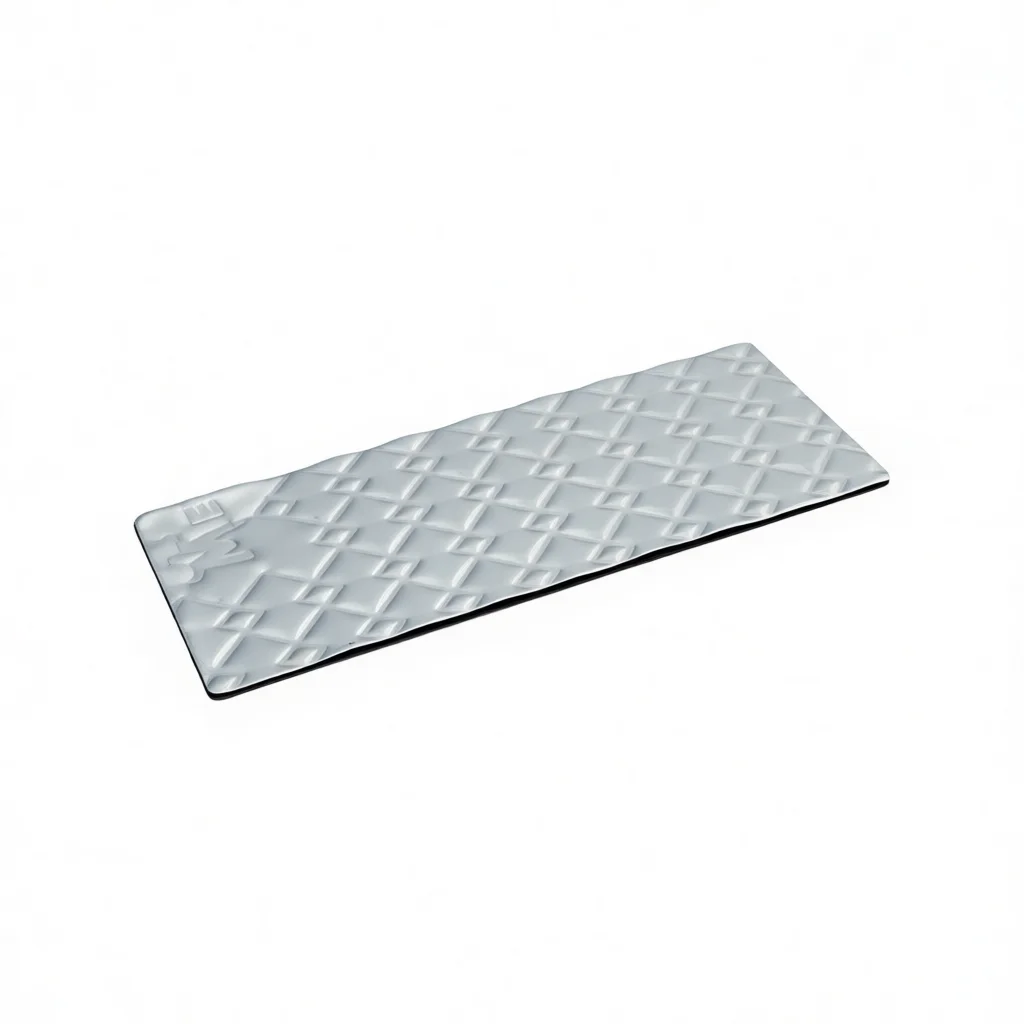
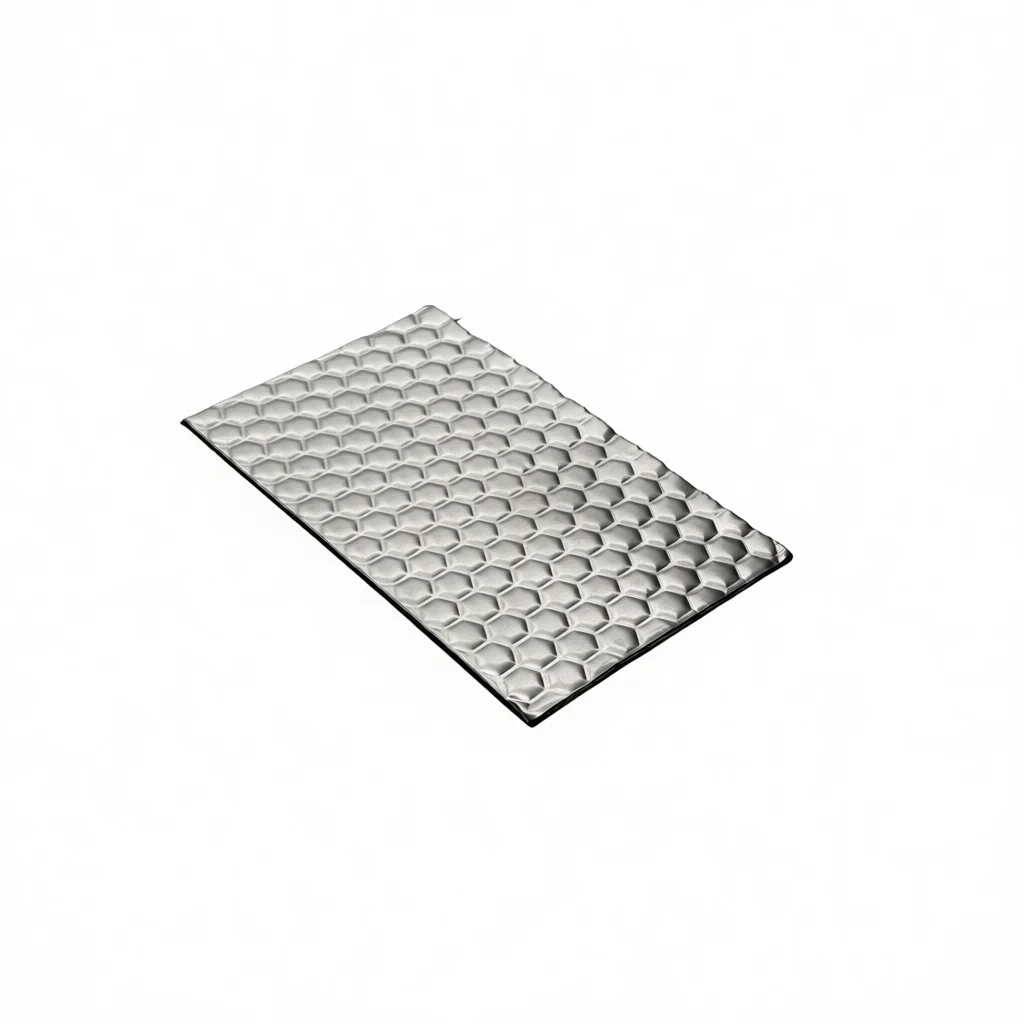
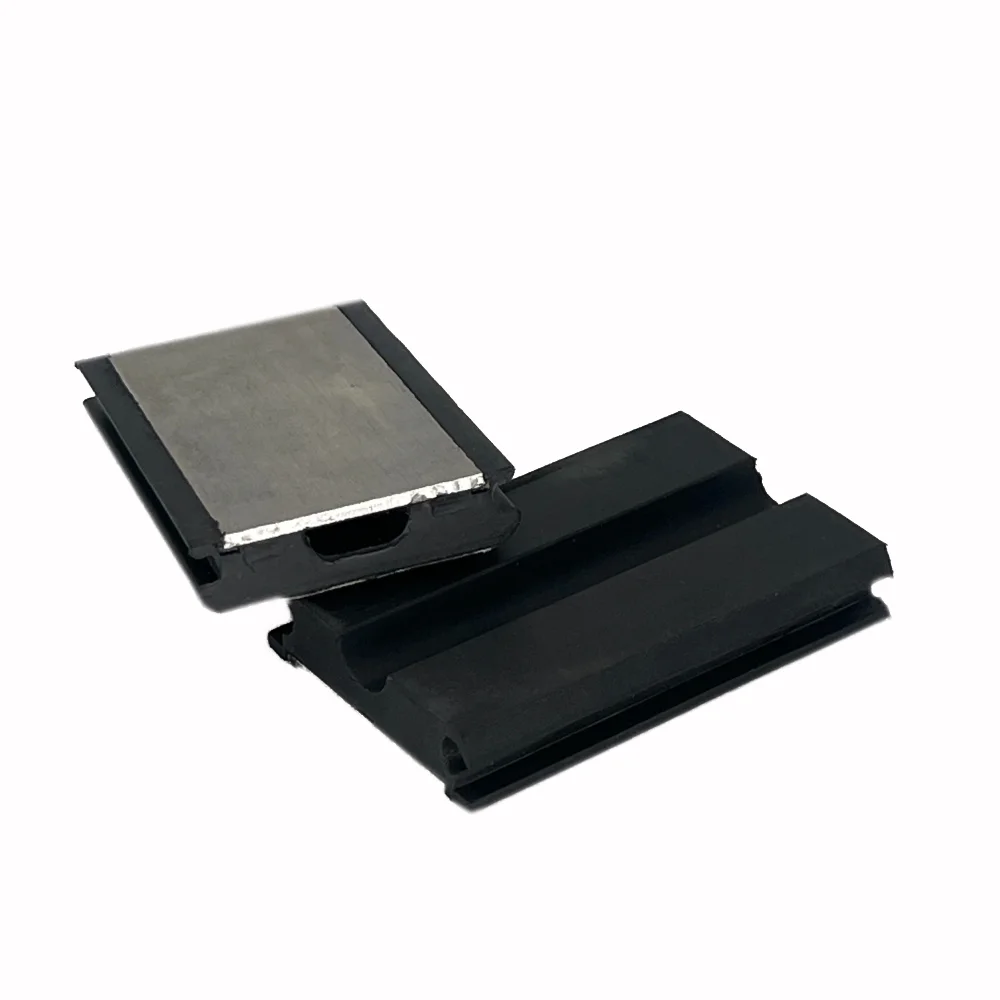
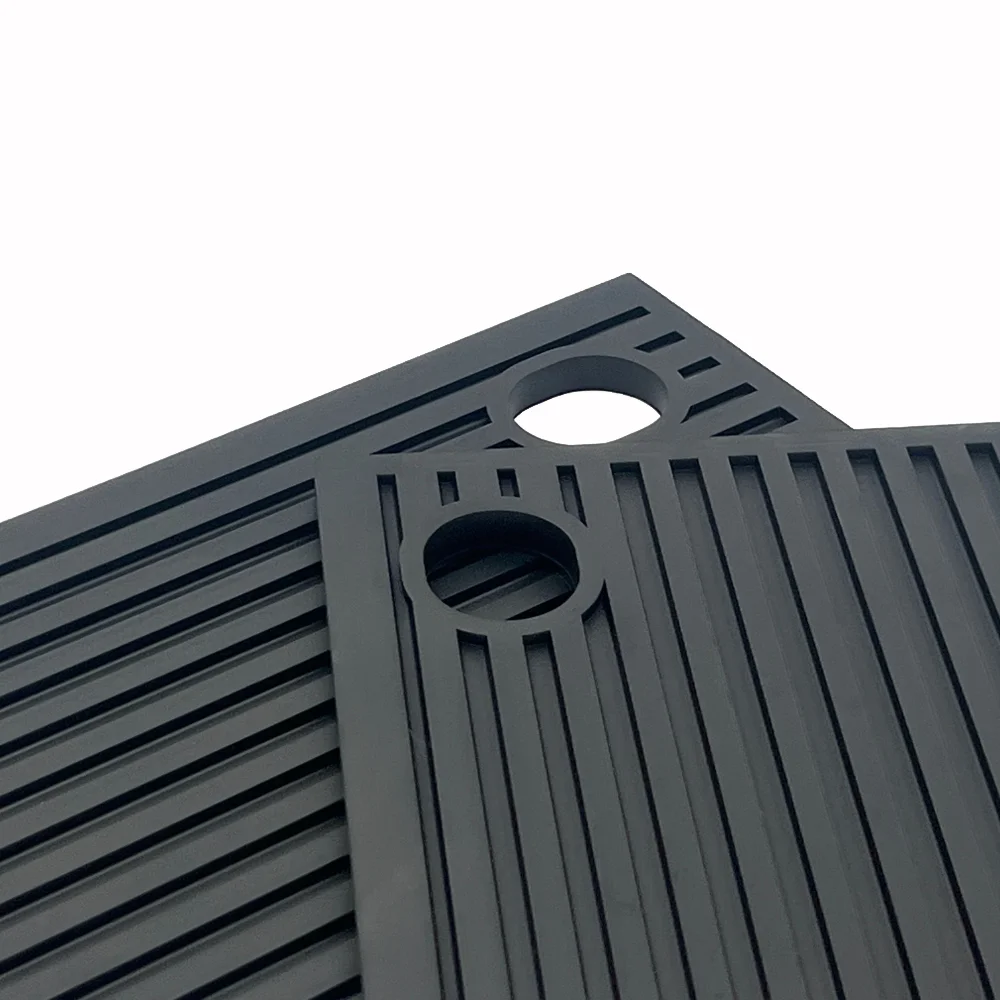
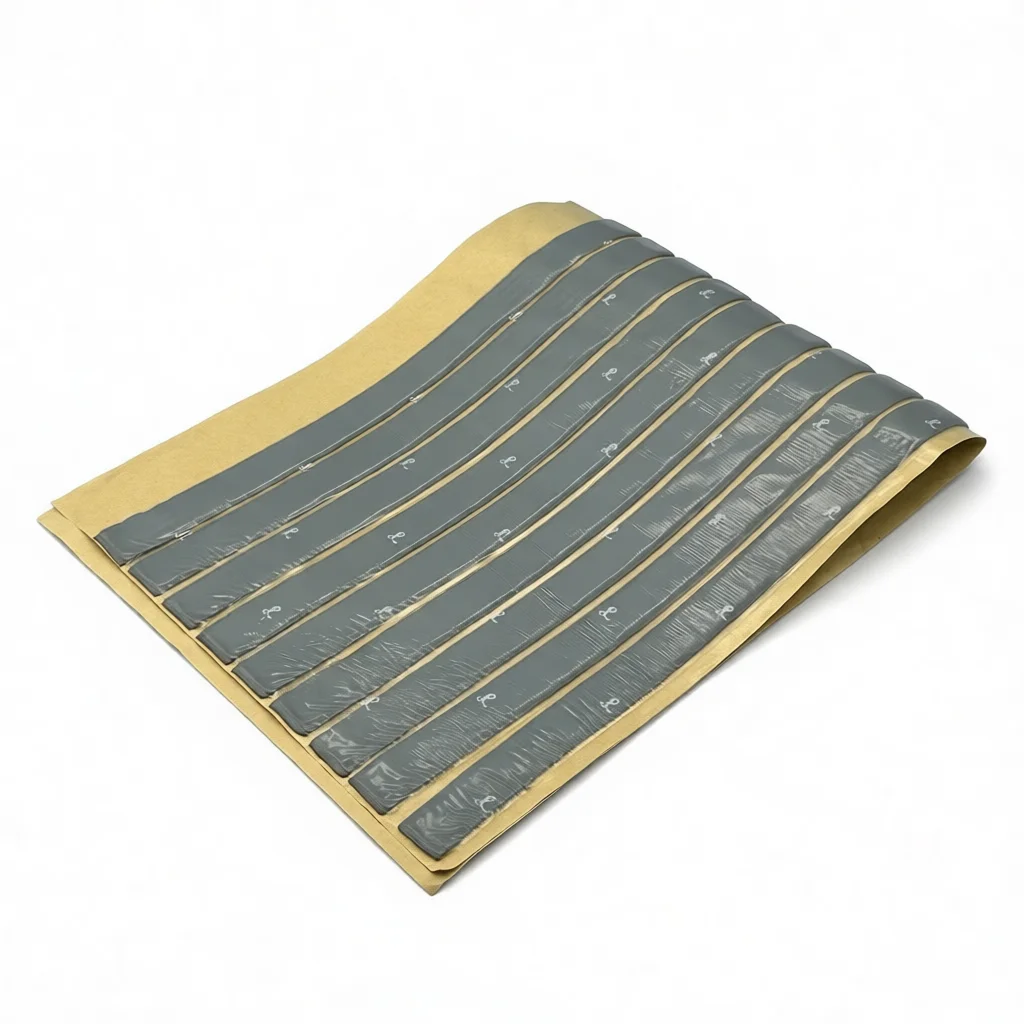
Spend enough time around pack engineers and you’ll notice a recurring hero in the BOM: the humble EPDM pad between cells and frames. Sounds boring; it isn’t. In EVs, ESS racks, scooters, even industrial AGVs, the right pad keeps cells positioned, dampens shock, and helps win the flammability fight. This one—an EPDM, UL94 V-0, high-rebound strip purpose-built for battery packs—has been doing the rounds in Dongguan factories and, to be honest, it’s gaining fans for staying put for years without creeping.
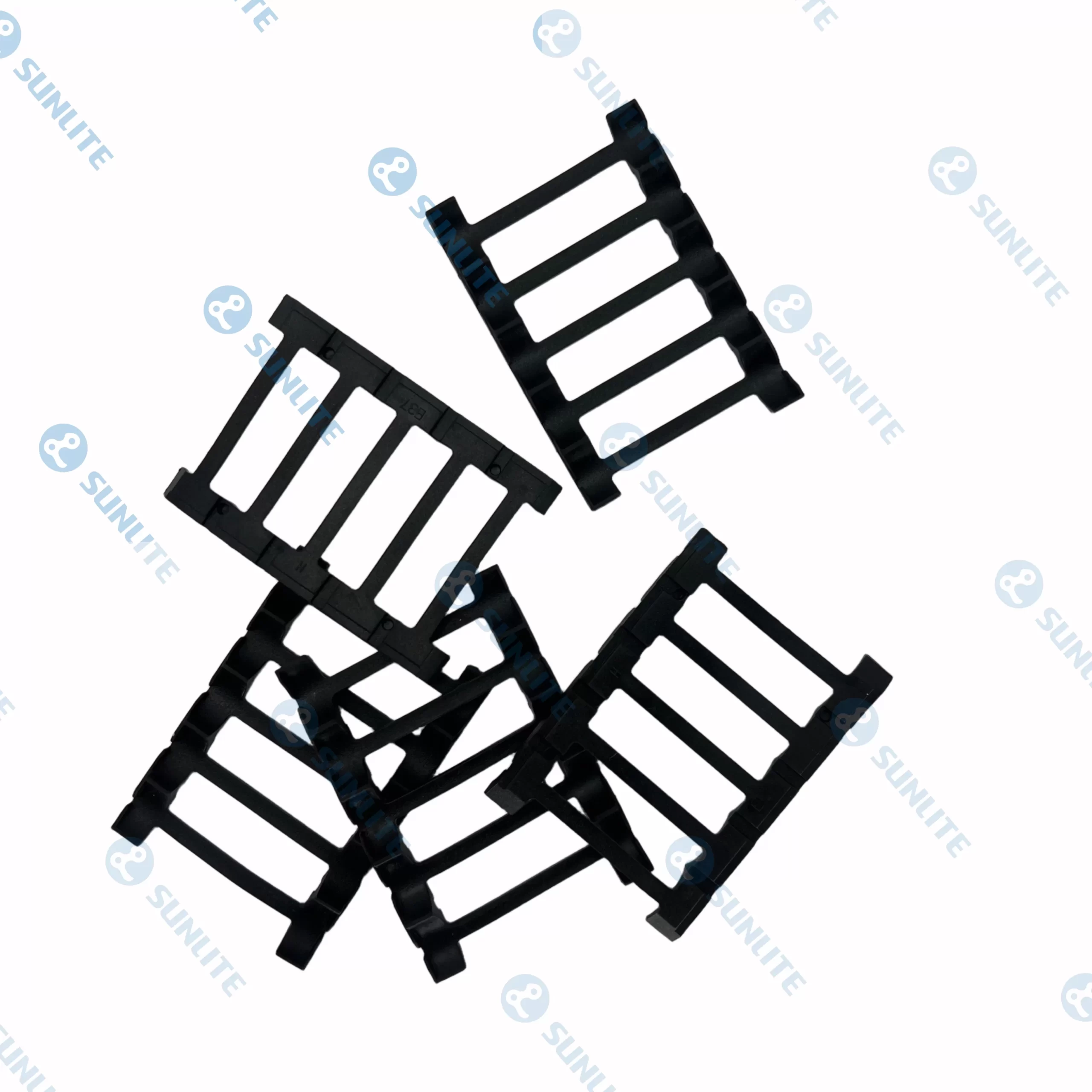
What it does (and why pack teams care)
- Cell positioning: controls micro-gaps during charge/thermal expansion.
- Impact and vibration damping: protects cells and busbars on rough roads.
- Flame retardancy: EPDM compound meets UL94 V-0; self-extinguishing behavior.
- Compression stability: high rebound, low compression set, so modules don’t loosen over time.
Origin: No. 16, Third Road, Zhangpeng Industrial Park, Machong Town, Dongguan City, Guangdong Province, China. Many customers say logistics from the PRD hub are refreshingly predictable.
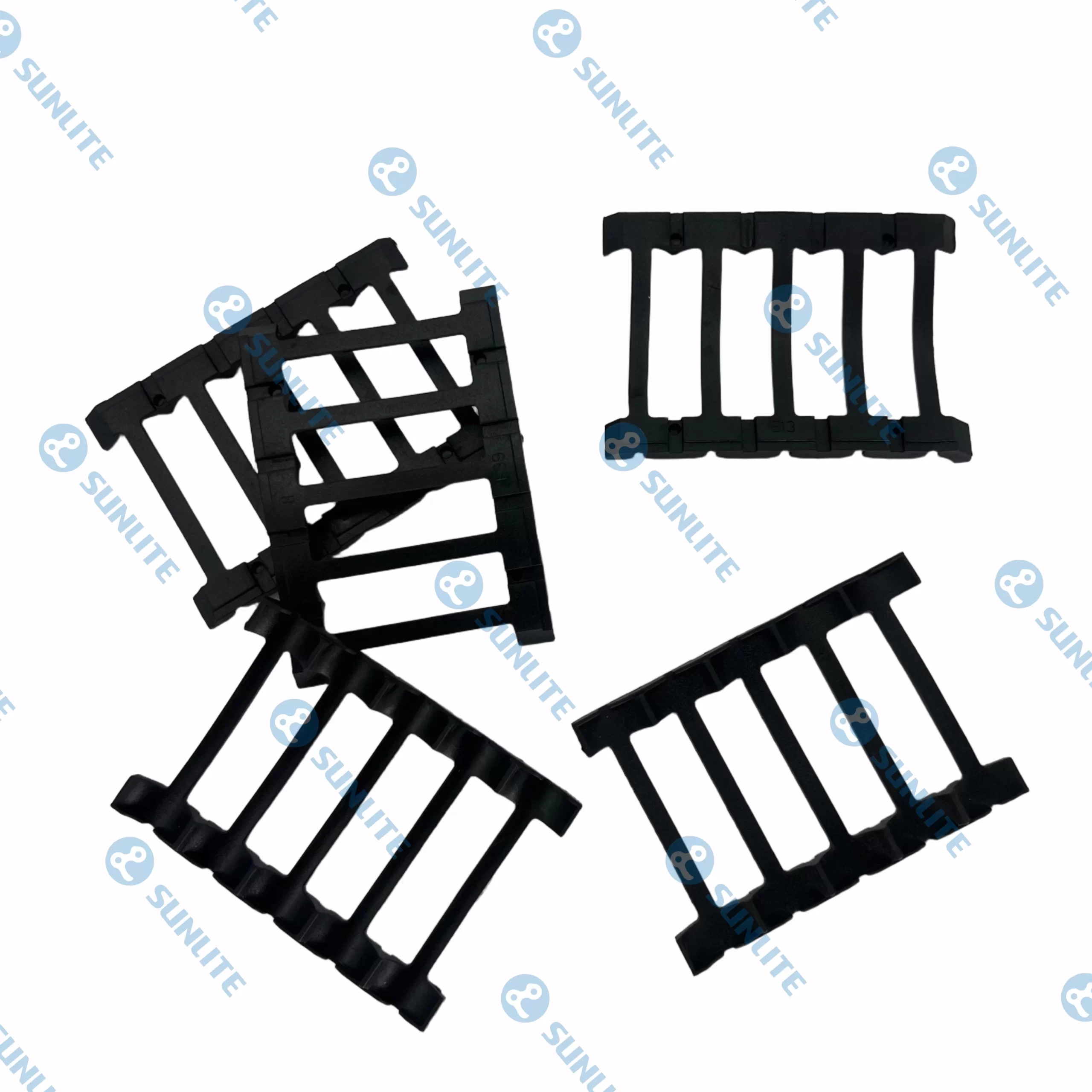
Specification snapshot (real-world use may vary)
| Base polymer | EPDM, flame-retardant-filled | — |
| Flammability | UL94 V-0 | UL 94 |
| Density | ≈0.65–0.80 g/cm³ | ISO 2781 |
| Hardness | Shore A 35–60 | ASTM D2240 |
| Tensile / Elongation | ≥6 MPa / ≥200% | ISO 37 |
| Compression set | ≤25% @70°C, 24 h | ISO 815 |
| Operating temp. | -40 to +110°C (short peaks +125°C) | — |
| Service life | 8 years without loosening (field feedback + aging tests) | ISO 188 (aging) |
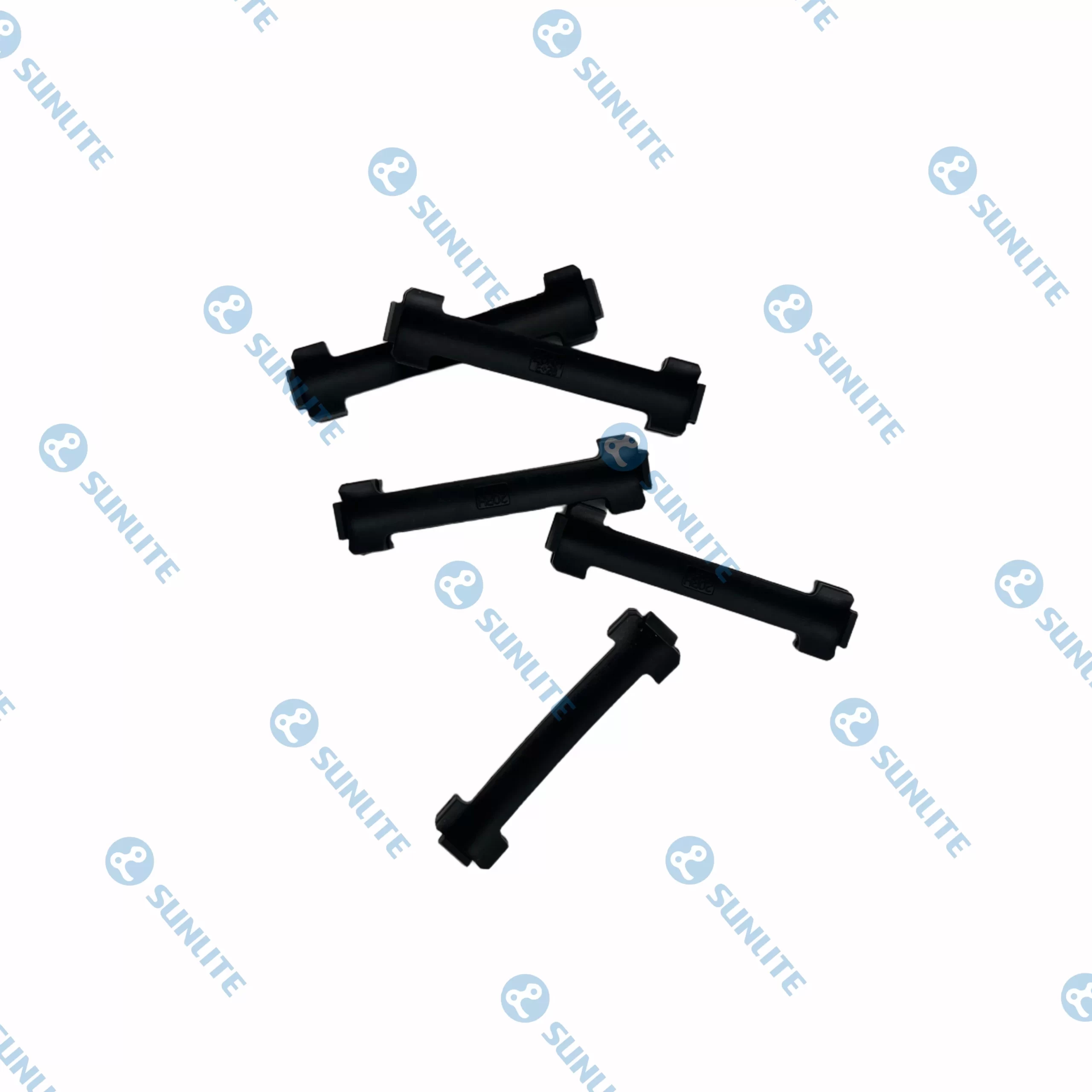
Process and quality flow (short version)
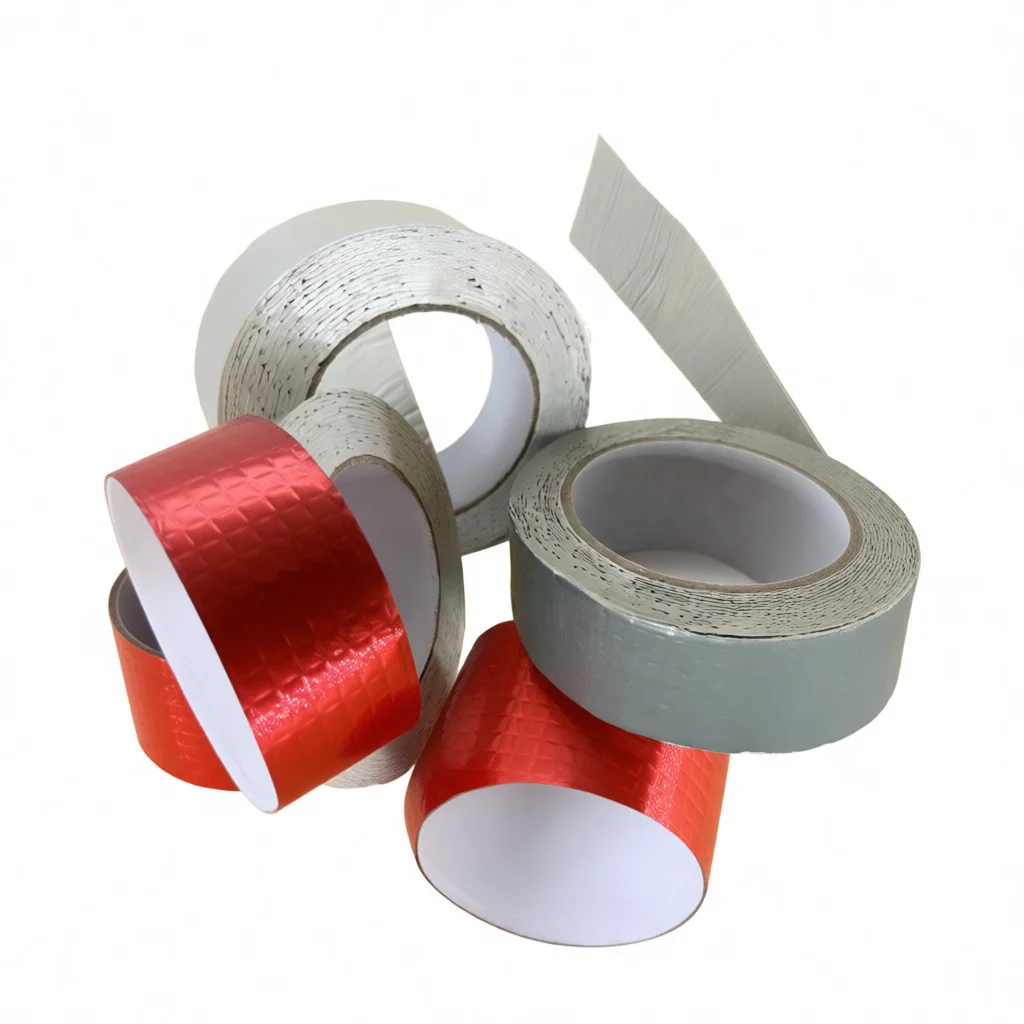
Materials: peroxide-cured EPDM blended with flame retardants (often ATH), anti-oxidants, process aids. Methods: internal mixing → calendaring/sheeting → precision die-cut → optional PSA lamination (3M 467MP/9448A) → kit packing. Testing: UL94 V-0 lot checks; hardness (ASTM D2240); tensile/elongation (ISO 37); compression set (ISO 815); thermal aging (ISO 188). Typical tolerances around ±0.2 mm on thickness and ±0.3 mm on critical dimensions.
Where it’s used
- EV and e-motorcycle modules (cell-to-pack trends make stability crucial).
- Rack ESS in data centers and microgrids (vibe + heat cycles).
- Medical carts, drones, AGVs—any pack that travels or rattles.
Compliance checkpoints many teams ask for: UL94 V-0, RoHS/REACH, and system-level safety aligned to IEC 62133 and UN 38.3. I guess it’s obvious, but component-level V-0 alone doesn’t certify a whole pack.
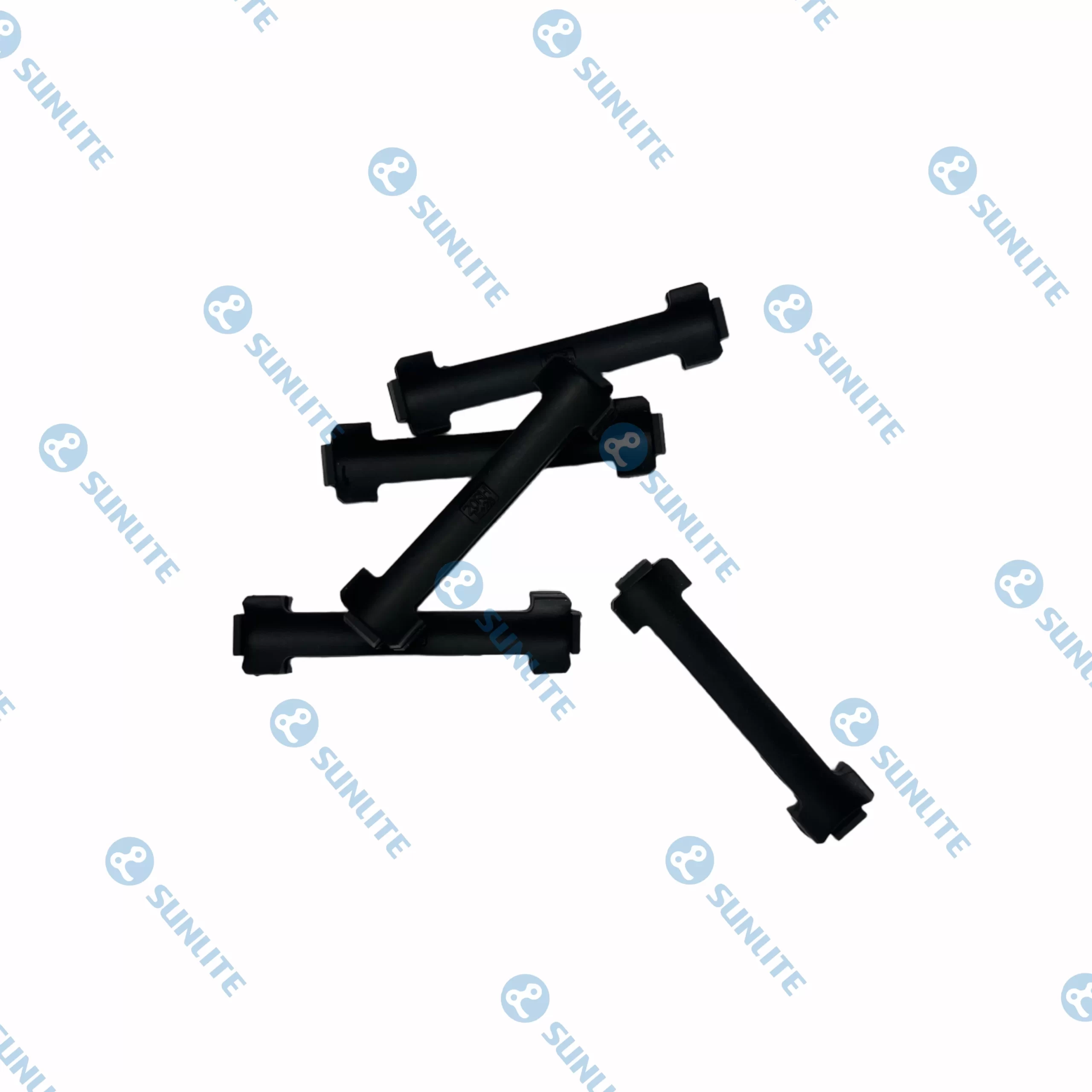
Vendor landscape (fast comparison)
| Vendor | Material | UL rating | Tol. (thk) | MOQ | Lead time | Notes |
| SunliteTek Battery Pad | EPDM, high rebound | V-0 | ±0.2 mm | ≈500 sets | 10–15 days | 8-year anti-loosen claim |
| Vendor A | NBR + FR | V-1 | ±0.3 mm | 1,000 sets | 20–25 days | Cheaper, softer |
| Vendor B | PU foam | V-0 | ±0.25 mm | Custom | 15–20 days | Higher compression set |
Customization and field notes
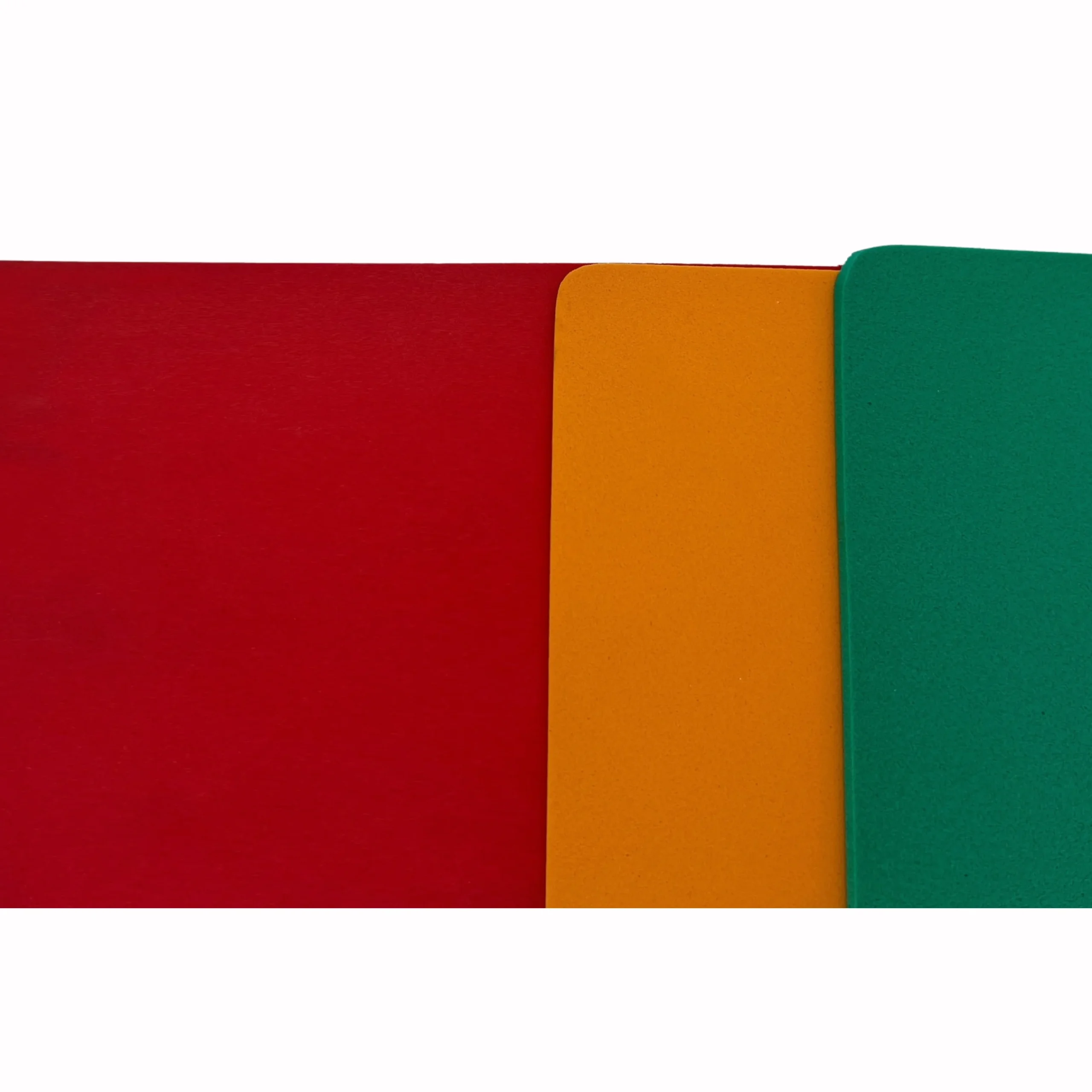
Thickness 0.5–6 mm, custom die-cuts, radius edges, PSA both sides, black/gray options. One ESS integrator in Texas reported module shift shrinking from ~0.30 mm to rubber battery pad with tighter rebound spec. Another EV bus project cut pack rattle by ≈4 dB(A) over cobblestones—small number, big driver comfort.
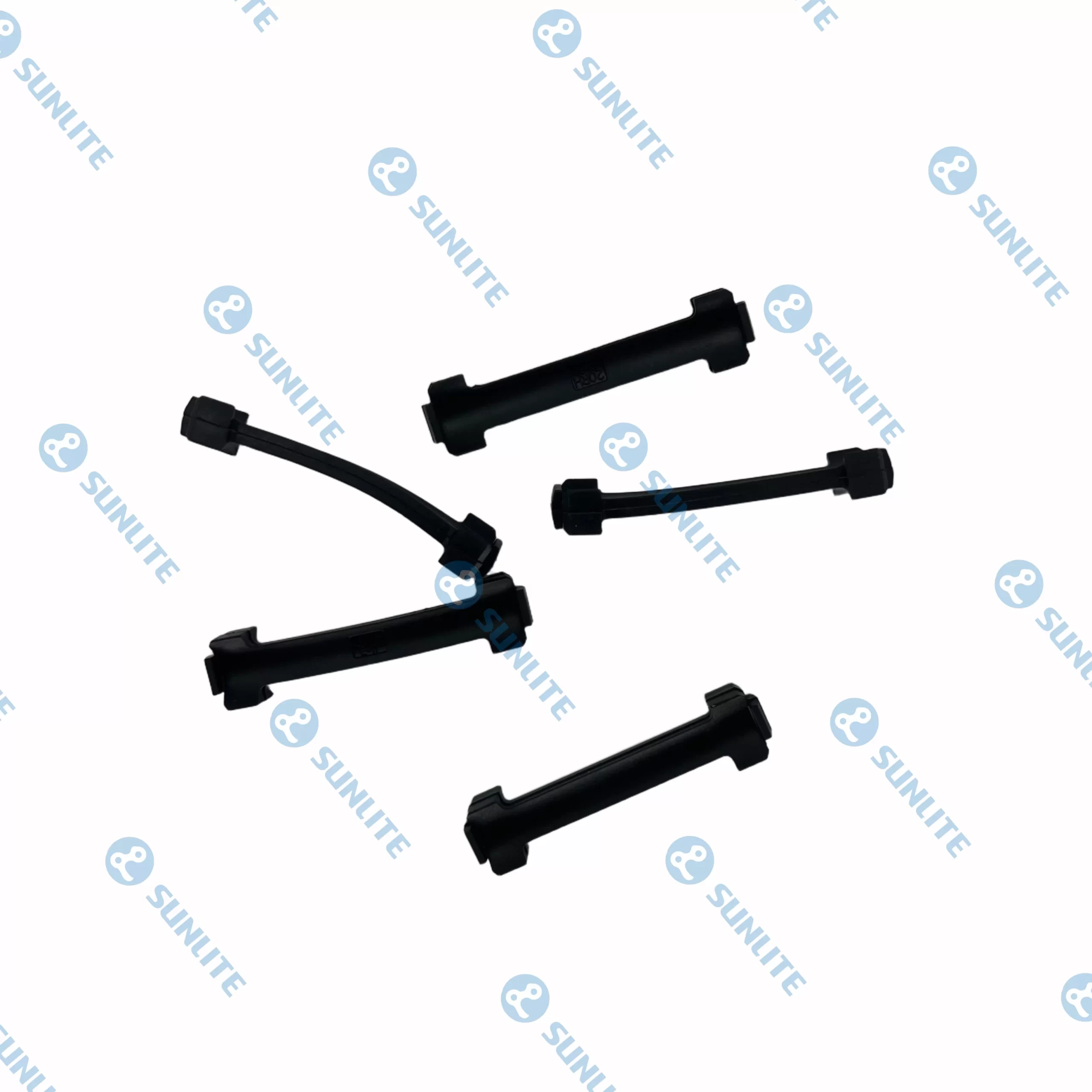
Bottom line: if you’re redesigning for cell-to-pack or chasing long-cycle stability, the rubber battery pad is low drama, high impact. Just validate in your exact stack-up—compression, thermal aging, and PSA adhesion with your surface treatments.
Authoritative citations
- UL 94, Tests for Flammability of Plastic Materials, https://standardscatalog.ul.com/standards/en/standard_94
- IEC 62133-2, Safety requirements for portable sealed secondary lithium cells, https://webstore.iec.ch/publication/26469
- UN Manual of Tests and Criteria, Section 38.3, https://unece.org/transport/documents/2023/07/manual-tests-and-criteria
- ASTM D2240, Standard Test Method for Rubber Property—Durometer Hardness, https://www.astm.org/d2240

The Quiet Workhorse of Safer Packs: A Field Note on the […]