Select Language
 Understanding the Rubber Toilet Ring: Essential Seal for Sanitation Worldwide
It might seem like a small, insignificant part at first glance — a humble rubber toilet ring. But understanding this simple component actually opens up a fascinating window into global sanitation challenges and solutions. The rubber toilet ring plays a crucial role in ensuring hygienic seals in toilets, preventing leaks, odors, and maintaining user dignity. In a world where over 3.6 billion people lack safely managed sanitation services (UNICEF/WHO, 2023), grasping the importance and benefits of quality toilet seals becomes more than a technical curiosity; it’s an insight into advancing health, sustainability, and comfort for many.
Introduction: Why Rubber Toilet Rings Matter Globally
Globally, sanitation infrastructure is a huge issue. According to the World Health Organization, poor sanitation contributes directly to the spread of infectious diseases and environmental contamination. The rubber toilet ring is a small but vital piece that helps secure the connection between the porcelain bowl and the sewage pipe, preventing leaks that can cause contamination or unpleasant odors. Oddly enough, while toilet designs can vary widely, the reliability of the toilet ring is a universal concern — and a surprisingly overlooked one.
In industrialized nations, replacement of a worn toilet seal is part of routine maintenance, but in remote or underserved areas, a failed ring can mean days without usable sanitation facilities. This creates a ripple effect of health risks, reduced productivity, and social discomfort. Hence, the quality and availability of rubber toilet rings are more than just plumbing details — they directly affect public health and dignity.
What Is a Rubber Toilet Ring?
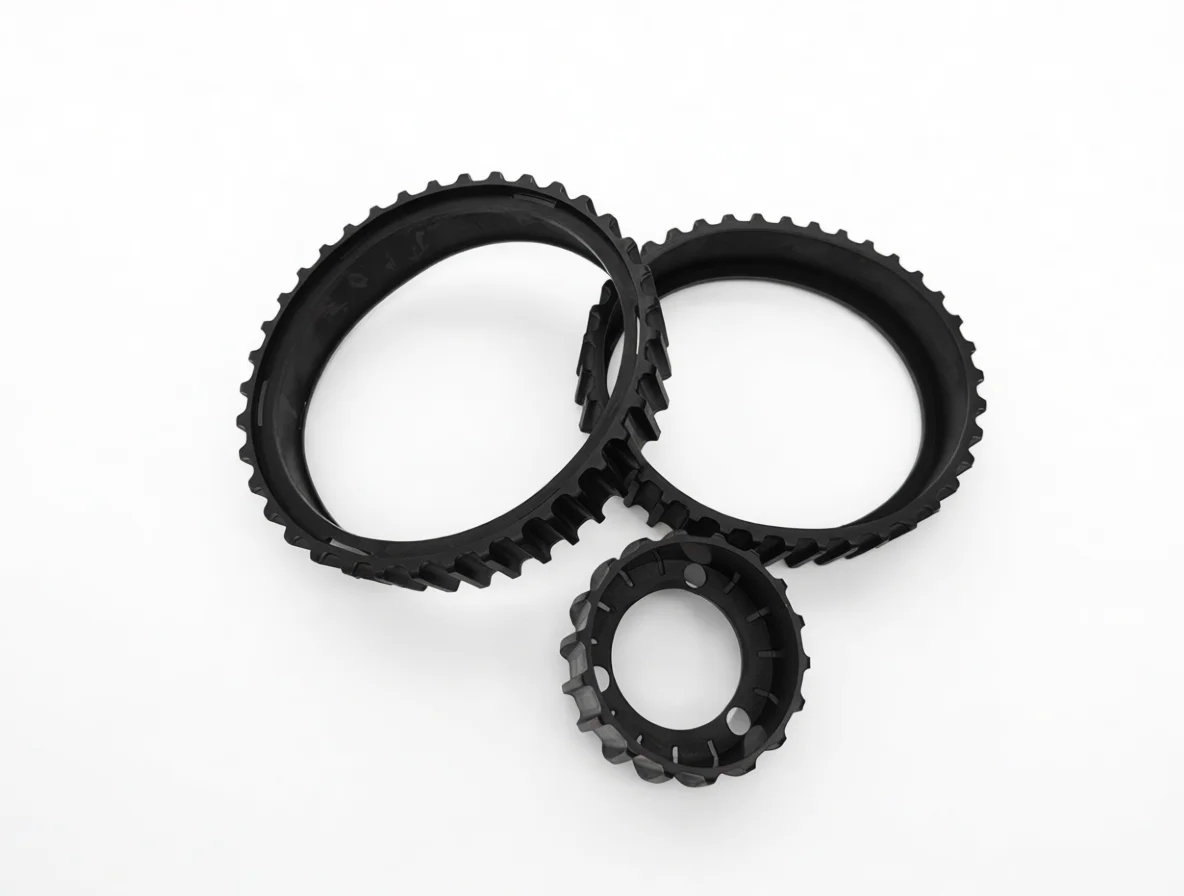
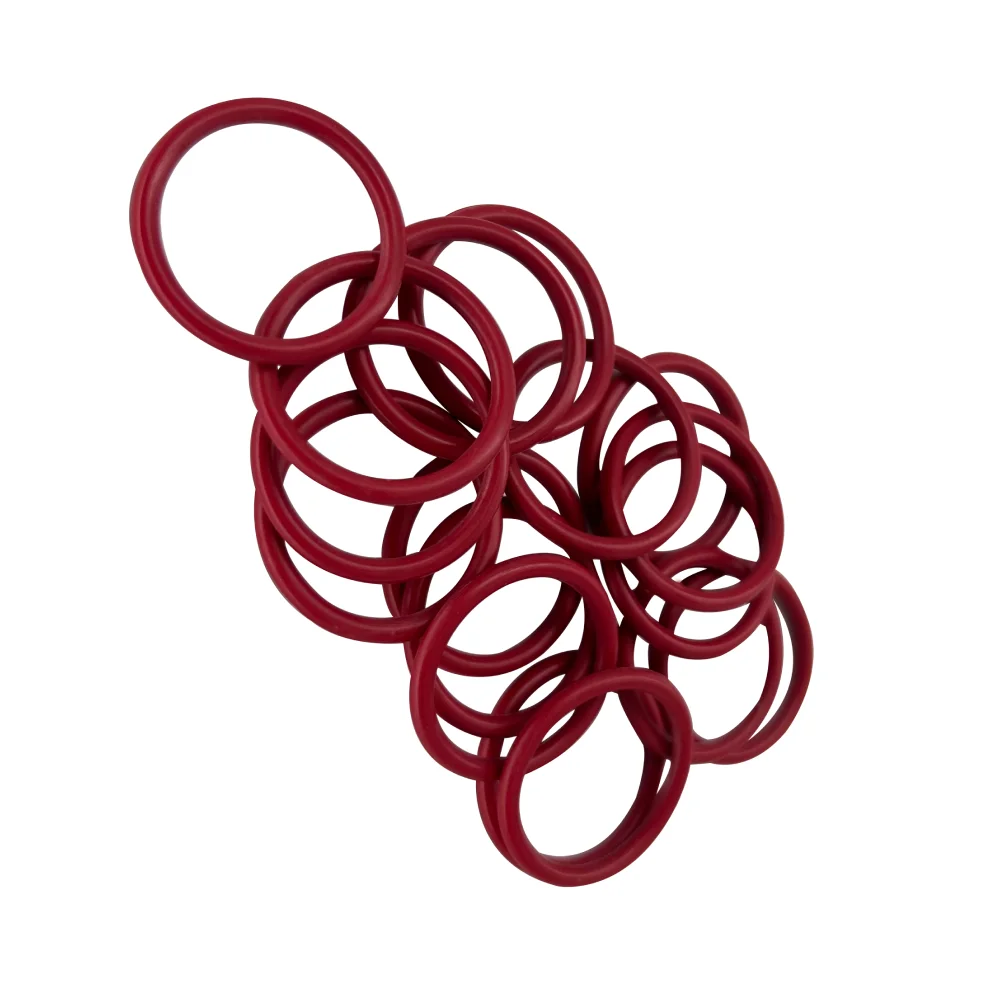
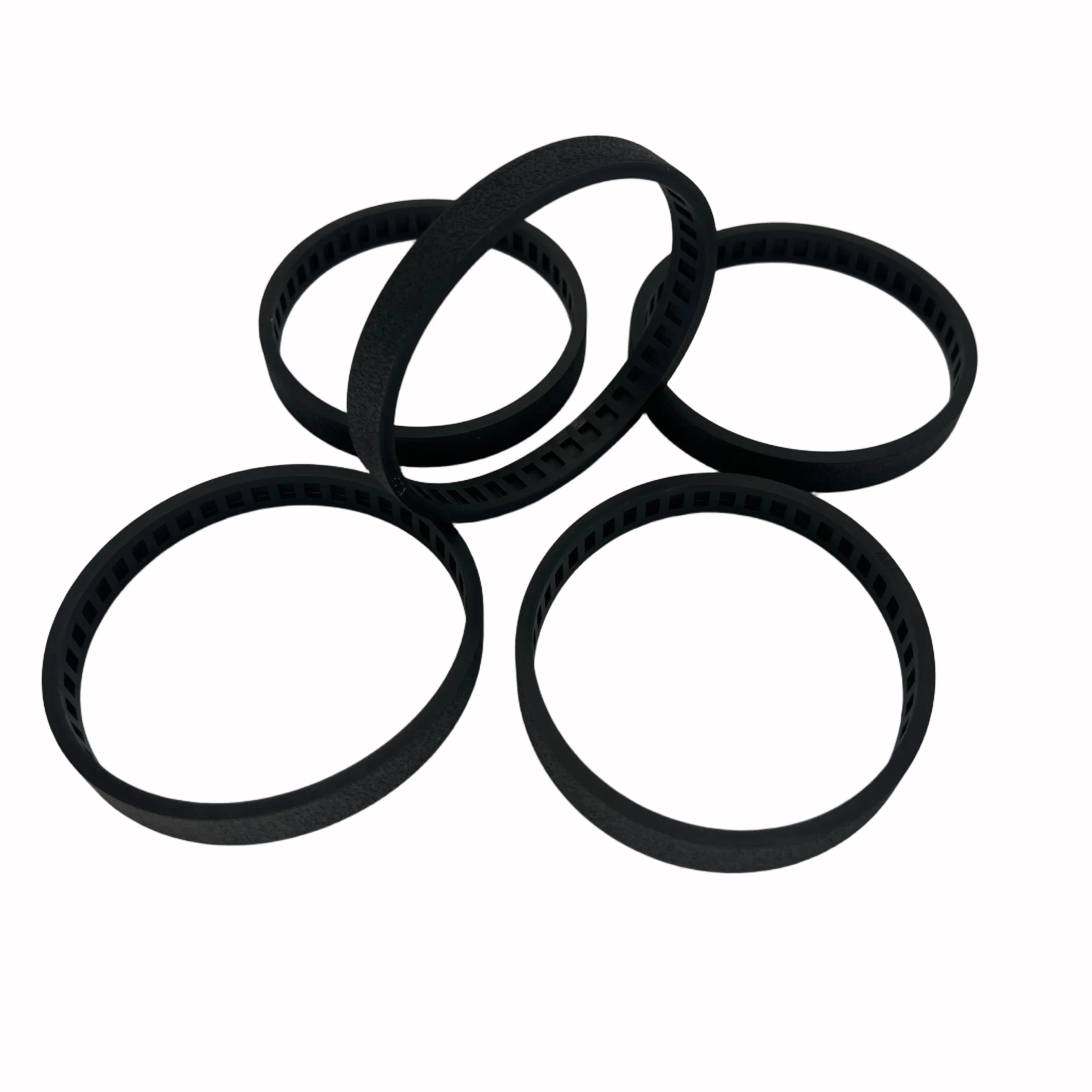
A rubber toilet ring is essentially a flexible gasket made from rubber or elastomeric material designed to form a watertight and airtight seal between the toilet’s outlet and the waste pipe. It blocks leaks of water and sewer gases, ensuring that the toilet functions hygienically and safely. Sometimes called a wax seal replacement or gasket seal, the rubber ring is preferred nowadays for ease of installation and durability.
From modern plumbing systems to emergency sanitation units in disaster zones, these seals maintain the flow of waste safely away from living areas. So in both everyday homes and humanitarian settings, rubber toilet rings are a small but indispensable product.
Key Factors to Consider in Rubber Toilet Rings
1. Durability
One of the most critical features is how long the ring lasts before cracking or deforming. High-quality rubber compounds resist compression set and chemical degradation. This durability ensures fewer replacements and reduced maintenance.
2. Fit and Compatibility
Toilet sizes and outlet shapes vary across brands and countries. A versatile rubber toilet ring must fit a wide range of fixtures snugly to prevent leaks. Some suppliers offer universal designs; others customize seals per model.
3. Cost Efficiency
Though a toilet ring is cheap in absolute terms, bulk costs and replacement frequency matter for large facilities or relief agencies. A balance of low cost and high lifespan is the sweet spot.
4. Environmental Resistance
The seal must withstand exposure to water, cleaning chemicals, and temperature fluctuations without losing integrity. Resistance to mold, mildew, and microbial growth is an added plus.
5. Ease of Installation
In many cases, plumbers or end-users replace these seals themselves. A rubber toilet ring that is easy to align and install reduces downtime and frustration.
Mini takeaway: Durable, adaptable, affordable, and easy-to-install rubber toilet rings make sanitation reliable for diverse settings.
Product Specification Table
| Specification | Typical Value | Remarks |
|---|---|---|
| Material | EPDM Rubber | Resistant to water, heat, and chemicals |
| Outer Diameter | 120 mm (approx.) | Fits most standard toilets |
| Thickness | 10 mm | Provides sufficient compression |
| Temperature Range | -40°C to +100°C | Suitable for various climates |
| Compressive Set Resistance | ≤ 25% | Ensures longevity |
Global Applications & Use Cases
These seals are everywhere — from urban homes in Tokyo to campsites in the Saharan desert. In humanitarian aid, providing temporary sanitation facilities after disasters relies heavily on durable and easy-to-install rubber toilet rings. They are also critical in remote industrial setups, where plumbing maintenance is difficult and costly.
For instance, after the 2022 flood crises in South Asia, emergency shelters were quickly outfitted with portable toilets sealed using rubber rings that resisted contamination despite the humid conditions. Similarly, in Scandinavian cold climates, toilet rings need to resist cracking under freezing conditions.
Health organizations often standardize on certain rubber toilet ring types to ensure compatibility across various sanitation units deployed globally. Frankly, their role is understated but critical in public health management worldwide.
Vendor Comparison Table
| Vendor | Material Quality | Price Range (per pc) | Lead Time | Customization Options |
|---|---|---|---|---|
| SunliteTek | Medical-grade EPDM | $0.85 - $1.20 | 2-3 weeks | Size and hardness |
| FlexSeal Co. | Standard EPDM | $0.50 - $0.75 | 1 week | Limited sizes |
| RubberPlus | Synthetic rubber blend | $1.10 - $1.50 | 3-4 weeks | Custom branding |
Advantages & Long-Term Value
- Cost savings: By preventing leaks and damage, quality rubber toilet rings reduce replacement and maintenance costs over time.
- Sustainability: Durable materials minimize waste and frequent discard.
- Health & Dignity: Reliable sealing protects users from exposure to harmful pathogens and unpleasant odors.
- Trust & Safety: For public facilities and institutions, dependable seals promote confidence and repeated usage.
I suppose many don’t stop to reflect on how these rubber seals quietly uphold sanitation standards, but they really do make a social difference, ensuring people feel safe and comfortable in very personal moments.
Future Trends & Innovations
Looking forward, the industry is experimenting with bio-based rubber compounds to reduce environmental footprints. There’s also emerging interest in antimicrobial coatings on rubber toilet rings to inhibit bacteria and mold growth. Digital sensors embedded in smart toilets could one day monitor seal integrity and alert for proactive maintenance—oddly enough, toilets are getting smarter!
With growing emphasis on sustainable products, certifications like ISO 14001 for environmental management and ISO 9001 for quality are increasingly common among suppliers. This aligns with global efforts to upgrade sanitation while reducing ecological impact.
Challenges & Solutions
Despite advancements, we can’t ignore challenges: counterfeit or low-quality rubber rings flood some markets, causing premature failures. Supply chain disruptions can delay access in urgent humanitarian crises. Also, standardization across regional toilet models is incomplete, complicating bulk procurement.
Innovative solutions include deploying modular seal kits adaptable on-site, and partnerships with local manufacturers to ensure supply resilience. Training local technicians on proper installation and maintenance also boosts longevity in the field.
FAQ: Frequently Asked Questions About Rubber Toilet Rings
- Q: How often should I replace the rubber toilet ring in my home?
- A: Typically, rubber toilet rings last 5-7 years under normal use, but if you notice leaks, odors, or difficulty flushing, it’s wise to replace sooner.
- Q: Can I install a rubber toilet ring myself or do I need a plumber?
- A: Most rubber toilet rings are designed for easy DIY installation. Just ensure the old seal is removed carefully and the new ring is positioned evenly.
- Q: Are rubber toilet rings compatible with all toilet models?
- A: Many rings are “universal” sized, but some toilets use proprietary seals. It’s best to check dimensions or consult suppliers, such as SunliteTek, for compatibility.
- Q: What environmental factors affect rubber toilet ring lifespan?
- A: Exposure to harsh chemicals, extreme temperatures, and mechanical stress reduces lifespan. Selecting high-quality, resistant materials helps mitigate this.
- Q: How do rubber toilet rings benefit humanitarian sanitation projects?
- A: They provide a fast, reliable sealing solution that’s essential for safe, hygienic toilets in relief camps or disaster zones, enabling better health outcomes quickly.
Conclusion
In real terms, the rubber toilet ring is more than a replacement part; it’s a frontline protector of hygiene, health, and dignity. Its technical qualities directly impact sanitation reliability worldwide—whether in a city bathroom or a refugee camp.
If you want dependable rubber toilet rings that blend quality, cost-efficiency, and sustainability, I highly recommend checking out SunliteTek. Their expertise and product range can help tackle your sanitation sealing challenges today.
Remember: good sanitation starts with the smallest parts.
Quick takeaway: The humble rubber toilet ring quietly upholds essential sanitation standards globally, blending material science, user comfort, and sustainability.

Understanding the Rubber Toilet Ring: Essential Seal fo […]