Select Language
 Unpacking the Power of AS568 012 NBR 90: A Global Industrial Standard You Should Know
When you first hear as568 012 nbr 90, it sounds like a mysterious code from some secret tech society. But, in reality, it’s a humble yet essential part of modern mechanical and industrial engineering. This standard seal size, notably used in O-rings and sealing applications, quietly powers everything from automotive engines to aerospace systems. Understanding its global impact and benefits isn’t just for seal designers — it’s for anyone interested in how tight, reliable connections actually come alive in real-world equipment.
The Global Context: Why AS568 012 NBR 90 Matters Worldwide
Across manufacturing hubs in North America, Europe, and Asia, industrial ISO standards like AS568 are crucial for ensuring parts fit together perfectly — even miles apart. The AS568 012 NBR 90 O-ring variant aligns with American National Standards Institute (ANSI) sizing for seals using nitrile rubber (NBR), a common elastomer known for resistance to oil and fuel. This makes it indispensable in industries fueling global infrastructure. According to the ISO, nearly 80% of manufacturers worldwide depend on sealing standards to maintain quality and avoid costly leaks or downtime. Oddly enough, a tiny ring like this can reduce global equipment failure rates dramatically — saving millions in operational costs and environmental risk.
But here’s the rub: with ever more complex machinery, engineers need seals that not only fit precisely but also last longer under challenging heat, pressure, or chemicals. That’s where the AS568 012 size in NBR really shines.
What Exactly Is AS568 012 NBR 90?
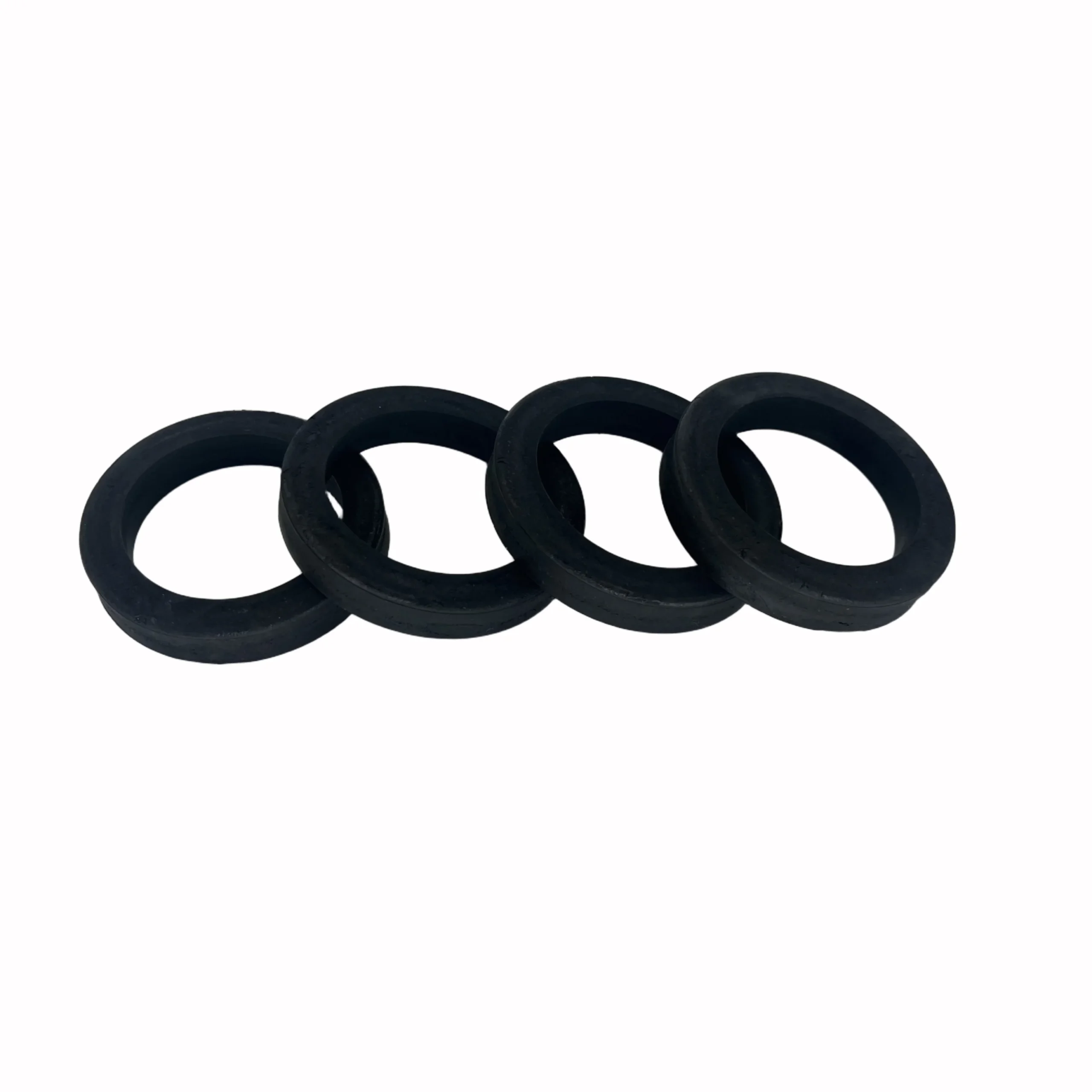
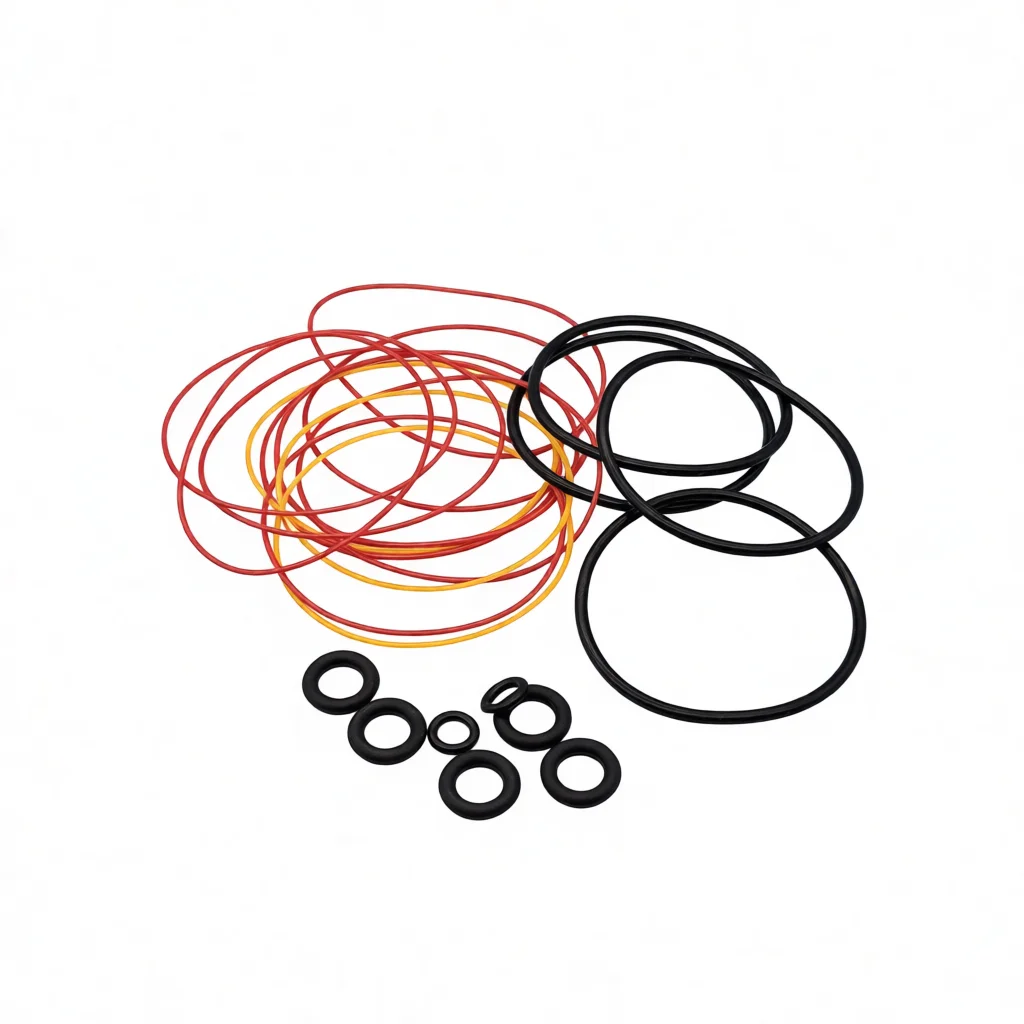
Put simply, AS568 012 NBR 90 refers to a specific sized O-ring produced from Nitrile Butadiene Rubber (NBR), gauged by the AS568 standard that defines thousands of ring sizes. The “012” in the designation points to the ring’s dimensions — roughly 3/8 inch inner diameter and a popular profile thickness. “NBR 90” means the material is nitrile rubber with a Shore A hardness of 90, giving it a firm, resilient feel ideal for sealing oil, fuel, and lubricants in industrial gear boxes, pumps, and valves.
The beauty is in its simplicity: small yet critically dependable, these seals prevent fluids from escaping or contaminants from entering delicate mechanisms, helping machinery run smoothly and reducing maintenance headaches.
Core Components and What Makes AS568 012 NBR 90 Tick
1. Material Quality: NBR (Nitrile Butadiene Rubber)
NBR is prized for oil resistance, abrasion tolerance, and temperature adaptability (-40°C to 120°C roughly). The "90" hardness rating pushes it firmly into durable territory — not too soft to deform easily, but flexible enough to form a tight seal.
2. Dimensions and Tolerances
The AS568 standard ensures precise control over measurements. The "012" size comes with tight manufacturing tolerances to guarantee interchangeability — no guesswork when engineers swap components in remote facilities or assembly lines thousands of miles apart.
3. Resistance to Environmental Factors
Besides oil, AS568 012 NBR 90 seals withstand mild acids and alkalis, with decent ozone resistance though they aren’t designed for prolonged exposure there. This balance shapes many a seal’s success story in automotive fuel systems and hydraulic equipment.
4. Cost-Effectiveness and Availability
Because AS568 sizes are standardized globally, you can find NBR 90 seals in almost every industrial supply catalog — lending itself well to cost-efficient bulk manufacturing and quick replacements.
Real-World Applications: Where AS568 012 NBR 90 Lives and Breathes
These O-rings pop up all over the place, quietly keeping engines sealed and factories humming. Some notable uses include:
- Automotive Industry: Sealing fuel injectors, oil pumps, and transmission valves worldwide.
- Aerospace Engineering: In low-pressure hydraulic systems and fuel lines where reliability is non-negotiable.
- Manufacturing Plants: Machinery using pneumatic or hydraulic actuators benefits from standardized seals.
- Energy Sector: Oil refineries and power plants employing AS568 012 sized seals for maintenance economies.
For example, a large equipment manufacturer in Germany noted that switching to AS568 012 NBR 90 O-rings cut their seal replacement downtime by 15%, thanks to better fit and longer life. In disaster resilience settings — like repairing remote pumps quickly after floods — standardized seals like these become unexpected heroes.
Putting the Advantages in Perspective
The benefits aren’t just technical jargon. Think about:
- Reliability: With a standard size and robust NBR material, machines keep running longer without surprise leaks.
- Cost Savings: Standard parts mean low production costs, easy procurement, and less inventory hassle.
- Environmental Impact: Reduced maintenance equals fewer wastes and extended equipment lifespan.
- Safety and Trust: Preventing leaks directly impacts worker safety and environmental protection.
On an emotional note, engineers often feel a sort of quiet satisfaction when a seal — tiny but mighty — lets them sleep easy at night knowing their equipment won’t fail mid-shift.
Glancing Forward: Innovations and Trends in AS568 012 NBR 90 O-Ring Technology
Material science doesn’t stand still. Industry is exploring new elastomer blends like hydrogenated NBR (HNBR) variants offering better chemical resistance and higher temperature tolerances. Digital manufacturing techniques, including advanced molding and quality control via AI, ensure the 012 NBR 90 seals hit tolerance sweet spots faster.
Green credentials also matter: some companies are developing bio-based nitrile rubbers or recyclable seal materials aligning with global sustainability goals (UN Sustainable Development Goals). Automation in assembly lines promises flawless installs of these small but critical O-rings too.
Challenges and How to Tackle Them
While AS568 012 NBR 90 seals are remarkably versatile, they aren’t perfect. For example:
- Temperature Limitations: NBR seals degrade if repeatedly exposed beyond 120°C. Alternative elastomers might be needed.
- Ozone and UV Sensitivity: Long outdoor exposure can cause cracking if not properly protected.
- Material Compatibility: Some harsh chemicals or fuels may require fluorocarbon (FKM) seals instead.
Experts often recommend thorough application assessment before choosing AS568 012 NBR 90, and partnering with vendors who offer custom material blends or post-production testing to extend seal lifetime.
Specification Table: AS568 012 NBR 90 O-Ring
| Specification | Details |
|---|---|
| Inner Diameter (ID) | 0.375 inch (9.53 mm) |
| Cross-Section Diameter (CS) | 0.070 inch (1.78 mm) |
| Material | Nitrile Butadiene Rubber (NBR) |
| Hardness | 90 Shore A |
| Temperature Range | -40°C to 120°C (-40°F to 248°F) |
| Typical Applications | Fuel systems, oil seals, hydraulic valves |
Vendor Comparison: AS568 012 NBR 90 Suppliers
| Vendor | Material Quality | Price Range (per 100 units) | Customization Options | Lead Time |
|---|---|---|---|---|
| SunliteTek | Premium NBR 90 | $120 - $150 | Color, size, hardness | 1-2 weeks |
| GlobalSeal Inc. | Industry-grade NBR | $100 - $130 | Standard sizes only | 2-3 weeks |
| SealPro Solutions | Custom NBR blends | $130 - $160 | Material and hardness | 3-4 weeks |
Frequently Asked Questions About AS568 012 NBR 90
Q1: How do I know if AS568 012 NBR 90 is right for my machinery?
A: Check your machine’s operating temperature, fluid exposure, and pressure ratings. If you need a seal for oil or fuel systems within -40°C to 120°C, AS568 012 NBR 90 is often a strong candidate. For harsher chemicals or higher temps, consider other elastomers.
Q2: Can these seals be customized for hard-to-fit applications?
A: Absolutely. Vendors like SunliteTek offer variations in color, hardness, and size adjustments around the AS568 012 specs to meet your exact needs.
Q3: How long do these NBR 90 O-rings last in typical usage?
A: Lifespan depends on environment. Under optimal conditions, expect 5+ years. Exposure to ozone, extreme heat, or abrasive chemicals can shorten this significantly.
Q4: Are AS568 standard O-rings universally interchangeable?
A: For the most part, yes. One large advantage of AS568 is cross-vendor compatibility, so replacement is simpler and more cost-effective — just confirm material type matches your needs.
Wrapping It Up: Why AS568 012 NBR 90 Still Holds Its Seal in Today’s Industrial World
In the grand scheme, a single O-ring might seem minor. Yet the as568 012 nbr 90 is a small hero — quietly enabling machinery efficiency, safety, and global manufacturing consistency. Choosing the right seal size and material often defines project success, budget control, and long-term reliability. If you’re sourcing dependable solutions, don’t underestimate the power of a tried-and-true AS568 012 nitrile ring. Curious to explore premium options? Visit SunliteTek’s site for in-depth specs and sourcing info.
Mini takeaway: Whether working deep inside an engine or in the smallest grease-sealing joints, high-quality standardized seals like AS568 012 NBR 90 are industrial unsung heroes — often overlooked, but impossible to substitute once in play.
References

Unpacking the Power of AS568 012 NBR 90: A Global Indus […]