Select Language
 The Essential Guide to the Cistern Sealing Ring: What It Is and Why It Matters
At first glance, a cistern sealing ring might sound like some obscure plumbing gadget, but its importance extends far beyond the mechanical realm. Simply put, this component plays a critical role in ensuring water storage systems stay watertight, sanitary, and efficient. Globally, with water scarcity and hygiene taking center stage in sustainable development, understanding the cistern sealing ring’s role can illuminate how water infrastructure keeps flowing smoothly—whether in a bustling city or a remote village.
Water supply reliability is tangled with global human health and industrial processes alike, and the humble sealing ring contributes quietly behind the scenes. If you’ve ever wondered how water tanks avoid leaks or contamination, you’re already curious about the value of these rings.
Introduction: Why the Cistern Sealing Ring Matters Worldwide
Water storage and distribution infrastructure have never been more vital. According to UN Water reports, over 2 billion people lack access to safe drinking water. In this context, every component that secures water integrity counts. A cistern sealing ring specifically addresses a persistent challenge in water cisterns—preventing leaks and contamination where the cistern’s lid or cover meets the storage body.
Industries and humanitarian agencies alike depend on reliable water tanks in disaster relief zones, agricultural setups, and urban environments. A sealing failure could cascade into health risks or costly water loss, making the sealing ring surprisingly high-stakes.
Defining the Cistern Sealing Ring
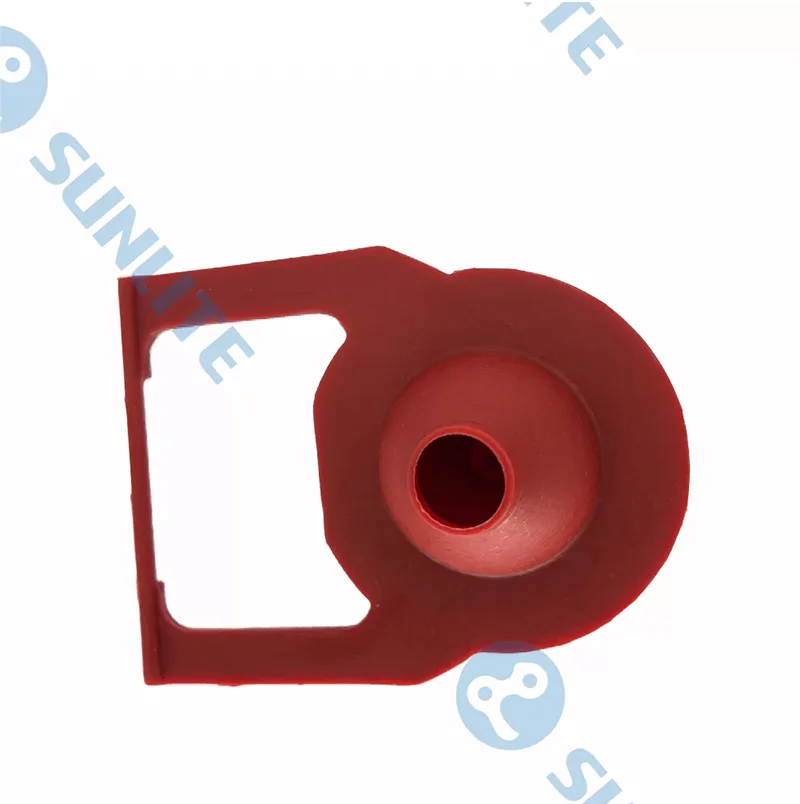
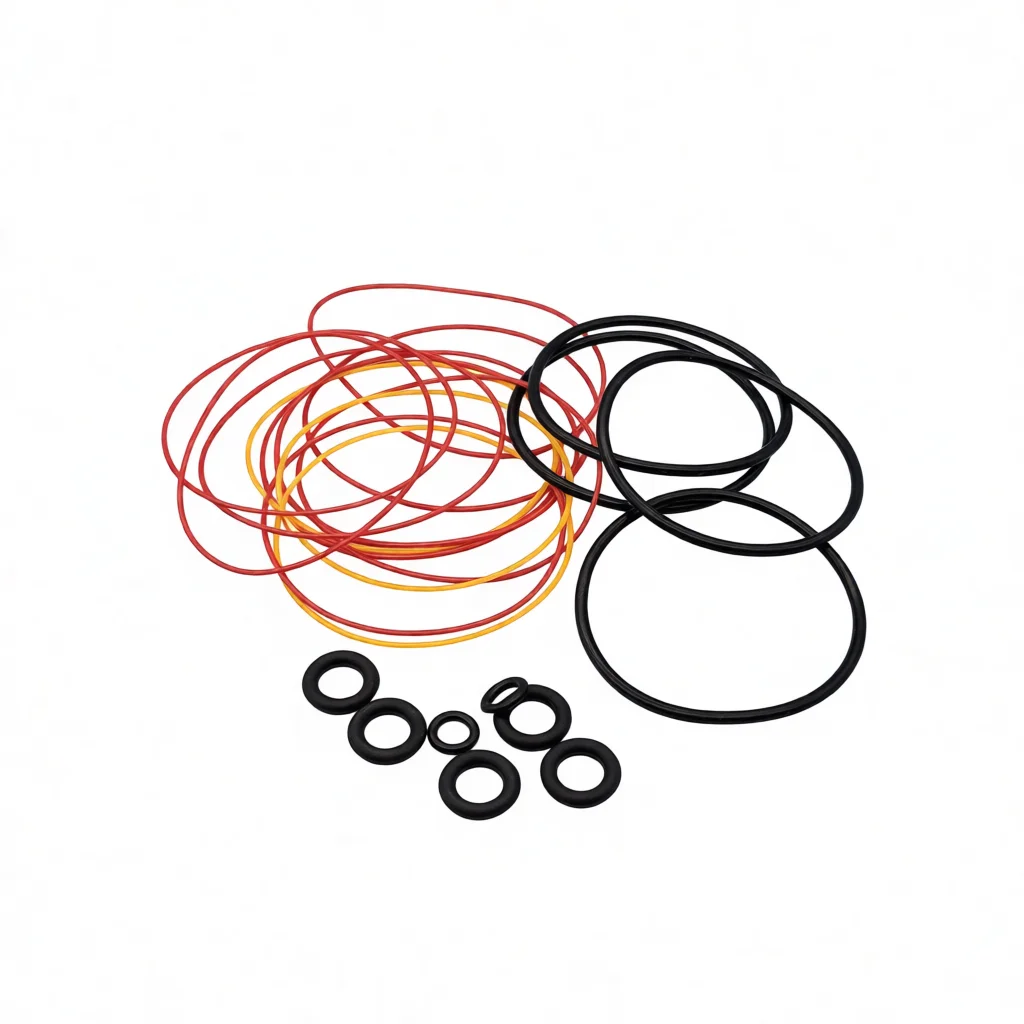
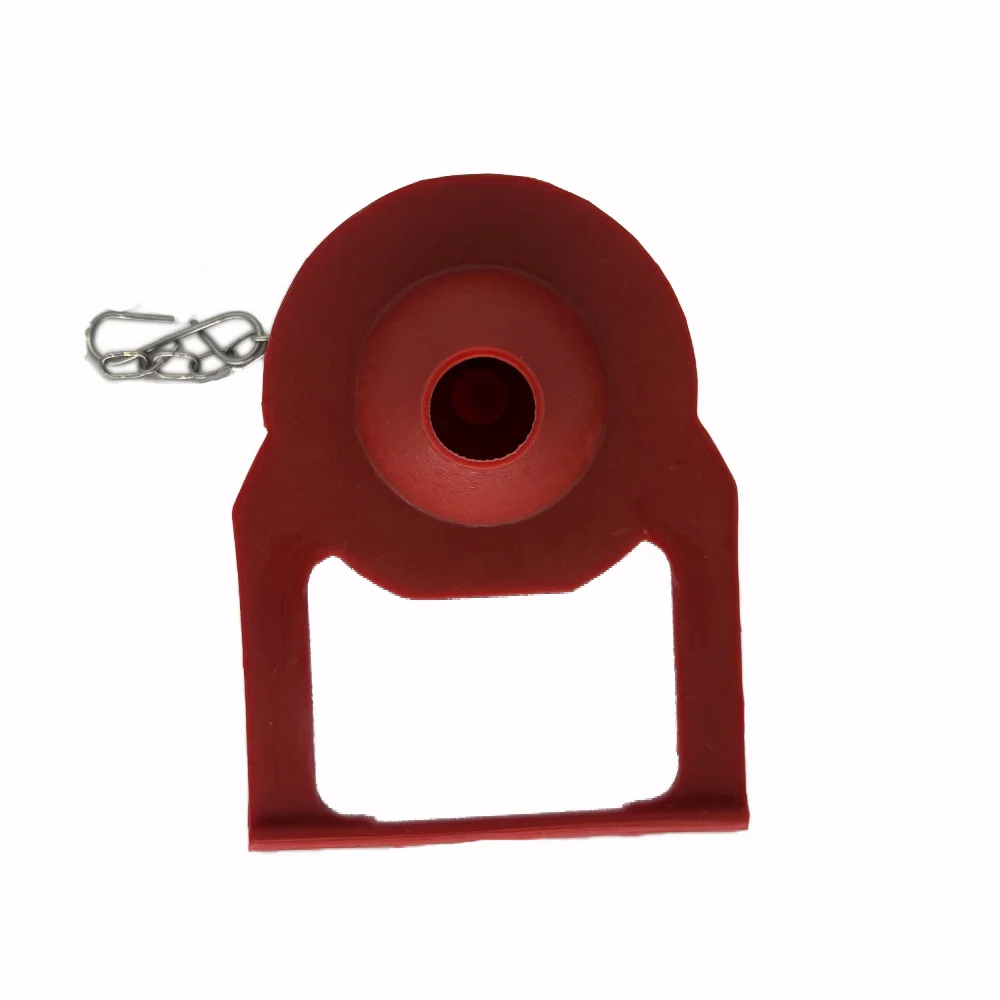
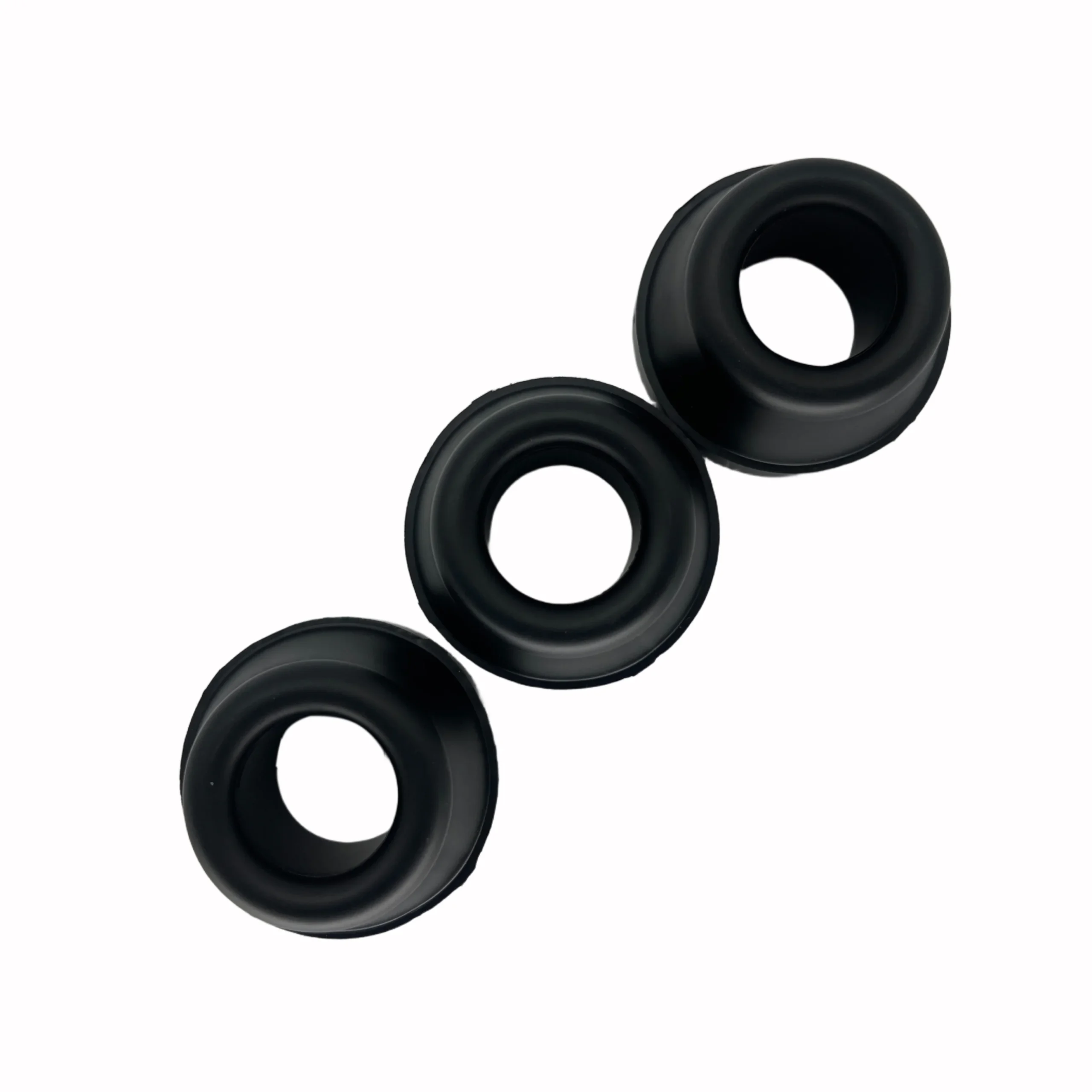
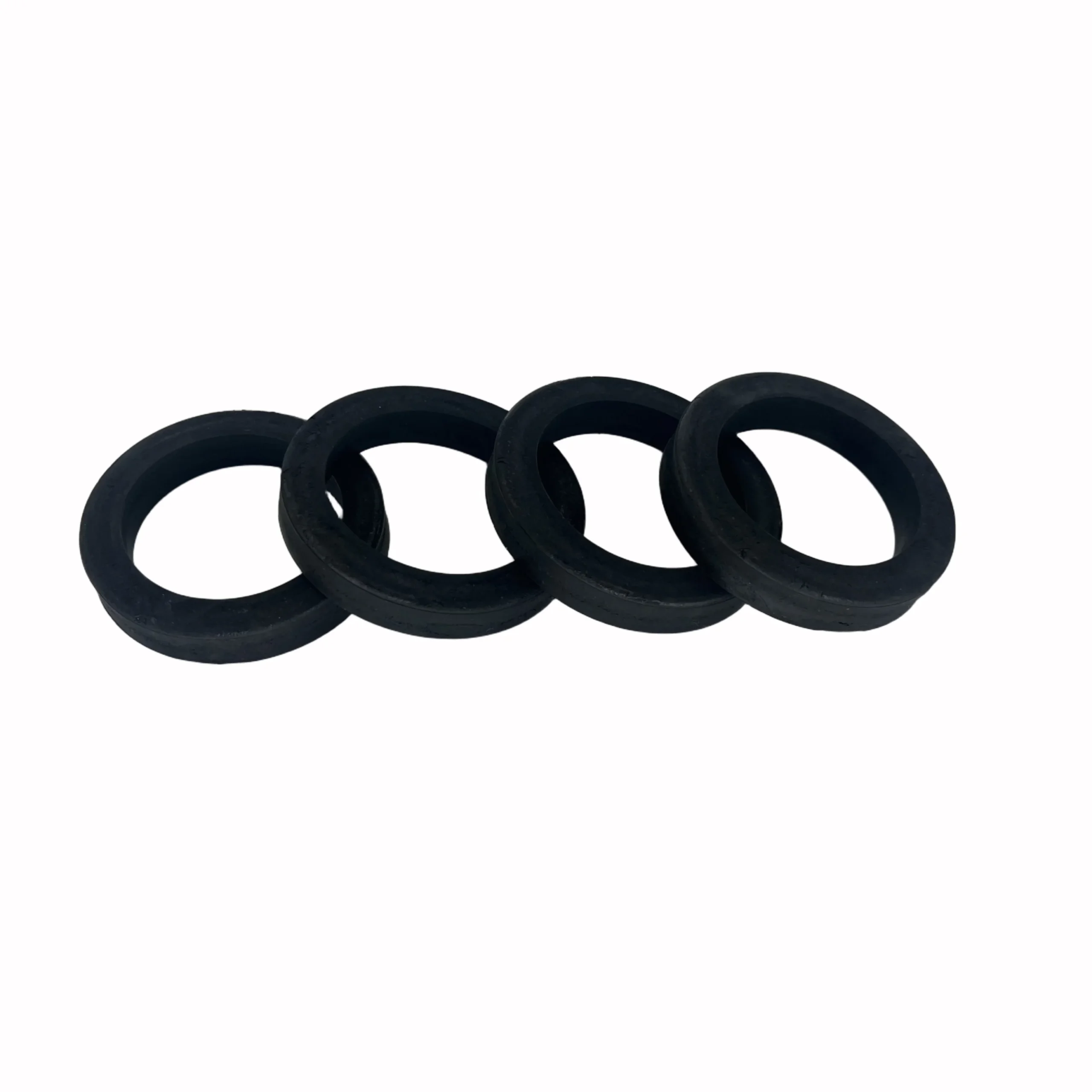
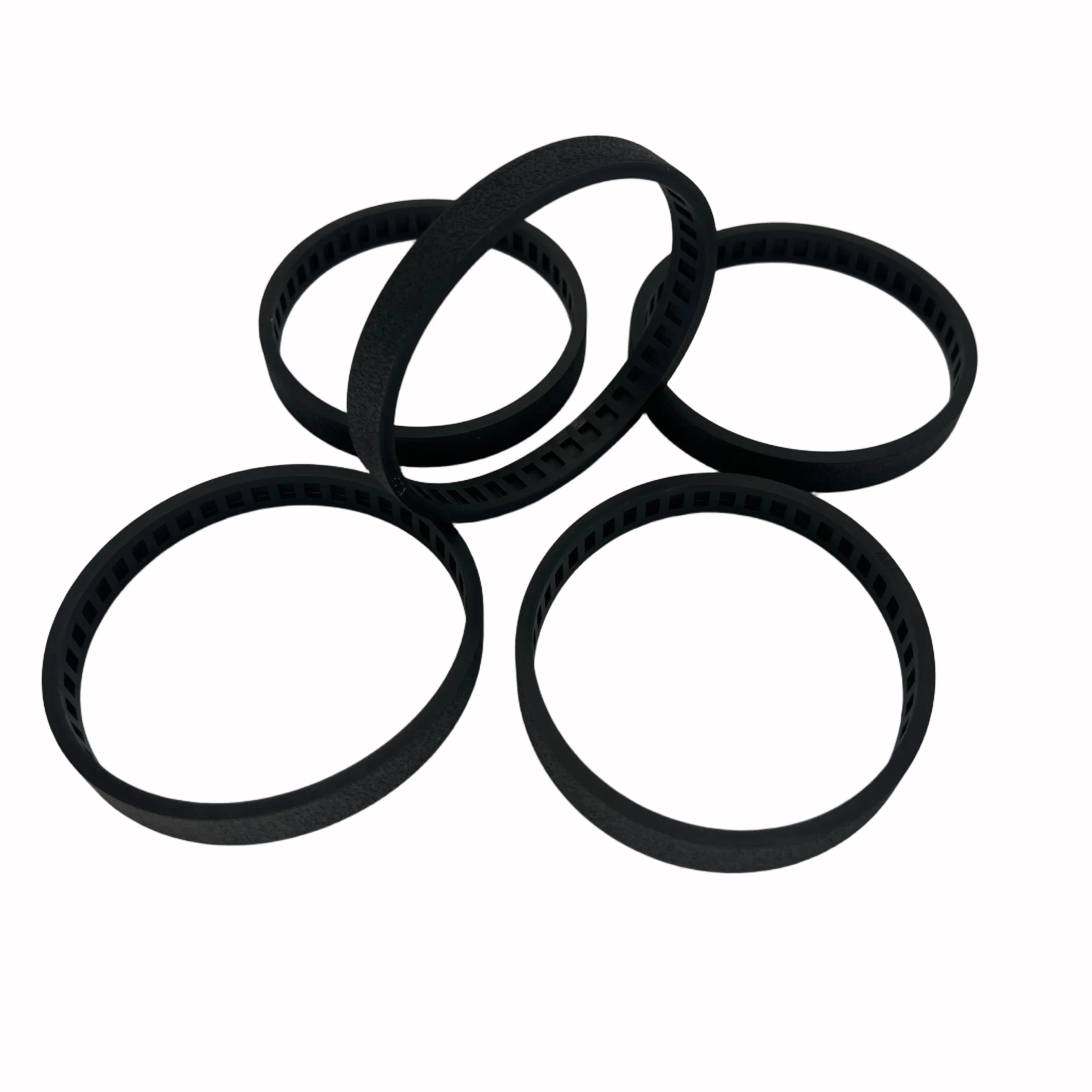
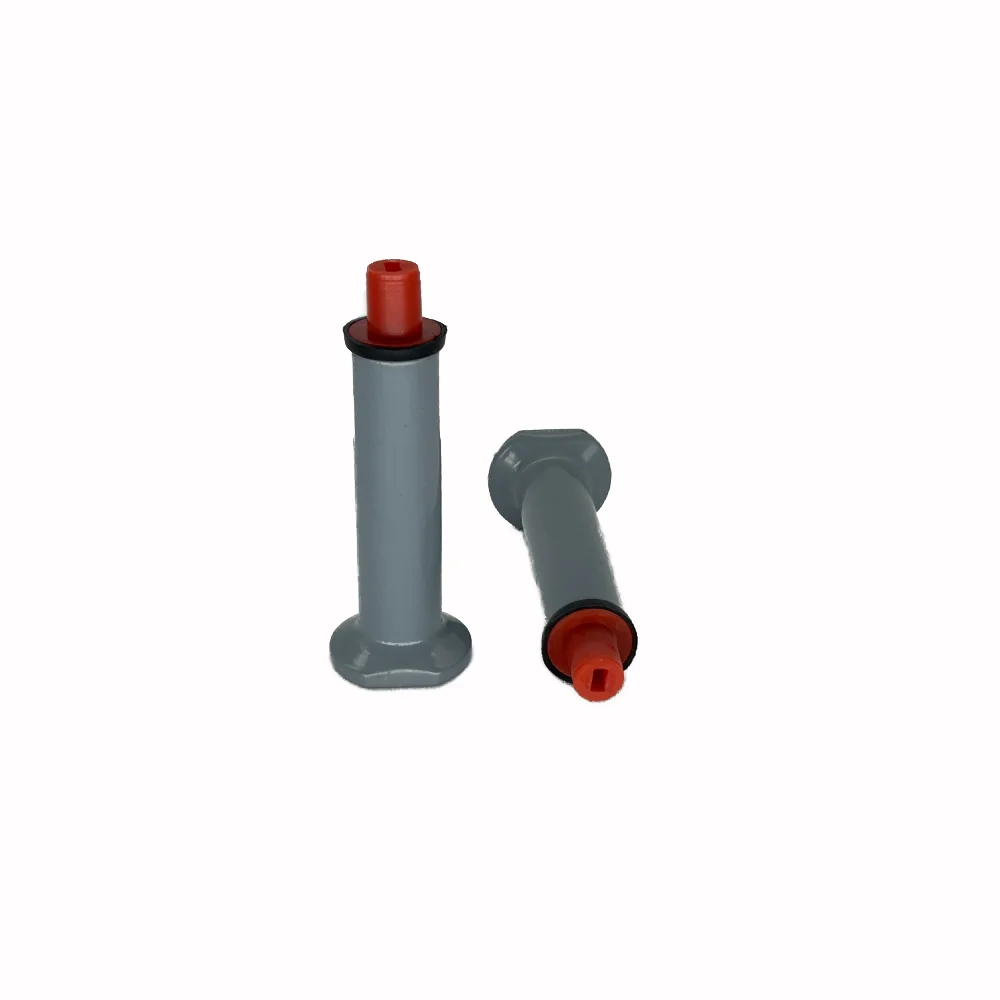
In straightforward terms, a cistern sealing ring is a gasket or ring-shaped seal placed between the cistern lid and the tank’s body to prevent leakage. Usually made from durable rubber or synthetic elastomers, these rings create a tight barrier that blocks water, dirt, and air from sneaking in or out through the tank’s opening.
It’s a small component with a big job, marrying mechanical precision with material innovation. Modern sealing rings align well with stringent industry standards like ISO 9001 quality requirements, ensuring consistency and reliability.
Key Factors to Consider for Cistern Sealing Rings
1. Durability
Sealing rings face constant water contact and pressure changes, so they need to resist degradation, swelling, or cracking. High-quality elastomers—like EPDM (ethylene propylene diene monomer)—excel at this, lasting several years even in harsh environments.
2. Water and Chemical Resistance
Beyond just water, cisterns sometimes contain water treated with chemicals or exposed to environmental pollutants. The sealing ring’s material must withstand this without losing elasticity or integrity.
3. Size and Fit Precision
A ring that’s even slightly off can cause leaks. Engineering exact sizes and tolerances is vital, which means many suppliers offer custom sizing services to perfectly fit proprietary cistern models.
4. Ease of Installation and Maintenance
Quick and straightforward installation saves time, especially in emergency deployments like disaster zones or remote installations. Some sealing rings come with lubricants or snap-fit designs to simplify this step.
5. Cost Efficiency
Of course, a rock-solid sealing ring won’t do much good if it breaks the budget. Balancing material grade and manufacturing cost is key to offering affordable, yet reliable rings.
Product Specification Table: Typical Cistern Sealing Ring Features
| Feature | Specification | Benefit |
|---|---|---|
| Material | EPDM Rubber | Excellent water and weather resistance |
| Temperature Range | -40°C to 120°C | Versatile in various climates |
| Hardness | 60±5 Shore A | Balance of flexibility and firmness |
| Standard Sizes | 100-500 mm diameter | Fits multiple cistern models |
| Compliance | ISO 9001 Certified | Quality assurance |
Global Applications & Use Cases
The role of the cistern sealing ring reaches far beyond routine household water tanks. Across Africa and South Asia, for example, water storage solutions often support entire rural communities or emergency response efforts where maintaining clean water is a literal life-saver. NGOs operating in disaster-hit regions rely on these seals to ensure that supplied water remains uncontaminated during transport and storage.
In industrial zones, particularly those with chemical exposure or extreme temperatures, cistern sealing rings protect process water tanks from leaks and environmental damage. Meanwhile, in urban settings, municipal water distribution systems depend on sealing rings to keep the water fresh and prevent contamination in large-scale reservoirs or cisterns.
For instance, in post-flood recovery in Southeast Asia, aid organizations use tanks with reliable sealing rings to prevent microbial contamination which could otherwise spark outbreaks. Likewise, aquaculture farms in Europe use these rings to maintain water quality in fish ponds, maximizing yield and reducing waste.
Vendor Comparison Table
| Vendor | Material Quality | Customization Options | Average Price (USD) | ISO Certification |
|---|---|---|---|---|
| SunliteTek | Premium EPDM | Full custom sizing & hardness | $5–$10 per ring | ISO 9001 Certified |
| SealPro Goods | Standard Rubber Blend | Limited sizing | $3–$7 per ring | No |
| GlobalSeal | Silicone-Based | Custom but pricier | $12–$20 per ring | ISO 9001 Certified |
Advantages & Long-Term Value
When you think about it, a cistern sealing ring is a small investment that prevents much larger losses. Here are some tangible benefits:
- Cost Savings: Prevents expensive water leakage and damage that might require tank replacement or repair.
- Sustainability: By keeping water clean and reducing waste, sealing rings support sustainable water management practices crucial in today’s water-challenged world.
- Health & Safety: Reliable seals reduce risks of contamination and related diseases.
- Operational Reliability: Reduces chances of downtime in industries relying on water supply.
On an emotional level, there’s a peace of mind that comes knowing your water storage is secure. It feels like a silent guardian, quietly holding water integrity but without needing accolades.
Future Trends & Innovations
Technological improvements keep pushing the envelope for cistern sealing rings. With green energy and sustainability surging ahead, many manufacturers are exploring bio-based elastomers and recyclable materials for their rings. Others are integrating sensor technologies to monitor seal integrity digitally, anticipating failures before they happen.
Automation in manufacturing improves precision, making custom-fit, leak-proof rings more accessible and affordable. Additionally, policy momentum, underpinned by ISO’s evolving standards on water storage safety, encourages higher quality seals that last longer and perform better under extreme conditions.
Challenges & Solutions
Despite their utility, sealing rings face some drawbacks. Exposure to harsh chemical contaminants or UV radiation can hasten degradation in cheaper models. Poor installation practices also lead to leaks or ring damage.
Experts recommend regular maintenance checks and choosing premium-grade materials, even if the upfront cost is higher. Some industries have found success with innovative coatings or protective covers that shield sealing rings from environmental wear. Training installation personnel also pays dividends, especially in humanitarian efforts where time and resources are tight.
FAQ: Frequently Asked Questions About Cistern Sealing Rings
- What materials are best for cistern sealing rings?
- EPDM rubber is generally favored for its water resistance, flexibility, and durability. Silicone and nitrile rubber are alternatives, especially where temperature or chemical exposure varies.
- How often should sealing rings be replaced?
- Replacement intervals vary by use and environment, but many rings last 5–10 years under favorable conditions. Regular inspection is key to catching early wear or cracking.
- Can I install a cistern sealing ring myself?
- Yes, many rings are designed for easy DIY installation. However, following manufacturer instructions and ensuring a proper fit is vital to avoid leaks.
- Do custom-sized sealing rings cost much more?
- Customization may add 10–30% to the base price but often prevents costly retrofit issues and fits your specific tank perfectly.
- Where can I source reliable cistern sealing rings?
- Companies like SunliteTek specialize in high-quality, customizable sealing rings backed by ISO certification, ensuring product reliability.
Conclusion: Why Trusting Your Cistern Sealing Ring Matters
Ultimately, the cistern sealing ring might seem like a simple rubber loop, but it’s actually a cornerstone of ensuring that water storage is safe, efficient, and sustainable worldwide. Whether in domestic setups, industrial applications, or humanitarian projects, this unassuming ring protects vital water resources. Investing in quality materials, precise sizing, and proper installation brings long-term benefits—cost savings, safety, and peace of mind.
If you’re involved in water storage management or procurement, exploring trusted sources like SunliteTek could be a smart move. After all, clean water depends on solid sealing.
It’s funny how such a “small” part carries so much weight in the bigger picture of global water sustainability.
Quick Takeaway:
The quality and reliability of cistern sealing rings directly impact water safety and infrastructure resilience, making them essential components worth careful consideration.
References:

The Essential Guide to the Cistern Sealing Ring: What I […]