Select Language
 Unlocking the World of Locking O Rings: Why They Matter More Than You Think
At first glance, a locking o ring might seem like just another small mechanical component, an unsung hero in the vast machine of industry. But dive a bit deeper, and you'll find that understanding this tiny marvel holds significant consequences globally — from ensuring machinery stays secure to safeguarding humanitarian relief equipment in remote areas. In fact, grasping the nuances of locking o rings can unlock better safety, sustainability, and efficiency across countless fields.
The Global Context: How Locking O Rings Meet Industry’s Growing Demands
Around the world, industries rely heavily on dependable seals and locks that perform under stress — whether in oil rigs in the North Sea, manufacturing plants in Southeast Asia, or emergency medical devices in conflict zones. According to ISO’s standards on seals and fasteners, failures in such components contribute to nearly 15% of machine breakdowns annually.1 It’s a challenge that locks and seals often face: how to remain secure against vibrations, harsh environments, and wear without adding costly complexity.
Locking o rings address these challenges head-on. Their design increases mechanical security while simplifying maintenance. Industries from automotive to pharmaceuticals count on them to reduce downtime, avoid leaks, and improve safety. Oddly enough, these little rings also play a quiet but serious role in global humanitarian efforts, ensuring vital equipment remains operational during disaster relief.
Mini takeaway: The humble locking o ring is a keystone in global machinery reliability, supporting everything from industrial efficiency to emergency response.
What Exactly Is a Locking O Ring?
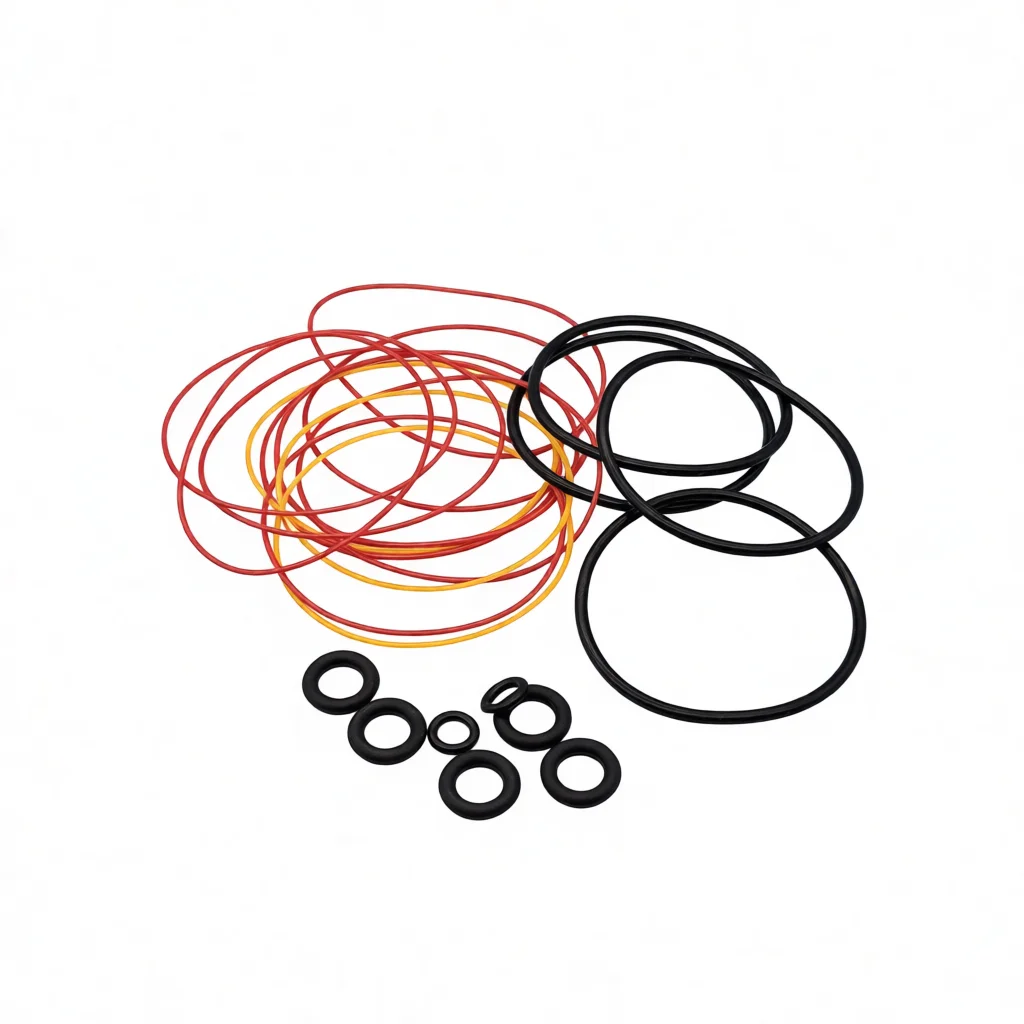
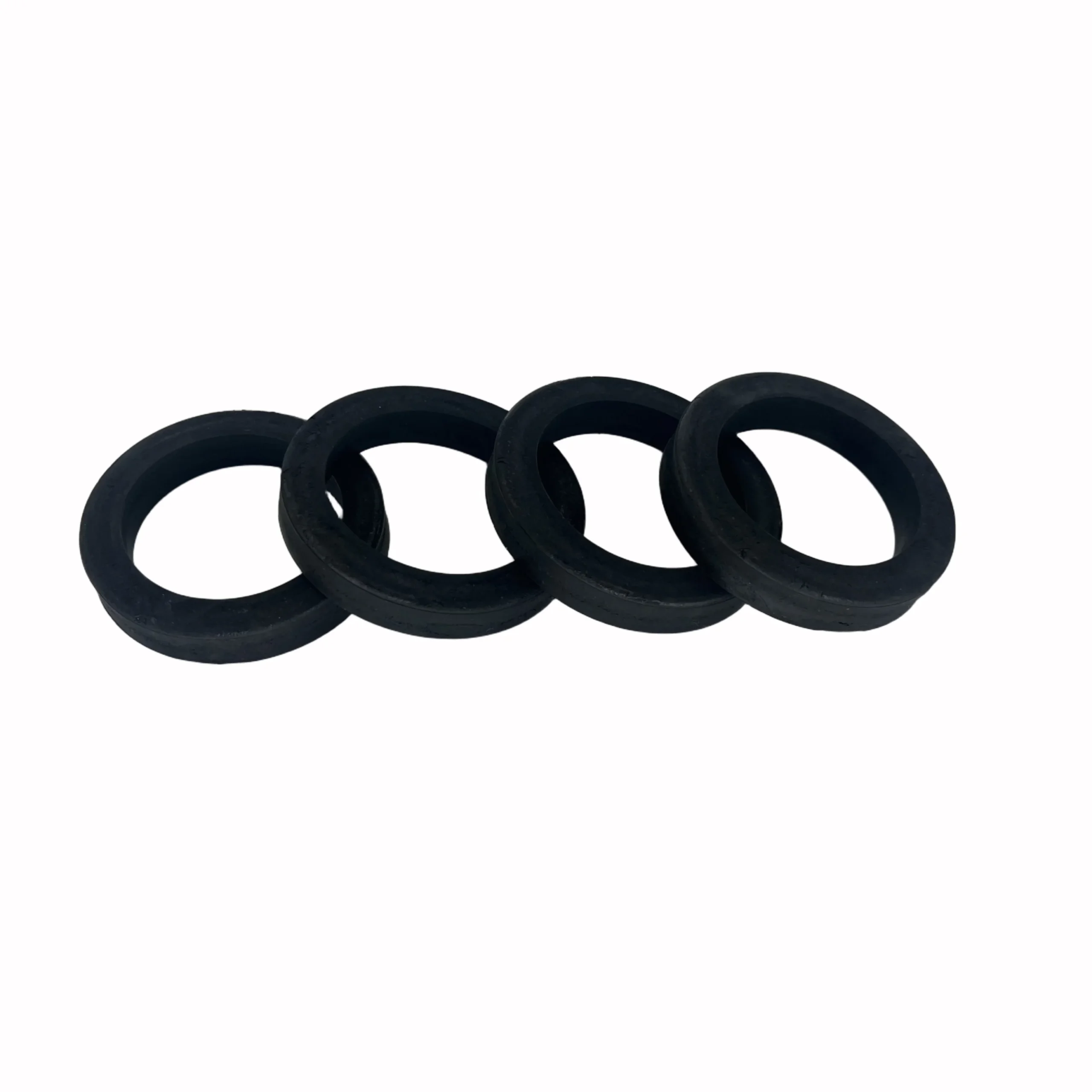
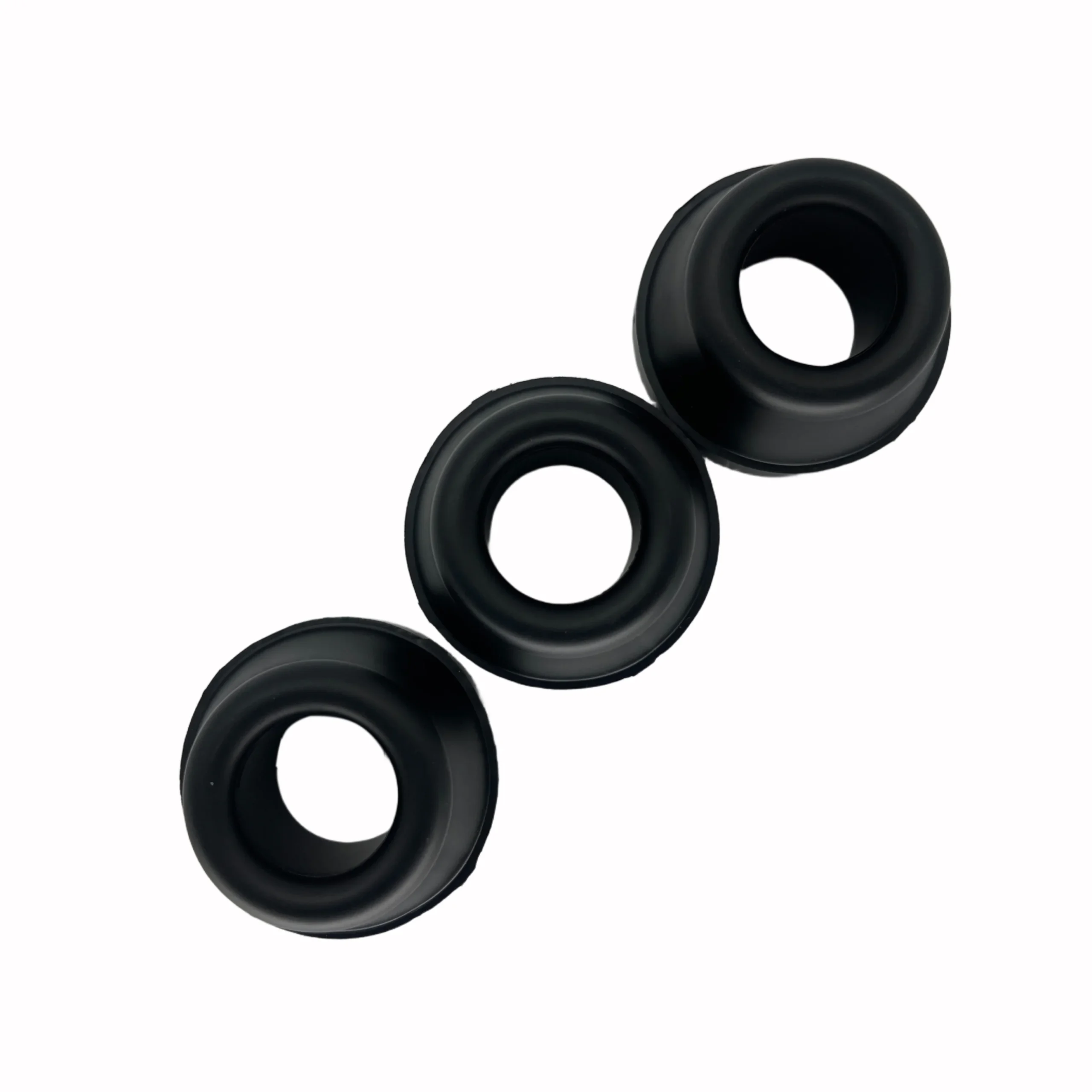
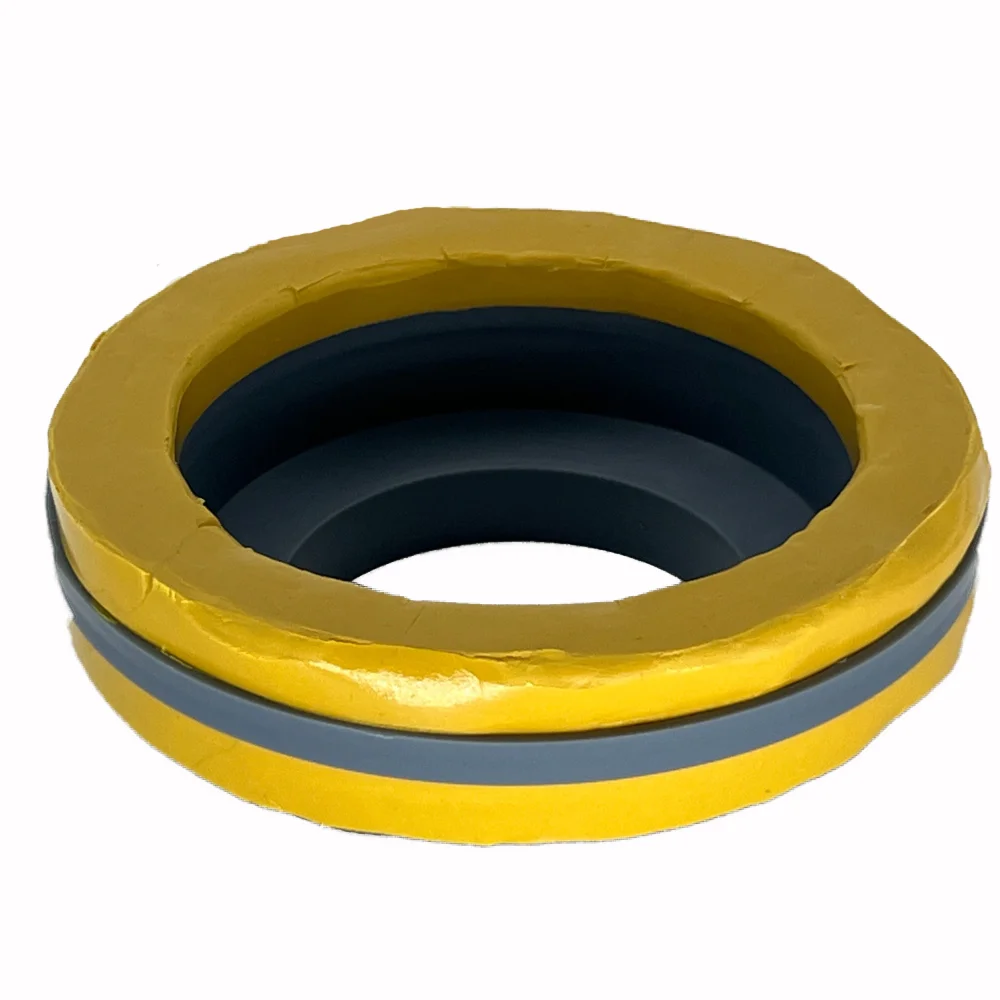
Simply put, a locking o ring is a specialized sealing ring designed not only to create a tight seal but also to prevent slippage or loosening under dynamic conditions. Unlike standard o rings that provide a standard seal between two parts, locking o rings come with added features — think of grooves, teeth, or mechanical locks — that ensure they stay exactly where they’re supposed to, even when subjected to pressure, vibration, or thermal changes.
From factory machines to medical equipment, the need for reliability without constant readjustment gives locking o rings their crucial role. And in humanitarian and industrial sectors, where equipment failure might mean lost lives or economic fallout, their value is hard to overestimate.
Core Features That Make Locking O Rings Indispensable
Durability Under Pressure
Locking o rings are typically made from tough materials like nitrile rubber, silicone, or fluorocarbon compounds. Their construction ensures resistance not only to mechanical stress but also chemicals, temperature extremes, and UV exposure — crucial for outdoor or harsh-environment operations.
Secure Fitment and Anti-Slip Design
The distinctive locking mechanism, often involving a secondary groove or a snap-in feature, keeps the ring firmly in place. Many engineers I spoke with noted how this mitigates accidental loosening, especially in machinery prone to strong vibrations.
Cost Efficiency Over Time
While locking o rings may carry a slightly higher upfront cost compared to traditional o rings, their long-term savings are significant. Fewer replacements, less downtime, and reduced maintenance translate directly into operational efficiency.
Compatibility and Versatility
Another plus is their adaptability to various shaft sizes and housing configurations, meaning fewer custom parts and standardized inventory — a dream for supply chain managers!
Real-World Applications: Where Locking O Rings Shine Brightest
If you think locking o rings are just for high-tech labs, think again. In post-disaster relief operations, equipment like pumps, water purification systems, and portable medical devices use locking o rings to remain functional under stressful conditions. For example, NGOs operating in flood zones in Southeast Asia reported a 25% drop in equipment failures after switching to locking o rings.2
Heavy industries, from mining in South America to automotive manufacturing in Europe, also rely on these rings to secure components that rotate, slide, or vibrate frequently. It’s this widespread implementation that makes them a quiet workhorse behind global industrial reliability.
Mini takeaway: Locking o rings find their place everywhere — from remote disaster zones to bustling factory floors — proving their versatility and reliability.
Product Specifications: A Quick Glance
| Specification | Details |
|---|---|
| Material | Nitrile Rubber / Silicone / Fluorocarbon |
| Temperature Range | -40ºC to +150ºC (varies by material) |
| Pressure Rating | Up to 500 psi |
| Locking Mechanism | Grooved snap-fit or internal teeth |
| Standard Sizes | 3mm to 100mm inner diameter |
| Typical Lifespan | 3 to 10 years depending on application |
How Do Top Vendors Stack Up?
| Vendor | Material Options | Special Features | Global Reach | Price Range (USD) |
|---|---|---|---|---|
| SealinTech | NBR, FKM | Customizable Lock Grooves | Global (50+ countries) | $2 - $10 each |
| LockRing Solutions | Silicone, EPDM | High-Temp Tolerance | North America & Europe | $3 - $12 each |
| SunliteTek | NBR, Silicone, FKM | Eco-Friendly Materials, Custom Sizes | Asia, Worldwide Shipping | $1.50 - $9 each |
Why Choose Locking O Rings? The Long-Term Advantages
There’s a reason engineers swear by locking o rings and designers squeeze them into new products—they offer peace of mind and operational benefits that pay off over time. They reduce downtime (which can be painfully costly). They improve safety by preventing leaks in critical systems. And in an era where sustainability counts, many locking o rings are now manufactured using more eco-conscious materials.
On a more human level, a locking o ring can be the last line of defense keeping delicate equipment functional when it matters most — say, during a disaster relief effort where every drop of clean water counts or in medical devices that save lives. There’s something quietly inspiring about such a modest component having that kind of impact.
Gazing Forward: Innovations Shaping the Future of Locking O Rings
Innovations aren’t slowing down here. Researchers are developing bio-based, biodegradable elastomers to replace conventional synthetic rubbers. Digital modeling improves precision fits, reducing waste and variability. Then there’s automation in manufacturing, allowing quick custom sizes and features tailored on demand — perfect for emerging green energy setups and modular industrial plants.
Plus, as industries lean into IoT and remote monitoring, expect smart sealing solutions with embedded sensors to detect wear or loosening before failure. It’s an exciting future, really.
Facing Challenges and How to Tackle Them
No product is without its hurdles. Locking o rings sometimes struggle in ultra-high pressure or chemically aggressive environments. Material degradation can still sneak in after years of service. But advances in material science, along with smarter design tweaks — like hybrid seals combining metal and elastomers — are helping to conquer these gaps.
Also, proper installation remains vital. Even the best locking o ring can fail if not seated properly, which is where training and equipment standards come into play.
Common Questions About Locking O Rings
- Q: How do locking o rings differ from standard o rings?
- Locking o rings have additional mechanical features such as grooves or teeth that prevent slipping or loosening under dynamic conditions, whereas standard o rings mainly provide passive sealing.
- Q: Can locking o rings be reused after removal?
- It depends on material and condition, but generally, reuse is discouraged to avoid compromising the seal's integrity and locking features.
- Q: Are locking o rings resistant to chemicals and extreme temperatures?
- Yes, materials like fluorocarbon or silicone enable resistance to many chemicals and temperature ranges, with specifics varying by product.
- Q: How important is correct sizing when ordering locking o rings?
- Very important. Incorrect sizing can lead to inadequate sealing or failure of the locking mechanism, so careful measurements or consulting the vendor is recommended.
- Q: Where can I find locking o rings for specialized applications?
- Vendors like SunliteTek offer customizable options and guidance for niche requirements across industries globally.
In Closing: Small Component, Big Impact
In sum, locking o rings may fly under the radar, but their contribution to global industry, safety, and sustainability is anything but small. Whether you’re an engineer tackling efficiency challenges or a project manager ensuring field equipment reliability, these rings deserve a second look.
Curious to explore your options? Visit SunliteTek for a range of locking o ring solutions tailored to your needs. Sometimes all it takes is a small twist — or in this case, a locking o ring — to keep the world turning smoothly.
References

Unlocking the World of Locking O Rings: Why They Matter […]