Select Language
 Understanding Closed Cell Foam Gasket Tape: A Vital Component in Modern Sealing Solutions
At first glance, closed cell foam gasket tape might sound like just another industrial product tucked away in warehouses, but its applications—and benefits—are far-reaching, touching everything from infrastructure integrity to environmental conservation. Globally, industries are facing mounting pressure to improve energy efficiency, environmental safety, and equipment longevity. This is where closed cell foam gaskets come in, offering a cost-effective solution that seals better, insulates more, and lasts longer. Whether you’re in manufacturing, construction, or even humanitarian logistics, understanding what this tape brings to the table is surprisingly important.
Global and Industry Relevance of Closed Cell Foam Gasket Tape
According to recent data from the International Energy Agency (IEA) and ISO standards on insulation, sealing gaps and joints in mechanical and building assemblies can improve overall energy efficiency by up to 30%. This statistic hints at the hidden role of quality sealing materials like closed cell foam gasket tape, which prevents air and moisture infiltration that cause energy loss and material degradation.
Challenges such as climate change, resource scarcity, and infrastructure aging push industries worldwide to seek better insulation and sealing products. Closed cell foam gasket tape addresses these pressing problems by being a robust barrier to both air and water ingress. It’s used anywhere from HVAC systems in North America to water-tight sealants for shipping containers in Asia, showing its global reach.
What Exactly is Closed Cell Foam Gasket Tape?
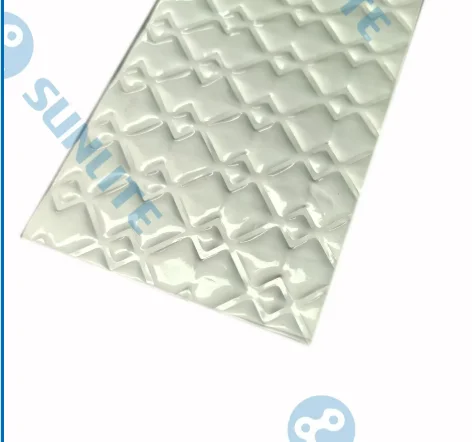
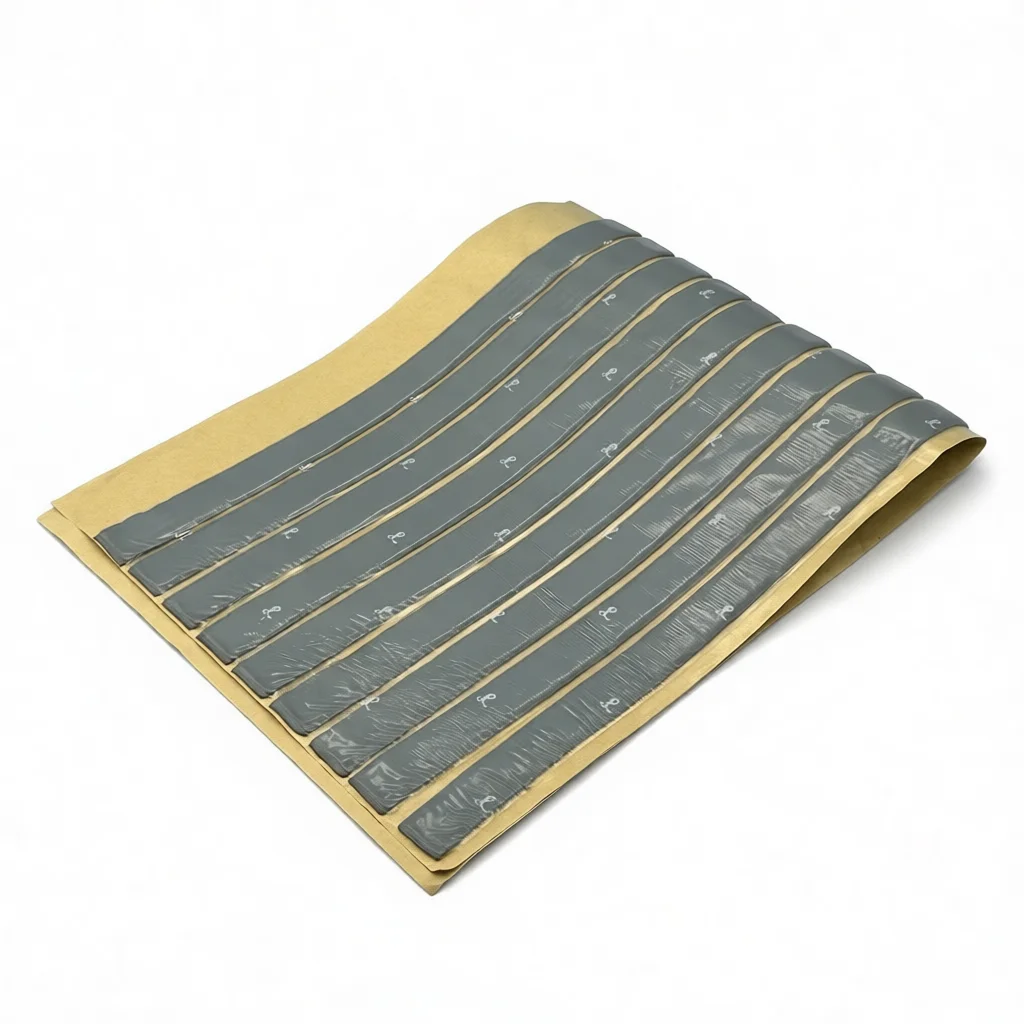
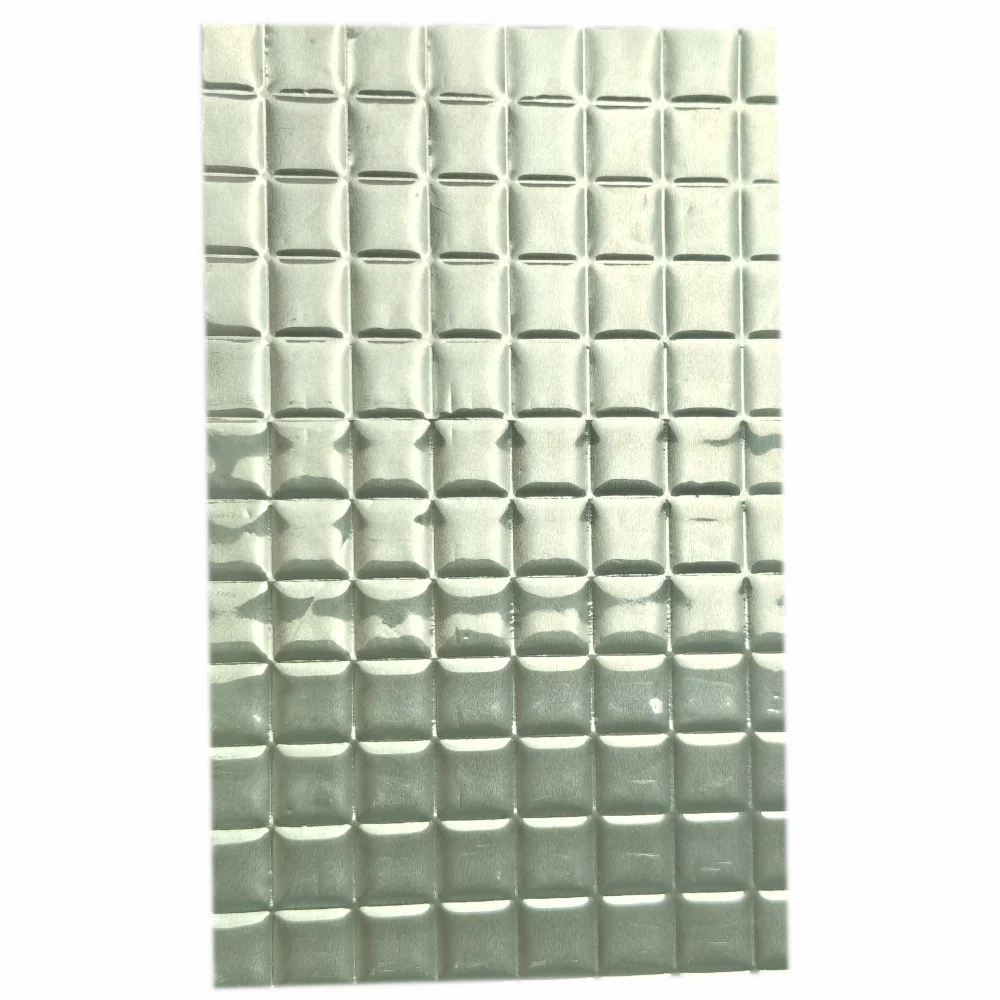
Simply put, this tape is a dense, foam-based sealing product made from materials like polyethylene (PE) or neoprene with closed cell structures—meaning the foam bubbles are sealed off from each other, unlike open cell foam where air passes through freely. This structure makes it superbly resistant to water absorption, compression, and weathering.
In sectors like transportation, construction, marine, and manufacturing, these tapes are used to create airtight and watertight seals, providing critical reliability and protection for both equipment and humans. It’s fascinating how a small strip of foam can support everything from preserving electronics to making buildings more livable.
Key Components and Properties of Closed Cell Foam Gasket Tape
Durability and Weather Resistance
This tape can withstand harsh environmental conditions—UV exposure, ozone, temperature extremes, you name it. Thanks to its closed cell makeup, it doesn’t degrade or lose integrity quickly, meaning fewer repairs and less downtime for critical machinery or building envelopes.
Compression and Recovery
The foam compresses under pressure, filling gaps snugly, but rebounds when pressure releases, preserving the seal’s effectiveness over time. This resilience reduces the chance of leaks and maintains consistent protection throughout the product’s service life.
Adhesion Quality
Most closed cell foam gasket tapes come with strong pressure-sensitive adhesives that stick well to diverse surfaces such as metal, glass, plastic, and painted woods—making installation straightforward and reliable.
Thermal and Acoustic Insulation
Besides sealing, these tapes help suspend heat and muffle sound, contributing to energy savings and noise control in buildings and machinery alike.
Customization Ability
Vendors often manufacture tapes in various thicknesses, widths, and densities to meet specific application needs, which is a boon for engineers and architects seeking tailored solutions.
Product Specifications at a Glance
| Specification | Typical Value | Units |
|---|---|---|
| Material | Closed cell Polyethylene foam | |
| Density | 28 - 45 | kg/m³ |
| Compression Set | after 24h at 70% compression | |
| Temperature Range | -40 to 90 | °C |
| Adhesion Strength | 2.5 | N/cm |
Global Applications & Use Cases for Closed Cell Foam Gasket Tape
Oddly enough, this type of gasket tape doesn’t get the spotlight it deserves given how universal its applications are. Here are some industries and scenarios where it shines:
- Construction and Architecture: providing airtight window seals and weatherproof joints, crucial in cold climates like Scandinavia or Canada.
- Automotive and Transportation: sealing doors and trunk lids from water and dust ingress—think about harsh road conditions in Australia or snowy Russia.
- Marine Industry: keeping cabins and engine compartments dry, especially important in coastal regions where salty air accelerates corrosion.
- Electronics Enclosures: protecting sensitive sensors and controls against moisture and dust.
- Post-Disaster Repairs: in humanitarian zones, quick sealing solutions enable shelters and medical units to stay weatherproof and safe.
Many organizations value closed cell foam gasket tape for its adaptability in remote and challenging environments, leading to better durability and fewer maintenance visits.
Advantages and Long-Term Value
What really makes closed cell foam gasket tape stand out is its blend of efficiency and sustainability. Here’s why:
- Cost Effectiveness: By extending equipment and building life and reducing energy costs, it pays for itself quickly.
- Environmental Sustainability: Reduced energy use limits carbon footprints.
- Safety & Comfort: It enhances airtightness to control hazards like mold growth or gas leaks.
- Trust & Reliability: With consistent performance over time, it reduces downtime and maintenance headaches.
It’s quite a win-win—investment in quality sealing products like these is a silent force behind many sustainable initiatives worldwide.
Future Trends & Innovations in Closed Cell Foam Gasket Tape
Looking ahead, the industry is buzzing around these directions:
- Bio-based and Recycled Materials: Innovations in environmentally friendly foam compositions to reduce petroleum dependence.
- Enhanced Adhesives: Smarter, more durable adhesives that bond to increasingly complex surfaces and in extreme environments.
- Integration with IoT Sensors: Tapes embedded with sensors monitoring seal integrity and environmental changes, which could revolutionize maintenance.
- Customization through Digital Manufacturing: 3D printing and digital cutting allow precisely shaped gaskets for niche industrial needs.
Challenges and Solutions in Current Practice
Despite the benefits, there are some hurdles:
- Adhesion Issues in Contaminated Surfaces: Dust or oils can reduce tape effectiveness. The fix? Surface preparation and developing adhesives with higher tolerance.
- Thickness Limitations: Thicker seals sometimes reduce flexibility. Hybrid layered materials are a promising approach.
- Environmental Degradation: Over time, even closed cell foams can crack under UV exposure without additives.
Experts suggest ongoing research and material science advances as the best route forward to minimize these challenges.
Vendor Comparison: Closed Cell Foam Gasket Tape
| Vendor | Material Options | Adhesive Type | Customization | Lead Time |
|---|---|---|---|---|
| SunliteTek | PE, Neoprene, EPDM | High-strength acrylic | Custom thickness, widths | 2-3 weeks |
| GlobalSeal | PE only | Rubber-based | Standard sizes only | 1-2 weeks |
| EcoSeal | Bio-based Foams | Eco-friendly adhesive | Limited customization | 3-4 weeks |
FAQs About Closed Cell Foam Gasket Tape
Q1: How long does closed cell foam gasket tape typically last in outdoor applications?
A: While lifespan varies with conditions, quality closed cell foam tape with UV-resistant adhesive can last 5-10 years outdoors, resisting weather, moisture, and thermal cycling effectively.
Q2: Can closed cell foam gasket tape be used on irregular or curved surfaces?
A: Absolutely. Thanks to its flexibility and good adhesion, it conforms well to uneven or curved surfaces, making it ideal for automotive or marine sealing tasks.
Q3: Is closed cell foam gasket tape suitable for environments with high heat?
A: Most closed cell foam gaskets handle temperatures up to 90°C comfortably. For higher heat, specialized formulations like silicone-based foams are recommended.
Q4: How do I ensure the tape sticks properly during installation?
A: Surface must be clean, dry, and free of grease. Use isopropyl alcohol wipes if necessary. Proper temperature during application (usually 15-30°C) also helps maximize adhesion.
Q5: Can this tape replace traditional rubber or silicone gaskets?
A: It depends on the application. Closed cell foam gasket tape offers easier installation and good sealing but may not suit all high-pressure or chemical exposures where molded rubber gaskets perform better.
Closing Thoughts and Call to Action
In real terms, closed cell foam gasket tape is more than just a sticky strip—it’s a quiet innovation supporting global demands for energy efficiency, protection, and sustainability across numerous sectors. Knowing its strengths and quirks lets engineers and decision-makers choose wisely, improving product longevity and reducing waste.
If you want to explore tailored solutions or learn more, check out SunliteTek’s range of closed cell foam gasket tape. With customization options and proven expertise, they stand ready to help you solve even the stickiest sealing challenges.
Mini takeaway: Closed cell foam gasket tape is a small product with a big worldwide impact, blending durability, sustainability, and versatility in one neat package.
References

Understanding Closed Cell Foam Gasket Tape: A Vital Com […]