Select Language
In the rapidly accelerating world of robotics and autonomous systems, the physical interface between a machine and its environment is often the most critical point of failure or success. While software, sensors, and artificial intelligence represent the "brain" of the operation, the track system constitutes the "muscle" and "feet." For businesses and engineers developing specialized machinery, finding the right partner in the supply chain is paramount. Navigating the global market to find reputable robot track suppliers is a journey that requires a deep understanding of material science, mechanical engineering, and long-term operational support. A reliable supplier does not merely provide a component; they provide the assurance that your high-value robotic asset will not be sidelined by a simple mechanical breakdown in the field.
The complexity of modern robotics means that off-the-shelf solutions are rarely sufficient for high-stakes applications. Whether a machine is destined for the hazardous depths of a mining shaft or the high-precision environment of an automated warehouse, the locomotion system must be perfectly tuned to its specific duty cycle. This necessity for precision is why the search for robot track suppliers must go beyond a simple price comparison. It involves vetting a partner’s ability to innovate, their commitment to quality control, and their capacity to scale production as your project moves from prototype to mass deployment.
Evaluating the Engineering Depth of a Robot Track Manufacturer
The first step in securing a reliable supply chain is distinguishing between a simple reseller and a true robot track manufacturer. A manufacturer with in-house engineering capabilities offers a level of technical depth that is indispensable for complex projects. When you work directly with the source, you gain access to the chemists who formulate the rubber compounds and the mechanical engineers who design the internal reinforcement structures. This direct line of communication allows for the fine-tuning of a track’s performance characteristics, such as its shore hardness, its resistance to chemical abrasion, or its ability to withstand extreme thermal fluctuations.
A premier robot track manufacturer invests heavily in research and development, constantly pushing the boundaries of what flexible locomotion systems can achieve. They utilize advanced simulation software to predict how a track will behave under various load conditions, ensuring that the final product meets the rigorous demands of industrial use. By choosing a manufacturer with a proven track record of innovation, you are essentially future-proofing your robotic platform. You benefit from their ongoing discoveries in material science, which can lead to tracks that are lighter, stronger, and more energy-efficient, ultimately extending the battery life and operational range of your autonomous systems.
The Material Advantage: Selecting High-Performance Rubber Tracks
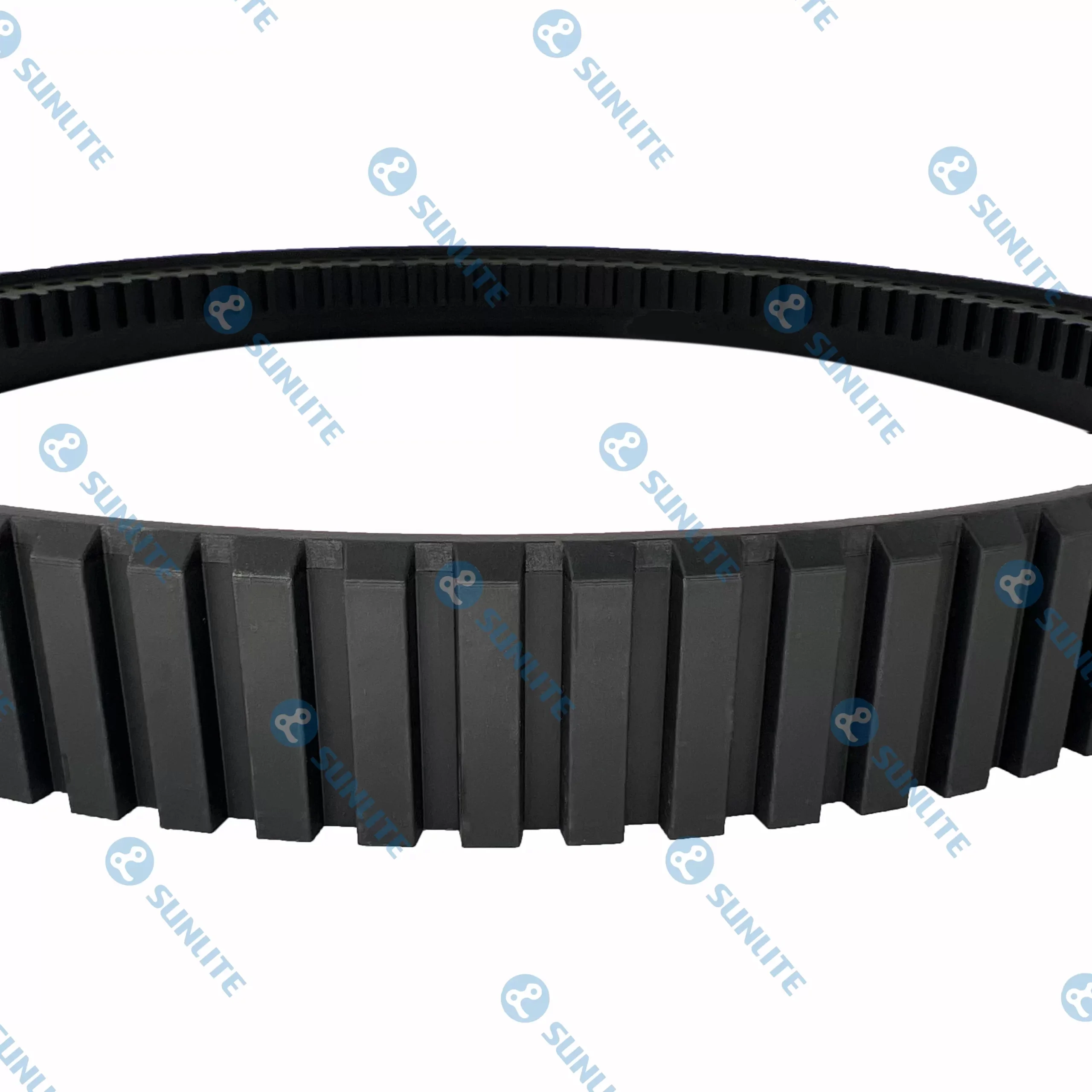
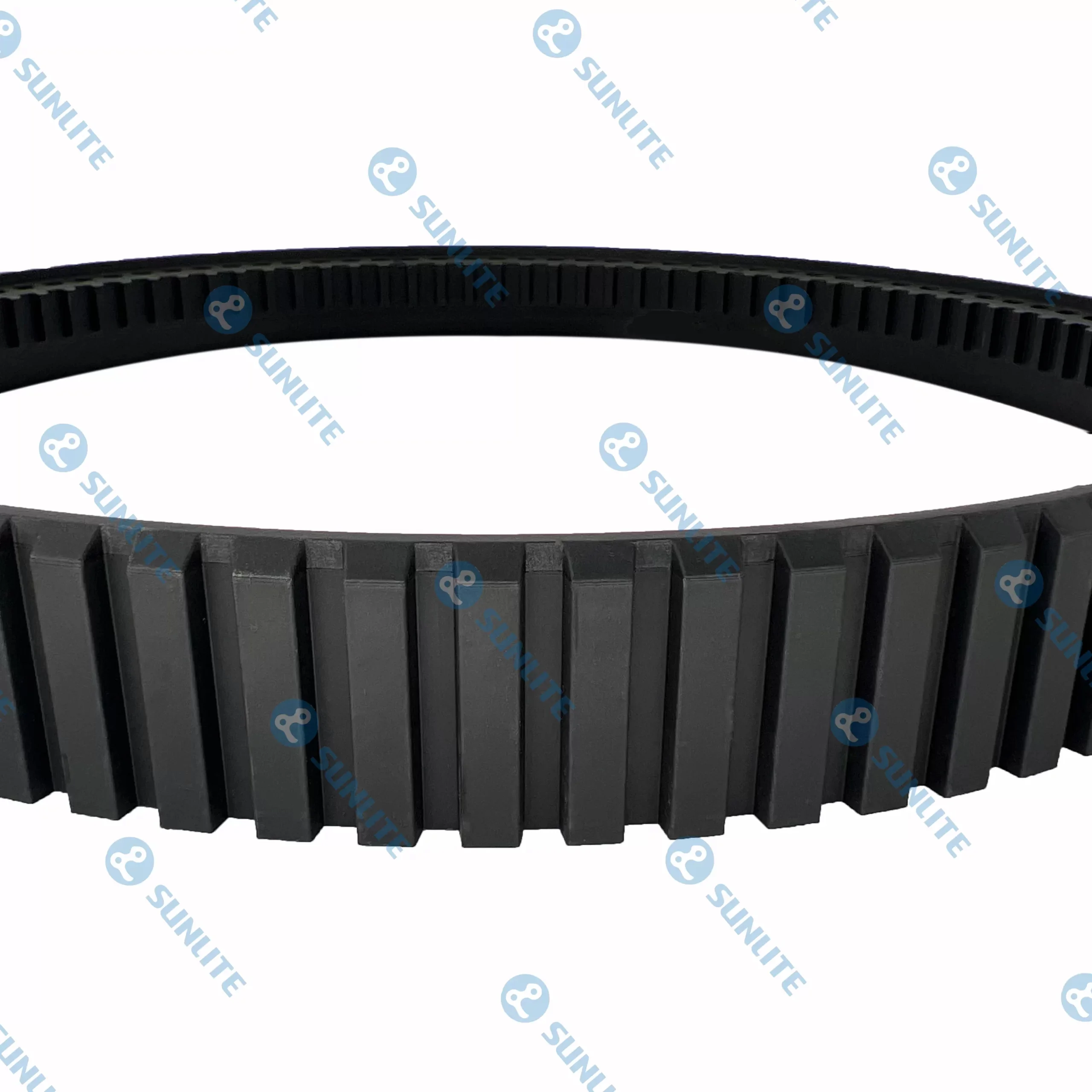
When evaluating potential components, the quality of the rubber tracks themselves is the ultimate litmus test for a supplier’s expertise. In the modern era, rubber is no longer a simple, singular material; it is a sophisticated composite. Professional suppliers offer tracks made from specialized synthetic blends, such as Nitrile or Neoprene, which are engineered to resist the "checking" and cracking caused by UV exposure and ozone. For robots that spend their entire operational lives outdoors—such as those used in solar farm maintenance or agricultural monitoring—the chemical resilience of the rubber is what dictates the total cost of ownership over time.
Beyond the external coating, the internal architecture of high-quality rubber tracks is what provides the necessary tensile strength. Reliable suppliers ensure that their tracks are built around a continuous, jointless steel cord or a high-strength aramid fiber core. This prevents the track from stretching or deforming when the robot is climbing a steep incline or carrying a heavy payload. A track that maintains its structural integrity ensures that the drive sprockets stay perfectly aligned, reducing internal friction and preventing the catastrophic "throwing" of a track in a remote location. When a supplier can provide detailed documentation on their material sourcing and internal construction, it is a clear sign of their commitment to professional standards.
Tailoring Locomotion through Precision Robot Track Design
A key differentiator among top-tier suppliers is their ability to assist with robot track design. Every robot has a unique set of requirements based on its center of gravity, its weight distribution, and the specific terrain it is intended to conquer. A "one-size-fits-all" approach to tracks often leads to suboptimal performance, increased energy consumption, and premature wear on the motors. A professional supplier acts as a consultant during the design phase, helping engineers choose the optimal width, length, and lug pattern for their specific application.
The nuances of robot track design also include the "self-cleaning" properties of the tread. In muddy or snowy environments, a poorly designed lug pattern will allow debris to accumulate between the track and the wheels, leading to mechanical jams. High-performance designs utilize angled lugs and evacuation ports that naturally eject stones and dirt as the track rotates. By partnering with a supplier who understands these subtle mechanical realities, you can ensure that your robot remains mobile in conditions that would paralyze a less sophisticated platform. This collaborative design process is what transforms a standard piece of rubber into a high-performance industrial tool.
Reliability in Action: The Tracked Inspection Robot Requirement
The importance of a reliable supplier is perhaps most visible in the world of the tracked inspection robot. These machines are often sent into environments where human entry is impossible or dangerous—nuclear facilities, chemical sumps, or collapsed infrastructure. In these scenarios, the robot’s tracks are its only lifeline. If a track snaps or derails inside a radioactive cooling pipe, the machine is not just broken; it is lost, along with the expensive sensors and data it carries. Suppliers who specialize in this sector understand that there is zero margin for error.
For a tracked inspection robot, the locomotion system must provide a smooth, vibration-free ride to ensure that onboard cameras and LiDAR sensors can capture clear data. This requires tracks that are perfectly balanced and wheels that are precision-machined to minimize run-out. Professional suppliers for this niche offer specialized "non-marring" and "low-noise" tracks that allow the robot to operate in sensitive indoor environments without leaving marks on floors or disrupting facility operations. When a supplier can demonstrate that their products have been successfully deployed in these high-consequence inspection missions, it serves as a powerful testament to their overall reliability and engineering prowess.
In the rapidly accelerating world of robotics and autonomous systems, the physical interface between a machine and its environment is often the most critical point of failure or success.