

 Select Language
When designing products for high-stress physical interaction, the most significant challenge is preventing material fatigue. In the world of pet products, heavy duty rubber dog toys serve as a primary example of high impact elastomer application. These toys are subjected to "point loading"—the intense, concentrated pressure of a canine's tooth—which would cause standard plastics to shatter or low-grade rubbers to tear.
The application of high impact elastomers solves this through a unique structural design. Because these materials possess strong interactions between flexible molecular chains, the energy from a bite is distributed across the entire polymer matrix rather than being concentrated at the point of impact. This "energy displacement" is a hallmark of high-end preparation technology. By ensuring the material has a low glass transition temperature, engineers create a toy that remains flexible and impact-resistant regardless of the environment. Whether the toy is used in a frozen backyard or a sun-drenched park, its high strength remains constant, preventing the formation of sharp, dangerous shards.
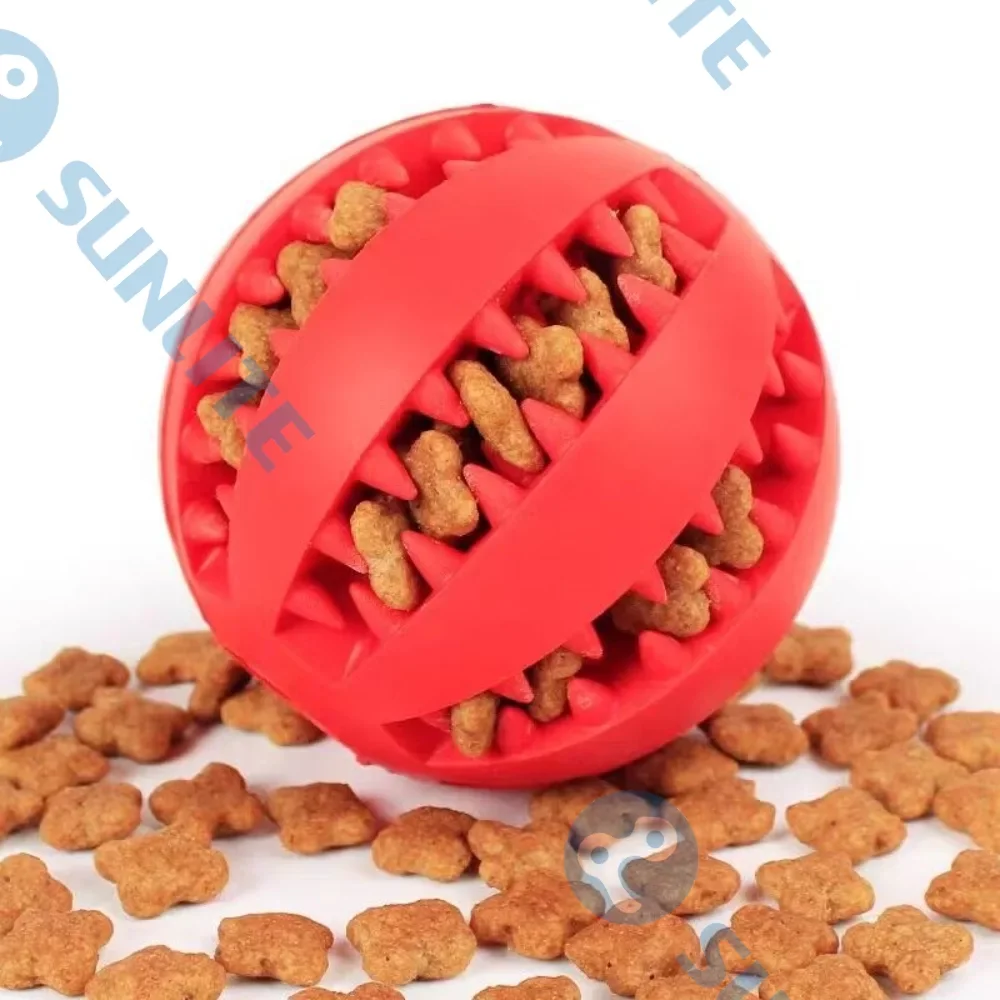
Dynamic Performance of Rubber Dog Toys for Aggressive Chewers
For a specific subset of the market—the "power chewer"—standard durability is insufficient. The application of high impact elastomers in rubber dog toys for aggressive chewers requires a focus on "low heat generation." When a dog chews continuously, internal friction within the material can lead to thermal buildup, which typically softens and weakens standard elastomers.
However, high impact elastomers are engineered for excellent dynamic properties. They maintain their high strength at high temperatures, meaning the structural integrity of the toy does not degrade during an intense chewing session. This thermal stability is achieved through precise process control during the material's preparation. By manipulating the molecular weight distribution, manufacturers can create a product that feels "soft" enough to be engaging for the animal but is molecularly "hard" enough to resist puncturing. This balance of high elasticity and tensile strength is what allows these toys to survive months of abuse where others fail in minutes.
The Structural Advantages of Solid Rubber Dog Toys
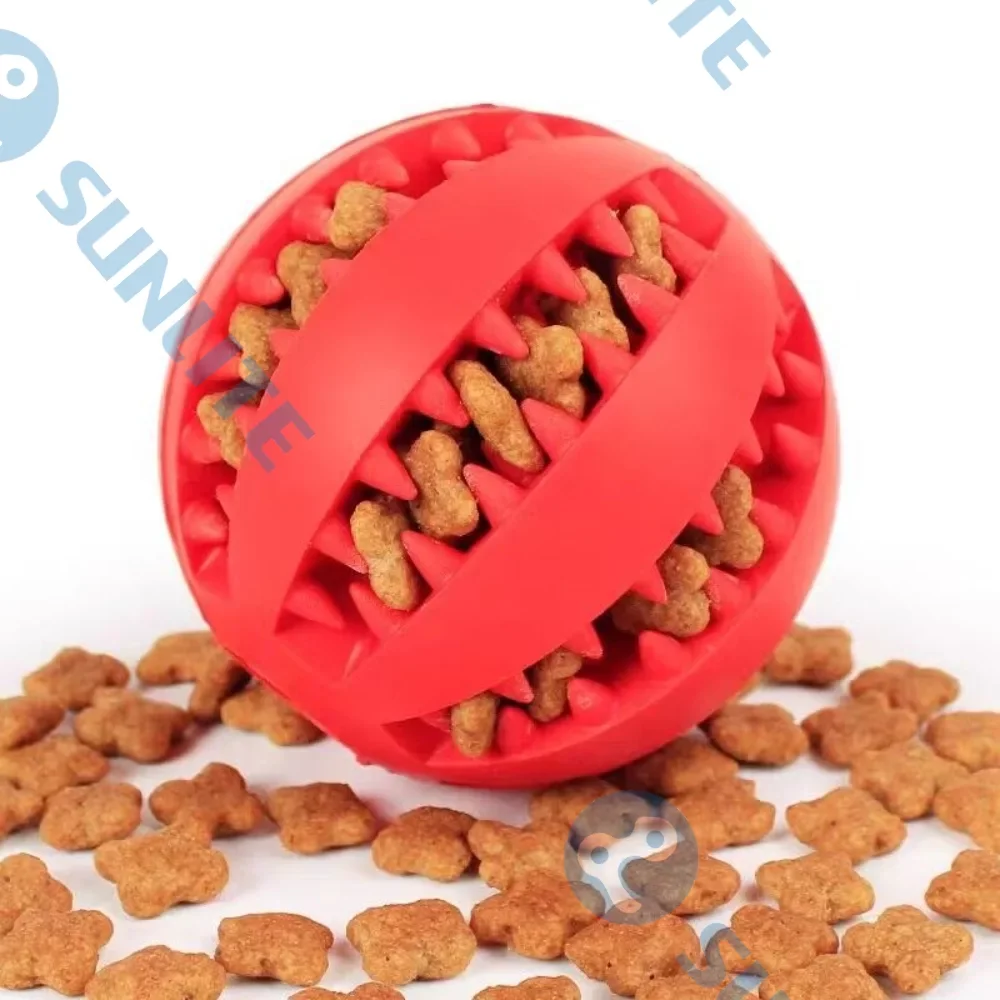
In many industrial and consumer applications, the "solid" nature of a component is its greatest strength. Solid rubber dog toys utilize the density of high impact elastomers to provide a weight and tactile feedback that hollow toys cannot match. From an application standpoint, a solid mass of high-impact material acts as a shock absorber.
The preparation technology used for these solid forms ensures that there are no internal air pockets or "voids" that could serve as failure points. Because the material meets RoHS 2.0, REACH, and PFAS-free standards, the high density of the toy does not come at the cost of chemical safety. The solid construction allows for the integration of complex surface geometries—such as deep grooves or raised nubs—that remain functional over time. In a high-impact scenario, such as a toy being thrown against a concrete wall or gripped by powerful jaws, the solid elastomer maintains its shape and "rebound" due to the high elasticity inherent in its molecular design.
Environmental Compliance in Rubber Pet Toys
The application of any material in a household setting must account for safety and environmental regulations. High impact elastomer materials are at the forefront of "green" polymer chemistry. In the production of rubber pet toys, it is essential that the material does not leach harmful chemicals.
By adhering to PAHs, POPs, TSCA, and REACH regulations, these elastomers provide a non-toxic alternative to traditional PVC or chemically-treated rubbers. This is particularly vital for products that are frequently in a pet's mouth. The preparation technology allows for the creation of high-performance materials without the need for toxic plasticizers or heavy metal stabilizers. Consequently, the "high strength" of the material is matched by its "high safety," making it the ideal candidate for products that require both physical toughness and biological inertness.
Thermal Stability and High Elasticity in Outdoor Play
One of the most impressive applications of high impact elastomers is their performance in extreme climates. Traditional rubber often becomes stiff and brittle in the cold, or gummy and weak in the heat. High impact elastomers, however, are designed to maintain high elasticity at low temperatures and high strength at high temperatures.
This characteristic is essential for heavy duty rubber dog toys intended for outdoor use. In a winter climate, a toy made from these materials will not crack when dropped on frozen ground. Conversely, in the heat of summer, the material will not lose its "snap" or become dangerously soft. This wide operating temperature range is a result of the flexible molecular chains being able to move freely without losing their intermolecular bonds. This ensures that the product’s performance is predictable and safe 365 days a year, regardless of the geographic location.
When designing products for high-stress physical interaction, the most significant challenge is preventing material fatigue.