

 Select Language
 Why NBR 90 O Rings Remain a Staple in Industrial Sealing
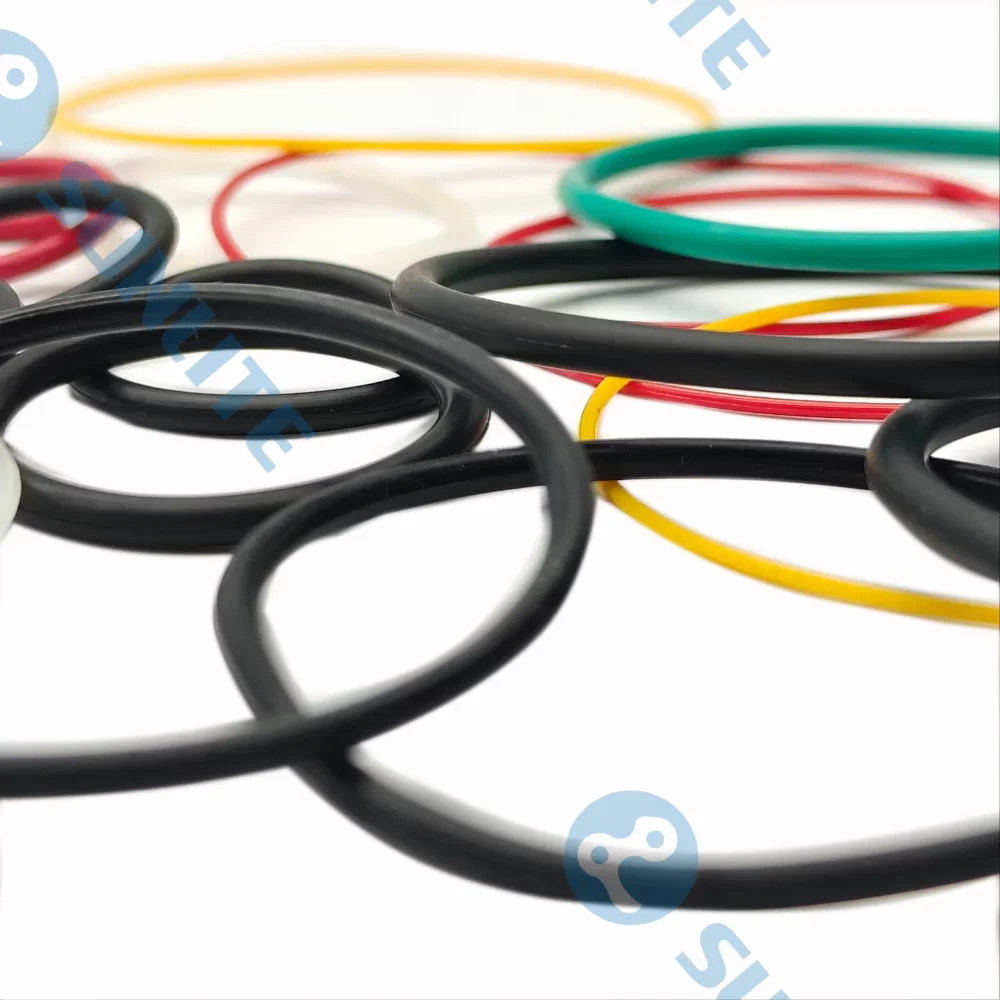
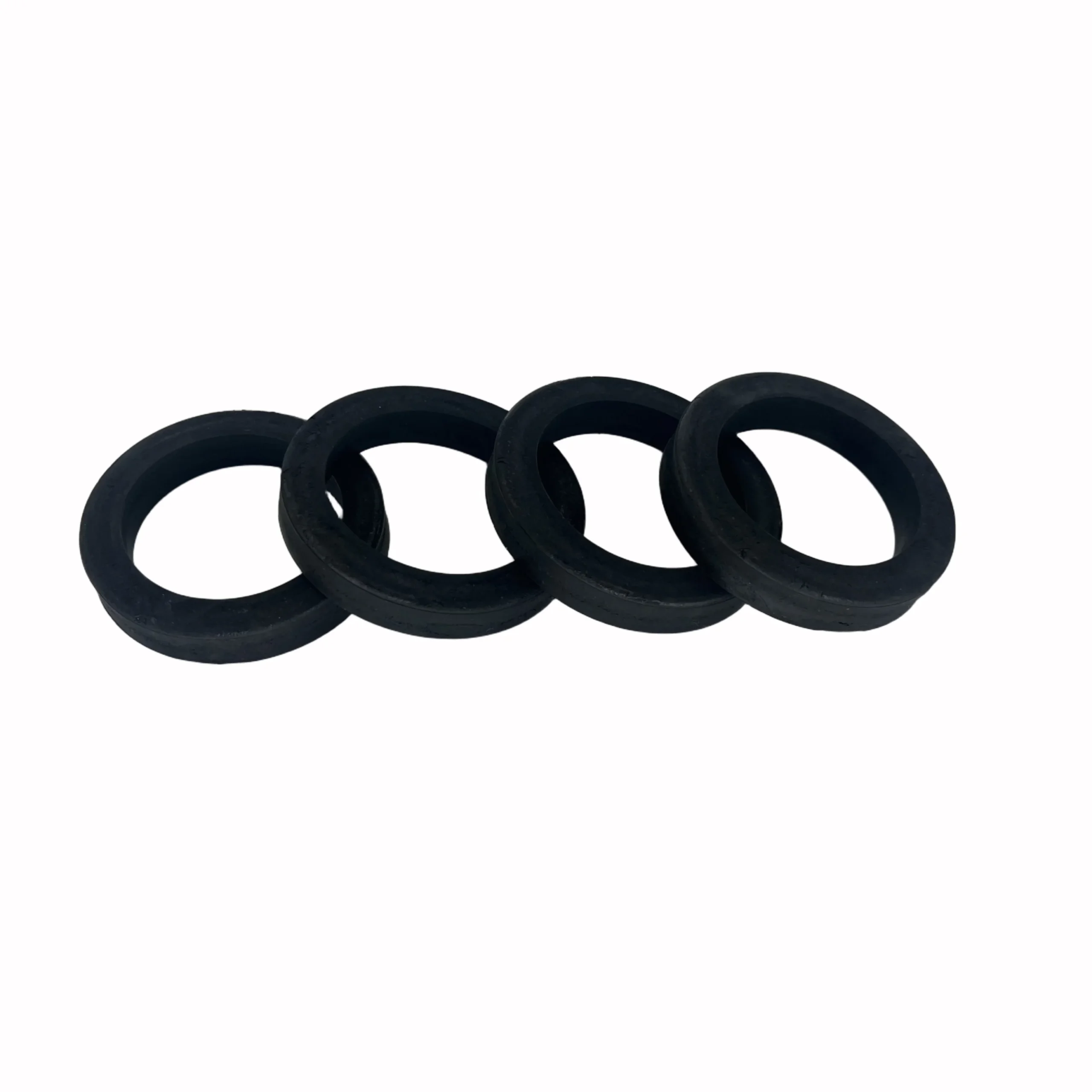
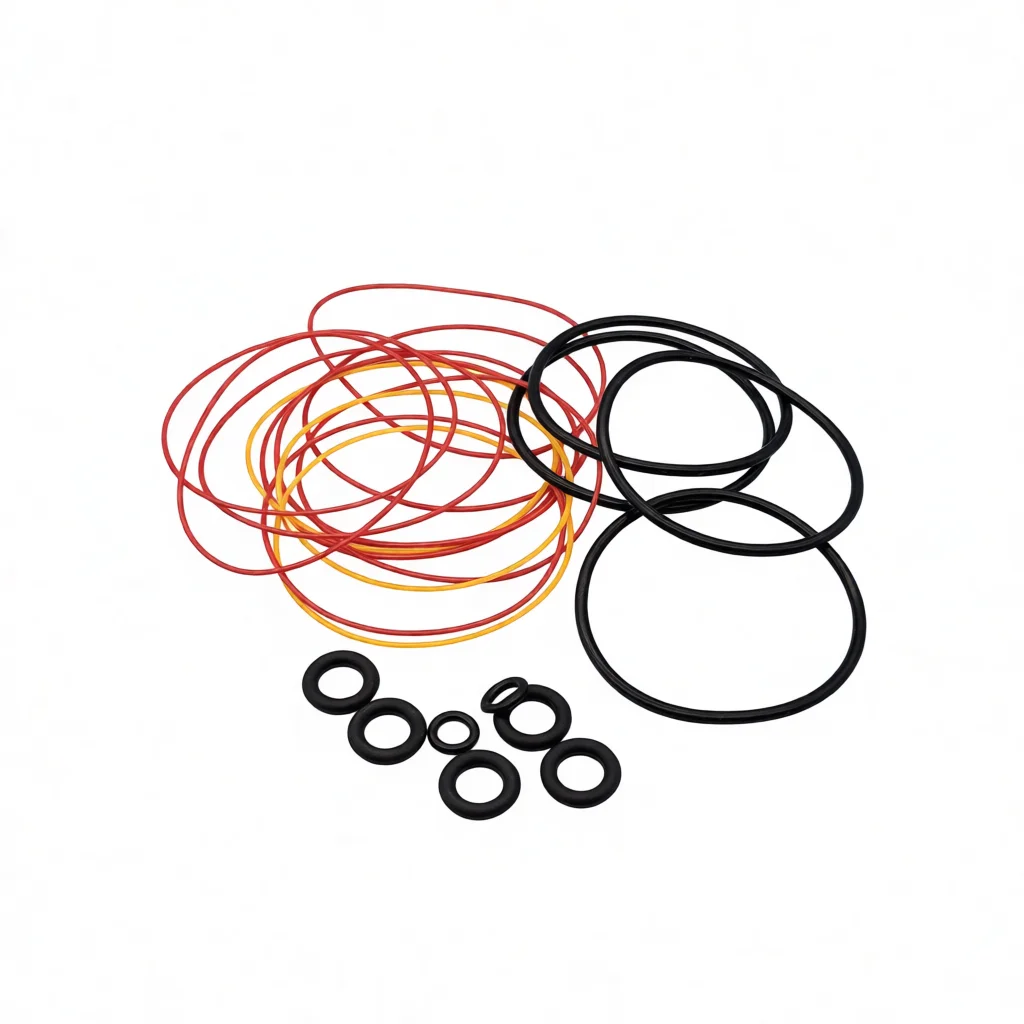
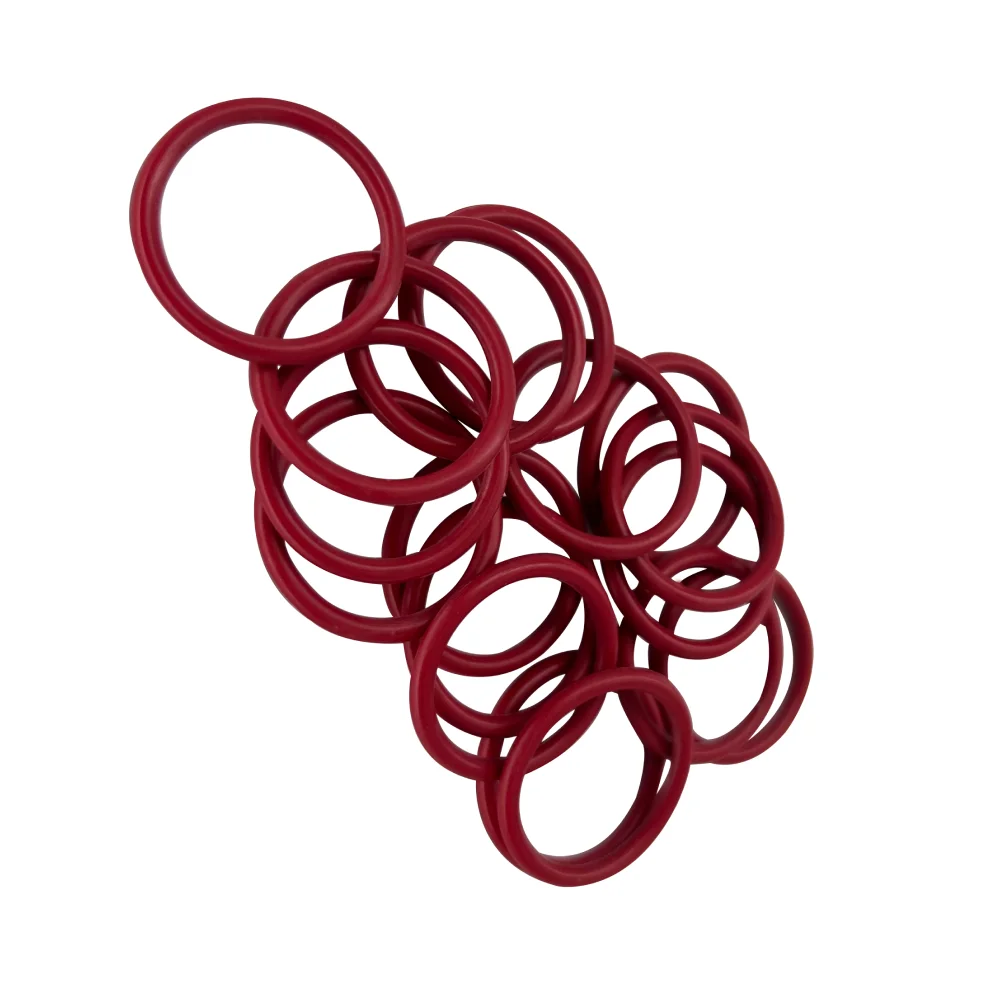
After spending a good chunk of my career knee-deep in industrial equipment, I've learned that not all sealing components are created equal. The NBR 90 O ring has quietly carved out a reputation for reliability, especially in harsh environments where resistance to oils and chemicals is a must.
Oddly enough, when I first encountered these O rings, I didn’t think much of the "90" grade designation. Turns out, that number refers to the hardness on the Shore A scale, representing a balance between flexibility and toughness. Too soft, and the ring might deform under pressure; too hard, and it risks cracking when stretched or compressed.
NBR (Nitrile Butadiene Rubber) itself is known for its exceptional resistance to petroleum-based oils, fuels, and lubricants, which is why these O rings have become a trusty choice in pumps, compressors, and automotive applications.
NBR 90 O Ring: Material Properties and Design Considerations
One thing many engineers underscore is that an NBR 90 O ring tolerates temperatures roughly between -30°C and +100°C — handy, but you do have to watch the upper limit if the application heats up unexpectedly. Also, NBR’s resistance to abrasion isn’t as strong as other materials like Viton, but it’s an economical option when oil resistance is the priority.
In real terms, the mechanical strength combined with the oil resistance means these O rings work well in hydraulic cylinders and pneumatic equipment, where sealing under pressure is critical but the environment isn’t overly corrosive.
| Specification | NBR 90 O Ring |
|---|---|
| Material | Nitrile Butadiene Rubber (NBR) |
| Hardness | 90 Shore A |
| Temperature Range | -30°C to +100°C |
| Resistance | Oils, fuels, lubricants |
| Typical Applications | Hydraulic systems, automotive seals, pumps |
| Compression Set | Moderate; depends on application pressure |
Comparing Vendors: What to Look for When Buying NBR 90 O Rings
In practice, not all suppliers offer the same quality or product consistency. I've noticed that some vendors cut corners on the rubber mix, which can lead to premature failure — no good when you're running a plant and downtime costs rack up quickly.
| Vendor | Material Purity | Custom Sizes | Lead Time | Price per Unit |
|---|---|---|---|---|
| SunliteTek | High-grade NBR | Yes | 2-3 days | $$ |
| Vendor B | Standard NBR | Limited | 1 week | $ |
| Vendor C | Imported NBR | Yes | 4-5 days | $$$ |
SunliteTek, for example, stands out because they blend consistent quality with flexible customization options. I’ve personally seen their O rings perform well in a couple of assembly lines I visited — no leaks, no fuss. And when you're juggling multiple machines, that peace of mind is priceless.
Customization is key. Industry requirements vary so much that a "standard" ring is often just the starting point. I’ve had folks mention needing slightly thicker or tougher rings based on oil viscosity and pressure spikes. This is exactly when a vendor willing to tailor specs really pays off.
In closing, if you’re weighing your choices, consider durability over initial cost. An NBR 90 O ring from a reliable source might cost a bit more but will save you trouble down the line — and isn’t that what really counts?
For more on quality sealing solutions and to explore their offerings, check out SunliteTek. Honestly, they’re the ones that have kept me coming back.
References & Final Thoughts
- Personal field experience in pump and compressor maintenance (2008-2023).
- Material datasheets and industry technical notes on NBR O rings.
- Vendor quality audits and customer feedback reports.
— Just a seasoned guy with a soft spot for O rings and a good seal.
Why NBR 90 O Rings Remain a Staple in Industrial Sealin […]