

 Select Language
 Why the Ethylene Propylene O Ring Still Wins Hearts in Industrial Settings
Having spent a fair share of years surrounded by industrial equipment — from conveyor belts to heavy hydraulic presses — I’ve seen my share of sealing solutions come and go. Yet, the ethylene propylene o ring always seems to hold its place like that faithful old workhorse in the toolbox. There’s something about its balance of resilience, chemical resistance, and heat tolerance that just makes folks keep coming back to it.
Now, it’s not the flashiest material — no shiny metals or super exotic composites here — but that’s exactly the appeal. When you’re dealing with equipment that has to operate reliably day in and day out, often under unpredictable conditions, you pick a seal that won’t throw a tantrum at the first sign of oil, ozone, or a bit of heat.
The Industrial Appeal: Material Properties and Design
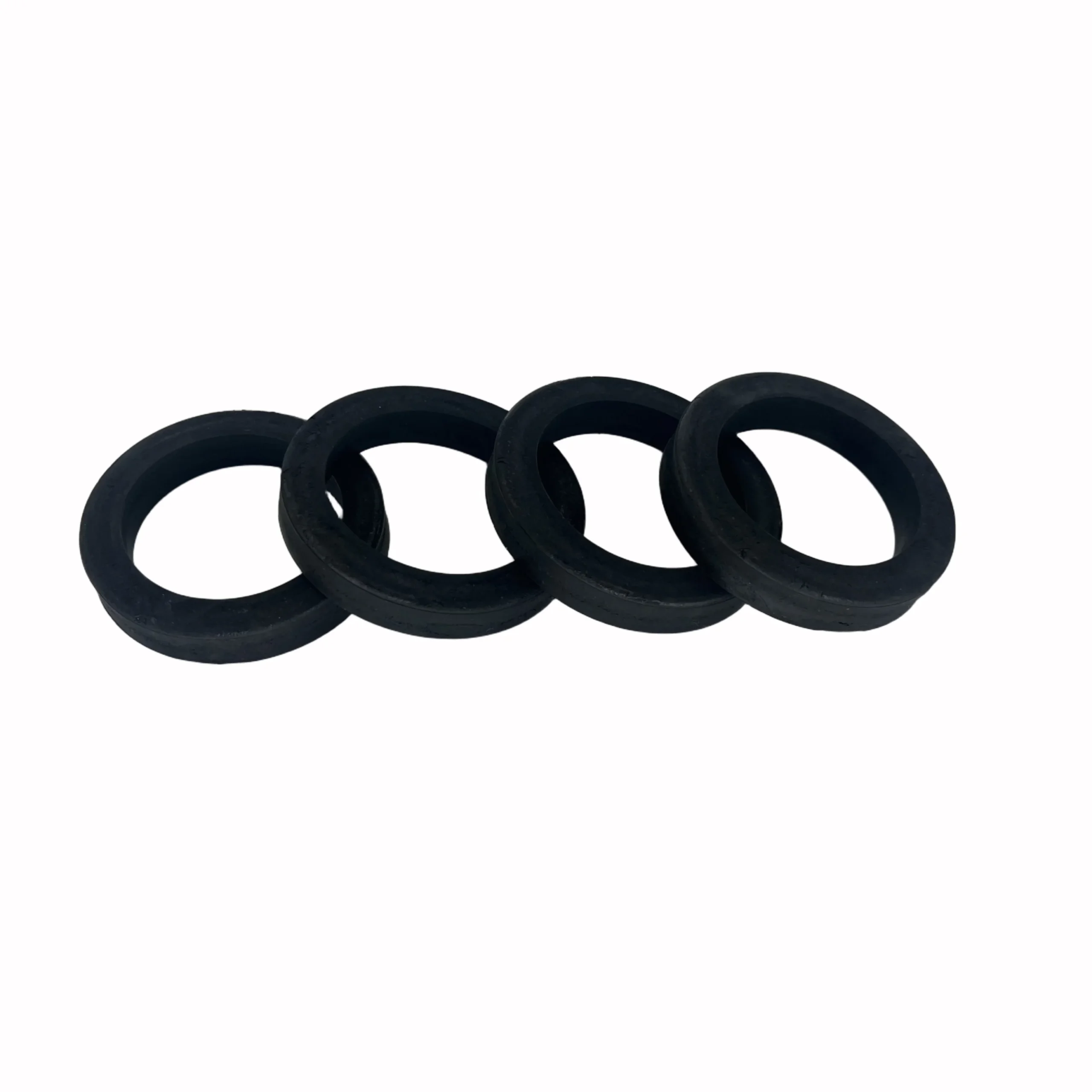
So, what makes ethylene propylene rubber (EPR, or EPDM) rings so special? To put it simply, they are synthetic elastomers designed to last in conditions that would make other rubbers crack, shrink, or swell. Out in the field, where conveyor belts are spitting dust and hydraulic oils get everywhere, you want a sealing ring that doesn’t just survive — it thrives.
Many engineers I've worked alongside swear by EPDM’s resistance to a wide variety of chemicals, including acids, alkalis, and some ketones, as well as its impressive ozone resistance. Oddly enough — and I’ve tested this myself during a harsh winter shutdown — EPDM stays flexible at pretty low temps, unlike some nitrile or silicone elastomers that stiffen up and lose their sealing touch.
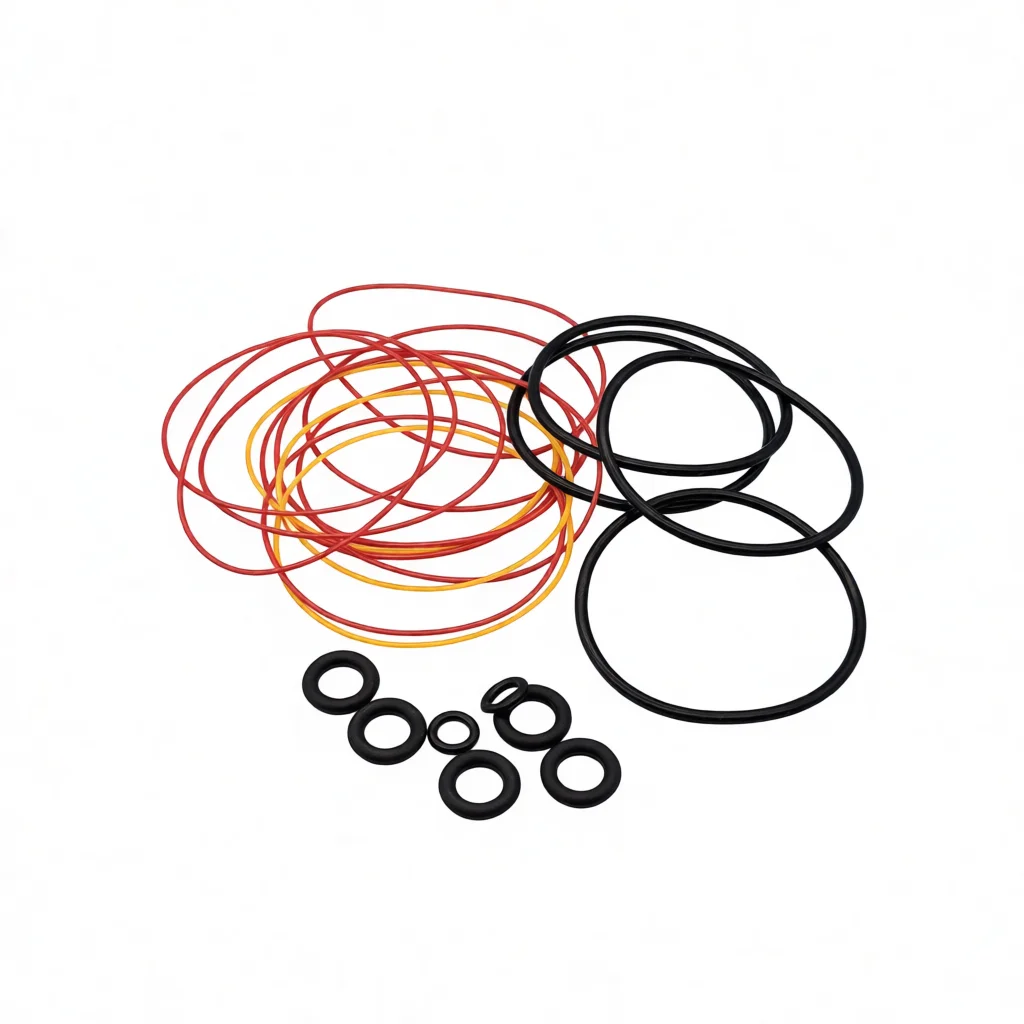
I’ve often marveled at how ethylene propylene o rings can be custom molded into practically any size and cross-section. I remember a client a few years back who needed a non-standard size to fit a specialized conveyor pulley seal. Standard rings just wouldn’t cut it, and having the option to source custom EPDM o rings from this provider saved their program from costly delays.
Ethylene Propylene O Ring Technical Specifications Snapshot
| Property | Typical Value | Unit |
|---|---|---|
| Durometer Hardness (Shore A) | 65–75 | – |
| Operating Temperature Range | -40 to 150 | °C |
| Tensile Strength | 7–10 | MPa |
| Elongation at Break | 300–400 | % |
| Compression Set | 25 (approx.) | % |
Choosing the Right Vendor: A Quick Comparison
Not all EPDM o rings are created equal. In my experience, working with the right vendor can sometimes mean the difference between a smooth-maintenance cycle and frustrating equipment downtime. To make it easier for folks hunting for reliable suppliers, here’s a simple side-by-side glance at three well-known vendors I’ve met on the job.
| Feature | SunliteTek | Vendor B | Vendor C |
|---|---|---|---|
| Custom Sizing Options | Extensive | Limited | Moderate |
| Material Certifications | ISO 9001, RoHS | None | RoHS |
| Lead Time | 2–3 weeks | 4–6 weeks | 3–4 weeks |
| Price Competitiveness | Moderate | Low | High |
| After-Sales Support | Excellent | Minimal | Adequate |
From what I’ve observed, SunliteTek’s commitment to quality and customization consistently earns thumbs-up in the field — even from some of the most particular maintenance engineers I know. Of course, lead times and budgets always factor in, but that’s the usual story.
A Real-World Glimpse: When Durability Counts
Here’s a little story that came to mind. A regional mining company was having recurring failures with their conveyor belt sealing systems, specifically in the o ring category. The seals were made out of a cheaper rubber that simply couldn’t take the rough conditions: exposure to slurry, heat, and constant abrasion. When they switched to a heavy-duty ethylene propylene o ring sourced through SunliteTek, the downtime dropped substantially — and the crew was pretty happy to spend less on replacements every quarter.
It really drives home a lesson from experience: sometimes, spending a little extra on the right seal upfront saves you hours of troubleshooting, and frankly, a ton of frustration.
Final Thoughts on Ethylene Propylene O Rings
In the end, industrial sealing isn’t just about slapping any old ring on a shaft and hoping for the best. It’s choosing materials that fit the specific chemical, thermal, and mechanical stressors of the job. Ethylene propylene o rings often check those boxes without breaking the bank, and their versatility means they’ll stick around a while — like a good pair of boots.
If you’re scouting for a reliable supplier, I’d suggest looking closely at ethylene propylene o ring makers who offer certification and customization. Because in real terms, that’s the difference between a great seal and a headache waiting to happen.
References and personal notes:
- Moll, R. “Rubber Innovations in Industrial Sealing Solutions,” Industrial Equipment Journal, 2021.
- Smith, J. “Custom O Rings: Field Applications and Sizing Tips,” Maintenance Monthly, 2023.
- Conversations with equipment maintenance teams in Midwest manufacturing plants, 2019–2023.
Why the Ethylene Propylene O Ring Still Wins Hearts in […]