Select Language
 Understanding Basin Plug Rubber Seal: The Unsung Hero of Efficient Drainage
If you've ever dealt with clogged basins or tricky plumbing repairs, you might not realize just how important a small component called the basin plug rubber seal really is. Globally, as millions rely on clean water and efficient drainage systems daily, these little seals quietly play a crucial role in preventing leaks and blockages. From urban high-rise buildings to rural water systems, understanding basin plug rubber seals helps engineers, plumbers, and building managers ensure safety and sustainability.
The Global Context: Why Basin Plug Rubber Seals Matter
According to the United Nations, nearly 2.2 billion people lack safely managed drinking water services worldwide, underscoring the ever-growing demand on plumbing infrastructures. Industrialization and urbanization push drainage and plumbing systems to their limits, amplifying the need for reliable sealing solutions.
A basin plug rubber seal addresses a rather simple yet significant challenge: creating a watertight barrier that prevents unpleasant leaks and contamination in drainage basins. Without effective sealing, there’s a higher risk of water wastage, infrastructure damage, and even health hazards.
Mini takeaway: Small components like basin plug rubber seals have a surprisingly large impact on global water efficiency and infrastructure reliability.
What Exactly Is a Basin Plug Rubber Seal?
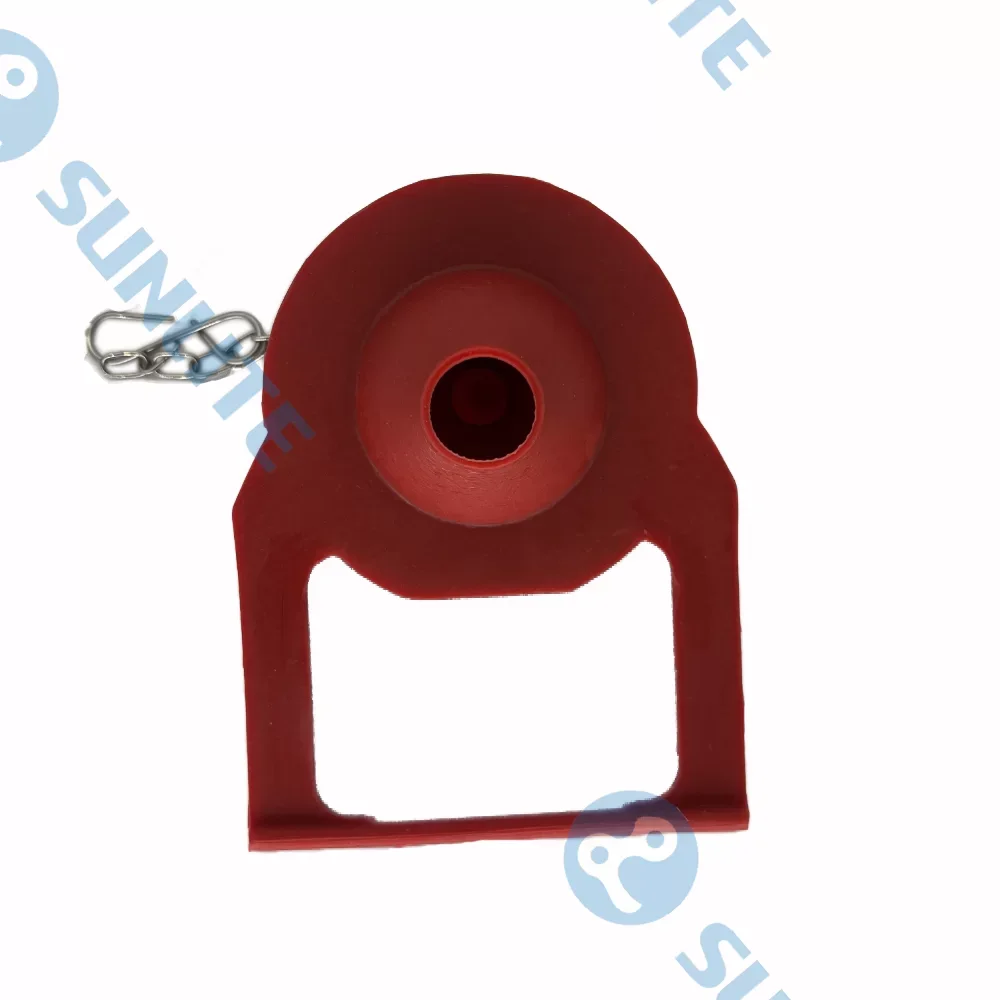
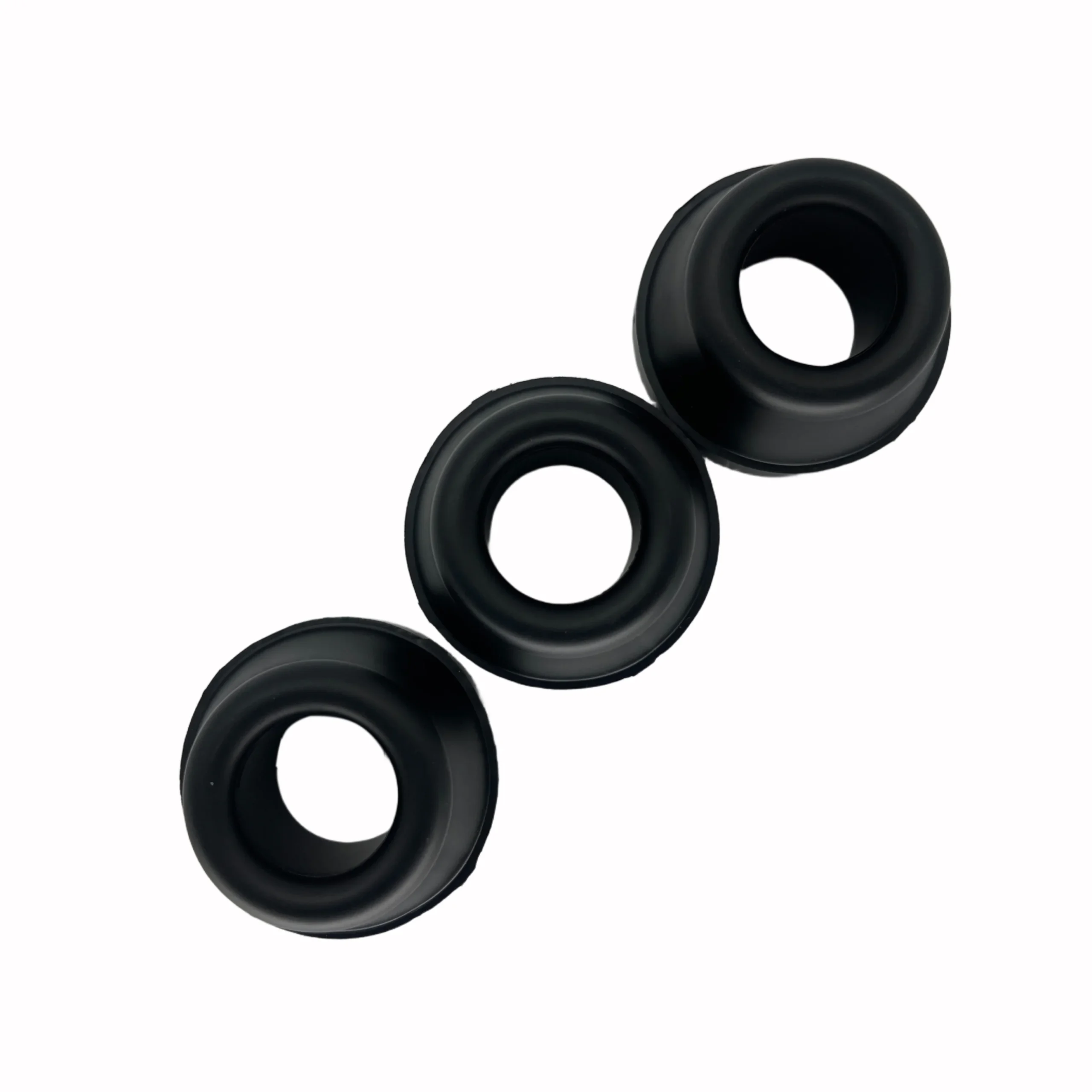
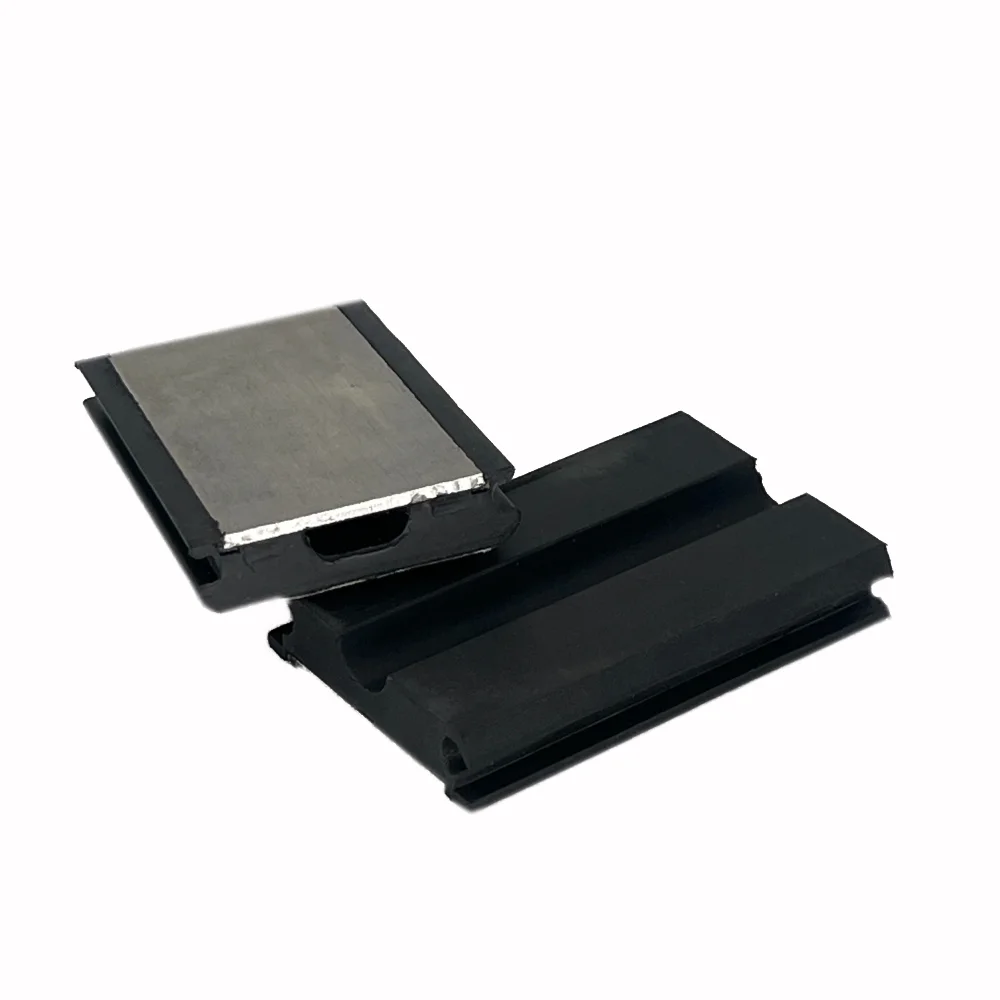
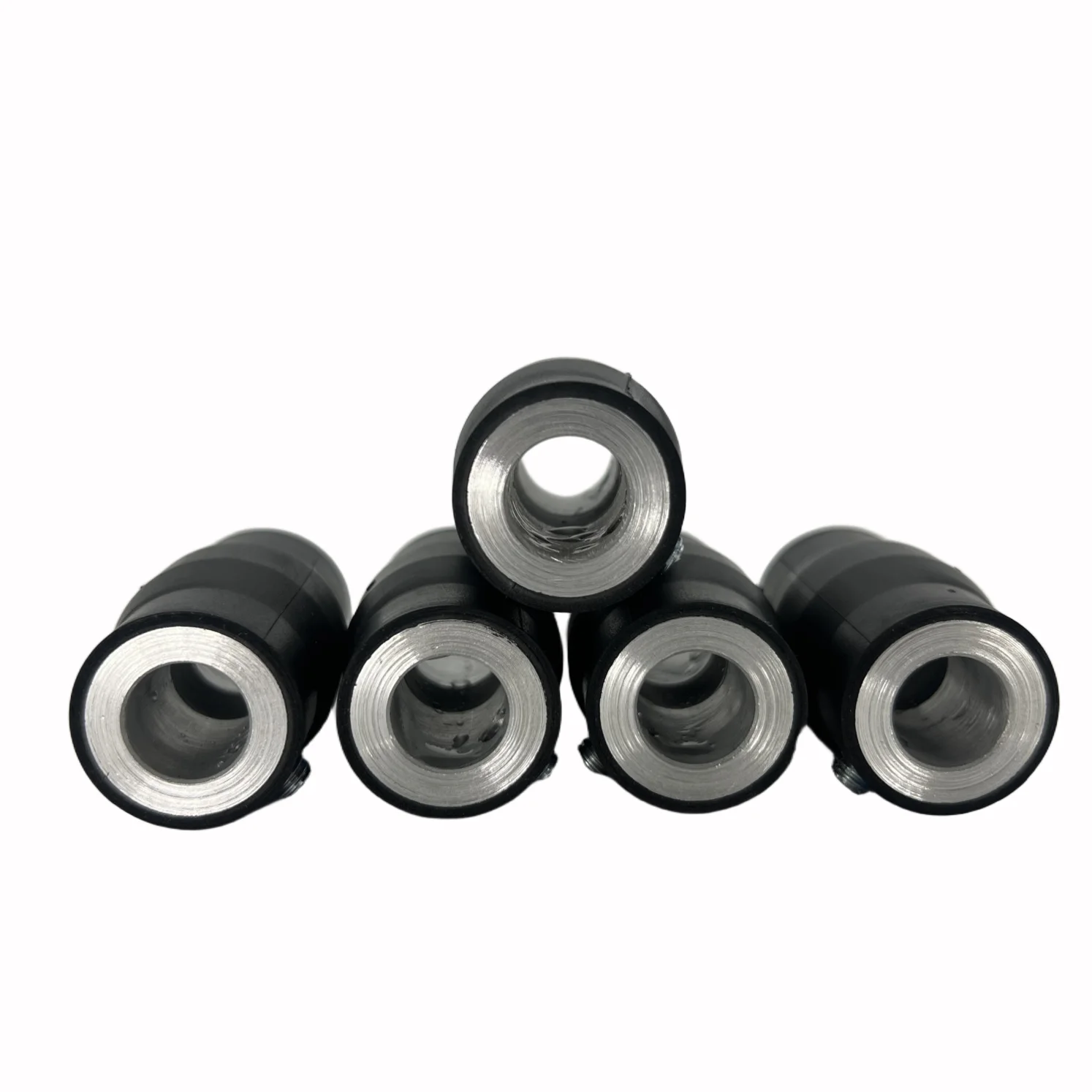
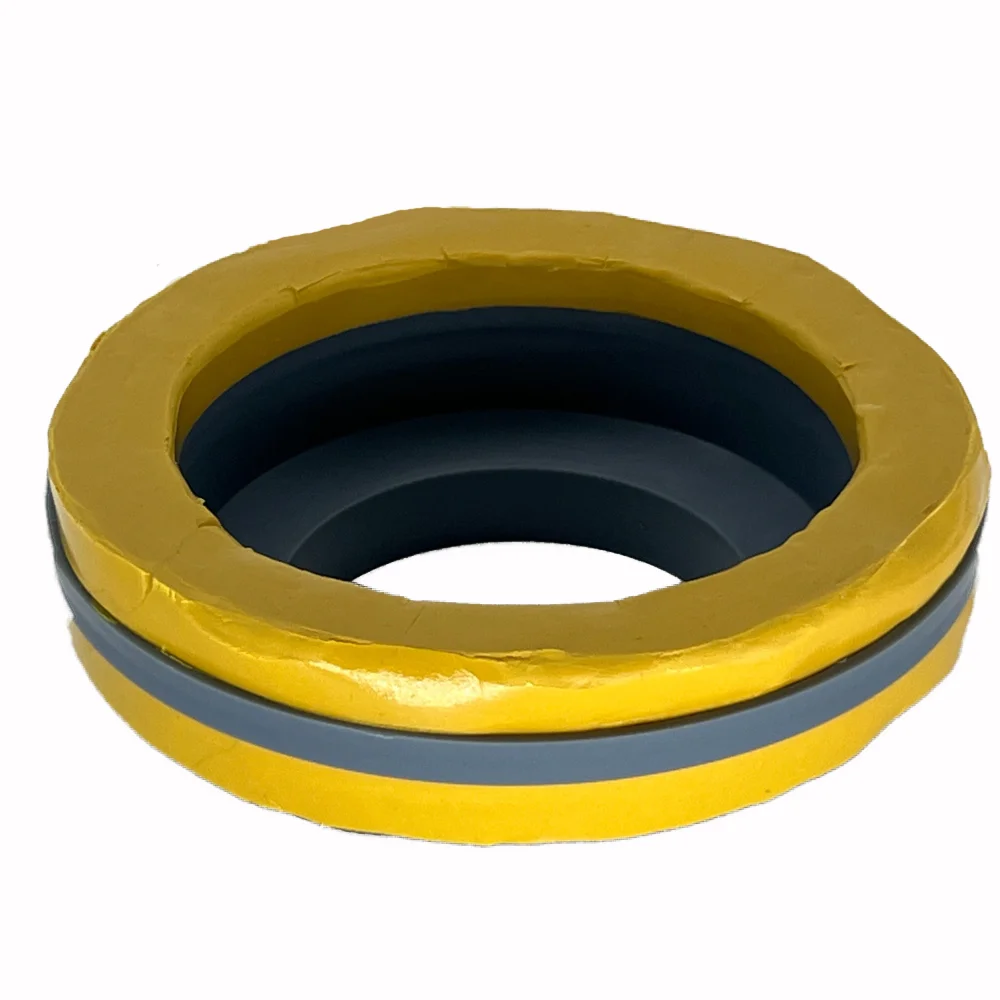
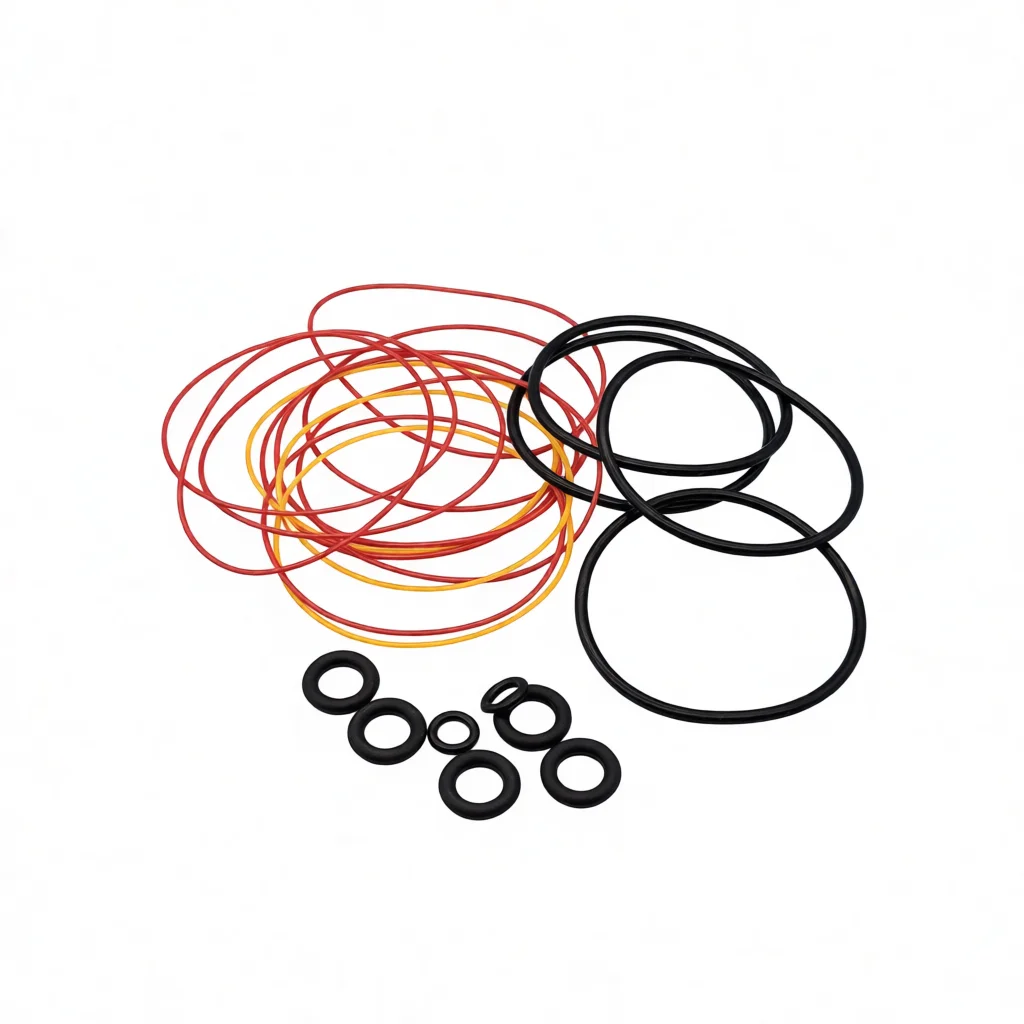
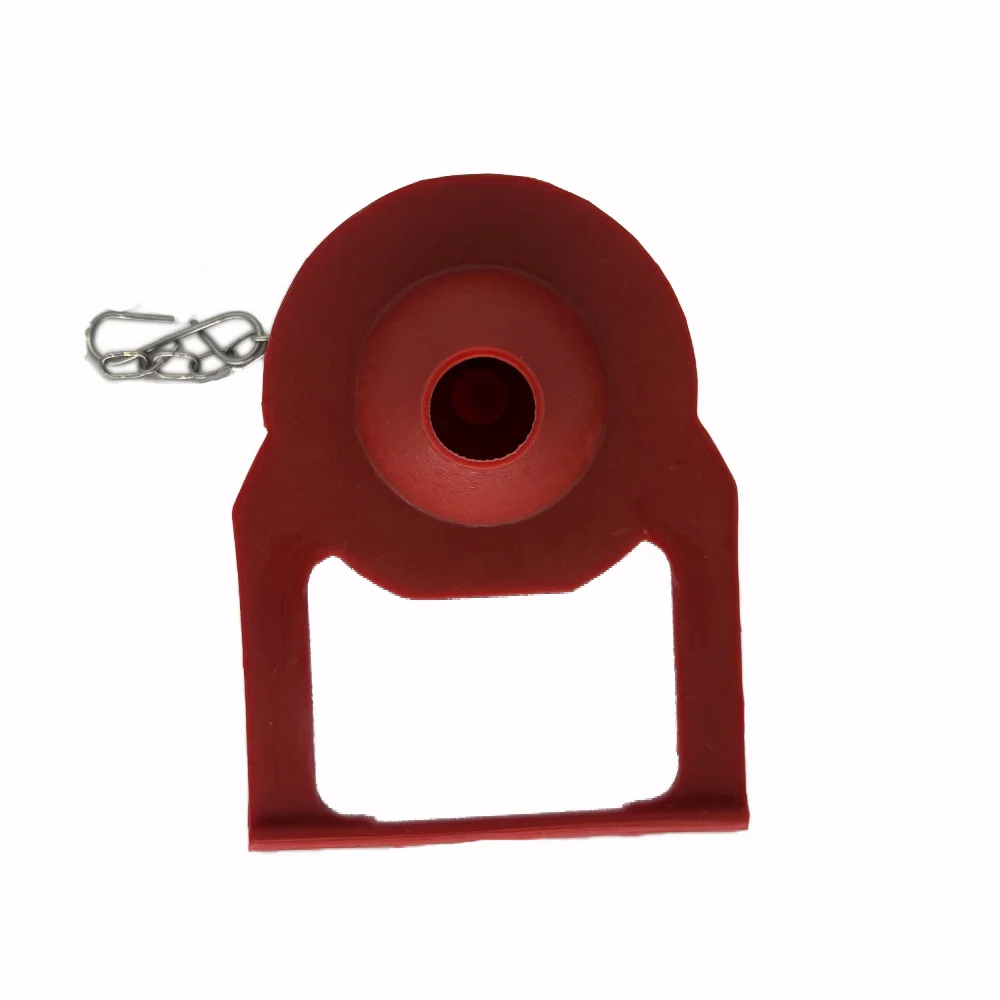
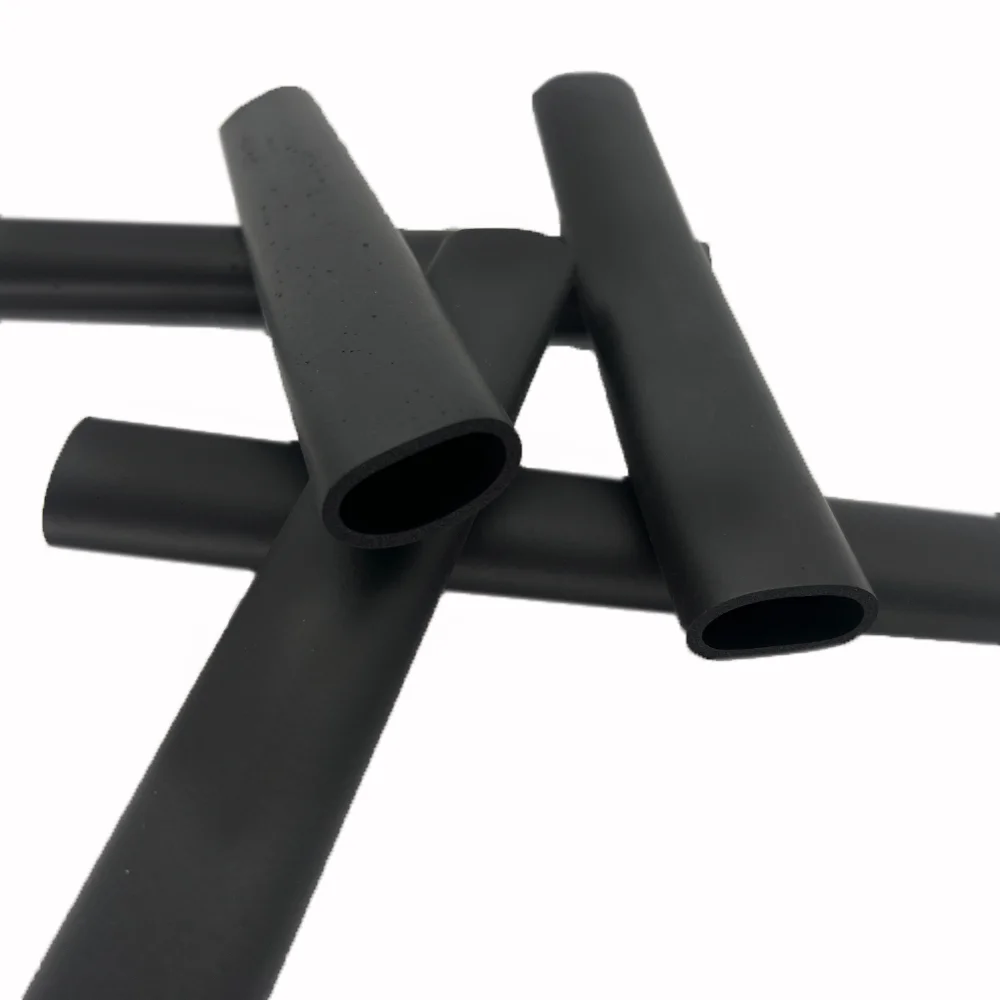
Think of the basin plug rubber seal as a flexible gasket that fits snugly into a basin plug or drain opening, creating a reliable waterproof seal between the plug and basin surface.
Its primary function is simple — stop water or wastewater from escaping around the plug. But it’s not just about stopping leaks; it also prevents dirt, odors, and insects from passing through, which is critical for hygiene, especially in commercial kitchens, healthcare facilities, and public restrooms.
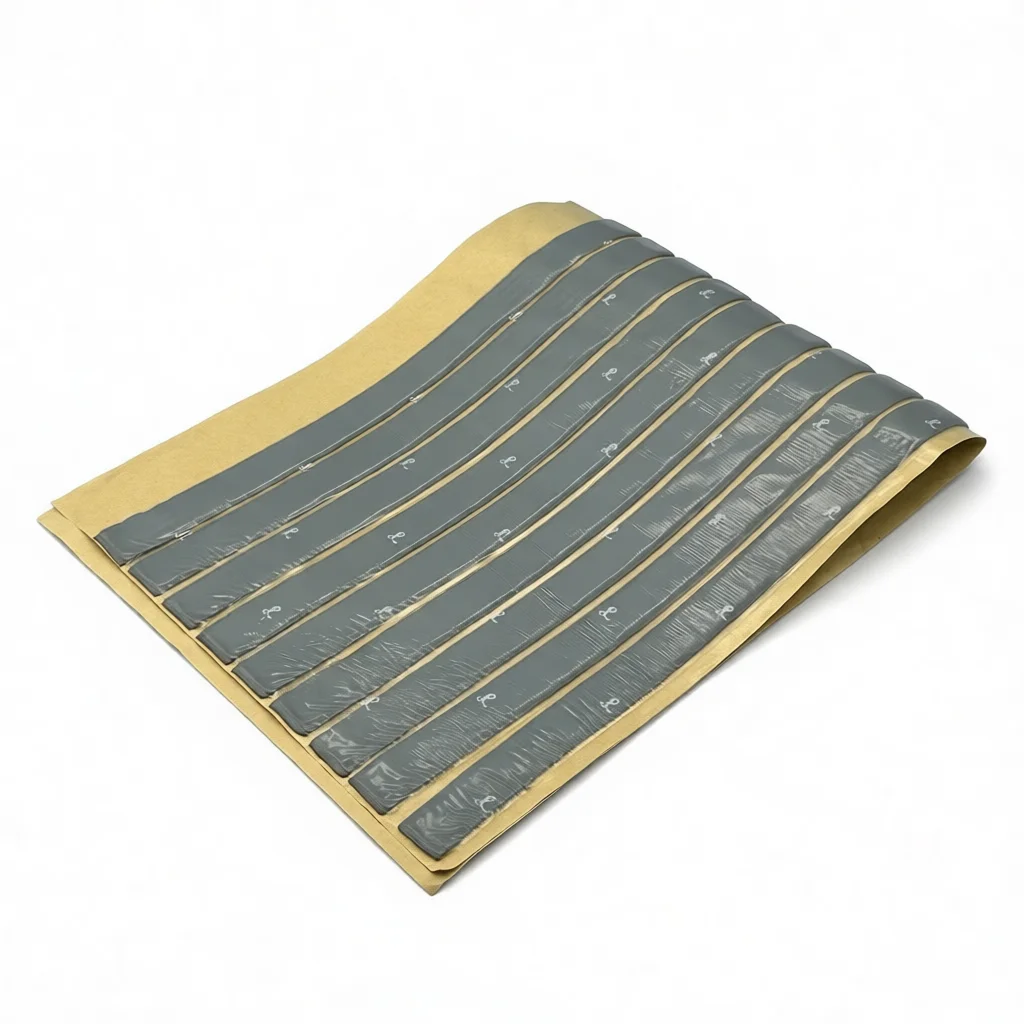
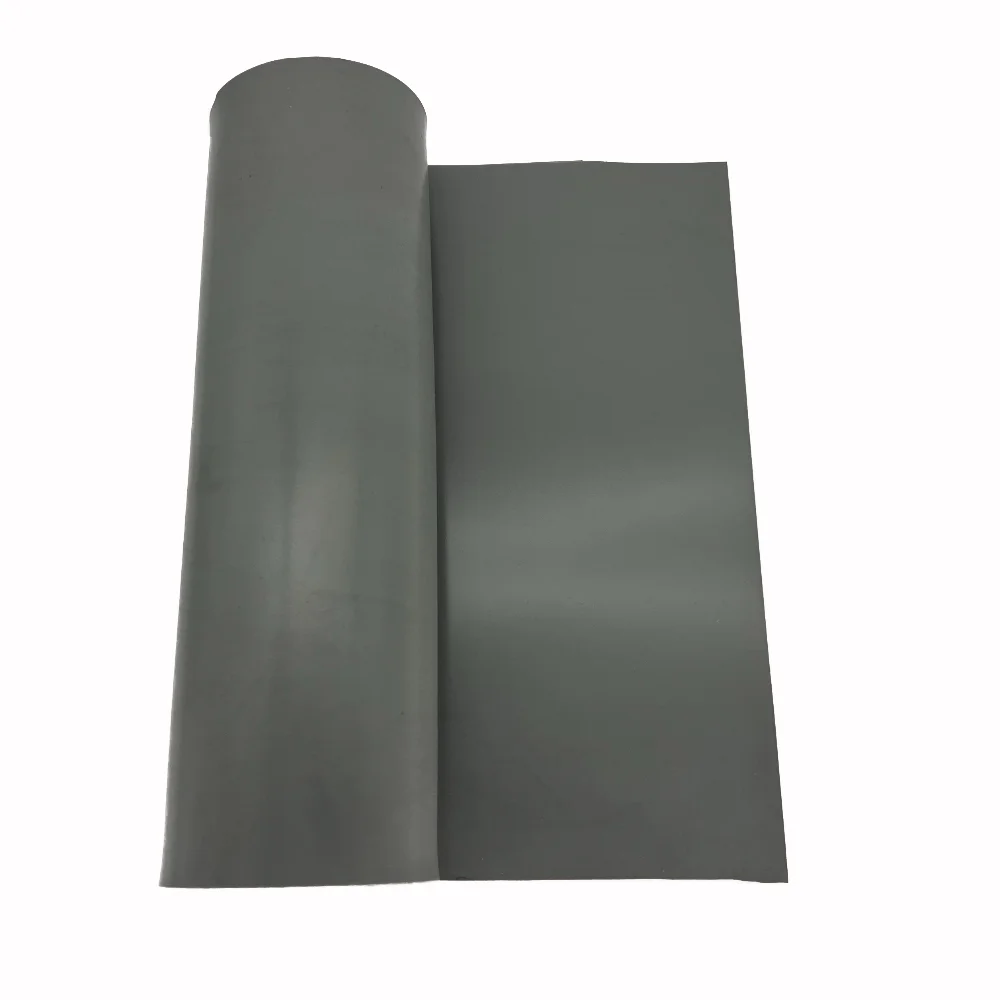
Modern basin plug rubber seals are often made from high-quality synthetic rubber compounds, tailored for durability and resistance to chemicals, temperature changes, and wear.
Mini takeaway: At its core, this seal is a humble but essential part of water management and sanitation systems worldwide.
Key Features of Basin Plug Rubber Seal
1. Durability and Chemical Resistance
One reason why basin plug rubber seals have remained popular is their ability to withstand harsh environmental factors. Many rubber seals are resistant to common drain chemicals, oils, and temperature fluctuations — something many engineers look for.
2. Flexibility and Custom Fit
Because basins and plugs vary widely in size and design, the rubber seal’s flexibility allows it to compress and fill tiny gaps perfectly. Manufacturers often customize thickness and diameter, so it’s not a one-size-fits-all deal.
3. Ease of Installation and Replacement
Installing a basin plug rubber seal is pretty straightforward, which is great for on-site plumbing fixes. When they wear out, replacement seals are usually cheap and available off the shelf — a win for maintenance crews.
4. Cost Efficiency
Compared to mechanical seals or other complex solutions, rubber seals are budget-friendly, providing long-term cost savings by reducing leaks and water damage risks.
5. Environmental Impact
Depending on the rubber compound, some seals are recyclable or made from eco-friendly materials — a growing trend as industries push toward sustainability.
| Feature | Description | Typical Value |
|---|---|---|
| Material | Nitrile Rubber (NBR) or EPDM | NBR 70 Shore A |
| Temperature Range | Withstands hot and cold water | -40°C to 120°C (-40°F to 248°F) |
| Diameter Range | Fits common basin plug sizes | 20 mm - 60 mm |
| Hardness (Shore A) | Measures firmness | 65–75 Shore A |
| Chemical Resistance | Resists common drain cleaners and oils | Excellent |
Global Applications and Industry Use Cases
Basin plug rubber seals pop up everywhere from fancy hotels in Dubai to remote clinics in sub-Saharan Africa, and oddly enough, even in outdoor portable wash stations used in disaster zones.
In post-disaster relief, when clean water access is fragile, dependable seals ensure contaminated water doesn’t leak into clean basins, protecting human health. Meanwhile, industrial zones in Southeast Asia and Europe rely on these seals to maintain strict hygiene standards while minimizing maintenance downtime.
From residential households in North America to large-scale commercial kitchens globally, the straightforwardness and reliability of these rubber seals make them invaluable.
Mini takeaway: A simple component crosses continents and industries, proving that often, reliability depends on details you don’t always see.
Advantages & Long-Term Value of Using Quality Basin Plug Rubber Seals
- Cost-effectiveness: Saves money by preventing leaks and costly water damage repairs.
- Sustainability: Durable seals reduce waste — replacing them less frequently helps the environment.
- Safety and hygiene: Prevents contamination and ingress of pollutants, odors, and pests.
- Trust & reliability: Users and building managers gain confidence in system integrity.
One plumbing manager I spoke to recently remarked, "Investing in good seals isn’t glamorous, but it saves us headaches and keeps tenants happy." It’s often overlooked, but quality seals hold a system together.
What’s Next? Trends & Innovations in Basin Plug Seals
There is growing interest in bio-based and recyclable rubber materials to reduce environmental footprints. Some manufacturers now incorporate antimicrobial agents into the rubber to limit bacteria growth.
Digitally, sensors embedded near seals help remotely monitor leak risks or wear — an exciting leap for maintenance teams relying on digital transformation for predictive maintenance.
Challenges & How Experts Overcome Them
A common limitation is seal degradation due to exposure to extreme chemicals or UV light, especially outdoors. Another issue is imperfect sizing causing leaks, so precision manufacturing remains key.
Some companies have adopted rigorous testing standards — including ISO certifications for materials — to ensure consistent product quality. Others offer customized seal kits tailored for clients’ basin and plug geometries, reducing installation errors.
| Vendor | Material Options | Customization | Typical Lead Time | Price Range (USD) |
|---|---|---|---|---|
| SunliteTek | NBR, EPDM, Silicone | Custom diameters and thickness | 1–2 weeks | $0.80 – $2.50 per seal |
| SealPro Inc. | EPDM, Neoprene | Standard sizes only | 3–4 weeks | $1.00 – $3.00 |
| EcoSeal Co. | Recycled & Bio-rubber | Limited customization | 2–3 weeks | $1.20 – $2.80 |
FAQ: Common Questions About Basin Plug Rubber Seal
- How long does a basin plug rubber seal typically last?
- With normal usage and proper maintenance, these seals generally last 3 to 5 years before signs of wear or hardening appear, though this depends on environmental exposure and chemical contact.
- Can I install a basin plug rubber seal myself?
- Absolutely—installation is usually straightforward. Just ensure you select the right size and clean the sealing surfaces for best results.
- Are all rubber seals environmentally friendly?
- Not all, but there is a growing trend towards eco-friendly and recyclable materials. Check vendor specs if sustainability is a priority.
- What happens if the basin plug seal fails?
- Leaks can cause water damage, odors, and attract pests, which is why timely inspection and replacement are important to avoid bigger repairs.
- Where can I find high-quality basin plug rubber seals?
- Reputable manufacturers like SunliteTek offer a range of seals with customization options to suit many applications.
Wrapping Up: Why Basin Plug Rubber Seals Are Worth Your Attention
It’s funny how such a simple item can be so essential to everyday infrastructure. Long-term, a good basin plug rubber seal reduces maintenance headaches, saves water, and supports hygiene standards crucial to homes and industries alike.
Next time you think of plumbing or drainage, keep in mind the small seals doing a big job. They’re kind of like the quiet backstage crew that makes the show run smoothly.
Want to learn more or shop for the best basin plug rubber seal options? Visit our website to explore product details, certifications, and customization services tailored for your needs.
References & Further Reading

Understanding Basin Plug Rubber Seal: The Unsung Hero o […]