Select Language
 Understanding Fluoroelastomer O Rings: Why They Matter Worldwide
At first glance, an o ring might seem like a tiny, overlooked component — a simple rubber ring sealing two joined surfaces. But here’s the thing with fluoroelastomer o rings: they blend cutting-edge chemical resilience with practical engineering in ways that impact industries globally. From aerospace to pharmaceuticals, these seals form the silent guardians against leaks, contamination, and system failures. That global relevance is no exaggeration — the World Bank notes that reliable engineering components are vital for safe infrastructure and energy projects worldwide, especially as systems become more complex and exposed to extreme conditions.
Getting a solid grip on fluoroelastomer o rings opens doors to smarter design choices and longer-lasting equipment. This knowledge helps manufacturers, engineers, and even humanitarian organizations ensure that machinery and supply chains remain safe, efficient, and environmentally responsible.
Introduction: The Global Context of Fluoroelastomer O Rings
We live in a highly interconnected industrial age. According to the International Organization for Standardization (ISO), materials that resist harsh chemicals and temperatures while maintaining flexibility enable everything from clean energy tech to life-saving medical devices. Fluoroelastomer o rings are a prime example: they withstand extreme heat and corrosive chemicals, maintaining seals where ordinary rubber would fail.
Globally, this addresses a thorny issue — equipment downtime and safety hazards caused by seal failure. In critical sectors like oil & gas, aerospace, and pharmaceuticals, malfunctioning seals can mean catastrophic failures. So, it’s no surprise that demand for reliable fluoroelastomer o rings is growing, especially in emerging markets with expanding industrial infrastructure.
What Is a Fluoroelastomer O Ring?
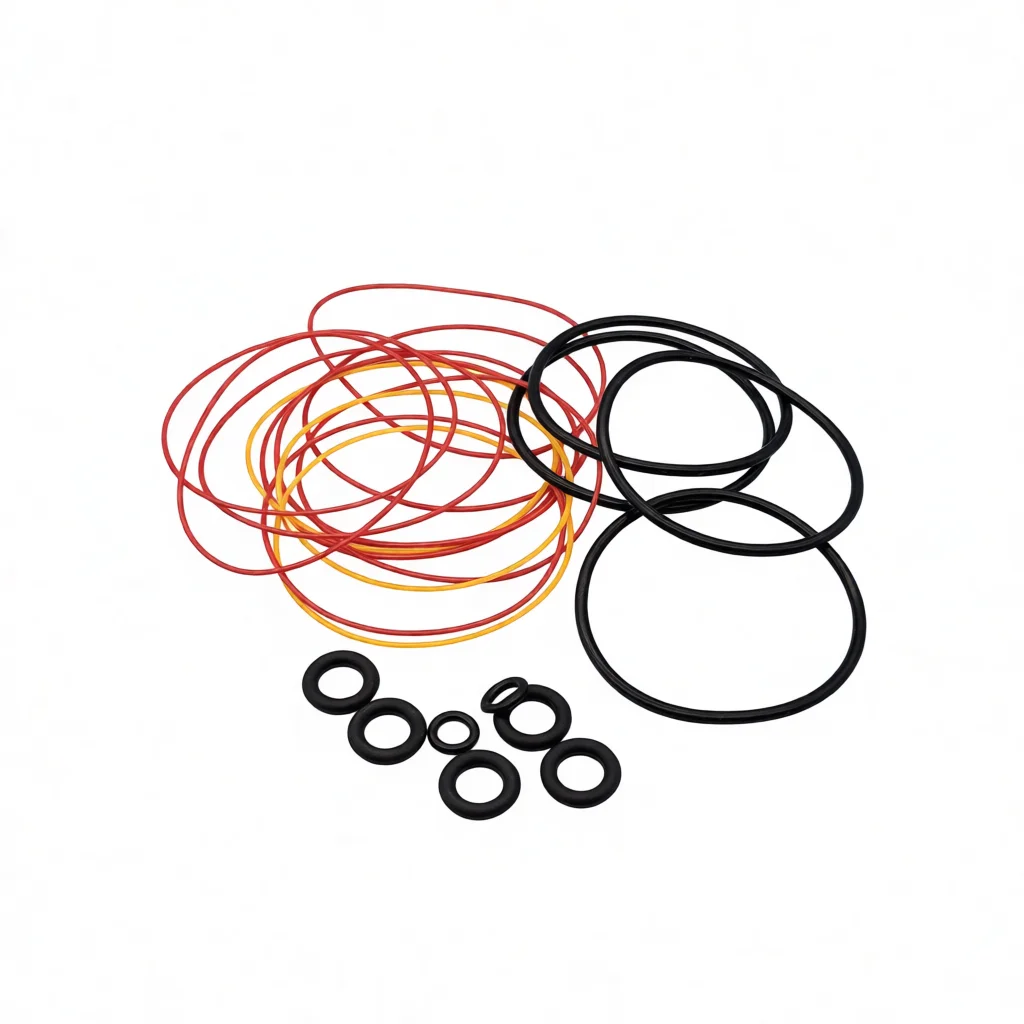
Basically, fluoroelastomer o rings are doughnut-shaped seals made from synthetic rubber polymers rich in fluorine atoms. This unique chemistry offers exceptional resistance to heat, chemicals, oils, and weathering. Unlike regular elastomers, fluoroelastomers keep their shape and performance even in environments up to around 200-250°C (392-482°F).
They’re a go-to for making sure fluids and gases don’t escape pumps, valves, and cylinders. You can imagine their role not just in heavy industry but in humanitarian aid equipment — for example, reliable fluid seals in water purification units used in disaster zones. That intersection of durability and versatility is pretty remarkable.
Core Components & Key Factors of Fluoroelastomer O Rings
1. Durability
The standout feature of these o rings is their long-lasting nature under harsh conditions. They resist degradation from acids, fuels, and even radiation. This durability minimizes wear and system downtime — critical in remote or sensitive installations.
2. Temperature Resistance
Unlike standard rubbers, fluoroelastomer o rings function reliably in both sweltering heat and subzero chills, making them indispensable in industries like aerospace and automotive where temperature swings are routine.
3. Chemical Compatibility
They’re engineered to resist a wide range of aggressive chemicals — oils, solvents, and fuels included. Oddly enough, this makes them a frequent choice in pharmaceutical manufacturing plants where contamination must be avoided at all costs.
4. Mechanical Flexibility
While rigid enough to maintain a tight seal, these o rings are flexible enough to absorb shocks and vibrations, preventing cracks and leaks.
5. Cost Efficiency
Sure, fluoroelastomer o rings are pricier than standard rubber seals, but their longevity and reliability typically offset upfront costs by reducing maintenance and replacement frequency.
Fluoroelastomer O Ring Specs Overview
| Property | Typical Value | Unit |
|---|---|---|
| Operating Temperature Range | -20 to 250 | °C |
| Hardness (Shore A) | 75-90 | A |
| Tensile Strength | 10-15 | MPa |
| Elongation at Break | 150-200 | % |
| Compression Set (22h @ 200°C) | <25 | % |
Mini takeaway: Understanding these core properties helps you pick the right fluoroelastomer o ring for your system’s unique demands — a little planning pays off in reliability.
Global Applications & Real-World Use Cases
In truth, fluoroelastomer o rings pop up everywhere you’d expect and some places you might not have guessed.
- Energy Sector: In oil rigs and natural gas plants, they seal equipment exposed to corrosive gases and fluctuating temperatures, especially offshore.
- Pharmaceutical Production: Used in sterile environments and machinery handling aggressive solvents — critical for maintaining contamination-free processes.
- Aerospace & Automotive: Protect fuel systems and hydraulic lines from leaks while sustaining extreme thermal cycles.
- Humanitarian & Disaster Aid: Equipment like portable water filters and medical devices depend on reliable sealing, sometimes in remote or resource-limited areas.
For example, after a typhoon in Southeast Asia, relief teams used portable water purification units featuring fluoroelastomer o ring seals to ensure safe drinking water despite harsh conditions — a small part, but a big difference.
Vendor Comparison: Top Fluoroelastomer O Ring Suppliers
| Vendor | Material Grades | Typical Lead Time | Specialties | Pricing |
|---|---|---|---|---|
| SunliteTek | FKM E60C, FKM E70 | 2-3 weeks | Custom molding, Pharma-grade | Mid-Range |
| SealWorks Inc. | FKM V75, FKM V90 | 4-6 weeks | High-temp aerospace seals | Higher |
| Global Seals Ltd. | FKM H40, FKM H50 | 1-2 weeks | Rapid prototyping | Lower |
Advantages & Long-Term Value of Fluoroelastomer O Rings
Buying these seals isn’t just about specs or immediate costs. The benefits reverberate over the lifetime of your equipment:
- Reduced Maintenance: Less downtime and fewer replacements, saving money and headaches.
- Environmental Sustainability: Longer-lasting seals mean less waste and fewer manufacturing resources consumed.
- Safety and Trust: Secure sealing supports safe operations, critical for worker safety and customer confidence.
- Innovation Enablement: Enables advanced system designs that demand chemically resistant and flexible seals.
Looking Ahead: Future Trends & Innovations
Frustratingly, despite their advantages, fluoroelastomer o rings still have some limitations — they can be less environmentally friendly to produce and more costly upfront. Yet, exciting research is underway.
Green chemistry approaches are improving synthesis methods for fluoropolymers, making them more sustainable. Also, additive manufacturing and 3D printing promise customized seals tailored precisely to complex geometries — quite cool, frankly.
Digital sensors embedded in sealing components for real-time leak detection? That’s sooner than you think. The industry moves quickly toward automation and intelligent systems, hinting at a future where seals proactively signal wear before failure.
Challenges & Practical Solutions
One sticking point is cost and lead times. Not every facility can absorb higher upfront prices or wait weeks for custom orders. To help, many suppliers including SunliteTek offer off-the-shelf options along with consulting to optimize seal design, effectively balancing performance and budget.
Installation errors can also reduce fluoroelastomer o ring effectiveness. Proper training and quality assurance protocols are recommended. It feels like a small detail but makes a big difference in real-world applications.
FAQ: Frequently Asked Questions About Fluoroelastomer O Rings
- Q: What temperature ranges can fluoroelastomer o rings handle?
A: Typical fluoroelastomer o rings operate reliably between -20°C and 250°C (about -4°F to 482°F), making them well-suited for extreme industrial environments. - Q: Are fluoroelastomer o rings compatible with all chemicals?
A: They resist a broad range of chemicals including oils, fuels, and solvents, but compatibility should always be verified against specific substances for critical applications. - Q: How do I choose the right fluoroelastomer grade?
A: Consider your system’s temperature, chemical exposure, pressure, and mechanical stresses. Suppliers can provide material datasheets and testing support to help you decide. - Q: Can these o rings be used in pharmaceutical or food processing?
A: Yes, special FDA-compliant grades exist for sanitary applications, with certifications ensuring no contamination risks. - Q: How do I maintain fluoroelastomer o rings for maximum lifespan?
A: Keep them clean, avoid stretching during installation, and inspect regularly for wear or deformation to catch potential failures early.
Conclusion: Why Fluoroelastomer O Rings Are a Smart Investment
So, what’s the bottom line? Investing in quality fluoroelastomer o rings means embracing reliability, safety, and environmental responsibility in your systems. Their unique chemistry and versatility power modern industry and humanitarian efforts alike — quietly, but indispensably.
If you want to dive deeper or find the right o ring for your needs, I recommend visiting SunliteTek, which offers extensive expertise and tailored sealing solutions.
To sum it up: a small ring, a big difference.
References

Understanding Fluoroelastomer O Rings: Why They Matter […]