Select Language
 Understanding Getah O Ring: A Small Component with Big Impact
At first glance, the getah o ring might not stir much excitement—it’s just a simple rubber ring, right? But oddly enough, this unassuming bit of engineering is everywhere, quietly making modern machinery, automotive, and even humanitarian aid function smoothly. Globally, understanding the role and advantages of getah o rings can unlock smarter decisions in manufacturing, maintenance, and even disaster relief logistics.
Introduction: A Global Asset in Industry and Beyond
The global market for o rings, including getah o rings—meaning rubber or elastomeric sealing rings—was valued at over $3 billion in 2023 (Statista). They are pivotal for sealing connections to prevent fluid or gas leakages under pressure. Think about industries from automotive to aerospace, and even the massive infrastructure programs that rely on precise sealing components to maintain safety and efficiency.
One challenge is that despite their critical role, quality and specification disparities persist worldwide, impacting reliability and safety. Thus, knowing exactly what a getah o ring offers and how to pick the right one matters a lot for engineers, procurement teams, and even NGOs deploying equipment in remote areas.
What Exactly is a Getah O Ring?
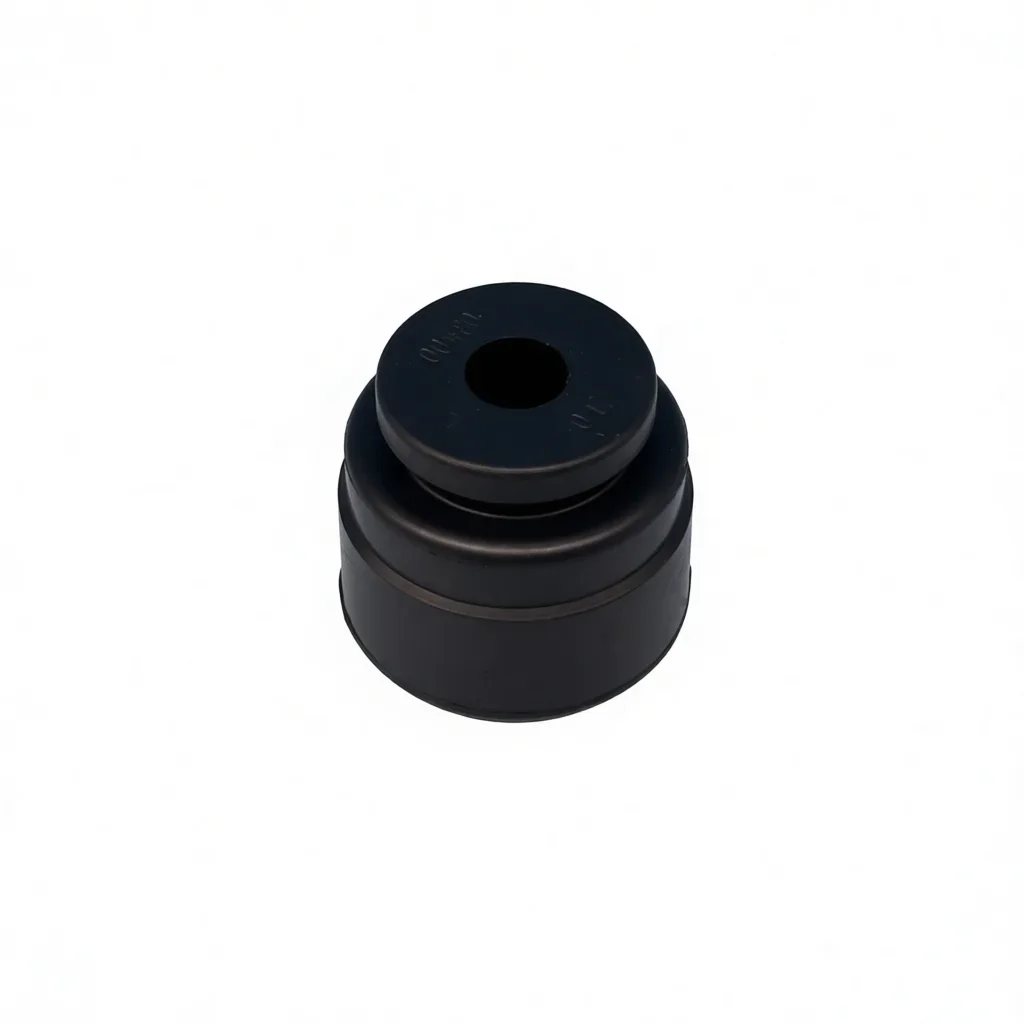
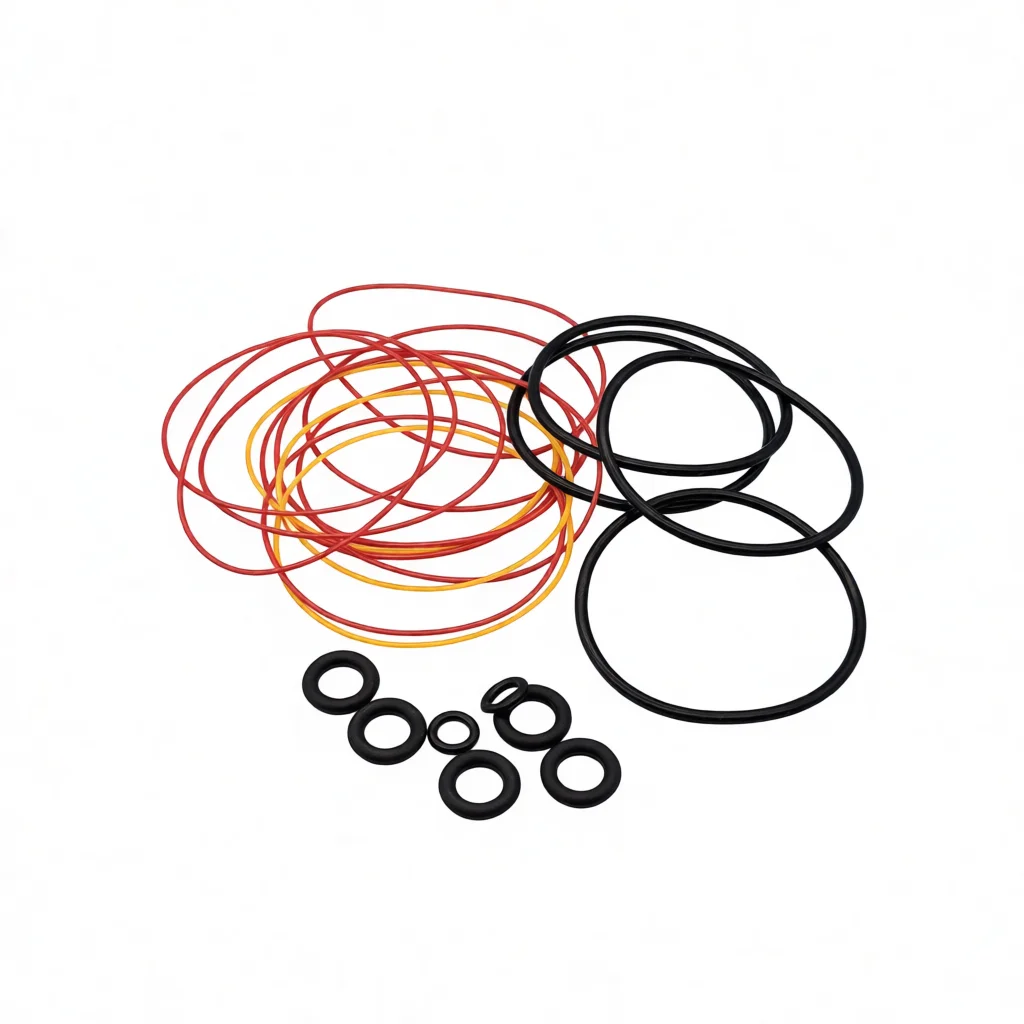
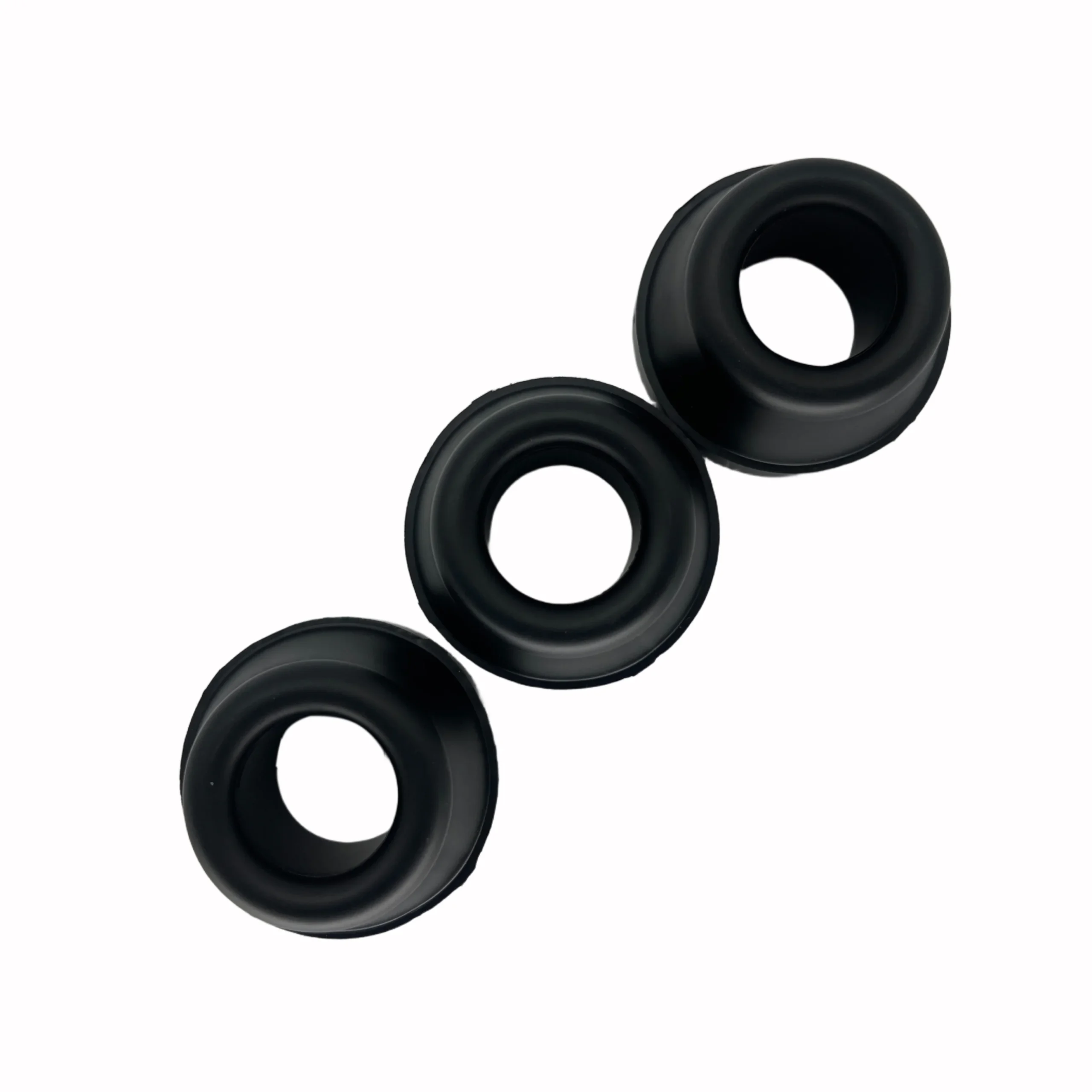
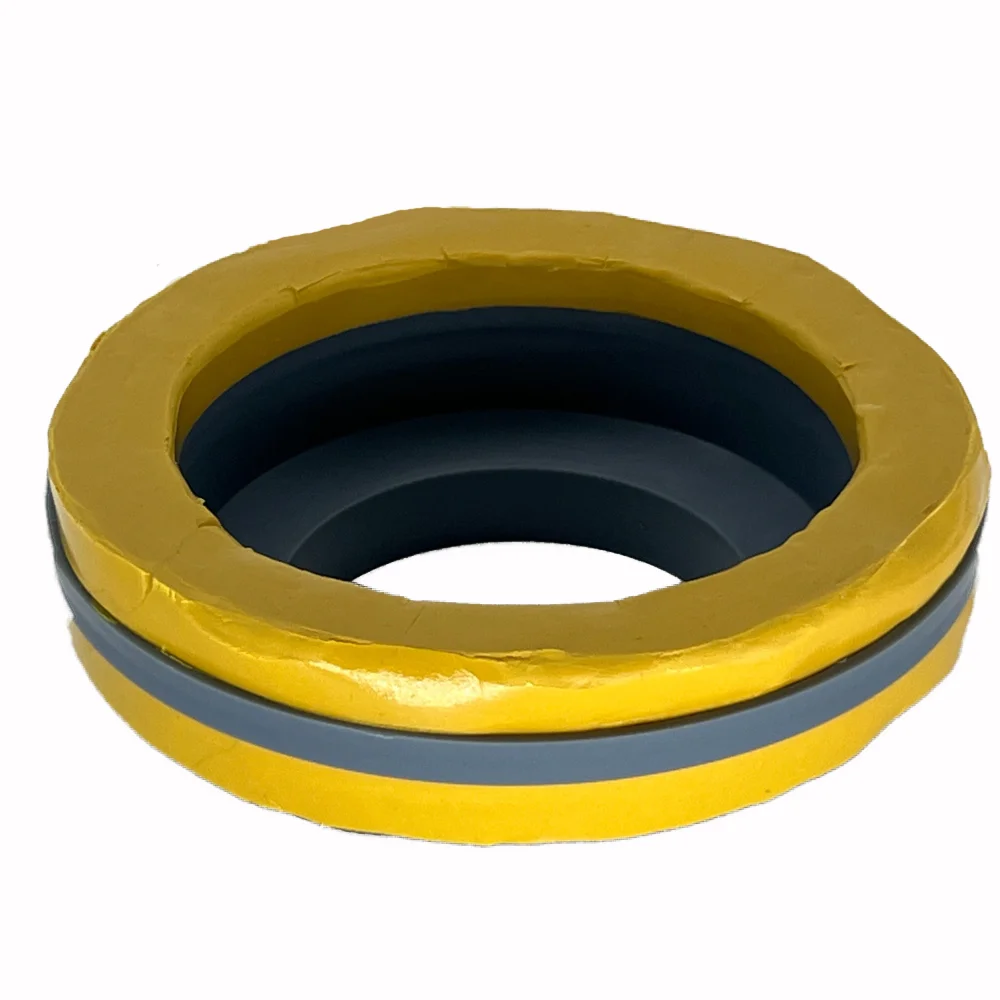
The term “getah o ring” comes from the Malay/Indonesian word “getah” meaning rubber, paired with the ubiquitous “o ring,” which describes a doughnut-shaped sealing gasket. In essence, a getah o ring is a circular elastomeric gasket that fits into grooves or spaces between parts to stop leaks of liquids or gases.
These rings are elastic and compressible, enabling them to form a tight seal under compression but easy enough to install or replace. The engineering precision behind them might seem modest, yet they’re crucial in applications requiring durability in pressure, temperature, and chemical exposure variations.
Key Aspects of Getah O Ring Performance
1. Durability
Getah o rings must resist wear, cracking, and chemical degradation over time. For example, rings used in hydraulic systems need to withstand oils and high pressures without failing after thousands of cycles.
2. Material Composition
Commonly made from nitrile, silicone, fluorocarbon (Viton), or EPDM rubber, the material choice affects temperature tolerance and chemical compatibility. A getah o ring for automotive engines won’t be the same as one used in pharmaceutical equipment.
3. Temperature and Pressure Resistance
Depending on usage, these seals endure temperatures from -40°C to over 200°C and pressures up to several thousand psi. This range suits everything from domestic plumbing to aerospace engineering.
4. Cost Efficiency
Getah o rings are usually low-cost items but reduce expenses significantly by preventing leaks that cause downtime or hazardous spills.
5. Ease of Installation and Replacement
Because the o ring shape is standardized, it’s simple to find replacements and perform maintenance quickly. This feature is especially valued in field operations or urgent repairs.
Product Spec Table: Typical Getah O Ring Characteristics
| Specification | Typical Range | Notes |
|---|---|---|
| Material | Nitrile, EPDM, Silicone, Viton | Depends on application needs |
| Inner Diameter | 1mm to 500mm+ | Highly customizable |
| Temperature Range | -40°C to +250°C | Material-dependent |
| Pressure Rating | Up to 4000 psi | Varies by dimension & rubber |
| Typical Hardness (Shore A) | 40–90 | Balance of flexibility & resilience |
Mini takeaway: The choice of getah o ring depends heavily on its environment—knowing your rubber types and specs is half the battle.
Global Applications & Use Cases
Getah o rings find use in pretty much every industrial sector you can think of. In automotive manufacturing hubs of Germany and Japan, they reduce engine leakages and improve fuel efficiency. In the oil fields of the Middle East, these seals keep drilling equipment operational in harsh environments.
Oddly enough, even humanitarian agencies rely on getah o rings. In post-disaster relief operations, NGO supply kits contain water purification units and portable pumps sealed with reliable o rings to ensure clean water flow under unstable conditions.
In Southeast Asia, where this term “getah” is from, rubber industries produce bespoke o rings locally, supporting industries and export markets. They’re also integral to advanced electronics manufacturing in South Korea and Taiwan, protecting delicate machinery from dust and moisture ingress.
Vendor Comparison: Selected Getah O Ring Suppliers
| Vendor | Material Options | Custom Sizes | Lead Time | Price Range |
|---|---|---|---|---|
| SunliteTek | Nitrile, EPDM, Silicone, Viton | Yes, custom profiles available | 2-3 weeks | Moderate |
| GlobalSeal Co. | Primarily Nitrile and Viton | Limited | 1-2 weeks | Low to Moderate |
| AsiaRubber Ltd. | Wide range incl. special compounds | Yes | 3-4 weeks | Higher |
Mini takeaway: Different vendors balance cost, customization, and delivery speed. For critical applications, quality and specification fit always trump price alone.
Advantages & Long-Term Value of Using Quality Getah O Rings
- Reliability: Prevent equipment downtime and hazardous leaks.
- Cost Savings: By minimizing maintenance frequency and spill-related losses.
- Sustainability: Durable rings reduce waste and improve machinery lifespan.
- Safety & Trust: Critical in sectors like medical devices and aerospace where failure is not an option.
Frankly, using the right getah o ring can feel like a small detail—but in reality, it's often the difference between success and costly failure.
Future Trends & Innovations
Looking forward, the getah o ring industry is evolving with smart materials and digital manufacturing. For example, incorporating nanocomposites that improve chemical resistance or temperature tolerance is a hot area.
Green initiatives are pushing for bio-based elastomers to reduce reliance on petroleum-derived rubber. Additionally, 3D printing custom o rings on demand promises to minimize inventory and speed up maintenance tasks, especially for remote industrial sites.
Challenges & Solutions
A common headache is compatibility errors—using a ring with the wrong chemical resistance or hardness can cause premature failure. Many engineers recommend thorough testing and vendor certification to avoid this.
Another challenge is counterfeit or low-quality getah o rings flooding some markets. Sourcing from trusted suppliers and insisting on ISO-certified products helps mitigate that risk.
FAQ: Practical Questions About Getah O Ring
Q1: What makes getah o ring different from other sealing solutions?
A: Getah o rings are prized for their simple design yet effective seal under compression, making them easier to install and replace than custom seals or gaskets in many applications.
Q2: How do I know which rubber material suits my application?
A: Consider operating temperature, pressure, and chemical exposure first. Nitrile suits oils, EPDM handles weathering, silicone excels at extremes of temperature, and Viton resists aggressive chemicals.
Q3: Can getah o rings be reused after removal?
A: Usually no. Once compressed and exposed to chemical stress, rings lose sealing integrity, so it’s recommended to replace rather than reuse them.
Q4: Are getah o rings eco-friendly?
A: Standard rings are derived from fossil fuels, but the industry is developing bio-based alternatives. Meanwhile, durability helps minimize waste by extending machinery life.
Conclusion: The Unsung Hero of Sealing Technology
Mastering the nuances of the getah o ring is more than a niche engineering concern—it’s about ensuring efficiency, safety, and sustainability across countless industries worldwide. Whether you’re an engineer, procurement specialist, or NGO worker, understanding and selecting quality getah o rings pays off in reliability and peace of mind.
Ready to explore customized getah o rings tailored to your needs? Visit SunliteTek today and discover how the right seal can elevate your operations.
Oddly enough, it’s often the smallest, simplest components like these rings that hold the biggest stories in industry and innovation.
References:

Understanding Getah O Ring: A Small Component with Big […]