

 Select Language
The rapid acceleration of the global transition toward electric mobility and renewable energy storage has placed unprecedented demands on the physical housing and internal stability of high-capacity battery systems. Within these complex assemblies, the role of a specialized EPDM battery pad has transitioned from a simple spacing component to a critical multi-functional safety barrier. These components are engineered to manage the unique mechanical and thermal stresses that occur during the charge and discharge cycles of lithium-ion cells. By utilizing high-performance ethylene propylene diene monomer as a base matrix, manufacturers can create a structural environment that resists the long-term degradation common in high-voltage applications. This material choice is particularly strategic because it allows for the integration of advanced additives that provide flame retardancy and phase-change energy storage, ensuring that the battery pack remains stable over years of intensive operation.

Advanced Material Synthesis and the Insulator EPDM Pad
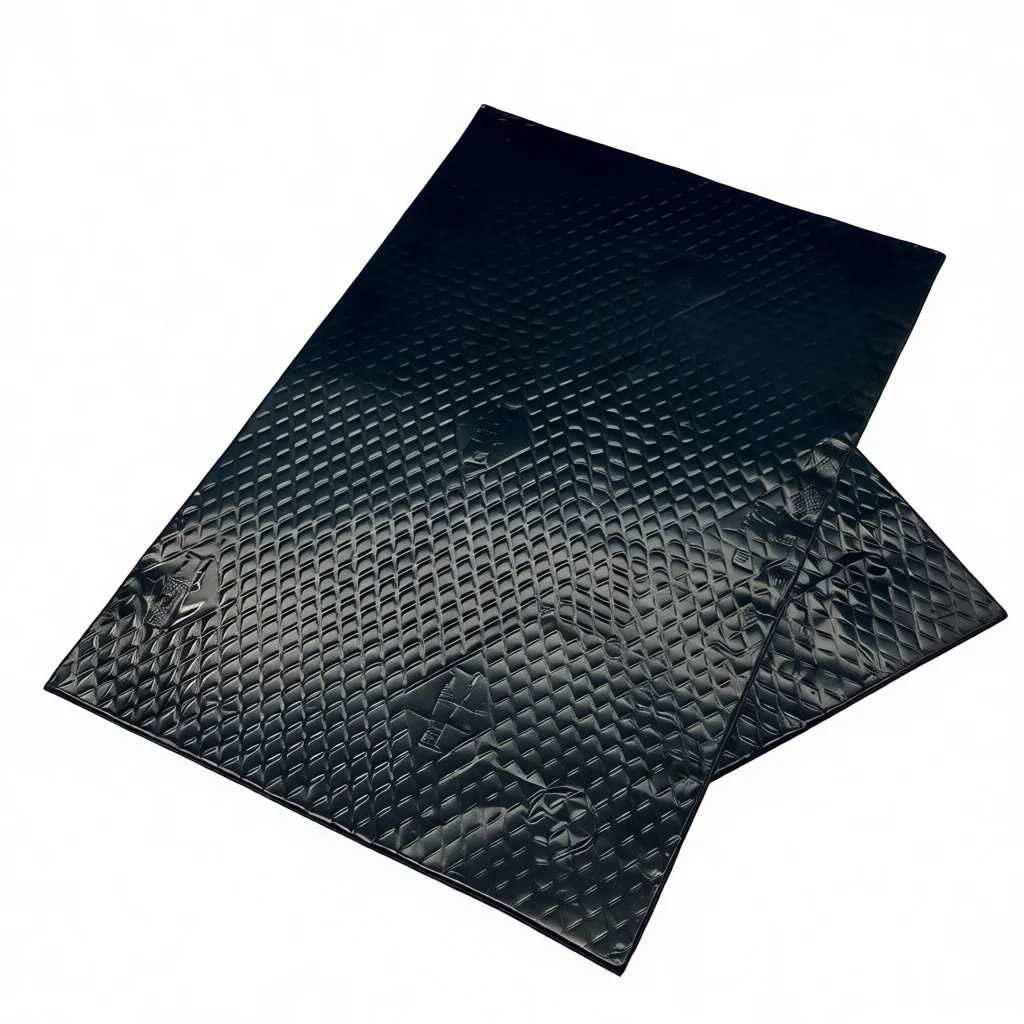
At the core of modern battery safety is the ability to isolate electrical components while simultaneously managing the heat generated by electrical resistance. The development of an insulator EPDM pad involves a sophisticated synthesis process where the rubber matrix is infused with a precise blend of phosphorus-nitrogen compounds and phase-change agents. To achieve the necessary multifunctional integration, microencapsulation technology is employed to shield these active agents during the mixing phase, ensuring they remain effective within the final elastomer structure. This preparation technology is vital for maintaining the dielectric strength of the pad while allowing it to absorb and store thermal energy during peak loads. The resulting composite material provides a balanced combination of electrical insulation and mechanical toughness, making it an indispensable part of the safety architecture within modern energy storage modules.
Long Term Mechanical Stability of the Rubber Battery Pad
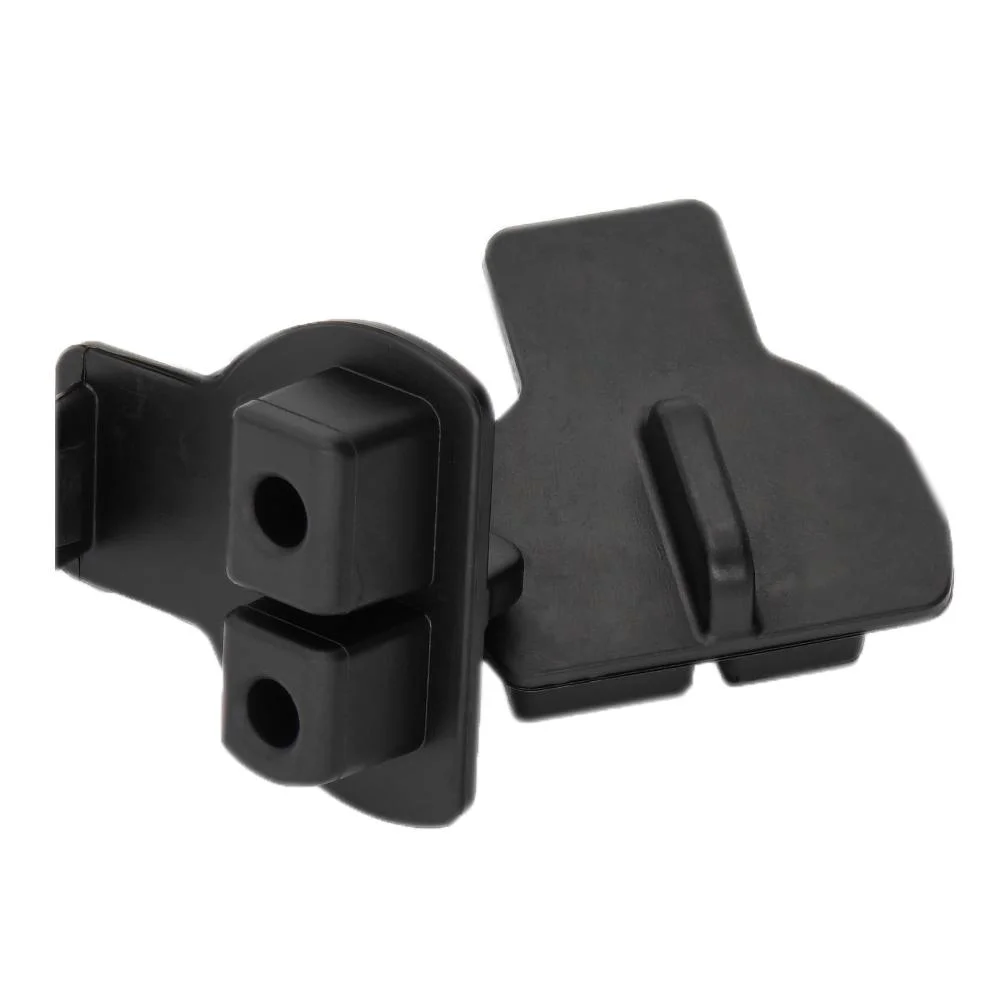
One of the primary challenges in battery pack design is ensuring that the internal components remain in their designated positions despite the vibrations and impacts experienced during vehicle operation. A high-quality rubber battery pad must exhibit exceptional rebound characteristics and impact resistance to prevent cell movement. Conventional materials often suffer from compression set, where the material loses its elasticity over time, leading to loose connections and potential mechanical failure. However, by utilizing compression molding techniques and optimized cross-linking in the EPDM matrix, these pads are guaranteed to maintain their structural tension for up to eight years without loosening. This longevity is crucial for maintaining the precise positioning of cells within a pack, as any shift in alignment could lead to uneven thermal distribution or mechanical wear on the electrical interconnects.
Enhancing Thermal Management with the EPDM Pad Battery Solution
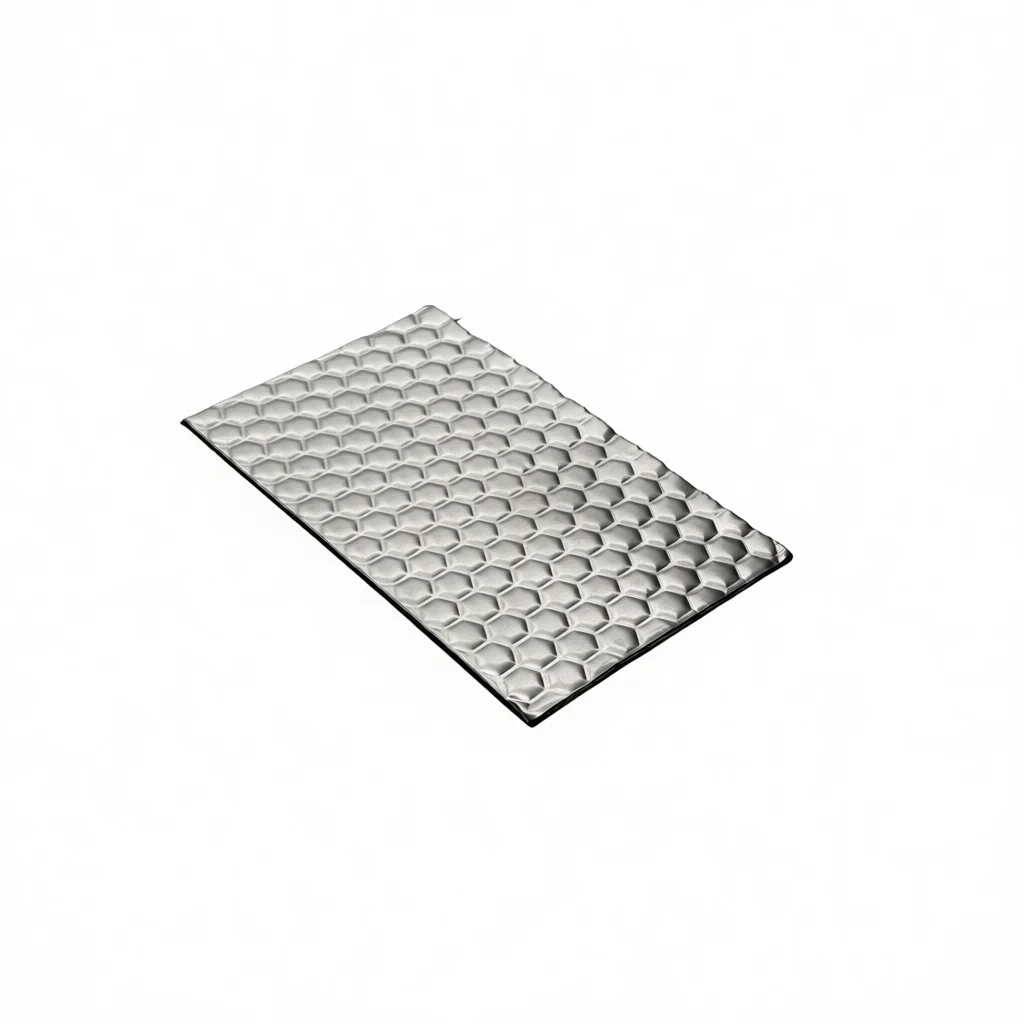
Thermal runaway remains one of the most significant safety concerns in the design of large-scale battery packs. The integration of a specialized EPDM pad battery interface helps mitigate this risk by acting as a passive thermal management layer. The inclusion of polyethylene glycol or similar phase-change materials within the rubber allows the pad to absorb excess heat as the material undergoes a phase transition. This energy storage capability provides a critical temporal buffer during rapid charging or high-discharge events, preventing localized hot spots from spreading between adjacent cells. Furthermore, the flame-retardant properties of the material, often reaching UL94 V0 standards, ensure that in the unlikely event of a thermal event, the material will self-extinguish and act as a fire-resistant barrier, protecting the overall integrity of the battery pack and the safety of the end-user.
Environmental Compliance and Sustainability in Rubber Cushion Production
As the energy industry moves toward a more sustainable future, the environmental impact of the materials used in battery production has come under intense scrutiny. A modern rubber cushion used in battery packs must do more than just perform mechanically; it must also comply with a stringent global regulatory framework. Modern preparation technologies ensure that these EPDM-based components meet the requirements of RoHS 2.0, REACH, and the latest TSCA and PFAS regulations. By eliminating harmful plasticizers and persistent organic pollutants from the formulation, manufacturers can offer a product that supports the "green" credentials of the electric vehicle industry. This commitment to environmental safety ensures that the materials are safe for handling during assembly and do not release toxic by-products during the recycling or disposal phases of the battery's lifecycle.
The Strategic Importance of the Insulator EPDM Pad in Cell Positioning
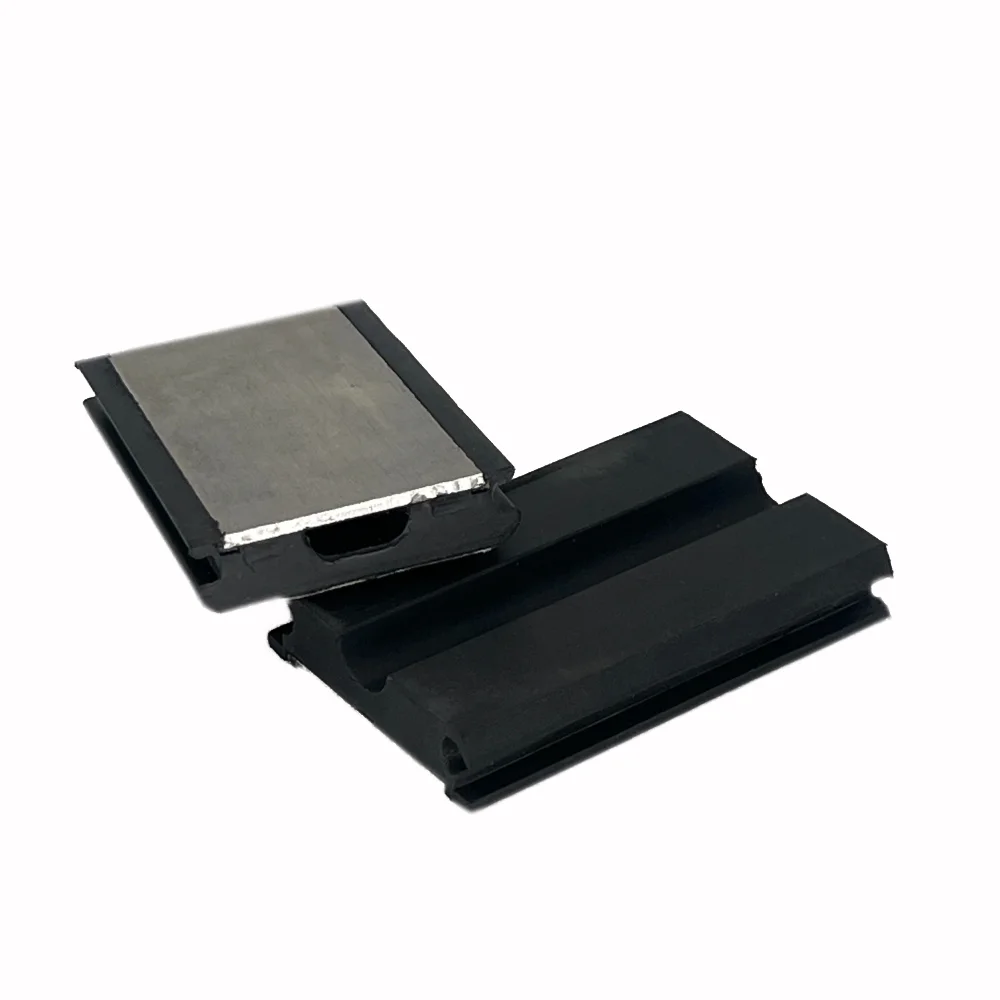
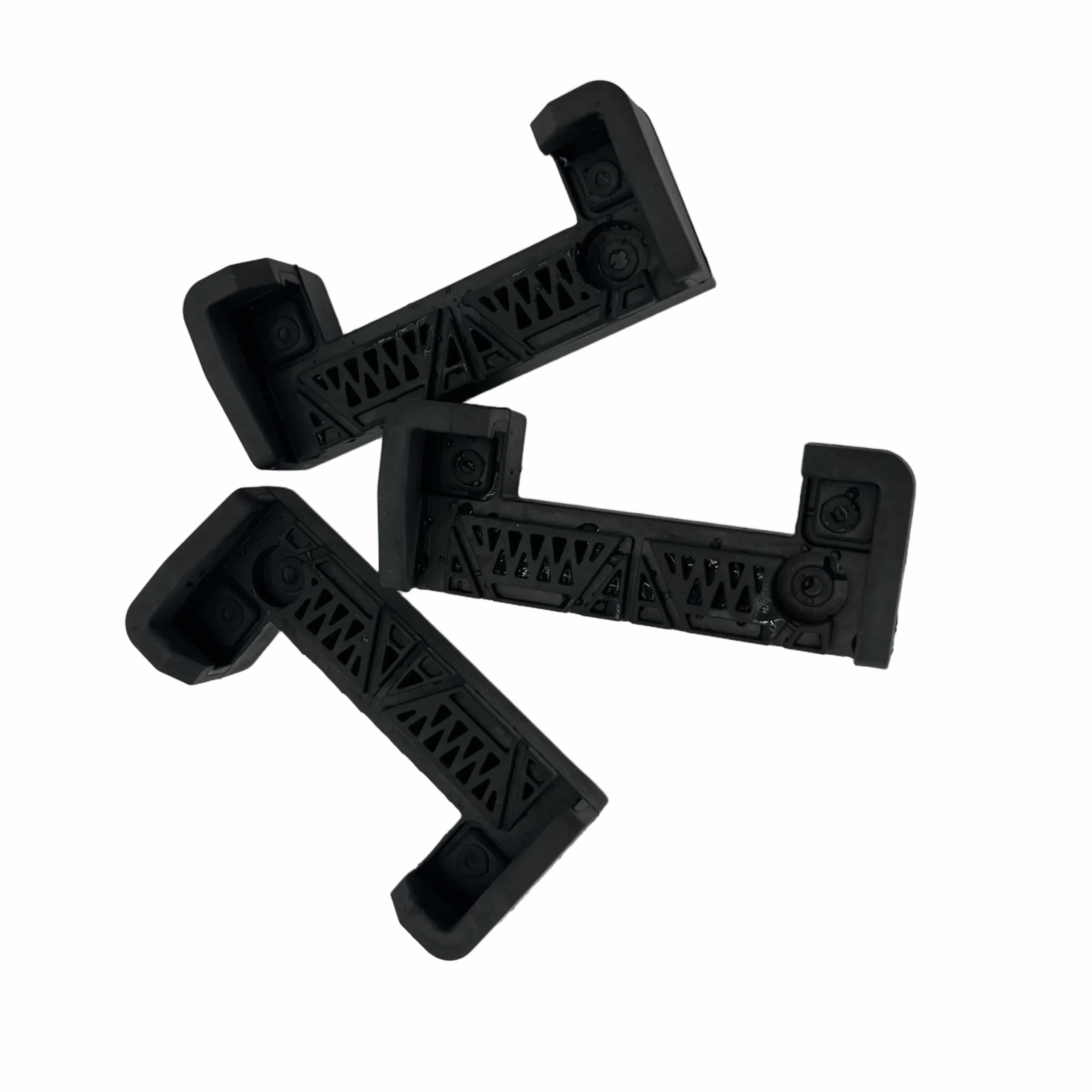
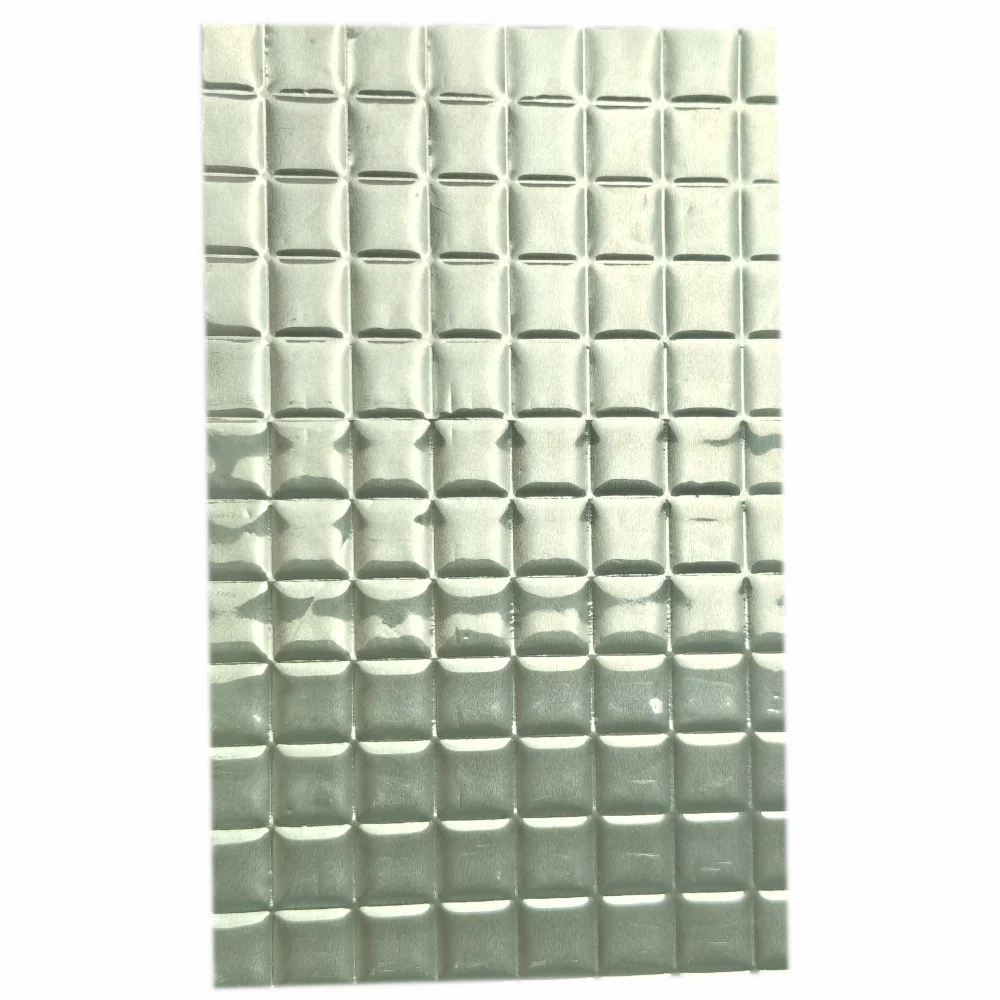
Precision is the hallmark of modern battery engineering, particularly when it comes to the positioning of individual cells within a module. The insulator EPDM pad serves as a cell positioning rubber strip that ensures each cell is perfectly aligned and thermally isolated from its neighbors. The high elasticity of the EPDM matrix allows the pad to conform to the minor surface irregularities of the battery cells, creating a uniform contact area that facilitates even pressure distribution. This is essential for preventing localized mechanical stress on the cell casing, which can lead to internal short circuits over time. By combining high rebound capacity with flame retardancy, these pads provide a comprehensive solution that addresses the mechanical, thermal, and electrical requirements of the most advanced battery architectures currently in production.
Rebound Characteristics and Impact Resistance of the Rubber Battery Pad
The dynamic environment of an electric vehicle exposes the battery pack to constant shocks and high-frequency vibrations. A rubber battery pad must be engineered to dampen these forces effectively to protect the sensitive internal chemistry of the cells. The high impact resistance of specialized EPDM formulations ensures that the pad can absorb significant kinetic energy without permanent deformation. This "high rebound" capability is what allows the material to return to its original shape instantly after a compressive force is removed, maintaining a constant pressure against the cells. This constant pressure is vital for the integrity of the battery’s cooling interface, as it ensures that the thermal path between the cells and the cooling plate remains consistent throughout the entire life of the vehicle.

The rapid acceleration of the global transition toward electric mobility and renewable energy storage has placed unprecedented demands on the physical housing and internal stability of high-capacity battery systems.