

 Select Language
In the rapidly evolving landscape of industrial manufacturing and HVAC design, the management of mechanical resonance has transitioned from a secondary concern to a primary engineering priority. As equipment becomes more powerful and compact, the energy generated by high-speed rotation and reciprocating motion poses a significant threat to structural integrity and operational silence. Central to solving these challenges is the development of high-impact elastomer materials, specifically those utilized in the production of the rubber vibration damping pad and specialized nbr vibration absorber components. These materials represent a sophisticated intersection of polymer chemistry and mechanical structural design, offering a robust defense against the degradative effects of kinetic energy.
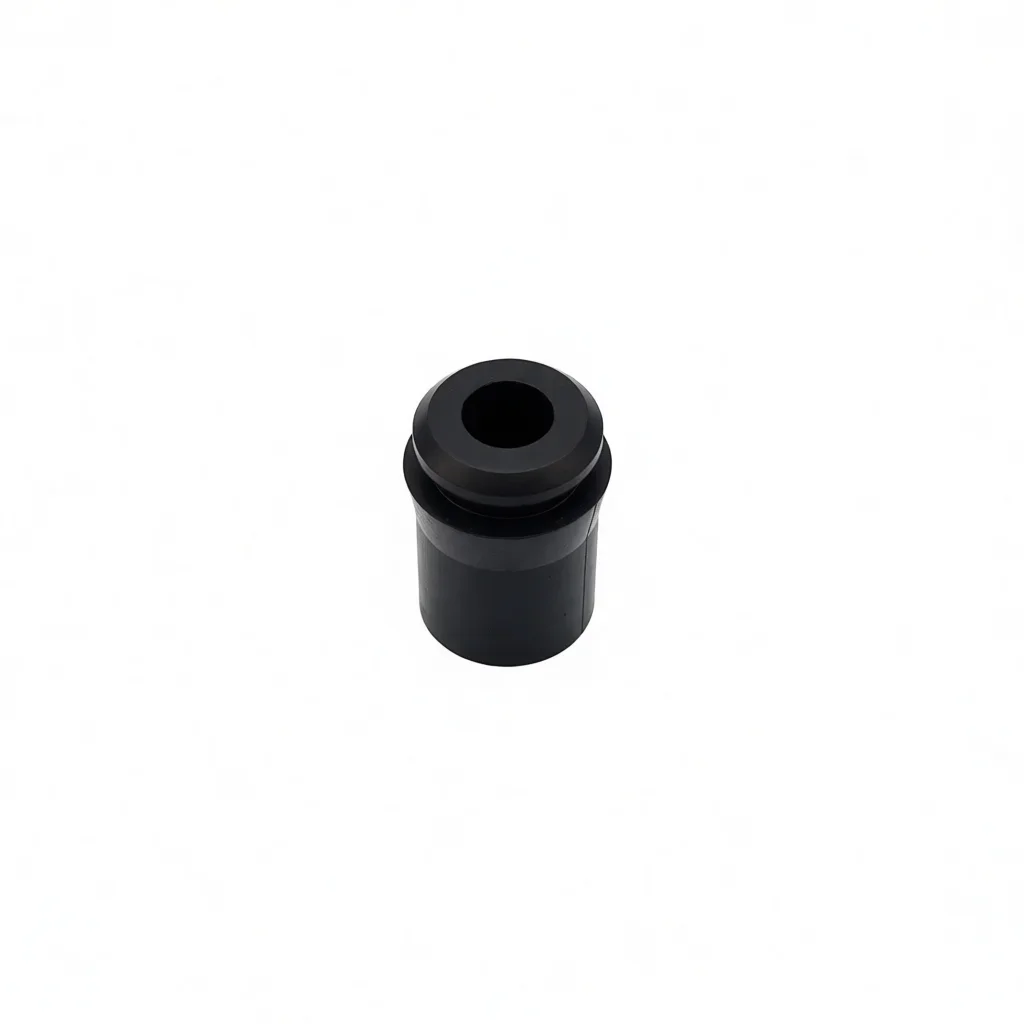
The Molecular Foundation of the NBR Vibration Damping Pad
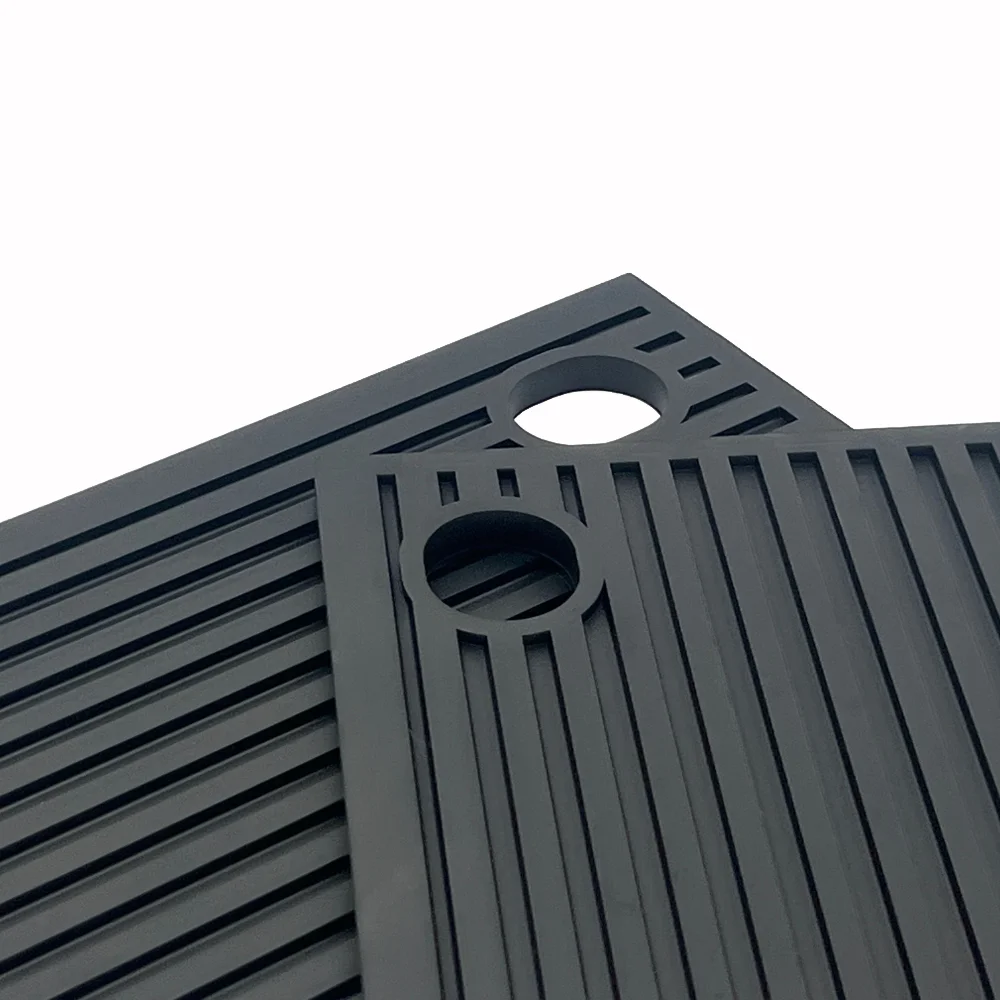
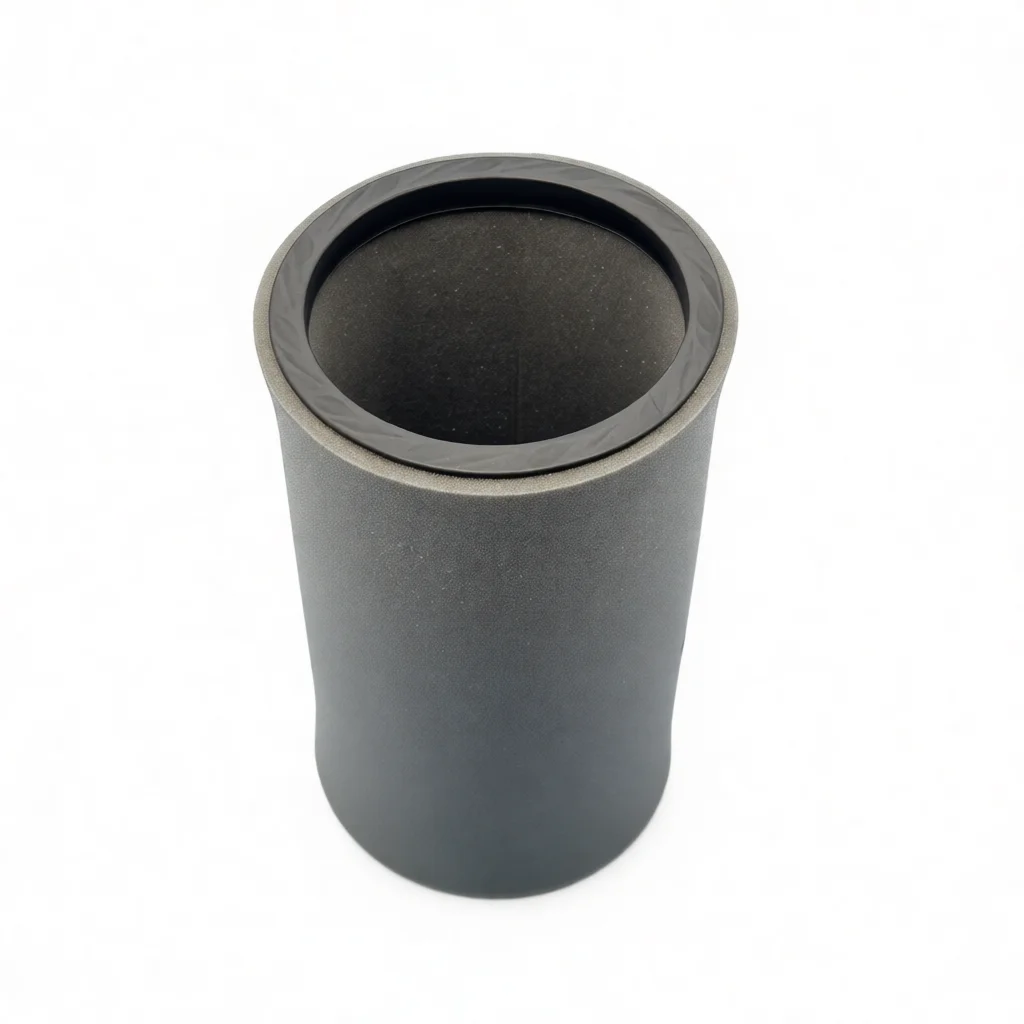
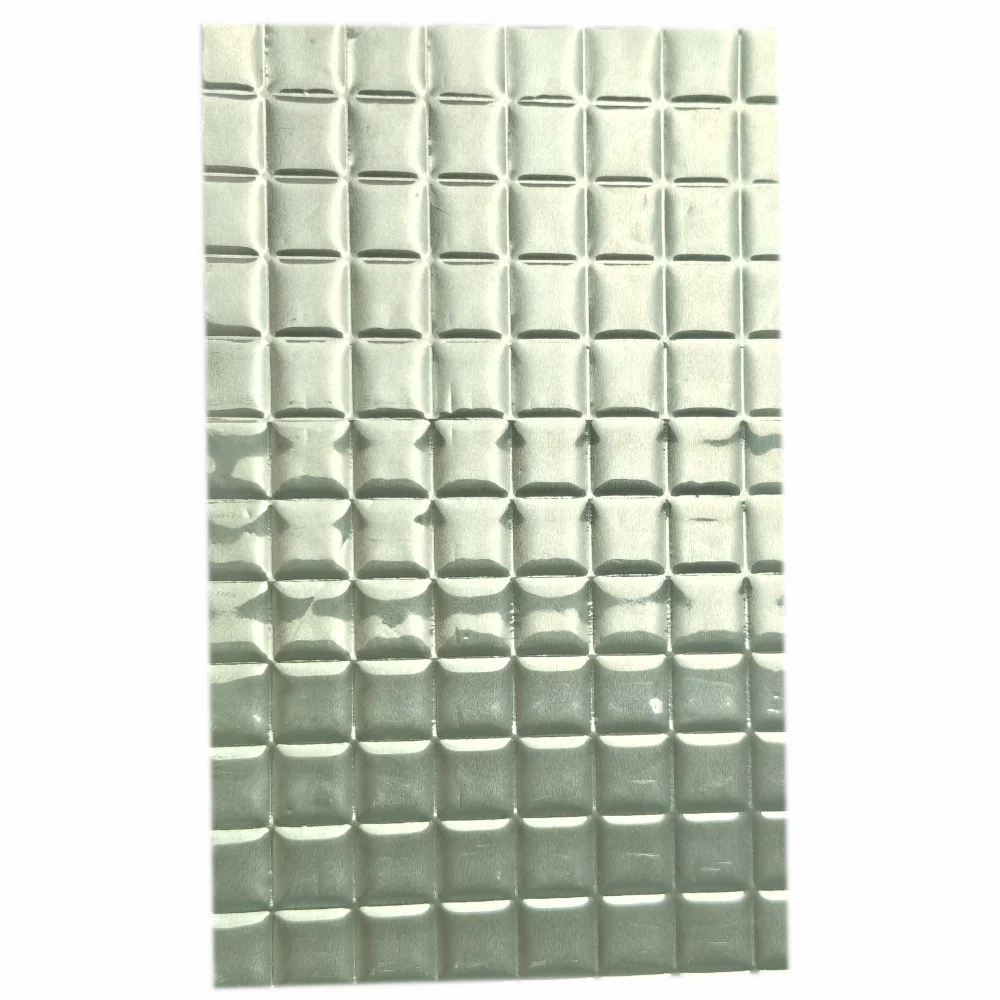
To understand why an nbr vibration damping pad outperforms standard rubber mounts, one must look at the molecular architecture of Nitrile Butadiene Rubber (NBR). High-impact elastomers are engineered through meticulous molecular, interfacial, and structural design. Unlike generic rubber, the NBR used in these pads is characterized by a high degree of flexible molecular chains that possess strong intermolecular interactions. This unique chemical profile allows the material to maintain a low glass transition temperature, ensuring that even in frigid environments, the pad does not become brittle or lose its energy-absorbing capabilities.
When a motor or fan transmits energy into an nbr vibration damping pad, the material does not simply resist the force. Instead, it utilizes its internal friction to convert kinetic vibration energy into negligible amounts of thermal energy. This hysteresis effect is what defines the "high impact" nature of the elastomer. By absorbing impact loads and dynamic torque, these pads prevent the transmission of vibrations from the source—such as a high-speed CNC motor—to the surrounding chassis or foundation. This molecular efficiency is the reason why NBR remains the preferred medium for precision equipment that requires a delicate balance between rigidity for support and flexibility for damping.
Enhancing Structural Stability with the Rubber Vibration Damping Pad
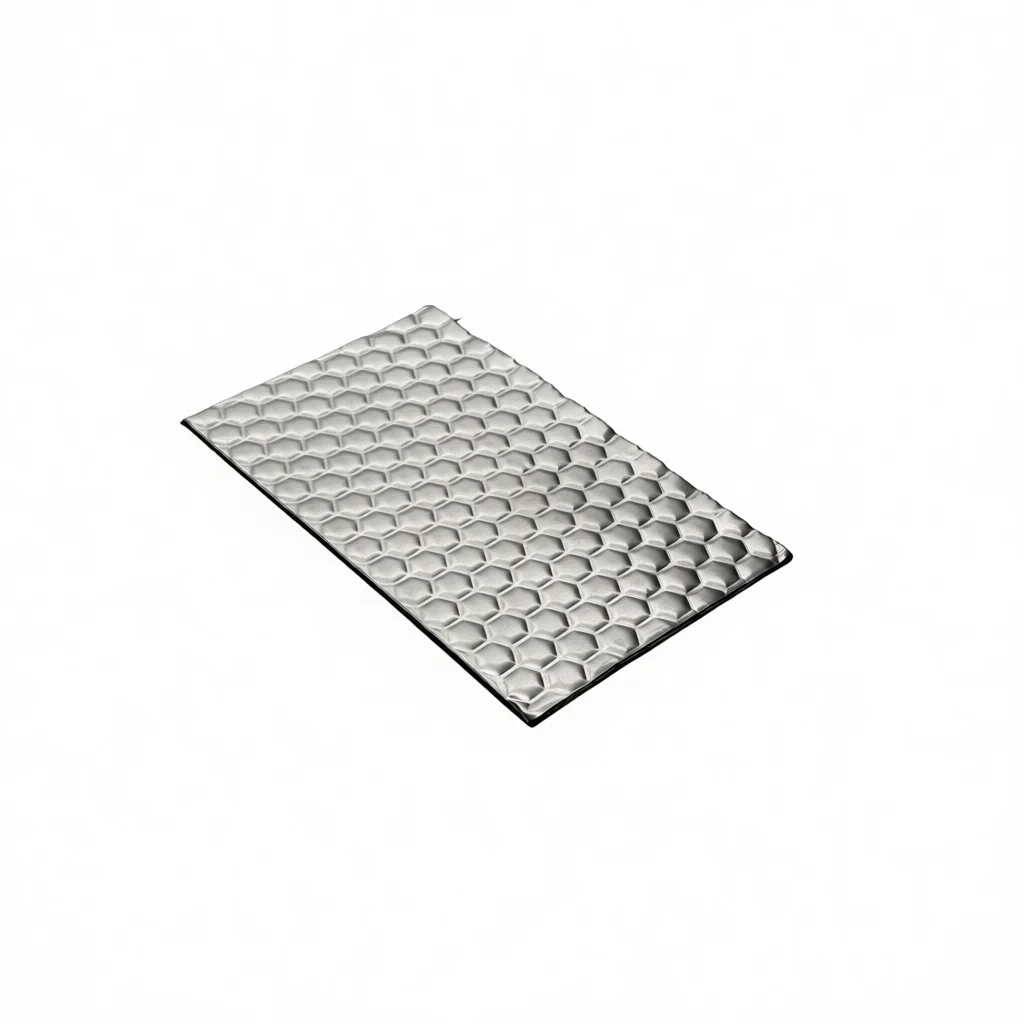
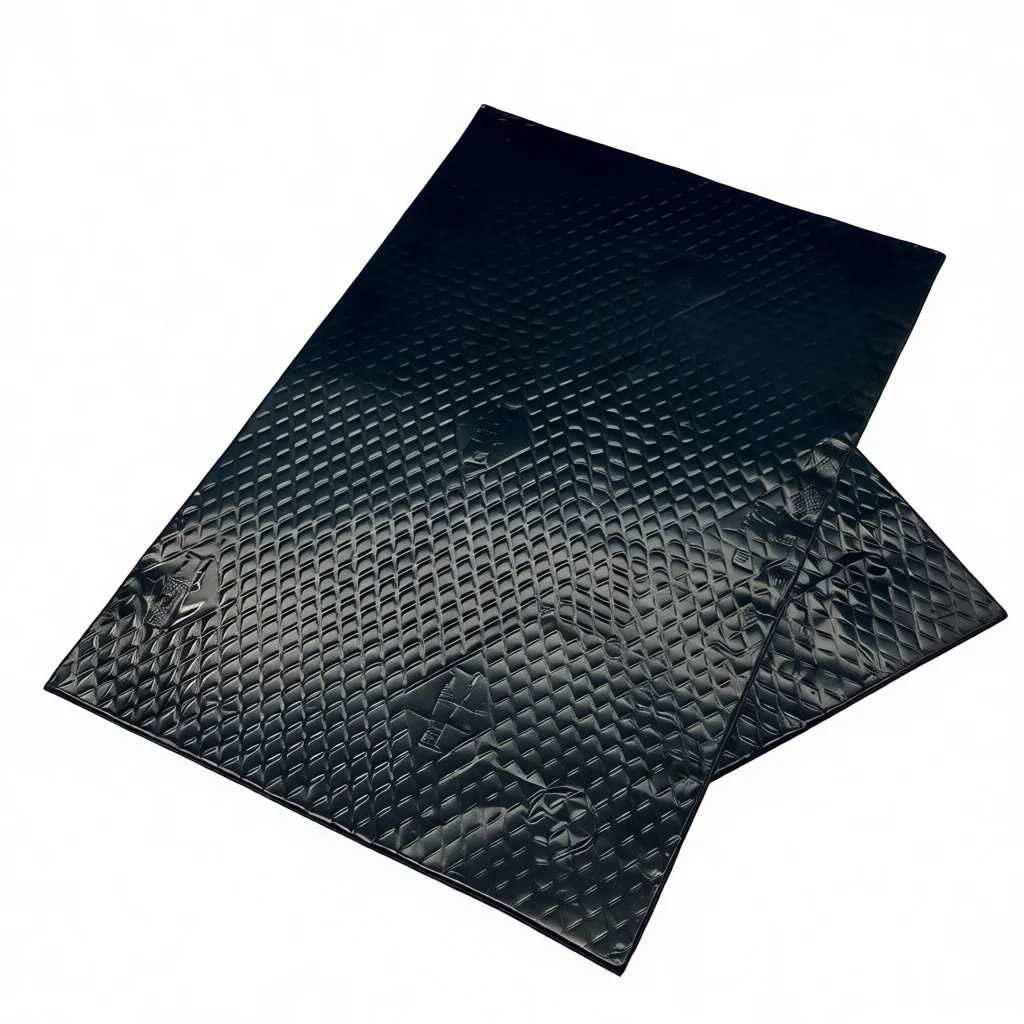
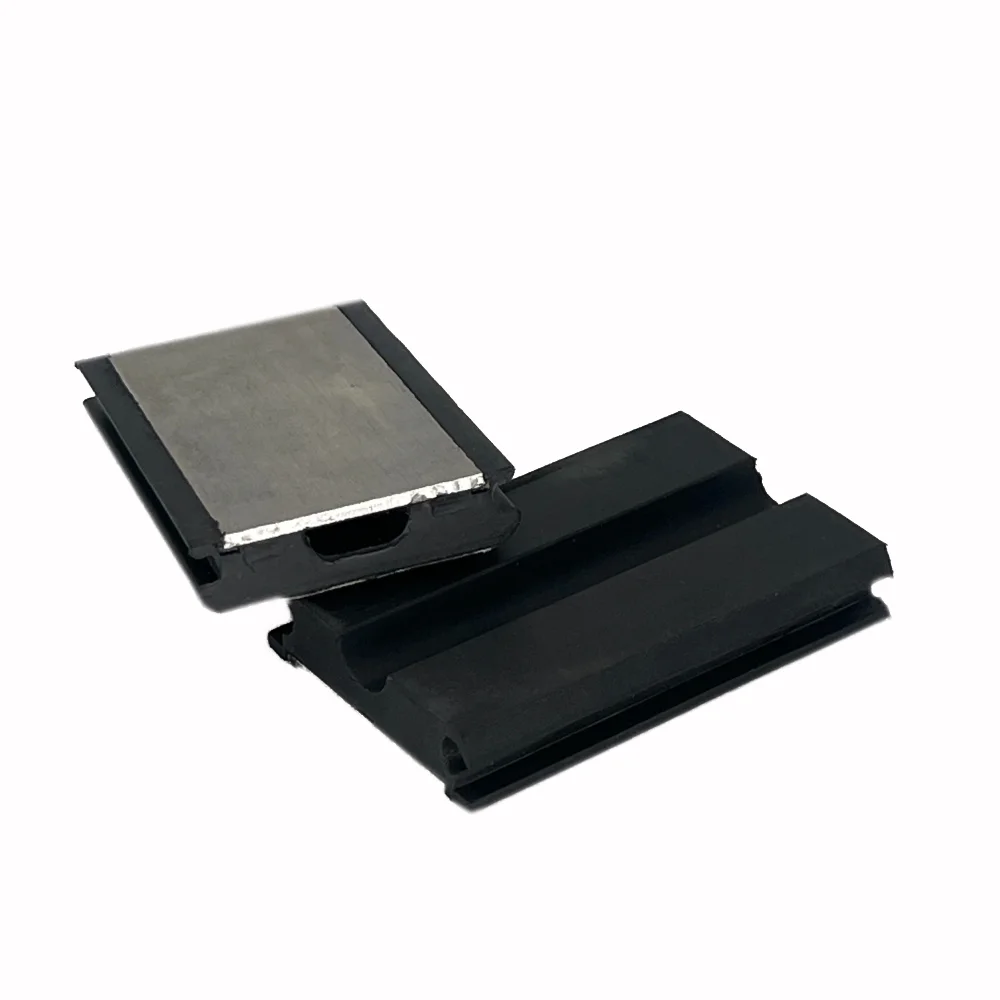
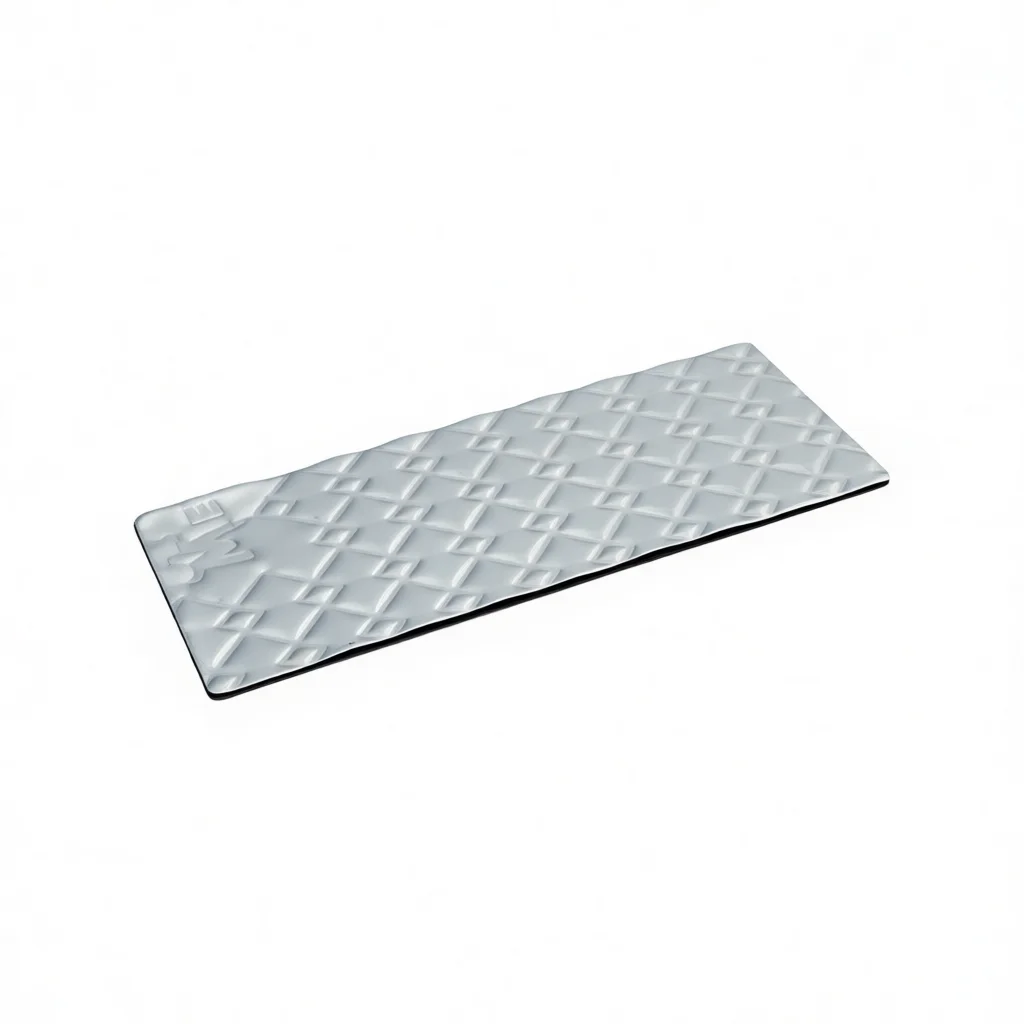
In heavy-duty industrial applications, the physical demands placed on damping components are immense. The rubber vibration damping pad serves as a critical interface in scenarios like air conditioner outdoor units and industrial fan assemblies. The integration of high-elasticity NBR with aluminum alloy structural parts through thermal bonding molding has revolutionized how these components are manufactured. This integrated molding process ensures that there is no mechanical "slip" between the damping medium and the mounting hardware, providing a seamless path for vibration dissipation.
For engineers, the primary goal of using a rubber vibration damping pad is the reduction of system resonance. Every mechanical system has a natural frequency; if the operational frequency of a motor matches this natural frequency, the resulting resonance can lead to catastrophic structural failure. The high elastic modulus of NBR allows these pads to act as a buffer that shifts the system's tuning, effectively decoupling the vibration source from the sensitive components of the machine. This is particularly vital in fan/motor transmission systems where dynamic balance is the difference between a machine that lasts ten years and one that fails in six months.
Strategic Placement of the NBR Vibration Absorber in Precision Systems
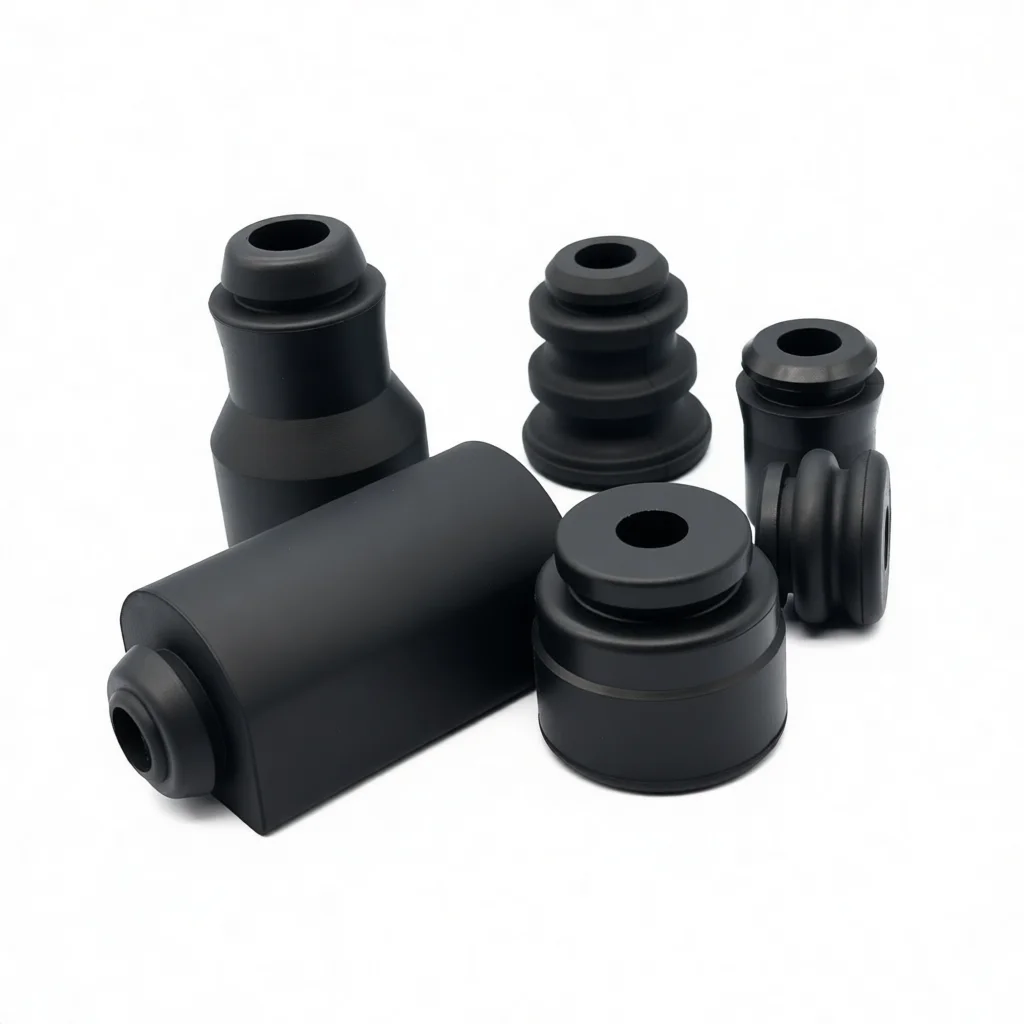
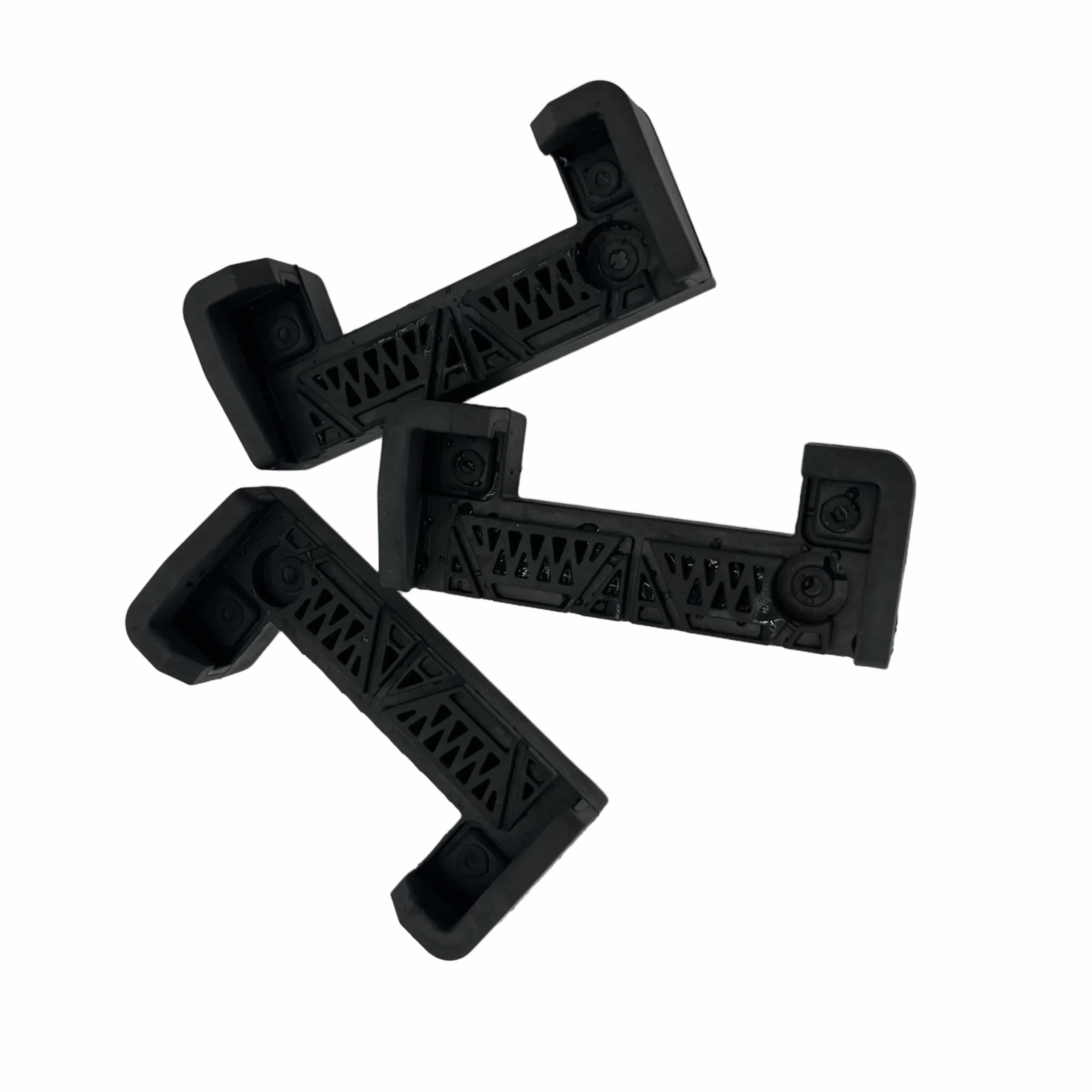
While pads provide a broad surface area for damping, the nbr vibration absorber is often designed for more targeted applications, such as the mounting brackets of indoor HVAC units or the fixing points of precision fan motors. In these contexts, the "absorber" function is literal. It is not merely a spacer; it is a functional component that mitigates high-frequency noise and prevents the "hum" that often plagues commercial buildings.
The use of an nbr vibration absorber in compressor installation positions highlights its role in life-cycle extension. Compressors generate significant impulsive forces during start-up and shut-down cycles. Without a high-impact elastomer to buffer these shocks, the mounting bolts and the compressor housing would succumb to fatigue. By implementing a targeted vibration absorber, the impact energy is diffused throughout the elastomer’s matrix. Furthermore, because these NBR components are resistant to hydraulic oils, fuels, and lubricating fluids, they maintain their damping efficiency even in the messy environments of an engine room or a factory floor.
Industrial Synergy: NBR and Metal Integration
The pinnacle of this technology is found in components where NBR is combined with specialized bonding layers, such as CR (Chloroprene Rubber), to adhere to aluminum alloy or SECC (Steel, Electrogalvanized, Cold-rolled, Commercial quality) substrates. While the NBR provides the damping, the metal core provides the geometric precision required for high-speed rotation. This synergy is what allows for the creation of "flexible couplings" that can transmit torque while simultaneously suppressing vibration.
In CNC equipment and precision motors, where positioning accuracy is measured in microns, any residual vibration can ruin a workpiece. The nbr vibration damping pad and associated absorbers ensure that the rapid start-stop motions of the motor do not translate into "ghosting" or inaccuracies on the cutting head. By converting high-frequency noise into thermal energy and providing a stable platform for rotating shafts, these elastomer solutions have become the unsung heroes of the modern industrial age.
In the rapidly evolving landscape of industrial manufacturing and HVAC design, the management of mechanical resonance has transitioned from a secondary concern to a primary engineering priority.