

 Select Language
The evolution of unmanned aerial vehicle technology has reached a point where the mechanical capabilities of the aircraft often exceed the physical comfort and precision limits of the human operator. While flight controllers have become more sophisticated, the physical interface—the remote control—frequently remains a secondary consideration. However, in the realm of professional flight, the tactile connection between the pilot and the equipment is the ultimate arbiter of mission success. Achieving absolute precision requires a seamless integration of human ergonomics and industrial design. By focusing on an ergonomic UAV controller grip, designers are addressing the critical need for long-term comfort and fine motor control, which are essential for navigating complex environments or executing high-stakes maneuvers.
Flight precision is not merely a product of software algorithms; it is a direct result of the pilot’s ability to translate intent into action without the interference of physical fatigue or hand strain. When an operator is required to maintain steady control over several hours of flight, the subtle accumulation of muscular tension can lead to erratic stick movements and decreased situational awareness. The strategic implementation of an ergonomic UAV controller grip mitigates these risks by aligning the hand’s natural resting position with the controller's geometry. This alignment reduces the strain on the carpal tunnel and the small muscle groups of the fingers, allowing for a level of fluid, micro-adjustment that is impossible with a standard, non-contoured interface.
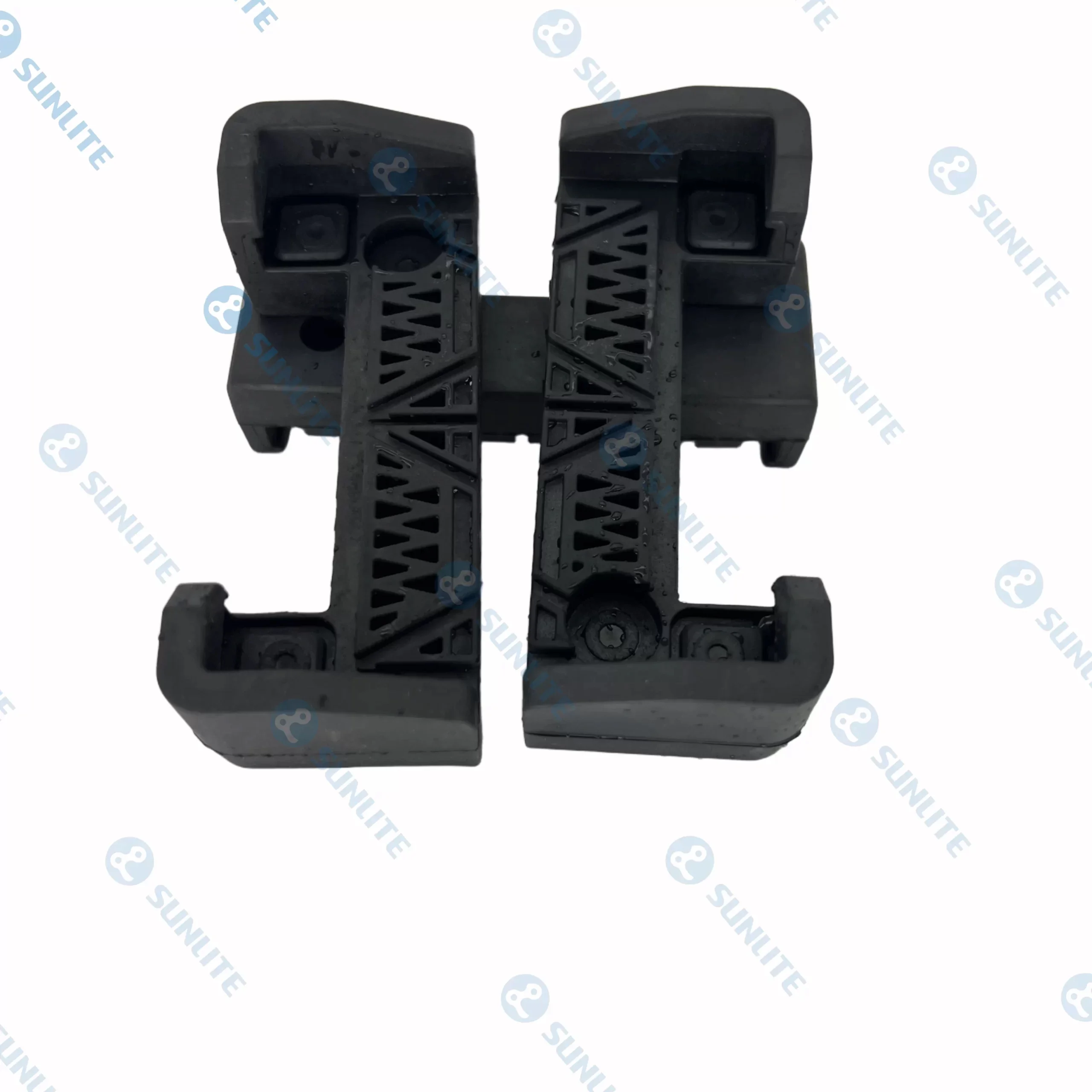
Psychological and Physical Synergy via an ergonomic UAV controller grip
The relationship between physical comfort and cognitive performance is well-documented in aerospace psychology. A pilot who is distracted by a slippery or poorly fitting controller is a pilot whose focus is split between the aircraft and their own physical discomfort. The introduction of an ergonomic UAV controller grip serves to eliminate this distraction, fostering a state of "flow" where the controller feels like a natural extension of the body. This psychological synergy is vital during search and rescue operations or industrial inspections where a fraction of a millimeter in stick movement can be the difference between a successful data capture and a collision.
Furthermore, the surface texture and material composition of an ergonomic UAV controller grip play a vital role in sensory feedback. High-performance elastomers provide a soft-touch feel that remains consistent across varying temperatures, ensuring that the pilot maintains a high degree of tactile sensitivity. This sensitivity is crucial for "feeling" the resistance of the gimbals and maintaining a consistent pressure on the triggers. By optimizing the contact points where the palms and fingers meet the device, manufacturers can ensure that the pilot remains calm, focused, and physically capable of executing the most demanding flight paths with unwavering stability.
Tactical Readiness and the Tactical Drone Controller Grip Sleeve
In field operations, particularly those involving security, defense, or emergency response, the environmental conditions are rarely ideal. Rain, sweat, and extreme temperatures can render a standard controller nearly impossible to hold securely. This is where the tactical drone controller grip sleeve becomes an indispensable asset. Unlike integrated grips, a tactical sleeve is often designed to be a secondary layer of protection that enhances the friction coefficient of the remote control. The primary objective of a tactical drone controller grip sleeve is to provide a fail-safe surface that ensures the controller stays firmly in the pilot’s hands regardless of external contaminants like oil, mud, or moisture.
The resilience of a tactical drone controller grip sleeve is found in its specialized polymer architecture. These sleeves are often manufactured from heavy-duty silicone or EPDM compounds that resist environmental degradation and chemical exposure. From a tactical standpoint, the sleeve also provides a layer of impact protection, shielding the expensive internal electronics of the remote control from drops or rough handling during rapid deployment. The textured ribbing and aggressive geometry of the tactical drone controller grip sleeve are specifically engineered to provide maximum purchase for operators wearing gloves, ensuring that the transition from ground movement to flight control is instantaneous and secure.
The Versatility of High-Strength UAV handles in Heavy-Lift Operations
As the size of unmanned platforms grows to accommodate larger payloads and longer flight durations, the ground-handling aspect of these systems becomes a significant logistical challenge. The integration of robust UAV handles into the airframe and the transport cases for the control systems is essential for operational safety. These handles are not merely transport aids; they are structural components that must be engineered to withstand the dynamic forces encountered during manual recovery or rapid mobilization. High-strength UAV handles allow teams to maneuver heavy equipment with precision, reducing the risk of accidental drops that could compromise the integrity of the aircraft or its sensors.
In the context of the control station, specialized UAV handles are often used to provide a stable anchoring point for the pilot. In high-wind environments or on moving maritime platforms, the pilot may need to brace themselves while maintaining flight control. A well-placed handle on the controller’s base or the ground station frame allows for a more stable physical posture, which directly translates to steadier stick inputs. By utilizing advanced composite rubbers and high-density polymers, manufacturers can produce UAV handles that offer a high strength-to-weight ratio, ensuring that portability does not come at the expense of structural durability.
Operational Reliability and the Integration of the Drone Handle
The physical transport of professional drones from a vehicle to a launch site often involves traversing difficult terrain. The presence of a dedicated drone handle on the aircraft’s airframe is a design feature that significantly enhances the efficiency of field teams. A high-quality drone handle is engineered to be aerodynamic while in flight but provides a comfortable, high-friction grip for manual carrying. This prevents the need for technicians to grasp the drone by its arms or sensitive motor mounts, which can lead to structural misalignment or mechanical stress over time.
Beyond transport, the drone handle serves as a vital point of contact during the launch and recovery phases of a mission. In vertical takeoff and landing (VTOL) systems, the handle provides a safe grip for hand-launching or hand-catching the aircraft in restricted areas. The material science behind the drone handle ensures that it remains durable under high-G loads and does not become brittle when exposed to the intense UV radiation found at high altitudes. By treating the handle as a mission-critical component rather than an afterthought, aerospace engineers are improving the overall longevity and serviceability of the flight platform, ensuring it can be handled safely and efficiently by ground crews.
The evolution of unmanned aerial vehicle technology has reached a point where the mechanical capabilities of the aircraft often exceed the physical comfort and precision limits of the human operator.