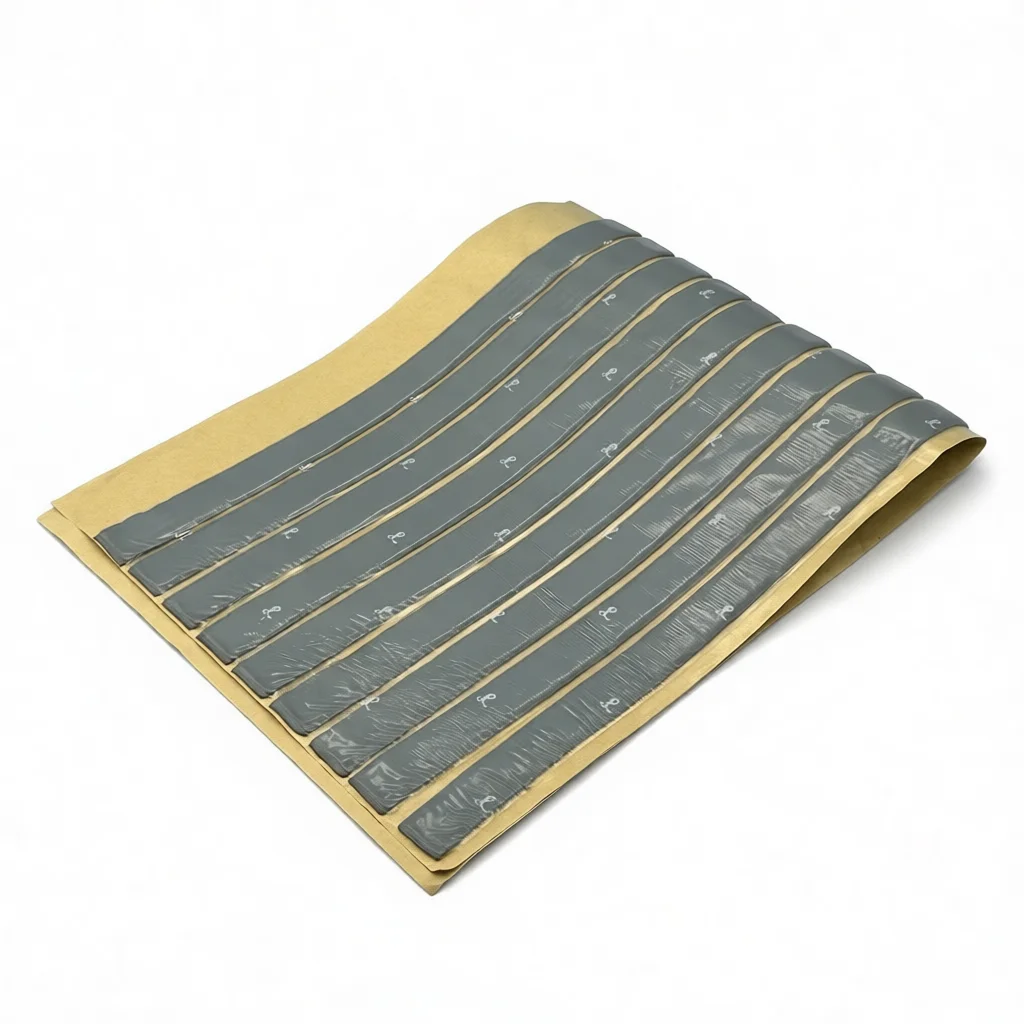


 Select Language
The landscape of modern robotics is defined by the relentless pursuit of mechanical endurance and operational precision. As autonomous systems transition from controlled laboratory environments to the unpredictable rigors of industrial, domestic, and aquatic settings, the components that facilitate physical interaction with the world must undergo a radical transformation. Central to this evolution is the development of advanced material interfaces, specifically the high-performance rubber roller brush robot assembly. This critical subsystem serves as the primary tactile interface for cleaning, maintenance, and surface-crawling robots. Engineering resilience into these brushes is not merely a matter of material selection; it is a complex discipline involving polymer chemistry, structural dynamics, and frictional physics. By optimizing the way a robot grips, scrubs, or navigates a surface, manufacturers are unlocking new levels of efficiency that were previously hindered by the limitations of traditional bristle-based systems.
The shift toward rubberized solutions marks a departure from the "flicking" action of nylon bristles toward a more comprehensive "squeegee and lift" mechanism. This transition is essential for managing the diverse range of particulates and environmental conditions found in contemporary applications. Whether a robot is navigating the oily floor of a manufacturing plant or the delicate vinyl liner of a swimming pool, the rubber roller brush robot provides a consistent, non-abrasive, and highly durable contact point. This resilience ensures that the robot can perform thousands of duty cycles without significant degradation in cleaning quality or mechanical failure, ultimately lowering the total cost of ownership and increasing the reliability of autonomous fleets.
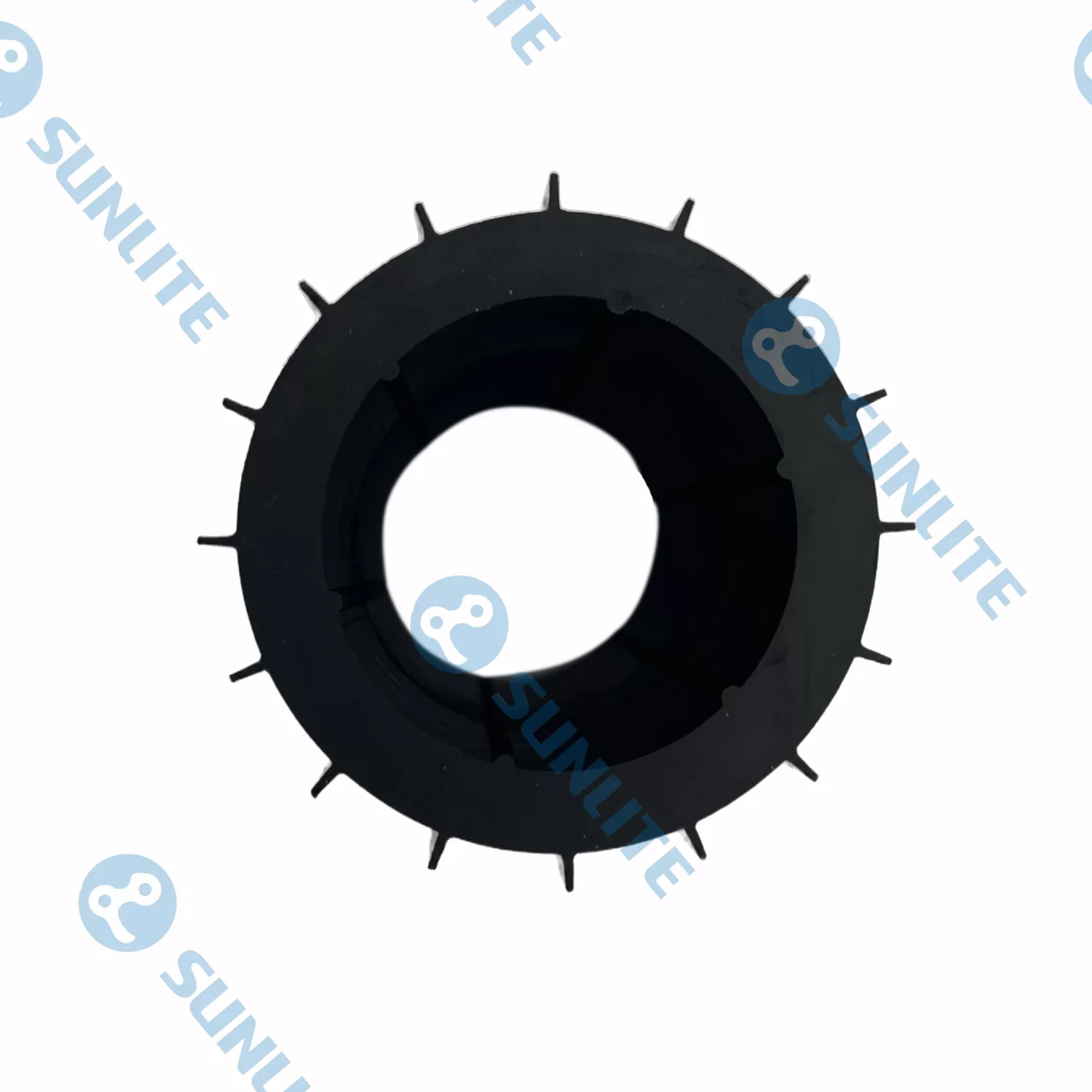
Dynamic Interaction and the Robot Roller Brush Architecture
To understand the superiority of modern designs, one must analyze the foundational architecture of the robot roller brush. Traditionally, brushes were seen as passive components that simply rotated to move debris. However, in the context of high-performance robotics, the brush is an active participant in the machine's sensory and operational feedback loop. The architecture of a resilient robot roller brush involves a central core capable of withstanding high-torque loads while maintaining a lightweight profile to minimize battery consumption. Surrounding this core is the engineered elastomer, which is often patterned with helical fins or graduated ribs.
These patterns are designed to create a localized high-pressure zone between the brush and the floor. As the robot roller brush rotates at high velocities, the rubber fins compress and expand, creating a pulsating action that dislodges embedded grit and micro-particulates. This mechanical agitation is far more effective than airflow alone. Furthermore, the elasticity of the rubber allows the brush to "swallow" larger debris without jamming, a common failure point for rigid bristle brushes. This adaptability is the hallmark of resilient engineering, allowing the robot to maintain peak performance across varied terrains—from the deep grout lines of stone tiles to the flat, polished surfaces of modern laminate flooring.
Customizing Friction with the Specialized Roller Brush for Robot Efficiency
Friction is often viewed as an enemy in mechanical engineering because it generates heat and wear. However, for a roller brush for robot applications, friction is the essential force that makes cleaning possible. The challenge lies in optimizing this friction so that it is high enough to capture debris but low enough to prevent excessive drag on the drive motor. This balance is achieved through the use of variable-shore-hardness rubbers. By layering different densities of material within a single roller brush for robot, engineers can create a tool that is soft on the outside for surface grip and rigid on the inside for structural stability.
Furthermore, the "self-cleaning" property of specialized rubberized rollers is a significant advancement in robot efficiency. Hair, carpet fibers, and industrial filaments are the primary antagonists of autonomous vacuums. In a traditional bristled roller brush for robot, these fibers wrap around the bristles, eventually choking the motor and requiring human intervention. In contrast, the smooth, non-porous surface of a rubber roller encourages these fibers to slide toward the ends of the brush or into the suction inlet, preventing tangles. This ensures that the robot's frictional profile remains consistent over time, allowing for long-duration missions without the need for manual maintenance.
Material Excellence in the NBR Robot Roller Brush Standard
When the application demands the highest level of chemical and thermal resistance, the NBR robot roller brush emerges as the industry standard. Nitrile Butadiene Rubber (NBR) is a synthetic copolymer that offers exceptional resistance to oils, greases, and household chemicals that would typically cause natural rubber to swell, soften, or disintegrate. In industrial environments where robots are tasked with cleaning up spills or navigating factory floors, the NBR robot roller brush maintains its structural integrity and its specific coefficient of friction even when saturated with hydrocarbons.
The resilience of NBR also extends to its abrasion resistance. In high-traffic environments where a robot might encounter sand, metal shavings, or glass shards, the NBR robot roller brush resists the "pitting" and "chunking" that often occurs with softer elastomers. This material longevity is vital for industrial autonomous platforms that operate 24/7. By utilizing NBR, manufacturers can guarantee that the leading edge of the cleaning fin remains sharp and effective throughout the component's lifespan. This ensures that the mechanical "strike" against the floor remains powerful, providing a deep clean that reaches into the microscopic pores of the substrate, a feat that is impossible for materials that degrade or round off prematurely.
Specialized Challenges for the Diving Robot Roller Brush
The engineering requirements for robotics take an even more demanding turn when the environment transitions from air to water. The diving robot roller brush must contend with the unique physics of the aquatic world, where buoyancy, water resistance, and biofilms create a slippery, low-friction environment. A standard terrestrial brush would simply glide over algae or silt without dislodging it. Therefore, a diving robot roller brush is often designed with a specialized "suction-cup" texture or ultra-pliant rubber fins that can displace the layer of water between the brush and the wall, creating a momentary vacuum seal.
In addition to friction management, the diving robot roller brush must be entirely resistant to osmotic pressure and the corrosive nature of chlorinated or saline water. Because water is much denser than air, the rotational drag on an underwater brush is significantly higher. Resilient engineering in this context involves creating "hydro-finned" designs that move water efficiently to aid in the robot's downward force. This helps the diving robot "stick" to vertical surfaces while the brush scrubs away stubborn bio-coatings. The synergy between the material's chemical inertness and its hydrodynamic shape allows these robots to maintain pristine conditions in swimming pools, water tanks, and industrial cooling towers without the need for draining the system.
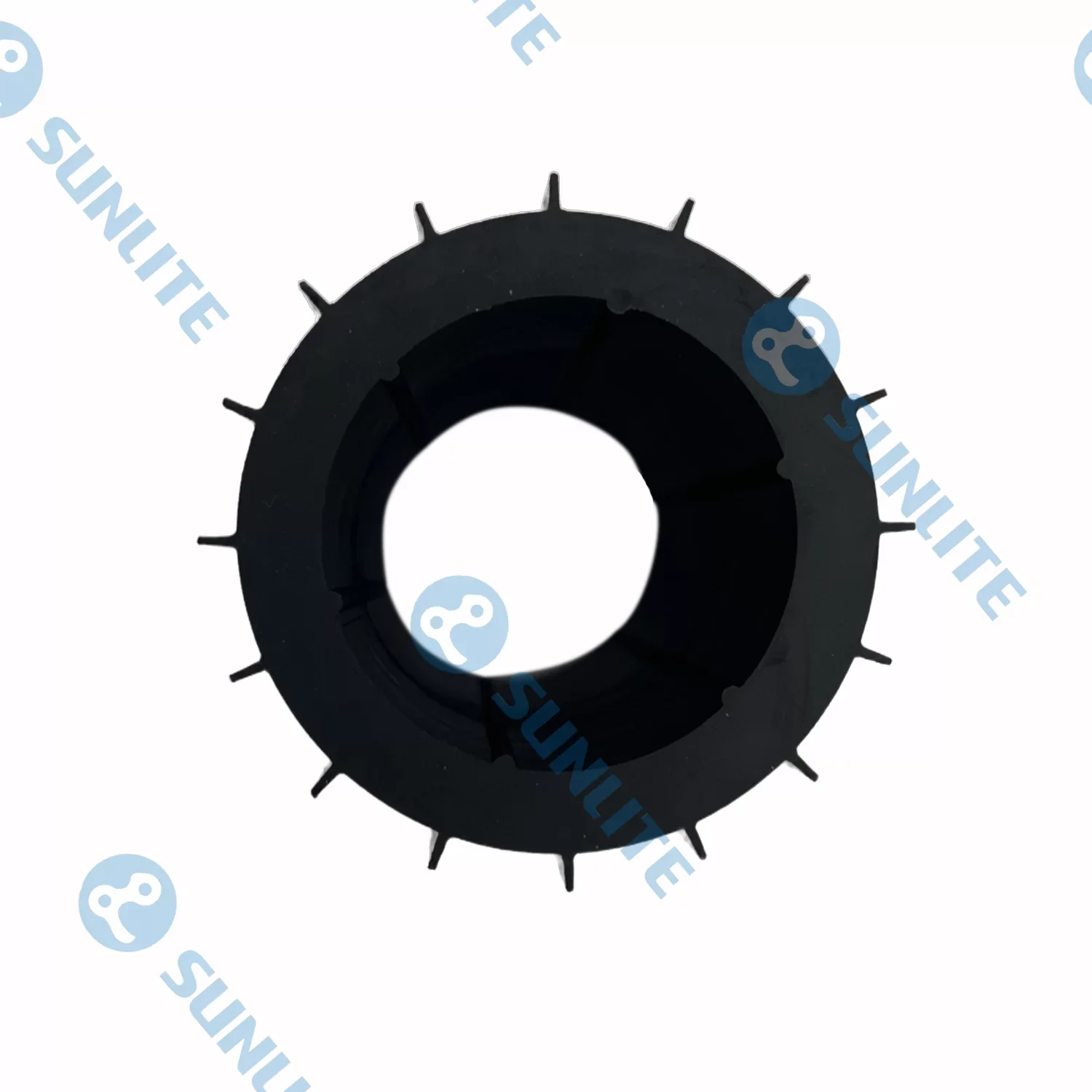
The landscape of modern robotics is defined by the relentless pursuit of mechanical endurance and operational precision.