

 Select Language
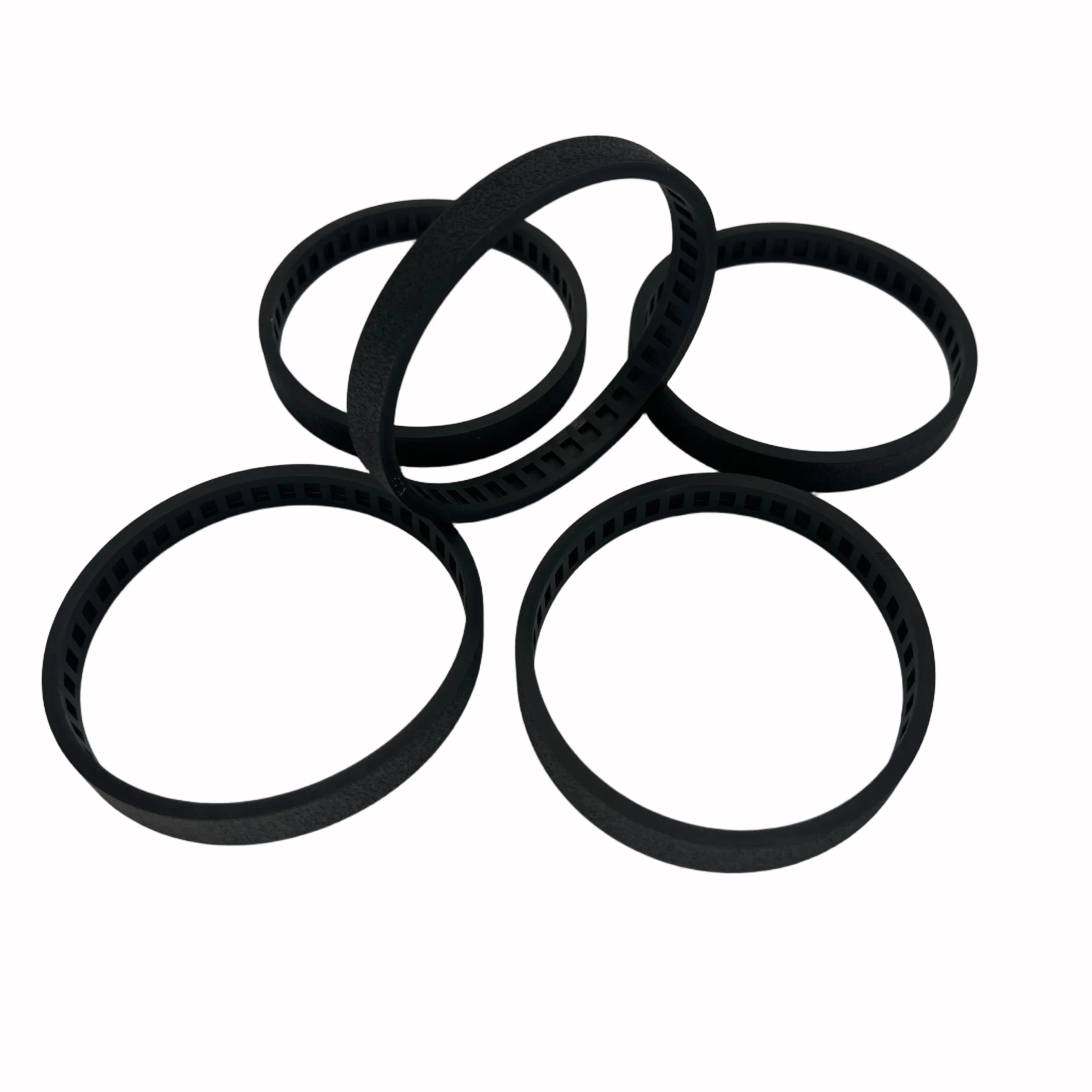
The engineering behind autonomous cleaning systems has reached a sophisticated peak where the choice of material is no longer just a secondary consideration but the primary driver of performance. In industrial and heavy-duty environments, the mechanical stress placed on a cleaning unit is immense. Standard consumer-grade plastics and basic rubbers often fail when faced with caustic chemicals, abrasive grit, and continuous duty cycles. This is why the adoption of the NBR robot roller brush has become the definitive standard for durability. Nitrile Butadiene Rubber (NBR) is a specialized synthetic copolymer that provides the unique physical resilience required to maintain a consistent cleaning edge under the most demanding circumstances.
In an industrial setting, a vacuum or floor scrubber must navigate surfaces that are far more challenging than a typical living room hardwood floor. From warehouse concrete to factory tiles coated in machine oils, the robot roller brush must act as a high-friction scraper and a debris collector simultaneously. The science of friction suggests that as a material rubs against a surface, heat and abrasion begin to degrade the structure. However, the molecular bonds within NBR are specifically designed to resist this degradation, ensuring that the brush does not lose its shape or its "bite" even after hundreds of hours of high-speed rotation.
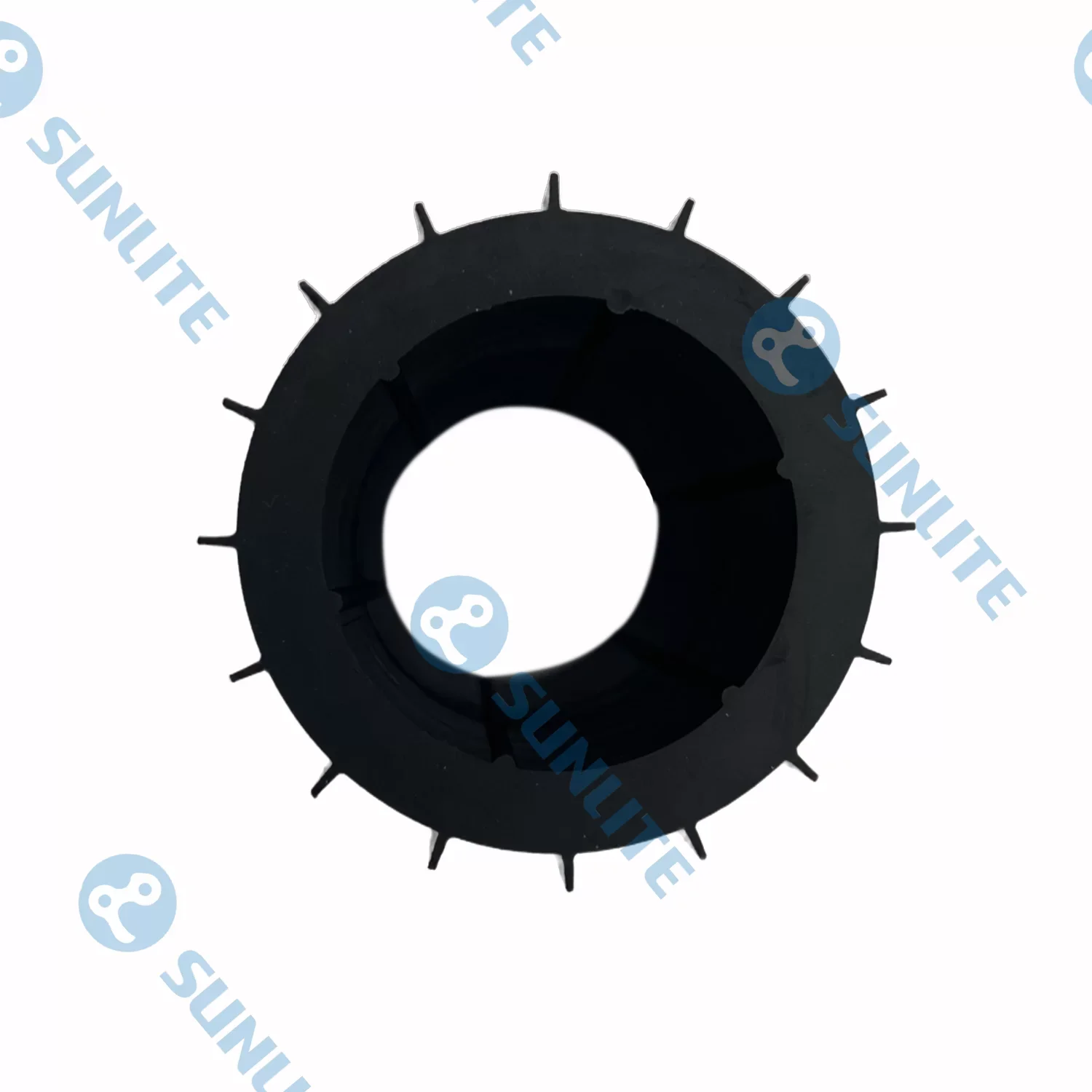
The Chemical Resilience Of The NBR Robot Roller Brush
One of the most significant threats to any robot rolling brush is chemical exposure. Industrial floors are frequently treated with heavy-duty degreasers, pH-imbalanced detergents, and in many cases, accidental spills of oils or fuels. Traditional natural rubber or thermoplastic elastomers (TPE) tend to swell, soften, or become "gummy" when they come into contact with petroleum-based substances. When a robot rolling brush loses its structural integrity, the cleaning fins become floppy and ineffective, failing to create the necessary mechanical agitation to lift dirt.
The NBR robot roller brush solves this problem through its inherent oil resistance. Nitrile rubber is a staple in the automotive and aerospace industries for gaskets and hoses specifically because it remains stable in the presence of hydrocarbons. When applied to a roller brush for robot systems, this material ensures that the cleaning fins maintain their original shore hardness. This stability is crucial because the efficiency of a brush is dependent on its ability to "flick" debris into the suction path. If the material softens due to chemical exposure, that flicking action is lost, and the cleaning efficiency drops significantly.
Mechanical Longevity Of The Rubber Roller Brush Robot Interface
Beyond chemical resistance, the physical wear-and-tear of high-speed rotation against abrasive surfaces is the silent killer of cleaning hardware. An industrial rubber roller brush robot is often subjected to "dry friction," where sand, metal shavings, or concrete dust act like sandpaper against the brush fins. NBR is prized for its exceptional abrasion resistance, meaning it can withstand millions of strikes against a rough floor without the edges of the fins rounding off.
A rounded fin on a rubber roller brush robot is essentially a failed component. The physics of a deep clean requires a sharp, leading edge to get into the crevices of grout lines or the pores of industrial flooring. Because NBR maintains its sharp profile longer than other elastomers, the "deep clean" capability of the machine remains consistent throughout its service life. This reduces the frequency of part replacements and ensures that the autonomous fleet remains operational for longer periods, which is a critical metric for industrial facility management where downtime is a significant cost.
Optimizing Friction With A High-Performance Roller Brush For Robot Efficiency
The primary task of a roller brush for robot applications is to overcome the adhesive forces that hold dust and debris to the ground. This requires a specific coefficient of friction. If the material is too slippery, it will glide over the dust; if it is too "tacky," it will create excessive drag that drains the robot's battery and potentially damages the drive motor. The engineering of an NBR robot roller brush allows for the fine-tuning of this friction.
By adjusting the acrylonitrile content within the NBR, manufacturers can create a roller brush for robot use that has the perfect balance of grip and release. This allows the brush to grab onto fine particulates while easily releasing them once they reach the vacuum's intake zone. This balance is particularly important for autonomous units that rely on consistent battery performance. A brush that generates unnecessary friction creates heat and resistance, forcing the motor to draw more current. By using NBR, engineers can optimize the mechanical energy of the system, ensuring that every watt of power is used for cleaning rather than fighting the resistance of the floor.
Structural Integrity Of The Robot Rolling Brush In Varying Temperatures
Industrial environments are rarely climate-controlled to the same standards as residential homes. A robot rolling brush might be required to work in a cold-storage warehouse at sub-zero temperatures one hour and a high-heat manufacturing bay the next. Many materials become brittle in the cold or lose their elasticity in the heat, leading to cracking or permanent deformation.
The thermal stability of the robot roller brush made from NBR is another reason for its industrial dominance. It remains flexible at low temperatures, ensuring it doesn't snap when hitting a threshold, and it maintains its tensile strength at high temperatures, ensuring it doesn't "set" in a deformed shape. This "elastic memory" is vital for the robot rolling brush because it is often stored under tension or in a compressed state within the vacuum housing. When the machine starts, the NBR fins immediately return to their optimal cleaning position, providing an instant and effective sweep from the first second of operation.
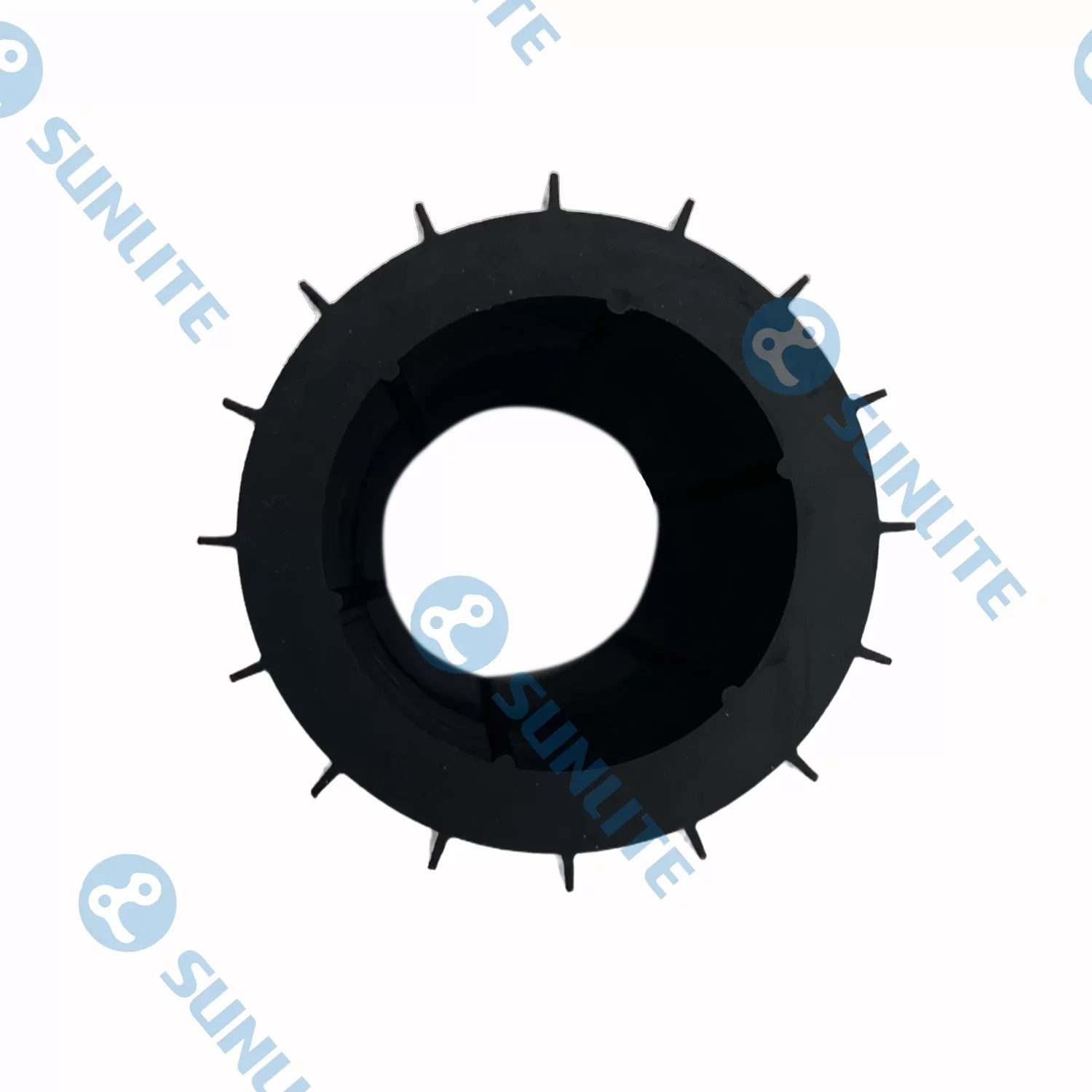
The engineering behind autonomous cleaning systems has reached a sophisticated peak where the choice of material is no longer just a secondary consideration but the primary driver of performance.