Select Language

In modern industrial environments, heavy machinery operates under intense pressure, continuous movement, and demanding production schedules. From manufacturing facilities and logistics centers to engineering workshops and automated processing plants, industrial equipment generates significant vibration and impact during operation. Without proper protection systems, these forces can damage machinery, weaken structural foundations, increase maintenance costs, and reduce operational efficiency. This is why Floor shock absorbing pads have become an important component in industrial machinery protection systems.
As industries continue to focus on equipment longevity, workplace stability, and efficient operations, vibration control technologies are receiving greater attention. Rubber-based floor protection materials are now widely used to reduce vibration transfer, absorb impact energy, and improve machine stability. Their role goes beyond simple cushioning because they directly contribute to safer operations and more reliable industrial performance.

How Floor Shock Pads Improve Machinery Stability
Industrial machinery creates dynamic movement during operation. Compressors, stamping equipment, generators, CNC systems, pumps, and conveyor lines all produce mechanical vibration that travels through floors and supporting structures. Over time, these vibrations can create stress on machinery components and surrounding infrastructure. High-quality Floor shock pads help reduce this problem by creating a flexible isolation layer between equipment and the floor surface.
Unlike rigid support materials, shock pads absorb and disperse vibration energy before it spreads into nearby structures. This reduces the impact of repetitive movement and helps stabilize machinery during operation. In facilities where equipment runs continuously, stable machine positioning is essential for maintaining production consistency and minimizing unnecessary wear.
Another important benefit of floor shock pads is their ability to reduce operational noise. Industrial environments often struggle with excessive sound generated by vibrating machinery. By limiting vibration transfer, rubber shock pads contribute to quieter working conditions and improved workplace comfort.
As manufacturing technology becomes more advanced, machinery precision has become increasingly important. Even small amounts of uncontrolled vibration can affect production quality and equipment calibration. Floor shock absorption systems help support accurate machine operation while protecting sensitive industrial components.
The Growing Importance of Vibration Damping Mats in Industrial Facilities
The demand for vibration damping mats continues to grow because industrial facilities now place greater emphasis on structural protection and operational reliability. Modern production systems rely heavily on automation and precision machinery, which makes vibration management more critical than ever before.
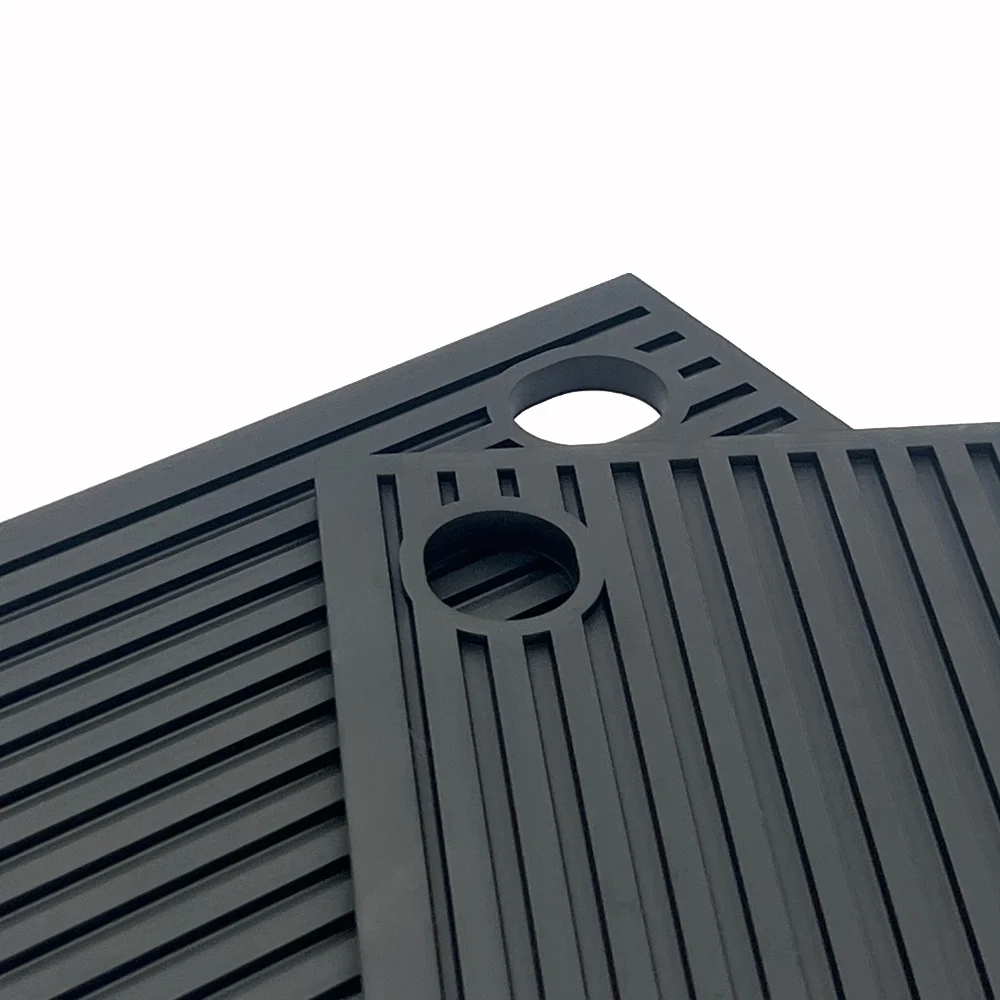
Vibration damping mats are specifically designed to reduce the transfer of mechanical energy between machinery and supporting surfaces. Their flexible structure allows them to absorb movement while maintaining load-bearing strength. This balance is especially important in facilities where heavy equipment operates under continuous stress.
Industrial buildings are also affected by long-term vibration exposure. Floors, support frames, and nearby structures can gradually weaken if vibration is not properly controlled. Damping mats help reduce this structural fatigue by isolating machinery movement from the surrounding environment.
In addition to industrial manufacturing, vibration damping materials are widely used in transportation systems, power generation facilities, warehouses, and mechanical engineering projects. Their versatility makes them suitable for a broad range of industrial applications where stability and equipment protection are priorities.
Modern facility design increasingly includes vibration management as part of long-term operational planning. Instead of treating vibration as a secondary issue, many companies now integrate damping systems directly into equipment installation processes. This proactive approach helps improve machinery lifespan and supports more efficient production environments.
Why Rubber Damping Pad Materials Are Ideal for Heavy Equipment
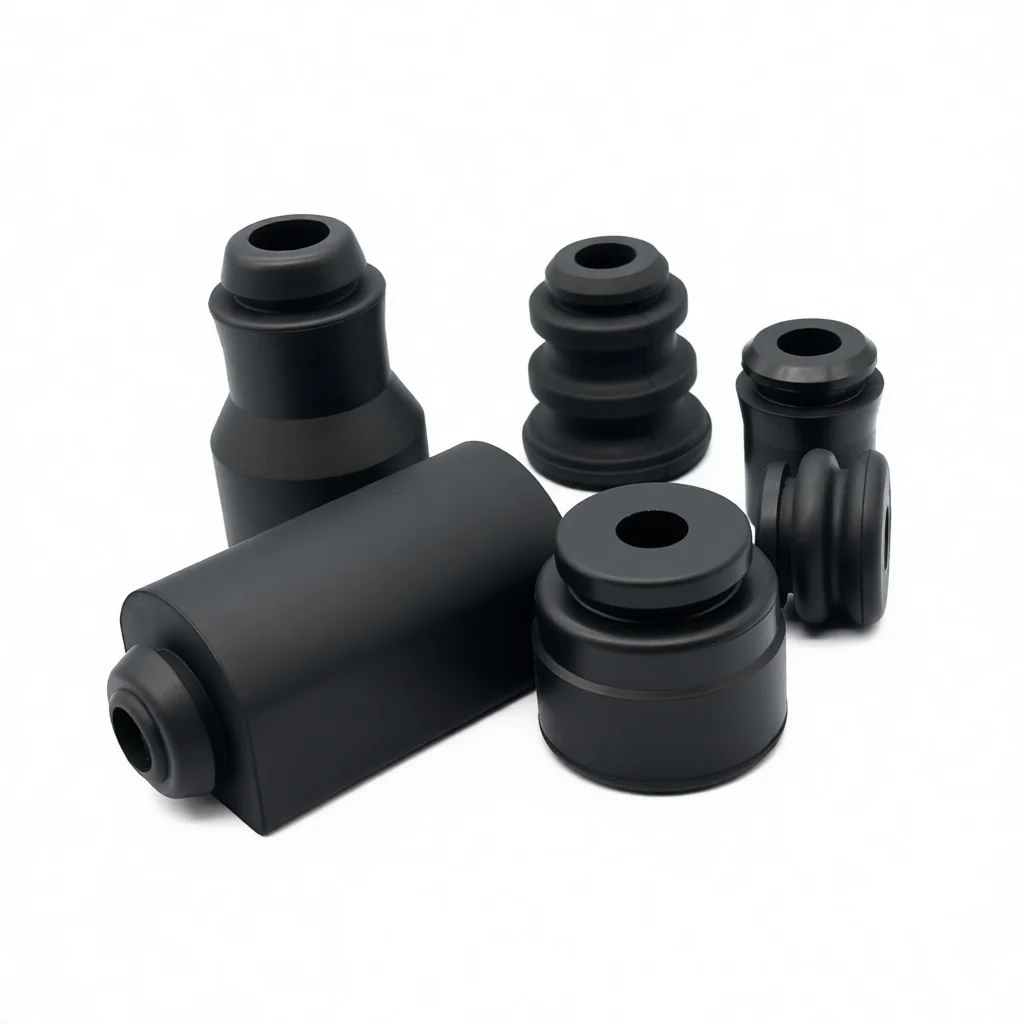
A durable rubber damping pad offers unique advantages for industrial machinery protection because rubber naturally combines flexibility with strength. This allows the material to absorb impact while maintaining consistent support under heavy loads.
Heavy machinery often produces sudden force changes during startup, shutdown, or high-speed operation. Rubber damping materials help reduce these force fluctuations by dispersing pressure and minimizing direct impact on supporting surfaces. This contributes to smoother operation and lower stress on machinery components.
One reason rubber materials are widely preferred in industrial environments is their resistance to wear and environmental exposure. Industrial facilities frequently involve moisture, oil, dust, temperature variation, and repetitive pressure cycles. High-quality rubber damping pads are designed to maintain elasticity and performance under these challenging conditions.
Rubber also provides anti-slip characteristics that improve machinery positioning. Stable equipment placement is essential in operations where movement or shifting could affect safety or production accuracy. Damping pads help keep machinery securely supported while reducing vibration-related movement.
As industries seek more reliable machinery protection systems, rubber-based vibration control products continue to gain popularity because of their durability, adaptability, and long-term performance.
Vibration Isolation Dampening Pads and Structural Protection
The role of vibration isolation dampening pads extends beyond machinery support. These materials also protect industrial infrastructure by limiting the transfer of mechanical stress into floors, walls, and surrounding structural systems.
In large manufacturing facilities, uncontrolled vibration can gradually affect building stability. Repeated mechanical movement creates long-term stress that may weaken support structures or contribute to maintenance issues. Isolation dampening pads help reduce this risk by separating machinery vibration from structural foundations.
Infrastructure protection is especially important in facilities that house multiple pieces of heavy equipment operating simultaneously. Without proper vibration isolation, machinery interaction can create amplified resonance throughout the building. Dampening systems help prevent this problem and support more stable industrial operations.
In facilities with precision manufacturing processes, vibration isolation also improves product consistency. Equipment used for cutting, measuring, molding, or automated assembly requires stable operating conditions to maintain production accuracy. Isolation pads help create controlled environments where machinery performance remains consistent.
The increasing use of advanced industrial automation has further strengthened demand for reliable vibration isolation technologies. As equipment becomes more sophisticated, maintaining stable operational conditions becomes essential for productivity and equipment protection.

In modern industrial environments, heavy machinery operates under intense pressure, continuous movement, and demanding production schedules.