Select Language
 Why Colored Rubber O Rings Matter in a Global Context
Colored rubber o rings might sound like a small detail — and to a casual observer, maybe they are. But in the world of industry, engineering, and even humanitarian efforts, these tiny, flexible seals play an outsized role. Globally, as companies and organizations face tighter regulations on quality, safety, and sustainability, having the right sealing components becomes crucial. The kaleidoscope of colors isn’t just for aesthetics — it’s often tied to functionality, material properties, or code compliance, helping ensure the right fit for the right job.
In fact, according to ISO standards, using color-coded sealing solutions helps reduce errors in assembly lines and maintenance operations worldwide. This seemingly small touchpoint feeds into larger benefits: better equipment longevity, safer machinery, and even positive environmental impact by decreasing waste from wrong parts. So, understanding colored rubber o rings isn't just an engineering curiosity; it’s a small window into global industrial efficiency and safety.
Mini Takeaway: Colored rubber o rings provide a vital link between quality assurance and operational safety worldwide — a tiny component with big impact.
Understanding Colored Rubber O Rings: What Are They?
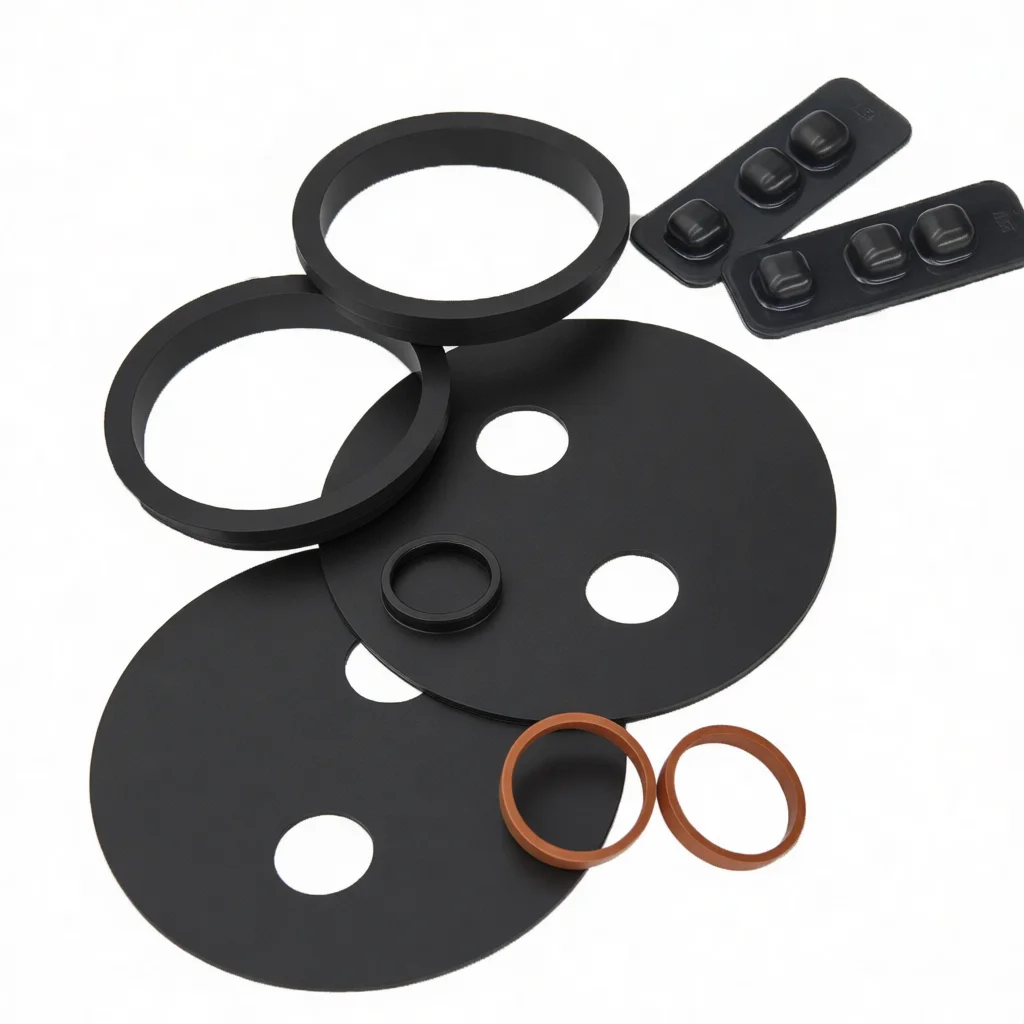
So, what exactly are colored rubber o rings? At their core, they’re circular elastomeric seals made from rubber materials—like nitrile, silicone, EPDM, or Viton—that are purposely dyed in vibrant colors during manufacturing. This coloration helps identify properties like chemical resistance, hardness, temperature range, or intended application.
In practice, these o rings create tight seals between machine parts, preventing leaks of liquids or gases under pressure. Think of them as the unsung guardians of engines, pumps, medical devices, or even spacecraft — sealing connections reliably over tons of cycles. Moreover, colored variants have expanded into sectors demanding traceability and fast visual checks, meeting growing needs in both industrial and humanitarian applications.
Colored rubber o rings also come into play in humanitarian contexts. For instance, medical devices used in remote clinics rely on these seals to maintain sterility and function, sometimes under harsh environmental conditions. It’s an intersection of engineering and life-saving tech.
Mini Takeaway: Colored rubber o rings are elastomer seals with purposeful coloring, balancing material function with practical identification needs in industry and beyond.
Key Factors Defining Colored Rubber O Rings' Effectiveness
1. Material Durability
Durability is the name of the game for o rings. Depending on the rubber type, these seals resist abrasion, heat, chemicals, or ozone differently. For example, Viton rings withstand high temperatures and aggressive fuels well, while EPDM is better for water and mild chemicals.
2. Color Coding for Identification
Color isn't just pretty — it’s a quick visual cue for workers. Some industries use color schemes mandated by standards (like aerospace or food processing) to specify material grades or application zones. This reduces cross-contamination risks and human error.
3. Size and Scalability
O rings aren’t one-size-fits-all. Their cross-sectional thickness and diameter need precision manufacturing to fit various joints. Scalability matters because from tiny medical instruments to massive industrial pumps, the same sealing principles apply.
4. Cost Efficiency
While colored rubber o rings cost slightly more than uncolored ones due to manufacturing, their safer operation and easier inventory management often save money in the long haul.
5. Resistance to Environmental Factors
Resistance to UV rays, saltwater, or extreme temperatures ensures longevity in outdoor or harsh industrial settings. Certain color pigments add to that durability, surprisingly.
| Specification | Details |
|---|---|
| Materials | Nitrile (Black, Blue), Silicone (Red, Transparent), EPDM (Green, White), Viton (Brown) |
| Temperature Range | -50°C to +250°C depending on material |
| Durometer (Hardness) | 60-90 Shore A |
| Typical Uses | Hydraulics, Automotive, Food Processing, Medical Devices |
| Color Purpose | Material ID, Application Safety, Visual Inspection |
Mini Takeaway: Colored rubber o rings aren’t just flexible little rounds; they balance material science, safety, and cost considerations that modern industry loves.
Real-World Uses Across the Globe
Colored rubber o rings have a presence far beyond what you'd guess. In Asia’s booming manufacturing zones, color-coded seals speed up assembly lines producing electronics and automotive parts. Meanwhile, in European food processing plants, green EPDM rings signal food-grade seals to avoid contamination.
In humanitarian aid, these rings find their way into water purification units and portable medical pumps — crucial in post-disaster relief zones like Southeast Asia or Africa. Precision-matched sealing prevents failures in harsh, remote environments where replacing parts isn’t straightforward. You might not hear about them on the nightly news, but they silently keep vital systems operational when the stakes are high.
A notable example: an NGO installing field hospitals after a typhoon in the Philippines reported how quick identification of colored o rings helped technicians replace seals during downtime, cutting delays significantly.
Vendor Comparison: Leading Colored Rubber O Rings Suppliers
| Supplier | Material Range | Color Options | Customization | Typical Lead Time |
|---|---|---|---|---|
| SunliteTek | Nitrile, Silicone, EPDM, Viton | 10+ standard colors | Color & size bespoke options | 2-3 weeks |
| SealPro Corp. | Nitrile, Silicone | 5 colors | Limited custom colors | 4-5 weeks |
| GlobalSealers Ltd. | EPDM, Viton, Neoprene | 8 colors | Custom sizes only | 3-4 weeks |
Mini Takeaway: Choosing the right vendor depends on your precise material needs, color flexibility, and timing — for many, a supplier like SunliteTek strikes the right balance.
Why Invest in Colored Rubber O Rings? The Long-Term Benefits
- Enhanced Safety: Color coding reduces human error during assembly and maintenance, guarding against costly and dangerous leaks.
- Cost Savings: Improved identification and durability lower downtime and replacement costs, which adds up over years of operation.
- Sustainability: Longer-lasting seals mean less waste and fewer raw materials used over time.
- Trust & Reliability: Industrial customers and field workers alike gain peace of mind with consistent quality and easy verification on site.
This combination makes colored o rings not just a functional necessity but also a business strategy that translates into social and environmental responsibility.
Looking Ahead: Trends and Innovations in Colored Rubber O Rings
Looking forward, the field of sealing solutions is evolving rapidly. There’s a growing push for bio-based rubbers and non-toxic pigments that preserve performance without environmental drawbacks. Automation in manufacturing means tighter tolerances and automated color verification, which further reduces errors. Digital tracking with embedded RFID chips alongside color coding is also emerging to future-proof supply chains.
We’re also seeing the rise of custom compound blends, mixing materials with tailored hardness and chemical resistance for cutting-edge applications from electric vehicles to solar energy systems. It feels like colored rubber o rings are quietly gearing up for the green and digital revolutions.
Challenges & Solutions Facing Colored Rubber O Rings Today
No product is perfect, and colored rubber o rings have their quirks. Pigmentation can sometimes affect the chemical resistance or physical properties if not carefully controlled. Plus, not every application has standardized color codes, leading to potential confusion.
Experts recommend partnering closely with suppliers who do rigorous testing per industry standards and offer custom matching of color and compound. Some solutions include dual coding — color plus printing or RFID — to double down on identification.
Frankly, a proactive approach to procurement and quality control makes all the difference here.
Frequently Asked Questions About Colored Rubber O Rings
- What materials are best for colored rubber o rings in high-temperature environments?
- Viton-based rings, often brown, are ideal for high heat (up to 250°C) and chemical exposure. Silicone (red or transparent) is also used but typically for slightly lower temps. Always check your specific operating conditions before choosing.
- Can I get custom colors to match corporate branding?
- Yes, many suppliers including SunliteTek offer custom color matching services for orders above minimum quantities, blending pigments to meet your exact needs.
- Do colored o rings cost significantly more than standard black ones?
- Usually, the price difference is small, ranging from 5-15%. The savings in installation safety and easier inventory control often outweigh the extra cost.
- How durable are colored rubber o rings in outdoor applications?
- Properly selected colored rubber o rings with UV-resistant compounds can last years outdoors, though exact lifespan depends on exposure intensity and material quality.
- Are colored rubber o rings recyclable?
- Rubber recycling can be challenging, but progress is underway. Some manufacturers use eco-friendly compounds enabling easier recycling. It’s wise to consult your supplier regarding disposal recommendations.
Conclusion: Sealing the Future with Confidence
Colored rubber o rings may seem like a tiny piece in the vast machinery of global industry and humanitarian aid, but their impact is fundamental. By combining smart color coding with material durability, they improve safety, reduce costs, and support sustainability — all of which are key in today’s fast-evolving world. If you’re looking to ensure your projects or operations run smoothly and reliably, explore the options and innovations at SunliteTek. The right seal really does make all the difference.
References:
1. ISO Standards on O-ring Seals
2. Wikipedia: O-ring
3. UNIDO Industrial Statistics on Global Manufacturing Efficiency

Why Colored Rubber O Rings Matter in a Global Context C […]