Select Language
 Chloroprene O Ring: Why It’s More Critical Than You Think
At first glance, a chloroprene o ring might sound like just another industrial seal. But if you zoom out, it’s actually a tiny hero keeping major machines, infrastructure, and life-saving equipment fully operational worldwide. Whether it’s the fuel systems in aerospace, water pipelines in cities, or even in humanitarian relief gear, understanding chloroprene o rings means understanding durability and trust on an international scale. Stick around, and I promise you’ll see why industries and governments alike care more than you’d expect.
Introduction: A Global Look at the Role of Chloroprene O Rings
Globally, the push for more reliable, sustainable, and safe industrial components has never been greater. According to ISO, performance criteria for sealing materials influence millions of dollars in manufacturing and infrastructure projects annually.
And here’s the kicker: failures in o rings cause around 30-40% of industrial leaks, costing industries billions. This is where chloroprene o rings offer an edge — they provide resilience where others falter, especially in harsh environments affected by chemicals or temperature extremes.
So the problem at hand? Ensuring machines and systems worldwide don’t suffer costly downtime or cause environmental hazards because of subpar sealing solutions.
What Exactly Is a Chloroprene O Ring?
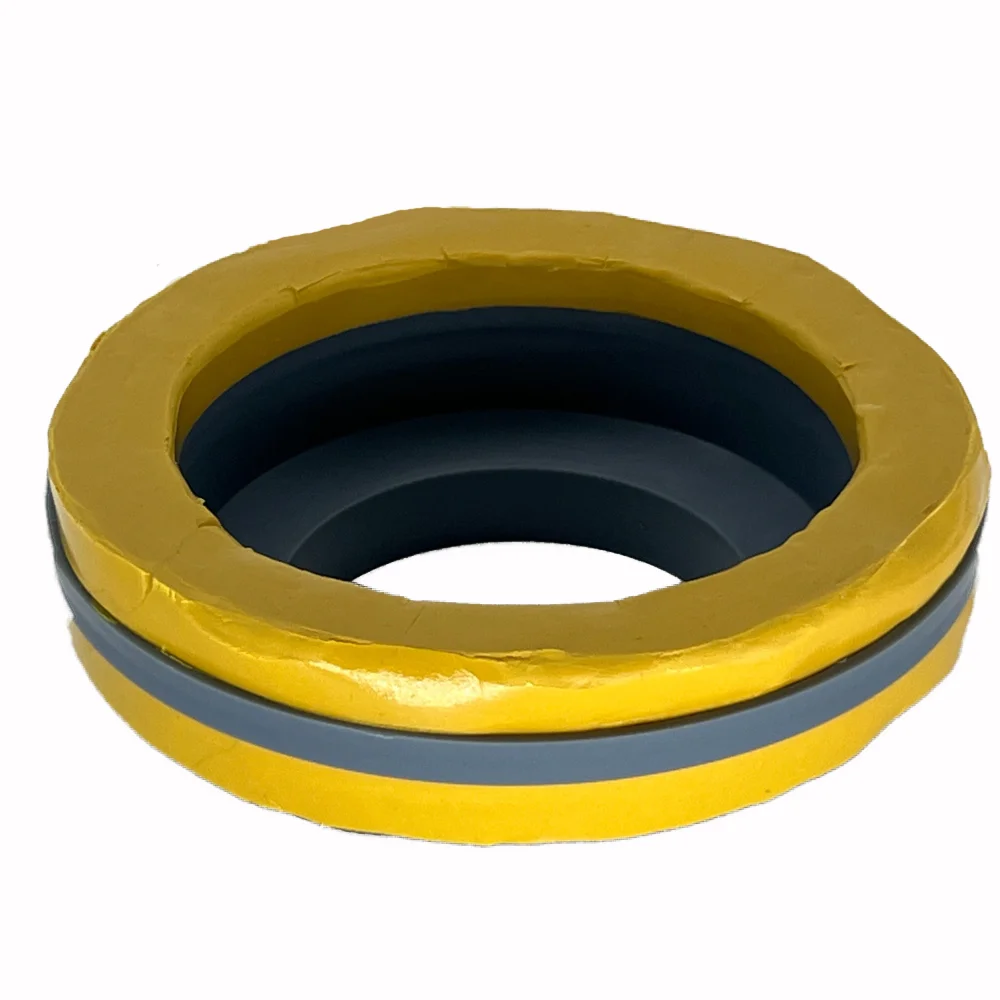
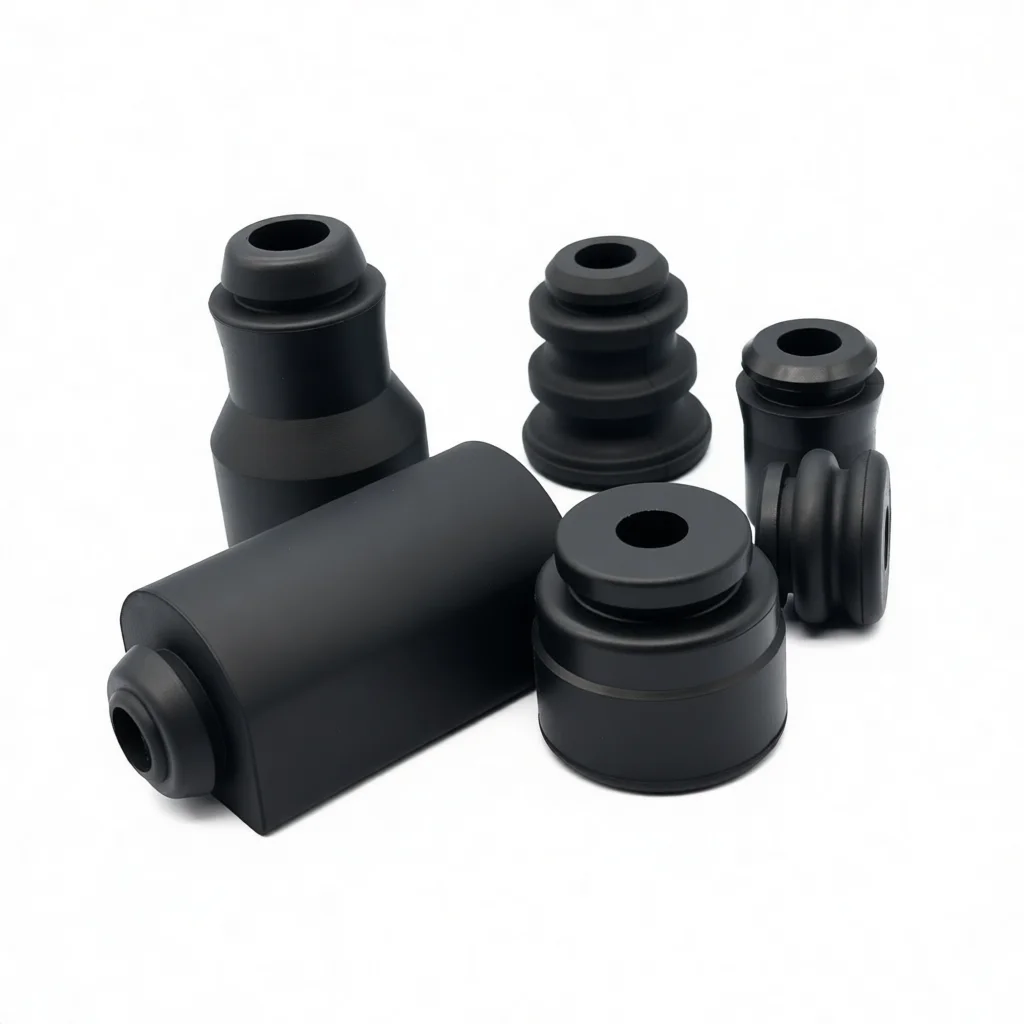
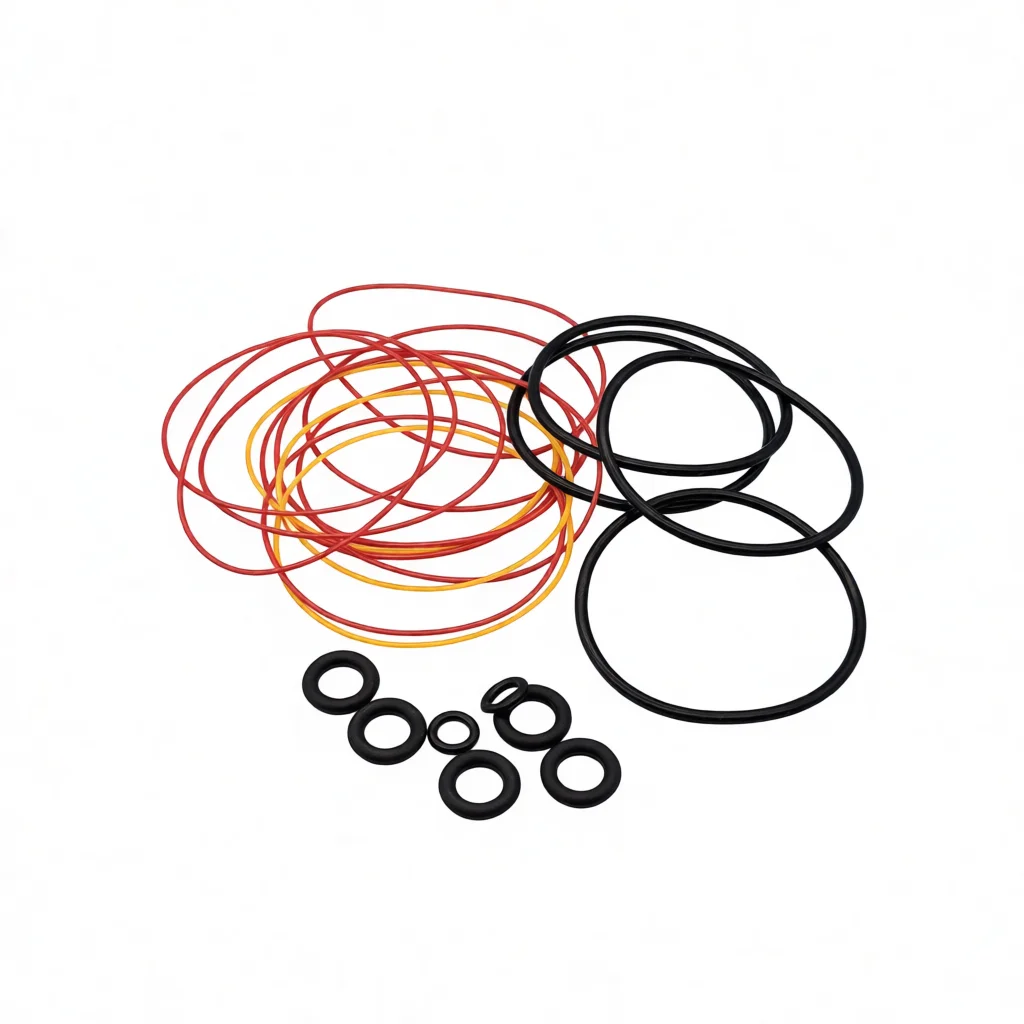
In simple terms, a chloroprene o ring is a donut-shaped gasket made from chloroprene rubber (also known as neoprene). This synthetic rubber was developed in the 1930s and is prized for its resistance to weathering, oils, and moderate chemicals. Think of it as a flexible barrier designed to create a seal between parts, preventing leaks and contamination.
Its connection to modern industry spans industries ranging from petrochemical plants to medical devices, even to the housing of sensitive electronics in remote regions. Given how often things depend on seamless seals, chloroprene o rings quietly play a vital part in everything from safety equipment to everyday machines.
Key Factors That Make Chloroprene O Rings So Reliable
1. Durability
These o rings handle wear and tear better than your average rubber. Resistant to abrasion, they withstand exposure to ozone and UV light. This means they don’t degrade quickly outdoors or in demanding industrial settings — a must-have trait in remote oil rigs or heavy manufacturing plants.
2. Chemical Resistance
Chloroprene resists many acids, alkalis, and hydrocarbons. So, industries like automotive or marine engineering count on them where other seals might snap or dissolve.
3. Temperature Flexibility
They comfortably operate between roughly -40°C to +120°C, sometimes beyond with special formulations. This temperature tolerance is crucial — think extreme weather or engines running hot.
4. Cost Efficiency
Compared to higher-end synthetic rubbers that serve niche roles, chloroprene o rings deliver a robust performance-to-price ratio. They’re often the “sweet spot” in budget-conscious projects requiring reliability.
5. Ease of Customization
Manufacturers can tailor these o rings’ sizes, durometers (hardness), or compound formulas to niche applications — whether for food-grade use or heavy-duty industrial valves.
Summary Mini-Takeaway
Durability, chemical resilience, temperature range, cost, and customization — these pillars make chloroprene o rings trusted staples in harsh or unpredictable environments.
Global Applications & Real-World Use Cases
It’s fascinating how broadly chloroprene o rings appear. For example:
- Water Supply Systems in Asia: Municipal pipelines use chloroprene seals to prevent leaks even under shifting soil and temperature changes.
- Automotive Manufacturing in Europe: Used in fuel system components where chemical resistance is paramount.
- Disaster Relief Equipment: Emergency water purification units rely on robust sealing to maintain sanitary water flow during crises, especially in regions prone to flooding.
- Aerospace & Defense: Fuel lines and hydraulic systems need seals that won’t fail under pressure and temperature swings.
Oddly enough, NGOs working in disaster zones find these rings invaluable since a tiny part like this can mean the difference between clean water and contamination.
Chloroprene O Ring: Product Specification Table
| Specification | Chloroprene O Ring Typical Range |
|---|---|
| Material | Chloroprene (Neoprene) Rubber |
| Temperature Range | -40°C to +120°C (up to +140°C optional) |
| Hardness (Durometer) | 55–75 Shore A |
| Tensile Strength | > 9 MPa |
| Chemical Resistance | Oil, Fuel, Ozone, Weathering, Acids & Alkalis (Moderate) |
| Typical Applications | Seals, gaskets, hydraulic systems, valves |
How Different Vendors Stack Up: A Simple Comparison
| Vendor | Product Range | Customization Level | Typical Lead Time | Price Range |
|---|---|---|---|---|
| SunliteTek | Wide (Standard & Custom Sizes) | High (Compound & Dimensions) | 2–3 Weeks | $$$ |
| RubberMaster | Moderate (Mostly Standard) | Medium (Dimensions Only) | 1–2 Weeks | $$ |
| SealFast Co. | Narrow (Limited Custom) | Low | 1 Week | $ |
Why Focus on Chloroprene O Rings? Advantages and Lasting Value
It feels like when you pick one of these o rings, you’re investing in more than just a small rubber circle. There’s an inherent value in reliability, which means fewer unexpected outages and lower maintenance costs. Plus, they contribute to sustainability by lasting longer — less frequent replacements mean fewer materials consumed.
On a human level, consider this: reliable seals prevent hazardous leaks, protect ecosystems, and ensure clean water or fuel reaches where it’s needed. For industries, it’s about trust — knowing that a 50-cent component won’t cause millions in damages or safety risks.
What’s Next? Future Trends & Innovations
The rubber industry is not standing still. There’s a growing push towards eco-friendly chloroprene alternatives and enhanced formulations with better chemical and temperature resistance. Automation in manufacturing also improves consistency and speeds up custom orders — that’s great news for small projects needing quick turnaround.
Software and sensor integration is creeping into sealing tech as well, with “smart” o rings embedded with monitoring capabilities poised to revolutionize predictive maintenance.
Challenges and How Industry Experts Are Tackling Them
Yet, no product is perfect. Chloroprene o rings can suffer from swelling when exposed to certain solvents and sometimes underperform in highly acidic or alkaline environments. Experts often recommend hybrid compounds or layered sealing solutions for tougher conditions. Also, the challenge of balancing cost and performance remains a fine art.
Research into new composites and recycling programs are part of the industry’s answer to sustainability concerns.
Frequently Asked Questions About Chloroprene O Rings
- Q: How do chloroprene o rings differ from other rubber seals like EPDM or Viton?
- A: Chloroprene offers a balanced mix of weather, ozone, and chemical resistance at a moderate cost, whereas EPDM excels in heat and weather resistance but less chemical resistance, and Viton performs better in harsh chemicals but is costlier.
- Q: Can chloroprene o rings be used in food or pharmaceutical equipment?
- A: Yes, with food-grade formulations, chloroprene o rings are suitable for non-oily applications in food and pharma but always check certifications and approvals.
- Q: What is the typical lifespan of a chloroprene o ring in industrial use?
- A: Depending on operating conditions, they can last between 3 to 7 years, sometimes longer with proper maintenance and environment control.
- Q: Are chloroprene o rings easy to replace in existing machines?
- A: Generally, yes. Their flexibility and common sizing make replacement straightforward for maintenance engineers.
Conclusion: Why Chloroprene O Rings Deserve Your Attention
In closing, chloroprene o rings are a quietly powerful tech story — small but mighty elements ensuring machines and safety-critical systems run smoother, longer, and with less risk. Their global reach from urban infrastructure to remote emergency relief work cements their place as a go-to sealing solution.
If you want to explore options or get specialized advice, I highly recommend starting with trusted suppliers like chloroprene o ring experts. Your projects — and machines — will probably thank you.
References

Chloroprene O Ring: Why It’s More Critical Than Y […]