Select Language
 What Exactly Is the Blue Rubber Ring and Why Should We Care?
At first glance, you might wonder: "blue rubber ring? What’s so special about this simple item?" But beneath its straightforward name lies a product with indispensable applications spanning industrial, environmental, and humanitarian fields worldwide. The blue rubber ring is more than just a band of colored elastomer — it’s a symbol of durability, adaptability, and safety in often demanding situations.
Globally, industries face increasing pressure to innovate with materials that last longer, resist chemicals, and maintain integrity under tough conditions. The blue rubber ring fits snugly in this ecosystem, offering benefits ranging from sealing and vibration dampening to environmental protection — crucial for everything from oil pipelines to water treatment plants. Understanding the nuanced roles this simple object plays unlocks greater appreciation for how we keep machinery reliable and environments safe.
The Big Picture: Blue Rubber Ring’s Global Footprint
Let’s zoom out for a second. According to the International Organization for Standardization (ISO), elastomeric components, including rubber rings, represent a multi-billion-dollar segment vital for industrial reliability. Considering sectors like automotive, manufacturing, and water management alone, demand for specialized sealing solutions has surged roughly 7% annually in recent years.
Yet with such demand comes challenges — harsh chemical exposure, extreme temperatures, and wear! Industrial plants worldwide grapple with frequent maintenance costs due to seal failures. And in sectors like humanitarian relief or remote infrastructure, reliability isn’t just a cost factor; it could mean the difference between functioning water systems or catastrophic disruptions.
Enter the blue rubber ring: that small, unassuming tool standing guard at the interface of machine parts, piping, and environmental seals, mitigating risk and improving system longevity.
Defining the Blue Rubber Ring: More Than Just a Seal
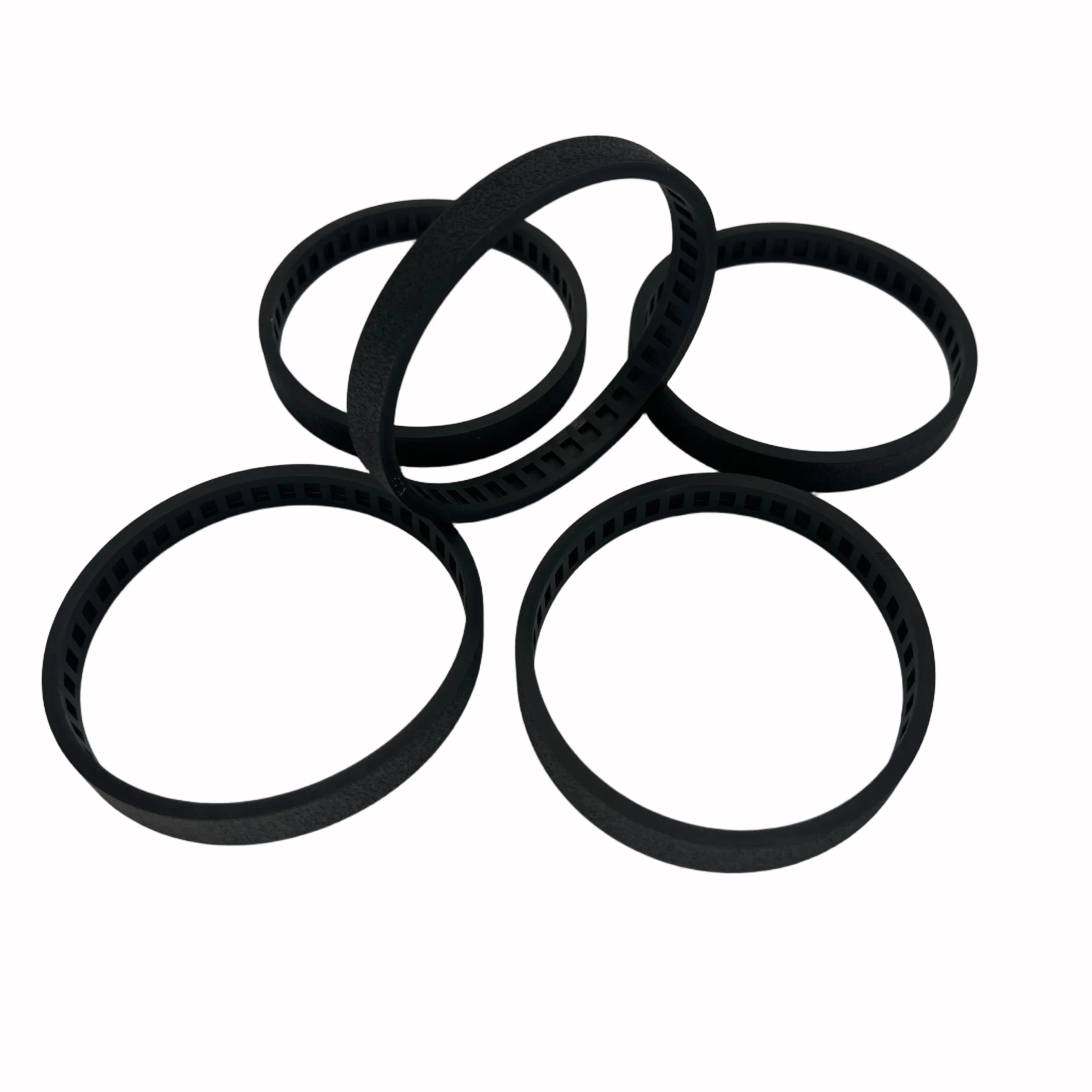
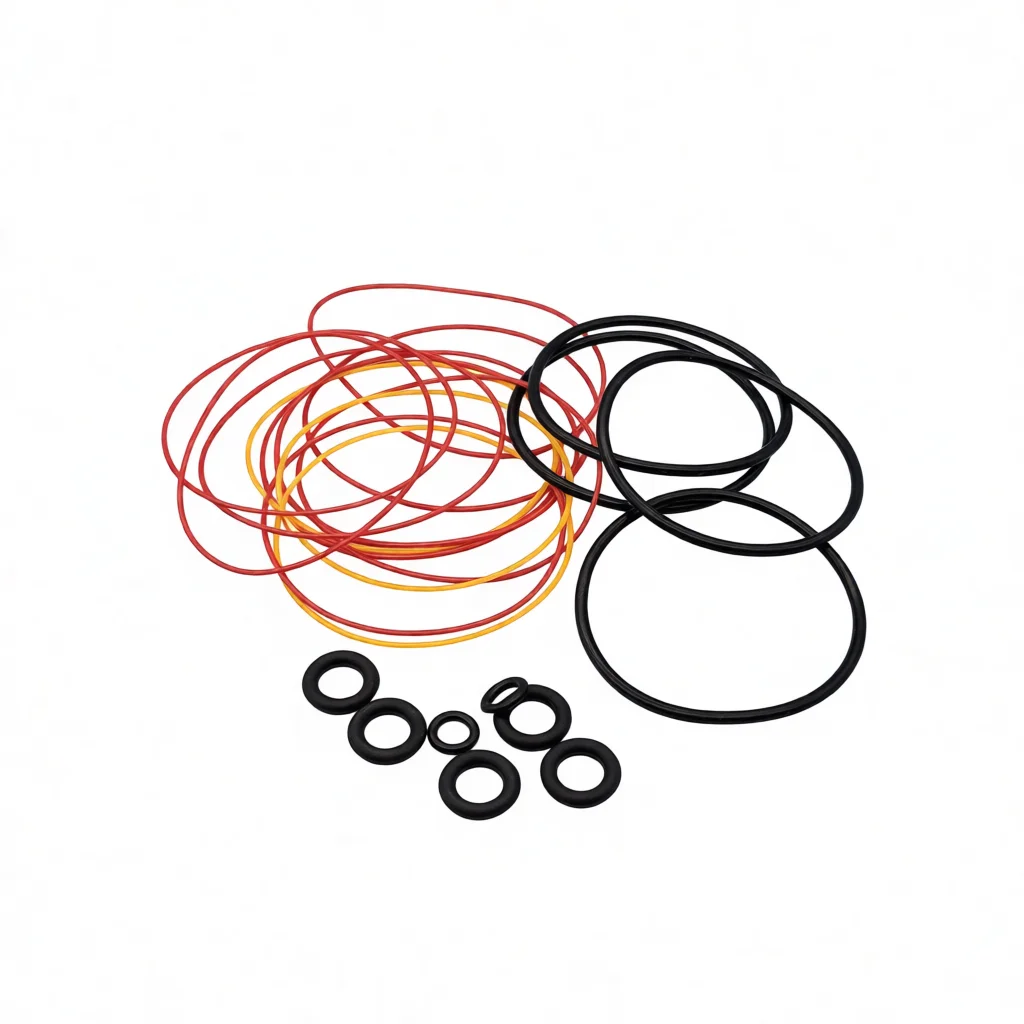
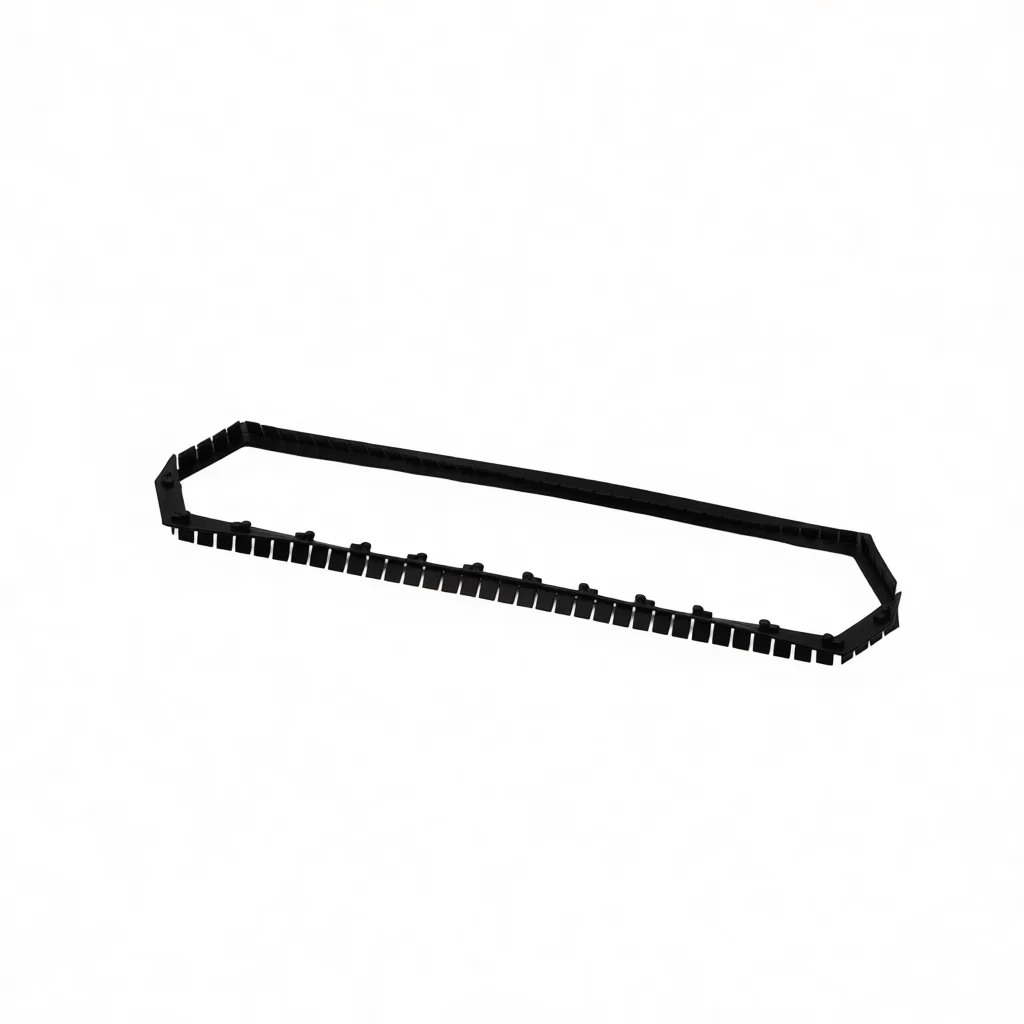
Simply put, a blue rubber ring is an elastomeric gasket or seal designed to fit into grooves between metal surfaces to prevent leakage of fluids or gases. Usually made from synthetic rubber compounds dyed unmistakably blue, these rings offer enhanced visibility during inspections (a non-negligible safety feature).
They stand out in industries needing high resistance to oils, chemicals, or extreme weather conditions. Think of it this way — if your water system is leaking or your factory’s hydraulic line isn’t sealing properly, the right blue rubber ring might be the unsung hero quietly fixing the problem.
On a humanitarian angle, these seals also appear in emergency water kits, pumps, and machinery that aid disaster relief, ensuring the equipment runs without interruption.
Core Qualities That Make These Rings Tick
1. Durability & Chemical Resistance
Blue rubber rings typically use nitrile (NBR) or EPDM compounds, resisting oils, acids, and many solvents. This means they outlast generic seals in harsh environments, reducing replacement cycles — a practical win for maintenance teams.
2. Temperature Range
These rings can comfortably operate from roughly -40°C to +120°C, covering most industrial applications. For anyone dealing with hot steam pipes or frozen outdoor equipment, this range offers a stress-free seal.
3. Visibility & Inspection Ease
The striking blue color isn’t just for aesthetics. Quick visual checks let technicians identify seals immediately, speeding up maintenance rounds and reducing downtime — which is invaluable in mission-critical sectors.
4. Elasticity & Compression Set
Elastic resilience is key — these rings must endure constant compression and rebounding without deforming permanently. This keeps the seal intact and functional over years, even under vibration or pressure fluctuations.
5. Cost Efficiency
While not always the cheapest, blue rubber rings strike a balance: longer lifespans mean fewer replacements, and less unexpected downtime. Over time, they’re often more economical than generic seals.
Mini takeaway: The blue rubber ring’s magic lies in durable material chemistry combined with practical design choices like color-coding, which together translate to dependable sealing solutions worldwide.
How and Where Are Blue Rubber Rings Making a Difference?
- Water Treatment Plants: Across Europe, blue rubber rings seal pipes carrying potable water, ensuring no contaminants seep in — a public health cornerstone.
- Oil & Gas Industry: In harsh offshore rigs from the North Sea to the Gulf of Mexico, seals endure corrosive environments, preventing costly leaks.
- Humanitarian Relief Kits: UN agencies often rely on rugged seals in portable pumps and filtration devices distributed in disaster zones.
- Automotive Manufacturing: From braking systems to fluid reservoirs, blue rubber rings maintain tight seals crucial for vehicle safety and efficiency.
- Renewable Energy: Solar panel mounts and wind turbine assemblies increasingly feature these seals to combat weathering.
One instance I recall reading about involved a African NGO that used sealed pumps equipped with blue rubber rings to provide clean water post-flooding — a small part that made a huge difference in public health outcomes.
Advantages That Stand the Test of Time
Frankly, it’s not just about physical properties. Blue rubber rings spell reliability and trust for industries and communities. Here’s why:
- Cost Savings: Fewer replacements and less downtime equals tangible money saved, year on year.
- Sustainability: Durable materials reduce waste, and many manufacturers now focus on eco-friendlier compounds.
- Social Impact: Reliable seals in water and sanitation equipment ensure safety and dignity where it matters most.
- Innovation & Safety: Color-coded components add a layer of intuitive safety checks.
Looking Ahead: Blue Rubber Rings and Emerging Innovations
With the global push towards greener manufacturing and smarter systems, blue rubber rings aren’t left behind. Advanced compounds using bio-based elastomers and nano-enhanced materials promise enhanced lifespan and reduced environmental footprint.
Automation in industry also demands seals that integrate seamlessly with sensors detecting wear or shift — digital transformation is changing even the most humble rubber parts.
Challenges & How Experts Are Tackling Them
No product is perfect. Blue rubber rings sometimes face issues like swelling in certain chemical exposures or gradual hardening under UV rays. Manufacturers are researching blends and surface treatments to overcome these.
Also, in ultra-high-pressure environments, seals must be paired with robust housings — a systems approach rather than a simple part swap. Engineers often collaborate with suppliers to customize solutions specific to their plant’s unique conditions.
FAQ: Answering Your Burning Questions about Blue Rubber Rings
- Q: What makes the blue rubber ring better than generic black seals?
- A: Aside from easier visual inspection, blue rubber rings typically use specialized elastomers offering improved chemical and temperature resistance, translating to longer life and reliability in critical applications.
- Q: Can blue rubber rings be used in food-grade or medical environments?
- A: Yes, many are designed to meet FDA or NSF standards. Always check product certifications, but their non-toxic, durable nature makes them a common choice in potable water and medical devices.
- Q: How often should blue rubber rings be replaced in industrial settings?
- A: Replacement cycles vary widely depending on exposure, usage, and conditions but expect anywhere from 3 to 10 years of effective service with proper maintenance and inspection.
- Q: Are these rings customizable in size or material?
- A: Absolutely. Vendors often provide tailored sizes and compound formulations to meet specific operational requirements, especially for niche industries.
Product Specification Table
| Feature | Specification |
|---|---|
| Material | Nitrile (NBR) / EPDM blend |
| Color | Standard Blue (Pantone 286 C) |
| Temperature Range | -40°C to +120°C (-40°F to 248°F) |
| Chemical Resistance | Oil, acids, alkalis (varies by grade) |
| Hardness (Shore A) | 65-75 |
| Tensile Strength | >15 MPa |
Vendor Comparison Table
| Vendor | Material Options | Special Certifications | Lead Time | Price Range |
|---|---|---|---|---|
| SunLiteTek | NBR, EPDM, Silicone | ISO 9001, FDA Compliant | 2-3 Weeks | Mid |
| Global Elastomers | NBR Only | RoHS Certified | 1 Week | Low |
| PrimeSeal Co. | EPDM, Fluorocarbon | ATEX Approved | 4 Weeks | High |
Wrapping It Up: Why Blue Rubber Rings Matter Long-Term
After all, it’s a small part with a hefty role — the blue rubber ring quietly safeguards critical systems globally. From water safety in cities to reliable machinery on oil rigs and sanitization kits in disaster zones, these seals blend chemistry, design, and practical engineering to create value that's more than the sum of its parts.
If you’re in the market for high-quality, durable rings that combine smart material choices with field-proven reliability, exploring the offerings at SunLiteTek could be the next step for your operation.
In real terms, investing in better sealing solutions today pays off tomorrow — less downtime, fewer leaks, and a smarter footprint on our environment.
References:

What Exactly Is the Blue Rubber Ring and Why Should We […]