Select Language
 Heat Resistant Silicone O Rings: Essential Seals for High-Temperature Applications
In a world increasingly reliant on advanced manufacturing and harsh-environment machinery, heat resistant silicone O rings quietly play a critical role. These little, flexible seals may not be household names, but frankly, they're vital for safe, efficient, and durable operations in sectors from automotive to aerospace. Understanding how heat resistant silicone O rings function—and why they matter globally—helps businesses optimize machinery longevity and prevent costly failures. Plus, as industries pivot towards sustainability and tougher materials, these seals offer a fascinating glimpse into the intersection of material science and practical engineering.
Global Context of Heat Resistant Silicone O Rings
The heat resistant silicone O rings market is growing steadily, driven by rising industrial automation and tougher regulatory standards worldwide. According to ISO standards on sealing solutions and data from the World Bank’s manufacturing sector reports, industries exposed to extreme temperatures—think power plants or oil refineries—see a 15–25% reduction in downtime thanks to improved sealing technology.
Oddly enough, despite their small size, these rings solve a huge challenge: preventing leaks and maintaining pressure where heat would otherwise degrade lesser materials. In global supply chains and humanitarian machinery, failure isn't just costly; it can underpin broader safety risks.
Mini takeaway: Heat resistant silicone O rings are essential for industries requiring reliable seals in high-temp or chemically aggressive settings worldwide.
Defining Heat Resistant Silicone O Rings
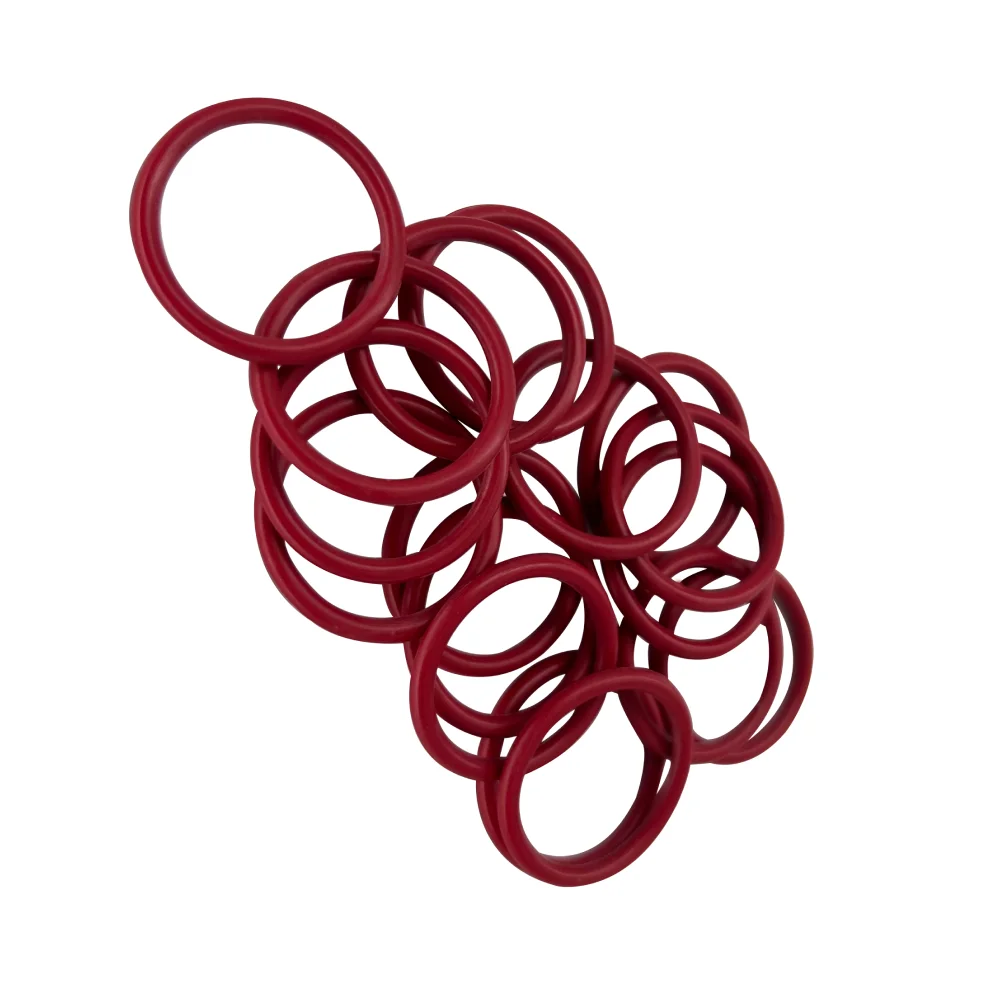
Put simply, heat resistant silicone O rings are circular seals made from silicone rubber specifically engineered to withstand elevated temperatures without losing elasticity or structural integrity. Their design focuses on creating a tight seal between two components, preventing leaks of fluids or gases, especially under heating conditions that would degrade standard rubber parts.
Linked directly to modern manufacturing and humanitarian engineering, these O rings enable equipment to operate safely in hot environments—from engines running at hundreds of degrees Celsius, to industrial valves in chemical plants, and even medical devices sterilized by heat.
Key Properties of Heat Resistant Silicone O Rings
1. Durability and Heat Tolerance
Silicone can typically handle temperatures from approximately -60°C up to +230°C, sometimes higher with specialty grades. This resilience means they maintain their sealing performance without cracking or shrinking over time, critical for machines running day and night under intense heat.
2. Chemical Resistance
Besides heat, these O rings resist many oils, water, and mild acids, making them versatile. Though not universal—strong solvents can still damage them—they cover a wide range of industrial chemicals.
3. Flexibility and Compression Set
One reason silicone works well is its ability to compress and then rebound, sealing gaps tightly without permanently deforming—a property known as low compression set. This flexibility is key in dynamic environments where parts vibrate or shift.
4. Cost Efficiency
While specialty grades can cost more upfront than standard rubber, the reduced maintenance, fewer replacements, and improved safety pay back handsomely long-term.
5. Temperature Range Adaptability
Custom silicone compounds allow tuning for ultra-high or low temps, aiding scalability across industries like aerospace or electronics.
Typical Product Specifications
| Specification | Typical Value | Notes |
|---|---|---|
| Material | Silicone Rubber (VMQ) | High purity for heat stability |
| Temperature Range | -60°C to +230°C | Extended range possible |
| Hardness (Shore A) | 60–70 | Optimized for flexibility and seal |
| Compression Set | Maintains seal integrity | |
| Chemical Resistance | Good for oils, water, mild acids | Not recommended for strong solvents |
Vendor Comparison for Heat Resistant Silicone O Rings
| Vendor | Temperature Range | Price Range | Customization | Lead Time |
|---|---|---|---|---|
| SunliteTek | -60°C to 230°C+ | $$$ | Full custom shapes & sizes | 2–3 weeks |
| HeatSeal Co. | -50°C to 200°C | $$ | Standard sizes only | 1–2 weeks |
| SiliconPro | -70°C to 220°C | $$$ | Custom grades available | 3–4 weeks |
Global Applications & Use Cases For Heat Resistant Silicone O Rings
Industries worldwide leverage these seals in many surprising ways. In the automotive sector, for instance, engine parts that operate at high temperatures rely heavily on these O rings to maintain fuel and coolant systems integrity. In aerospace, parts exposed to extreme thermal cycles demand superior seals to avoid catastrophic failures.
Oddly enough, even humanitarian relief efforts—where temporary infrastructure must withstand harsh conditions—use heat resistant silicone O rings in mobile water purification systems or field medical equipment, ensuring reliability when lives depend on it.
Mini takeaway: From high-tech manufacturing in North America to disaster relief in Southeast Asia, heat resistant silicone O rings provide critical sealing solutions against temperature and chemical stresses.
Advantages & Long-Term Value of Using Heat Resistant Silicone O Rings
- Cost Savings: Reduced replacement frequency and downtime improve operational budgets.
- Sustainability: Longevity means fewer parts consumed and less waste.
- Safety & Trust: Preventing leaks ensures worker safety and regulatory compliance.
- Innovation: Enables new tech designs that push thermal limits.
Future Trends & Innovations
The future looks bright for heat resistant silicone O rings, especially as green energy sectors demand seals that can tolerate sustainable fuels and batteries operating at higher temperatures. Digital manufacturing, including 3D printing of silicone parts, promises rapid prototyping and customization. Emerging composites may further extend temperature limits or add self-healing properties.
Challenges & Solutions
It’s not all smooth sailing: heat resistant silicone O rings sometimes struggle with extreme chemical exposures outside their tolerance, or mechanical abrasion in dynamic seals. Experts suggest combining silicone with other materials in layered seals or employing coatings that extend lifespan. Increased collaboration between manufacturers and end-users helps tailor solutions directly to challenging environments.
FAQ: Frequently Asked Questions About Heat Resistant Silicone O Rings
Q1: What temperature ranges can silicone O rings reliably handle?
Typically, heat resistant silicone O rings withstand temperatures from about -60°C up to 230°C, with some specialty compounds tolerating even higher. Always check specs specific to your application for safety.
Q2: Can heat resistant silicone O rings be used in contact with oils or fuels?
Yes, most silicone O rings handle oils and fuels moderately well, though prolonged exposure to strong solvents may degrade them. Alternative materials might be better for harsh chemicals.
Q3: How do I choose the right Silicone O ring size or shape?
It depends on the groove design, pressure conditions, and temperature. Consulting with suppliers who offer customization ensures optimal sealing performance.
Q4: Are silicone O rings environmentally friendly?
They have a longer lifespan but are not biodegradable. Responsible disposal and recycling programs help minimize environmental impact.
Q5: How can organizations source high-quality silicone O rings internationally?
Partnering with reputable manufacturers like SunliteTek ensures quality, certifications, and reliable shipping worldwide.
Conclusion
To wrap up, heat resistant silicone O rings form the backbone of many essential sealing applications across industries globally. Their durability, chemical resistance, and thermal stability deliver tangible benefits like cost reduction, enhanced safety, and sustainability. Whether for cutting-edge aerospace or field medical devices, they keep systems leak-free and trustworthy.
If you want to explore tailored heat resistant silicone o rings for your needs, or just dive deeper, visit SunliteTek and discover how these small, often overlooked components can make a big difference.
It’s the kind of detail that engineers notice—once you start thinking about it, you realize how indispensable it really is.
References

Heat Resistant Silicone O Rings: Essential Seals for Hi […]