Select Language
 The Curious Case of the Orange Rubber Ring: More Than Just a Seal
If you’ve ever peeked inside industrial machinery, plumbing, or even emergency relief packages, you might have come across the humble yet indispensable orange rubber ring. Though its unassuming appearance might make it easy to overlook, this simple component plays a surprisingly vital part in countless systems globally. Understanding these rings isn’t just for engineers or procurement specialists — it reflects a wider story about reliability, efficiency, and sometimes even humanitarian aid. Let’s dive into why this bright little seal matters more than you might think.
Global Context: Why the Orange Rubber Ring Matters Worldwide
Globally, billions of systems rely on sealing solutions that prevent leaks, contamination, and equipment failure. According to ISO 3601 standards on O-rings, synthetic rubber seals like the orange rubber ring ensure system reliability across automotive, aviation, agriculture, and industrial sectors alike. In fact, leaking seals contribute to roughly 10% of costly maintenance issues worldwide. That’s billions of wasted dollars, time, and resources annually. Beyond industry, emergency relief efforts use color-coded rubber rings to standardize equipment or mark specific parts for quick deployment. For example, orange rubber ring sightings in medical kits or water purification units are common thanks to their visibility and durability.
Oddly enough, the bright orange color — far from a random choice — enhances recognition under low light and helps differentiate materials, a simple fix to an ongoing challenge in complex environments like disaster zones or remote industrial sites.
Mini takeaway:
- Orange rubber rings are globally standardized, critical for leak prevention and safety.
- Their color and material selection are strategic, designed for performance and visibility.
What Exactly Is an Orange Rubber Ring?
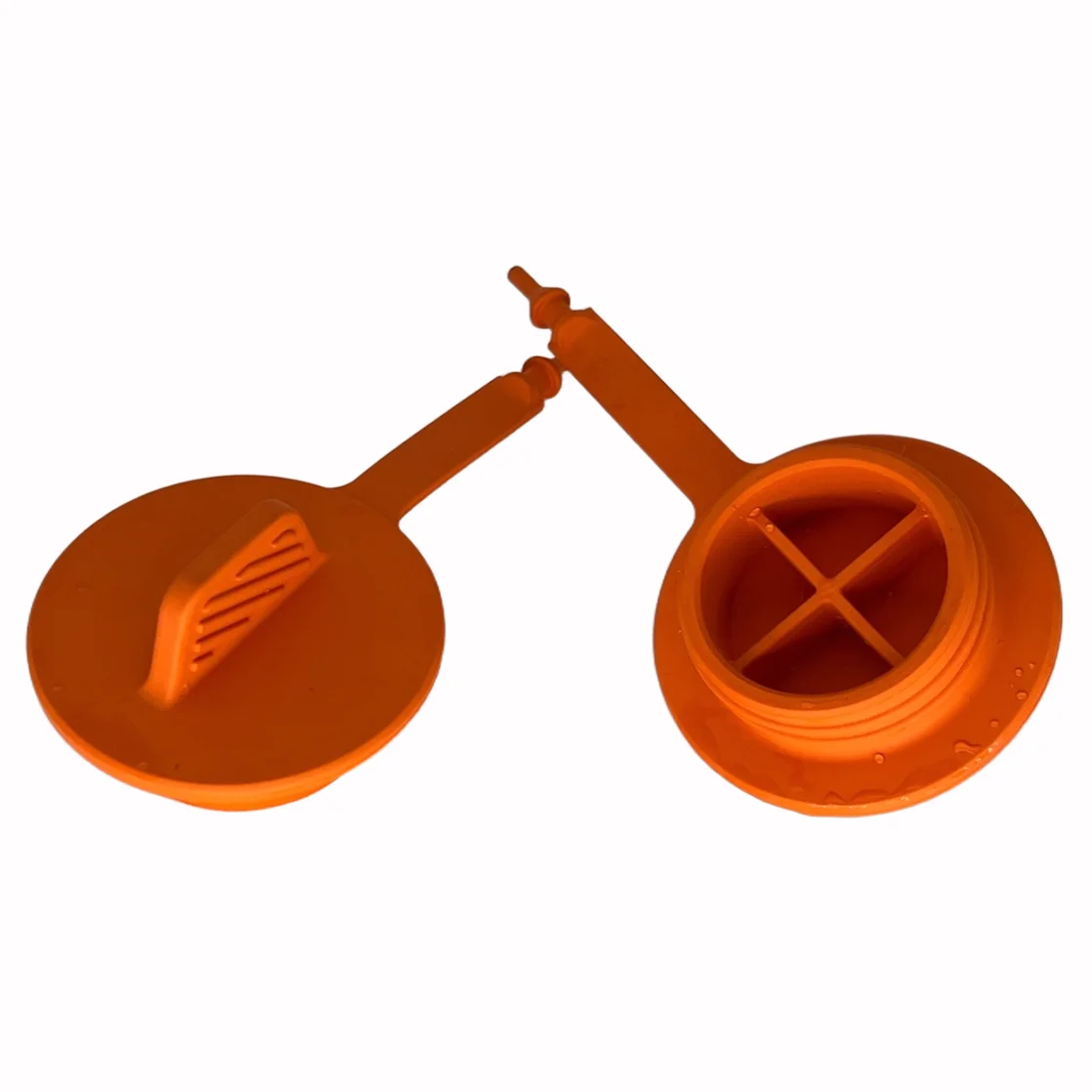
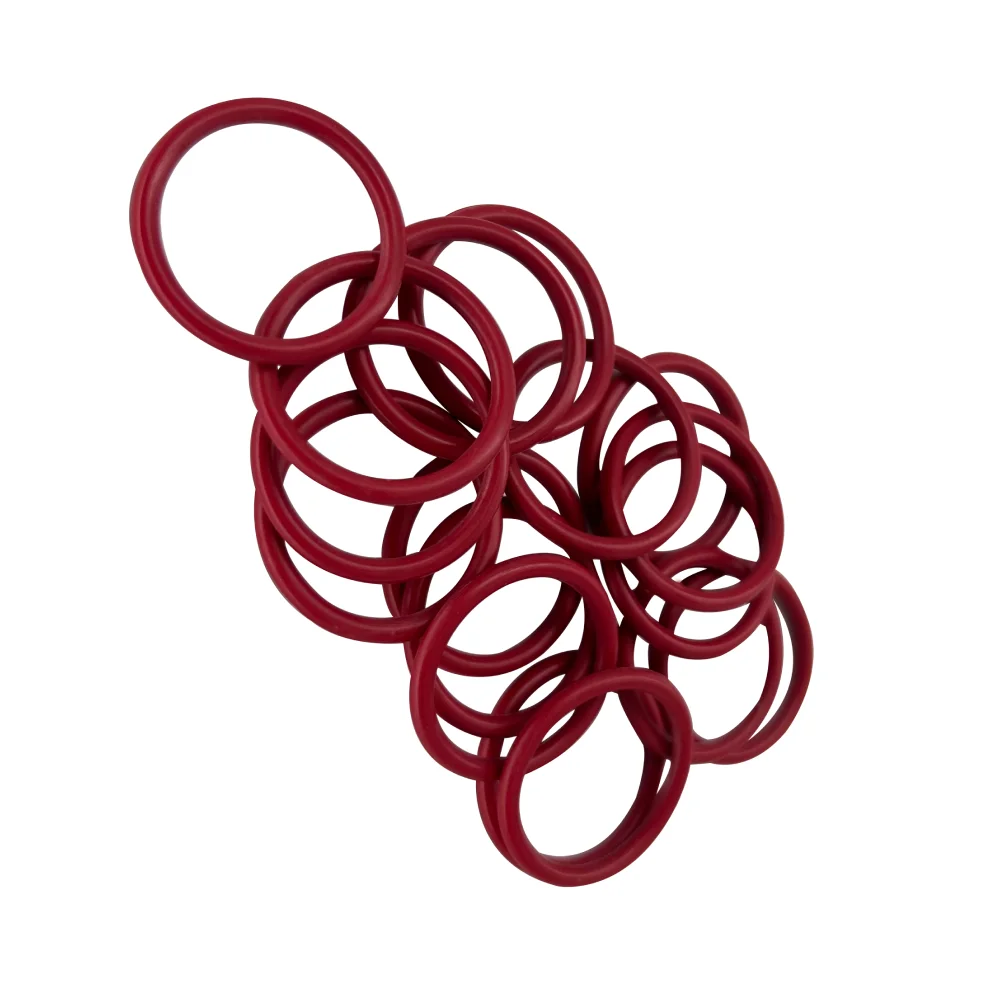
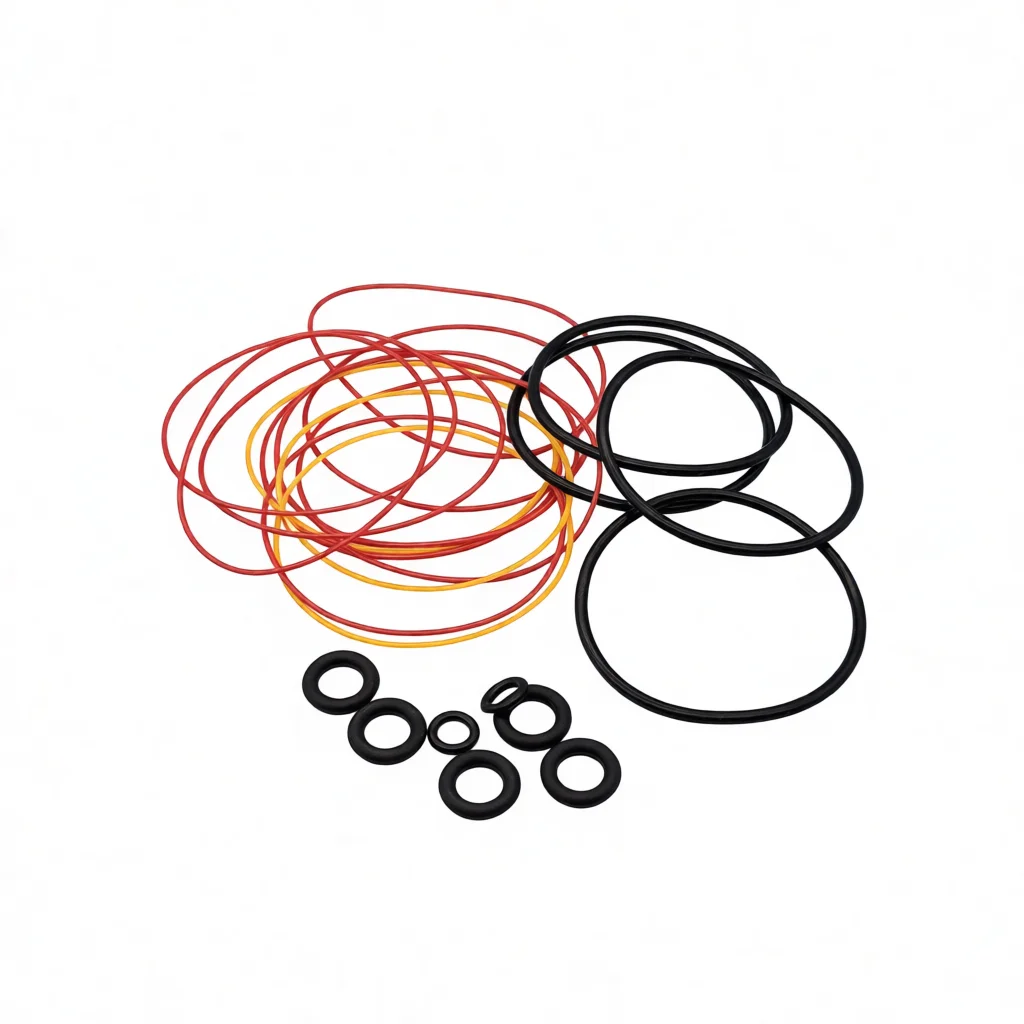
In essence, an orange rubber ring is a type of sealing gasket, often an O-ring, made from synthetic rubber compounds such as silicone or Viton, dyed or formulated to appear in orange. These rings create hermetic seals inside machinery or equipment by compressing between parts, preventing liquids or gases from escaping where components connect. The “orange” descriptor often hints at a specific rubber formula optimized for certain temperature tolerances, chemical resistance, or mechanical flexibility. For industries relying heavily on maintenance efficiency, being able to identify a seal by color saves time — a real game-changer.
On a humanitarian front, organizations value these rings for creating reliable seals in water filtration units or medical devices, where failure isn’t an option.
Mini takeaway:
- Orange rubber rings are color-coded seals, often silicone-based, used for durability and identification.
- They balance flexibility with resistance to heat, chemicals, and pressure.
Key Features That Define Orange Rubber Rings
1. Durability and Chemical Resistance
Most orange rubber rings are made from synthetics like silicone, fluorosilicone, or Viton, celebrated for resisting oils, acids, and extreme temperatures (-60°C to 230°C roughly). This durability makes them ideal in automotive engines or aerospace hydraulics.
2. Visibility and Identification
The striking orange color improves visibility in dim or cluttered environments — in factories or emergency kits alike — helping technicians quickly recognize and replace them without confusion.
3. Elasticity and Seal Integrity
Rubber's intrinsic elasticity ensures a snug fit, maintaining seal integrity even when parts shift under vibration or thermal expansion.
4. Cost Efficiency
While specialized compounds may push costs higher than generic O-rings, the resulting longevity and performance drastically reduce downtime and maintenance expenses.
5. Customization and Standardization
Manufacturers offer a wide dimension range and durometers (hardness) to fit specific machine requirements, adhering to international norms for interchangeability.
Mini takeaway:
- Orange rubber rings marry toughness with innovative design to serve high-demand environments.
- They balance quality and cost for practical, long-term operation.
Typical Applications of Orange Rubber Rings Worldwide
So, where do these orange rubber seals show up? Pretty much everywhere.
- Industrial Machinery: Hydraulic pumps, valves, and air compressors routinely use orange rings to ensure tight seals against fluid leaks.
- Medical and Emergency Equipment: Sterile water filters, oxygen tanks, and surgical tool assemblies often have sealing elements marked by vivid orange rings.
- Automotive and Aerospace: Their resistance to temperature and chemicals makes orange rings favorites in engine gaskets and aerospace hydraulic systems.
- Humanitarian Operations: Water purification units used by NGOs in disaster zones sometimes rely on color-coded orange rubber rings for easy assembly and quality control.
Regions with heavy industrial activity like North America, Europe, and parts of Asia consume millions of these annually. Meanwhile, relief organizations operating in Africa and Southeast Asia prize their ruggedness under challenging conditions.
Mini takeaway:
- Orange rubber rings feature widely in industrial, medical, automotive, and humanitarian contexts.
- Their visibility and reliability make them invaluable across climates and sectors.
Advantages and Lasting Value of Orange Rubber Rings
In real terms, what do users get with these seals?
- Trustworthy Performance: Reduced leakage means fewer accidents, less contamination, and longer equipment life.
- Cost Savings: Longer service intervals equal lower maintenance bills.
- Safety and Dignity: In medical or water systems, preventing leaks preserves hygiene and respect.
- Sustainability: Durable seals reduce waste generation and resource use.
- Peace of Mind: Knowing that a tiny orange ring holds back a flood or hazardous leak? Priceless.
Orange Rubber Ring Specifications at a Glance
| Characteristic | Typical Range | Notes |
|---|---|---|
| Material | Silicone, Viton, Fluorosilicone | Selected for chemical & heat resistance |
| Color | Bright Orange (Pantone approx. 1505C) | For quick visual identification |
| Temperature Range | -60°C to 230°C (-76°F to 446°F) | Depends on rubber type |
| Hardness (Durometer) | 40–70 Shore A | Flexibility vs durability balance |
| Sizes | 1 mm to 150 mm inner diameter | Custom options available |
Comparing Leading Vendors of Orange Rubber Rings
| Vendor | Material Options | Price Range (USD) | Customization | Global Reach |
|---|---|---|---|---|
| SealPro Inc. | Silicone, Viton | $0.10–$1.50 per piece | Yes, sizes and hardness | NA, EU, Asia |
| FlexiSeal Global | Fluorosilicone, Silicone | $0.12–$2.00 per piece | Custom colors/material blends | Worldwide |
| OrangeSeal Solutions | Specialized silicone blends | $0.15–$2.50 per piece | OEM specific orders | EU, US, Asia-Pacific |
What Lies Ahead: Innovations and Trends in Orange Rubber Rings
Look out for advances in bio-based rubber materials that maintain heat and chemical resistance but reduce environmental footprint. Also, smart seals embedded with sensors are emerging, allowing real-time leak detection to prevent failures before they happen. Digital inventory and QR-coding integrated onto colored rings might soon help maintenance teams track replacement parts seamlessly. Given global pushes towards sustainability and Industry 4.0, the orange rubber ring is quietly evolving.
Common Challenges and How They Are Tackled
Even the best rubber rings face issues like degradation in ultra-harsh chemical environments or material fatigue over years. Sourcing the right grade can be confusing, and color fading might mislead quick ID efforts. However, modern formulations and coatings extend lifespan, and vendor certifications help buyers pick authentic specs. Expert engineers advise regular testing and stock rotation to keep these seals performing reliably.
FAQ: Your Orange Rubber Ring Questions Answered
Q1: How do orange rubber rings differ from standard black O-rings?
A1: Orange rubber rings typically have specific chemical or temperature resistance properties, plus their color aids quick identification in complex assemblies. Standard black O-rings are usually general-purpose and may not meet the same rigorous performance criteria.
Q2: Can orange rubber rings be used in food or medical applications?
A2: Yes, many silicone-based orange rubber rings are FDA-compliant and suitable for sterile environments, making them common in medical devices and food processing equipment.
Q3: What is the best way to maintain orange rubber rings in heavy machinery?
A3: Regular inspection, cleaning with compatible solvents, proper lubrication, and replacing per manufacturer-recommended intervals are key to maintaining seal integrity.
Q4: Are custom sizes and hardness levels expensive?
A4: While custom specs cost a bit more upfront, they significantly reduce risks of leaks and equipment downtime, saving money in the long run.
Q5: How do I source orange rubber rings internationally?
A5: Work with trusted OEM suppliers or distributors familiar with international shipping, compliance, and customs clearance to ensure quality and timely delivery.
Wrapping Up: Why Investing in Orange Rubber Rings Pays Off
The simple orange rubber ring represents a big win for industries and humanitarian efforts worldwide. Its blend of durability, visibility, and customization ensures operations run smoothly, equipment lasts longer, and safety stays front and center. Next time you open a device or a medical kit and spot that colorful seal, you’ll know — that’s smart engineering, quietly working hard.
For the best solutions, visit our website: https://www.sunlitetek.com.
References

The Curious Case of the Orange Rubber Ring: More Than J […]