

 Select Language
Under normal conditions, transparent silicone rubber products exhibit excellent weather resistance and anti-aging performance. Even after several years of storage, they typically do not show obvious yellowing.
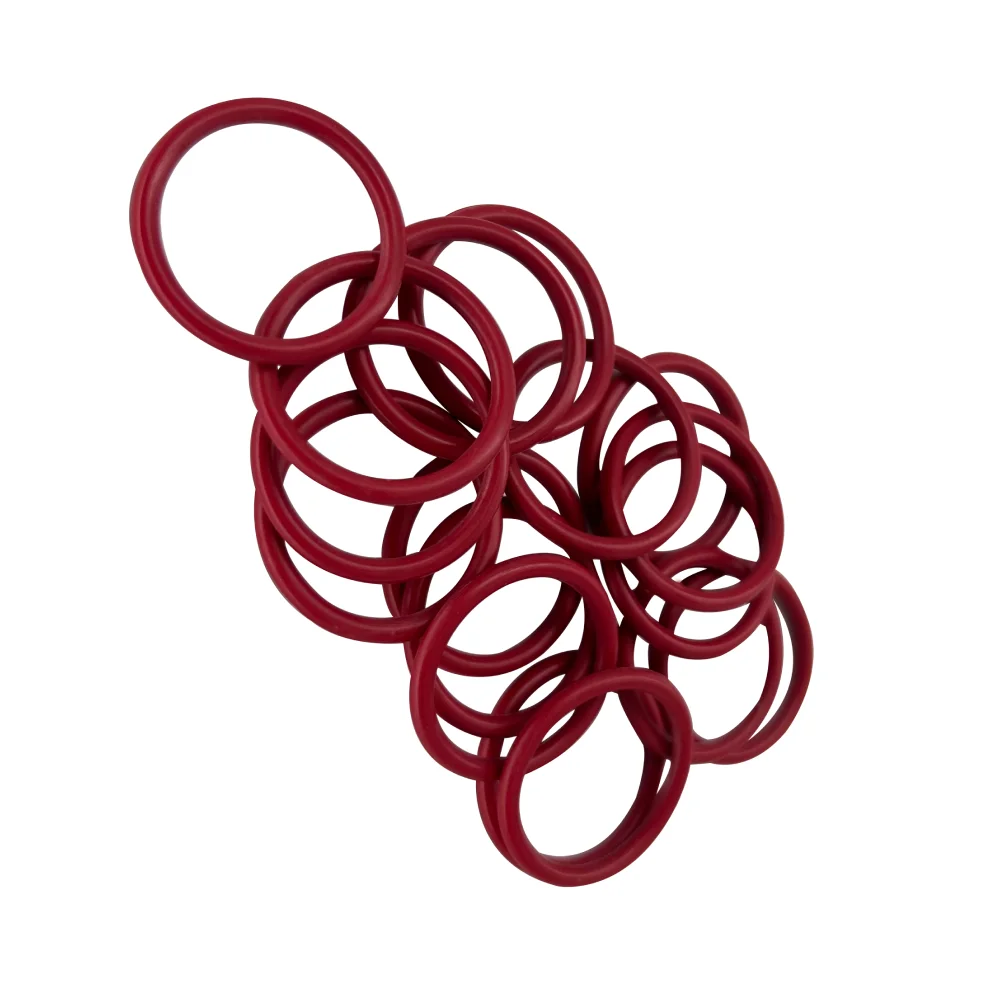
However, in actual production, it is not uncommon for some transparent silicone products to appear light yellow or slightly yellowed immediately after demolding. This issue is particularly critical for products with extremely high appearance requirements, such as O-Rings and Shock-Absorbing Air Bladders, where even slight discoloration is highly noticeable.
So why do transparent silicone rubber products yellow during the production stage? The main causes can be analyzed from the following three aspects.
1. Vulcanizing Agent Factors
The selection of the silicone vulcanizing agent is one of the most critical factors affecting the color stability of transparent silicone products.
1.1 Differences in Vulcanizing Agent Types
Silicone vulcanizing agents can generally be divided into:
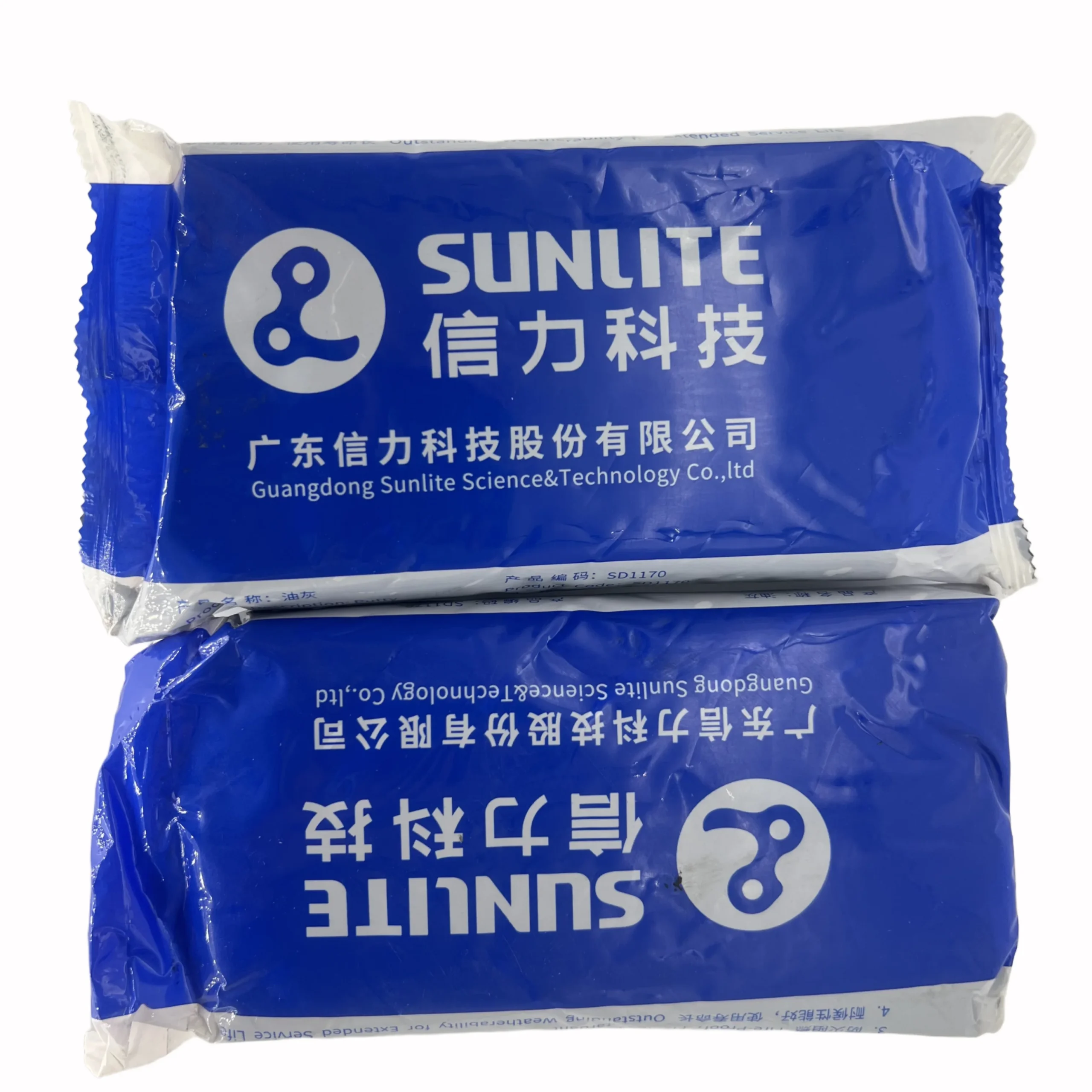
Standard vulcanizing agents (non–anti-yellowing type)
Anti-yellowing vulcanizing agents
1.2 Application Scope of Different Vulcanizing Agents
Standard (Non–Anti-Yellowing) Vulcanizing Agents
These are mainly used for:
Dark-colored silicone products
Products with low appearance requirements
Non-exposed or internal silicone components
Typical examples include certain industrial buffer parts and internal structural components.
Anti-Yellowing Vulcanizing Agents
These are specifically designed for:
Exposed applications
Light-colored or high-transparency silicone products, especially:
Transparent Silicone O-Rings
Medical-grade or food-grade silicone components
High-transparency Shock-Absorbing Air Bladders
If a standard non–anti-yellowing vulcanizing agent is mistakenly used for these products, yellowing will occur easily after vulcanization, even when the base silicone material itself has excellent transparency.
2. Processing Conditions
Even when an appropriate anti-yellowing vulcanizing agent is selected, improper processing conditions can still cause discoloration in transparent silicone products.
Common process-related causes include:
Excessive Mold Temperature
Overly high mold temperatures accelerate thermal reactions within the silicone and compounding system, leading to a visible yellow tint.
Excessive Vulcanization Time
Prolonged exposure to high temperature can cause localized thermal aging, which is especially noticeable in transparent silicone materials.
Improper Post-Curing Control
Excessive post-curing temperature or time further increases the risk of yellowing.
When producing transparent O-Rings or Shock-Absorbing Air Bladders, these products often feature thin walls and high transparency, resulting in a very narrow processing window. Any degree of over-curing may directly manifest as abnormal coloration.
3. Raw Material Quality Issues
In some cases, yellowing still occurs even when:
Anti-yellowing vulcanizing agents are used
Processing parameters are strictly controlled
In such situations, the root cause usually lies in the intrinsic quality of the silicone raw material itself.
Possible reasons include:
Insufficient purity of the silicone base polymer
Residual low-molecular-weight impurities
Incomplete or poorly designed anti-yellowing system
When the silicone raw material has inherently weak anti-yellowing performance, adjusting the vulcanizing agent or processing conditions can only achieve limited improvement.
The most effective solution in this case is to replace the raw material supply system, which is particularly critical for high-end transparent O-Rings and Shock-Absorbing Air Bladder applications.
Summary
Although transparent silicone rubber products inherently offer excellent weather resistance and anti-aging properties, yellowing that occurs immediately after production is typically caused by one or more of the following factors:
Improper vulcanizing agent selection (non–anti-yellowing type used)
Poor control of processing parameters (excessive temperature, time, or improper post-curing)
Insufficient anti-yellowing performance of silicone raw materials
To effectively prevent yellowing—especially in appearance-critical applications such as O-Rings and Shock-Absorbing Air Bladders—manufacturers should:
Select anti-yellowing vulcanizing agents appropriately
Strictly control mold temperature and vulcanization time
Prioritize high-purity silicone materials with stable anti-yellowing performance
Under normal conditions, transparent silicone rubber products exhibit excellent weather resistance and anti-aging performance.