Select Language
 Understanding Thick Rubber O Rings: Why They Matter Globally
If you've ever wondered what holds complicated machinery together, odds are thick rubber o rings are quietly at work. These durable, circular seals aren't just mundane little rings; they play a critical role globally, ensuring safety, efficiency, and reliability across countless industries. From massive oil rigs in the North Sea to water purification systems in remote villages, thick rubber o rings help keep the world turning smoothly — literally sealing the deal. Understanding their importance unlocks benefits in product longevity, cost savings, and even environmental conservation.
Mini takeaway: Thick rubber o rings may look simple, but their global impact runs deep—keeping everything from industrial plants to humanitarian aid flowing without a hitch.
The Global Context: Why Thick Rubber O Rings Are Indispensable
The machinery revolution is far from over. According to the International Organization for Standardization (ISO), sealing solutions like o rings are present in nearly 80% of industrial applications worldwide. The global sealing products market is expected to grow at a steady compound annual growth rate, partly driven by an uptick in manufacturing and energy infrastructure development (source: ISO, 2023).
Yet, across industries, leaks and seal failures cause billions in losses annually and contribute to environmental hazards. Here’s where thick rubber o rings step in—as the unsung heroes preventing contamination, equipment downtime, and safety risks. They also address challenges seen in harsh climates and under extreme pressures, vital for sectors such as oil and gas, water treatment, and even aerospace. It’s not just about sealing parts; it’s about safeguarding the planet’s resources and protecting human livelihoods.
What Are Thick Rubber O Rings? A Quick Definition
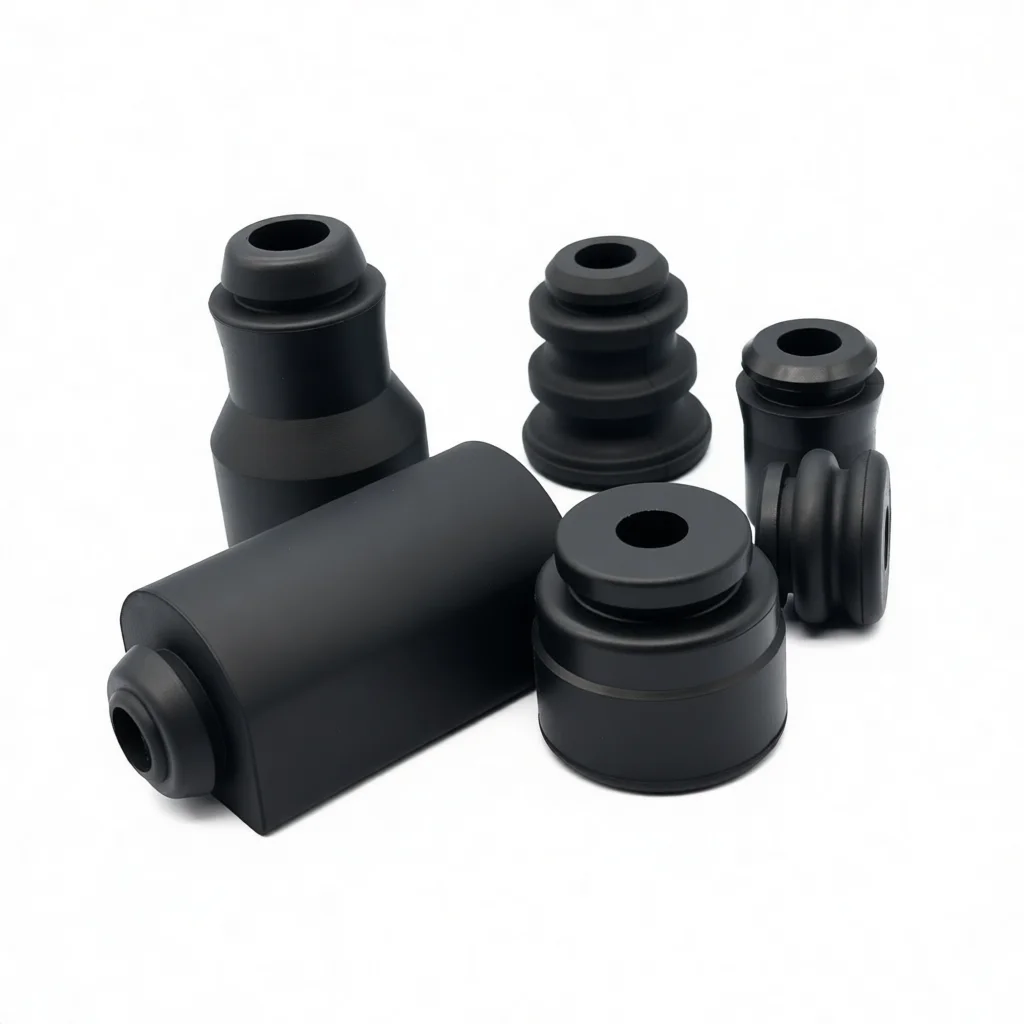
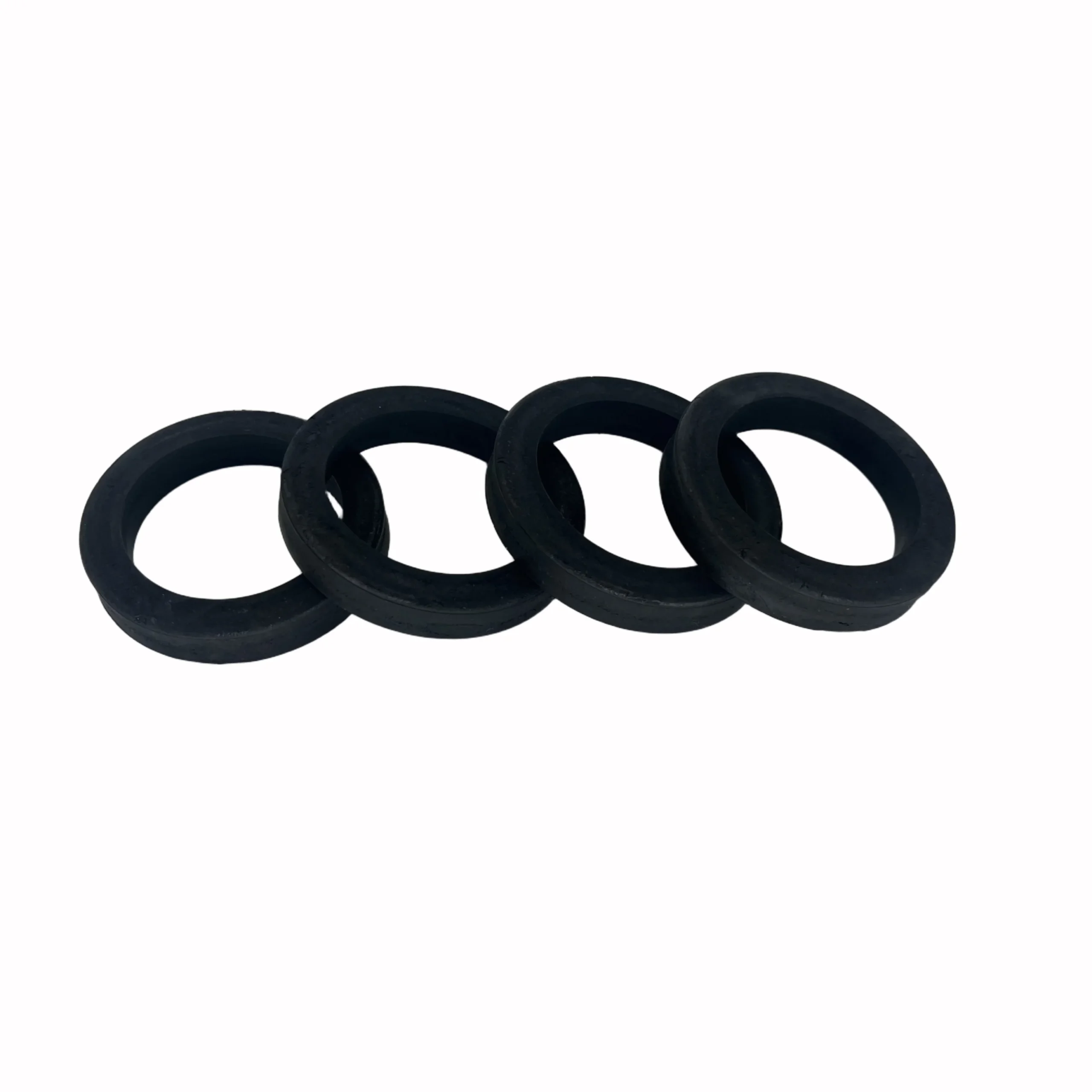
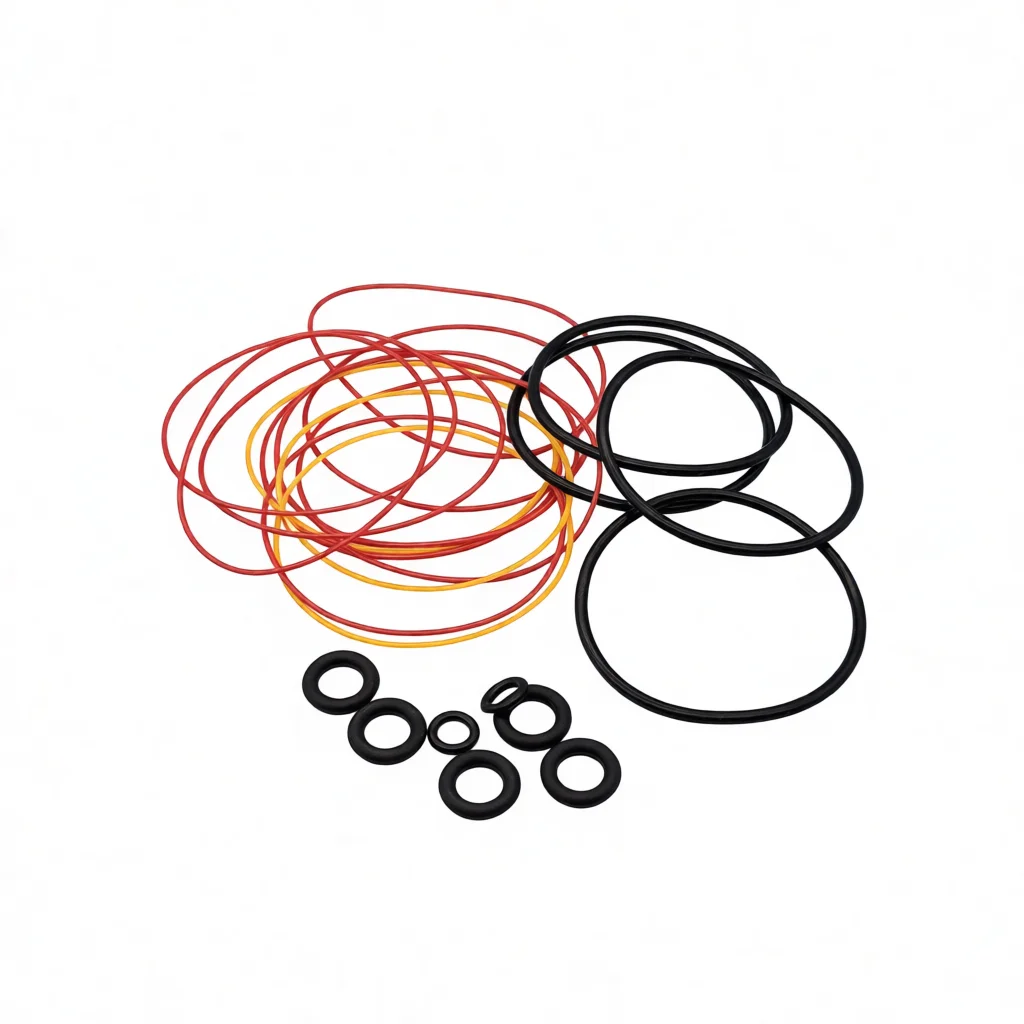
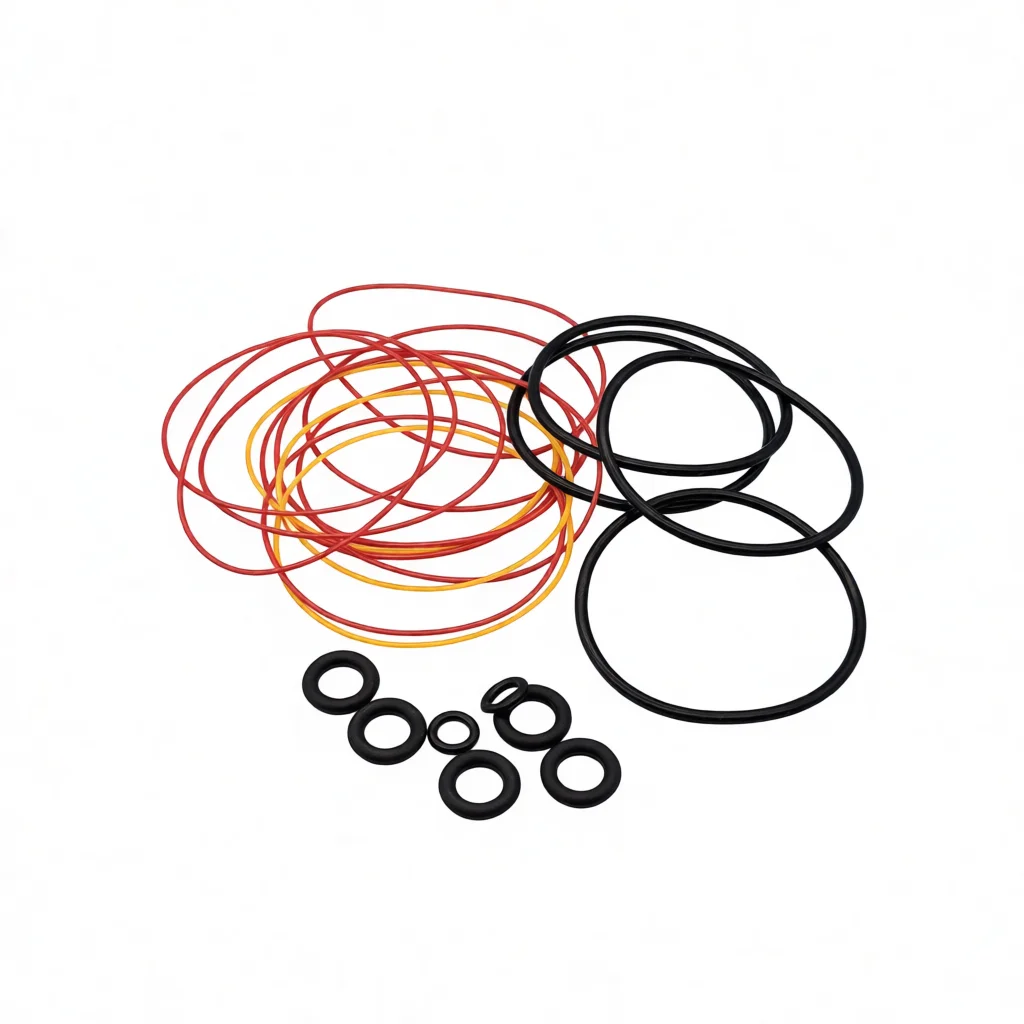
Simply put, thick rubber o rings are circular gaskets made from rubber materials with a larger cross-sectional diameter than standard o rings. Think of a typical o ring as a slim rubber doughnut, while a thick rubber o ring is a sturdier, chunkier version designed to withstand extra strain and provide better sealing where standard rings might fail. This thickness helps them maintain integrity in tough operating environments, especially where fluctuations in pressure, heat, or chemical exposure occur.
Beyond just machines, thick rubber o rings have found roles in humanitarian aid efforts — like water filters or medical equipment, where reliability is literally life-saving.
Key Features That Make Thick Rubber O Rings So Effective
Durability: Made to Outlast
Thick rubber o rings are often made of compounds like nitrile, EPDM, or silicone — carefully chosen for abrasion resistance, elasticity, and chemical compatibility. Their increased thickness means they resist wear, compression set, and tears better than thin rings, which translates to longer service life.
Pressure & Temperature Resistance
Industries facing extreme pressure or temperature swings rely on thick o rings. For example, in hydraulic systems or automotive engines, the seal must hold under both cold startup and high-heat running conditions.
Cost Efficiency Over Time
True, thicker o rings may cost a little more upfront, but their reduced maintenance frequency and fewer replacements usually save money in the long haul. Many engineers I've spoken with swear by them for reducing downtime expenses.
Customization & Scalability
Thick rubber o rings can be custom designed—whether a mini-sized ring for a medical device or a heavy-duty seal for industrial pipelines. This flexibility, combined with scalable manufacturing, lets companies meet demand quickly.
Real-World Applications: Where Thick Rubber O Rings Shine
Oddly enough, these seals appear in places you might not expect. In post-disaster relief operations, thick rubber o rings are part of water purification systems deployed to ensure clean drinking water — preventing leaks that could contaminate supplies. In mining regions of Australia or the Canadian tar sands, they seal critical hydraulic cylinders and environmental containment vessels.
Even aerospace companies use thick rubber o rings to seal fuel lines and cabin systems, where failure simply isn't an option. And let's not forget industrial food processing, where hygienic, chemical-resistant o rings keep production lines sanitary.
Product Specification Table
| Specification | Typical Value | Notes |
|---|---|---|
| Cross Section Diameter | 5-15 mm | Thicker than standard 3-5 mm rings |
| Material | Nitrile, EPDM, Silicone | Varies by application |
| Temperature Range | -40°C to +150°C | Depending on rubber type |
| Pressure Capacity | Up to 30 MPa | Suitable for high-pressure seals |
| Service Life | 5-10 years (typical) | Depends on conditions |
Advantages & Long-Term Value of Using Thick Rubber O Rings
There’s a reason many companies are switching from thinner seals to thicker, more resilient o rings. Their enhanced reliability means less risk of leaks — which could otherwise spill hazardous fluids or halt production. From a sustainability standpoint, longer-lasting seals reduce waste generated from frequent replacements.
On a human level: think about medical equipment seal failures leading to infection. Thick rubber o rings contribute to safety and trust, safeguarding both users and manufacturers’ reputations. Plus, through better sealing, energy loss in engines or pumps is minimized — a small but meaningful cut in carbon footprints.
Vendor Comparison Table: Selecting a Trusted Supplier
| Vendor | Material Options | Customization | Lead Time | Price Range |
|---|---|---|---|---|
| SunliteTek | Nitrile, Silicone, EPDM | Full custom sizing & packaging | 2-3 weeks | $$ - Competitive |
| GlobalSeal Co. | Nitrile, Viton | Limited | 4-6 weeks | $$$ |
| Eco Sealers | EPDM (eco-friendly) | Standard sizes only | 1-2 weeks | $ |
Looking Ahead: Innovations in Thick Rubber O Ring Technology
Future trends hint at not just smarter materials but greener ones. Biodegradable rubber compounds and self-healing polymers are being researched to create o rings that are both tough and environmentally responsible. Digital twin modeling enables manufacturers to stress-test seals virtually before production, speeding innovation cycles.
Moreover, automation in manufacturing is improving precision and consistency — so thick rubber o rings can be optimized for even the narrowest tolerances. As renewable energy sectors ramp up, new sealing challenges emerge, prompting constant upgrades in design.
Common Challenges and How to Overcome Them
Despite their many strengths, thick rubber o rings aren't bulletproof. Common issues include:
- Compression set over long periods causing seal failure.
- Material incompatibility with aggressive chemicals.
- Difficulty in retrofitting seals for older equipment.
Industry experts suggest regular monitoring, using the correct rubber grades, and working closely with suppliers for customized solutions mitigate these problems well.
FAQ: Frequently Asked Questions About Thick Rubber O Rings
Q1: How do thick rubber o rings differ from standard o rings?
Thick rubber o rings have a larger cross-sectional diameter, giving them stronger sealing capacity and durability. This makes them ideal for heavy-duty or high-pressure applications where standard thin o rings might fail prematurely.
Q2: Can thick rubber o rings be used with aggressive chemicals?
Yes, but material choice is crucial. Nitrile is good for oils and fuels, EPDM handles some acids and alkalis better, and silicone tolerates extreme temperatures. Always verify compatibility with the specific fluids involved.
Q3: What is the typical lifespan of a thick rubber o ring?
Under normal conditions, these o rings last 5-10 years, but factors like pressure, temperature, and chemical exposure can shorten or extend this. Routine maintenance helps maximize lifespan.
Q4: Are custom sizes hard to order?
Not necessarily. Many vendors (like SunliteTek) offer tailored manufacturing with reasonable lead times, streamlining the process for specialized industrial needs.
Wrapping Up: Why Thick Rubber O Rings Deserve Your Attention
Thick rubber o rings are more than just seals; they’re safety nets for countless processes, from heavy industry to humanitarian aid. They deliver durable, reliable performance that supports sustainability, cost savings, and innovation. If you’re seeking dependable sealing solutions, diving deeper into thick rubber o rings isn’t just smart — it’s essential.
Ready to explore quality options? Visit SunliteTek for comprehensive products and expert support tailored to your needs.
References
- International Organization for Standardization (ISO)
- Wikipedia: O-ring
- World Bank Data on Industry & Manufacturing
Reflection:
At first glance, you might underestimate such a simple component, but once you peek behind the curtain of global industries, thick rubber o rings prove to be quietly indispensable. They’re the small details that keep big things running smoothly — a nice reminder that sometimes, the little things truly do matter the most.
Understanding Thick Rubber O Rings: Why They Matter Glo […]