Select Language

In high-performance mechanical systems, the coupling is often viewed as a commodity—a simple component tasked with connecting two shafts to transmit power. However, for maintenance engineers and procurement professionals, this "simple" component is frequently the silent culprit behind catastrophic system downtime, premature bearing wear, and significant revenue loss.
At Guangdong Sunlite Science & Technology Co., Ltd., we operate on a philosophy of "Total Cost of Ownership" (TCO). We recognize that the true cost of a coupling is not found on the invoice, but in the operational efficiency of your entire assembly. When vibration damping, misalignment compensation, and torque transmission are compromised by inferior rubber compounds, the cascading costs of repair and production halts far outweigh the initial savings of a cheaper part.

The Engineering Superiority: Elastomer Selection Matters
Couplings are subject to intense cyclic stress, thermal expansion, and mechanical vibration. An elastomer that lacks the necessary molecular stability will quickly succumb to compression set—a permanent deformation that destroys its ability to absorb shock.
At Sunlite, we engineer our couplings using advanced rubber compounds tailored to the specific demands of the environment. Whether your application involves extreme oil exposure, high-frequency vibration, or harsh atmospheric degradation, selecting the right material is a strategic decision.
Material Performance Comparison Table
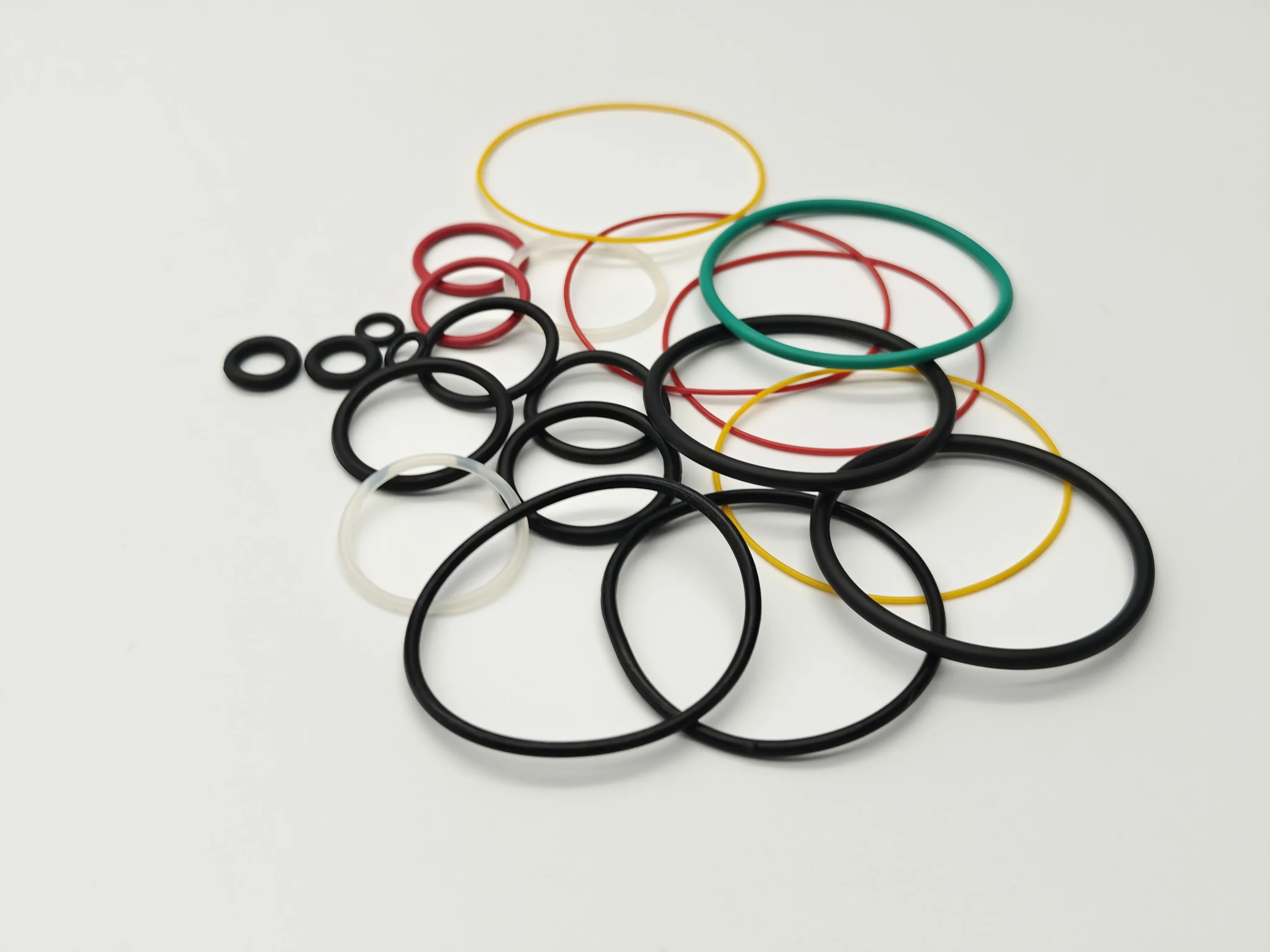
Metric | NBR (Nitrile) | EPDM | FKM (Viton) | Silicone |
Primary Strength | Oil/Fuel Resistance | Weather/UV Resistance | Extreme Temperature | Bio-compatibility |
Operating Temp. | -40°C to 120°C | -50°C to 150°C | -20°C to 250°C | -60°C to 230°C |
Chemical Tolerance | Excellent (Oils) | Good (Water/Steam) | Superior (Acids/Fuels) | Poor (Solvents) |
Best Application | Hydraulic/Automotive | Outdoor/HVAC | Chemical/Aerospace | Food/Medical |
Small Product, Big Impact: By matching the polymer base to the precise operational environment, we ensure that your coupling maintains its structural integrity under load, preventing the "vibration creep" that leads to seal failure and component fatigue throughout your machinery.

Real-World Applications: Precision Engineering in Action
Engineering a coupling is about more than just dimensions; it is about performance under pressure. Here are two critical scenarios where our specialized rubber solutions deliver quantifiable reliability:
1. High-Precision Rail Transit Damping
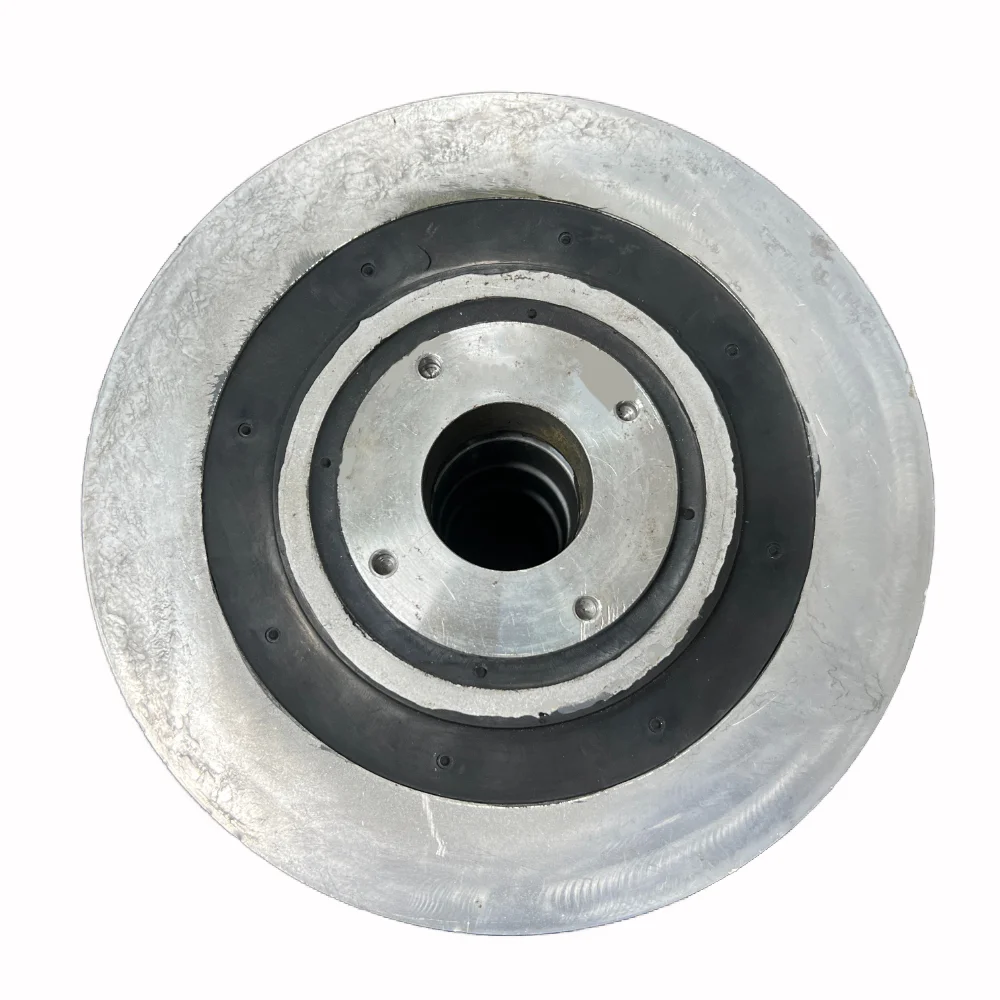
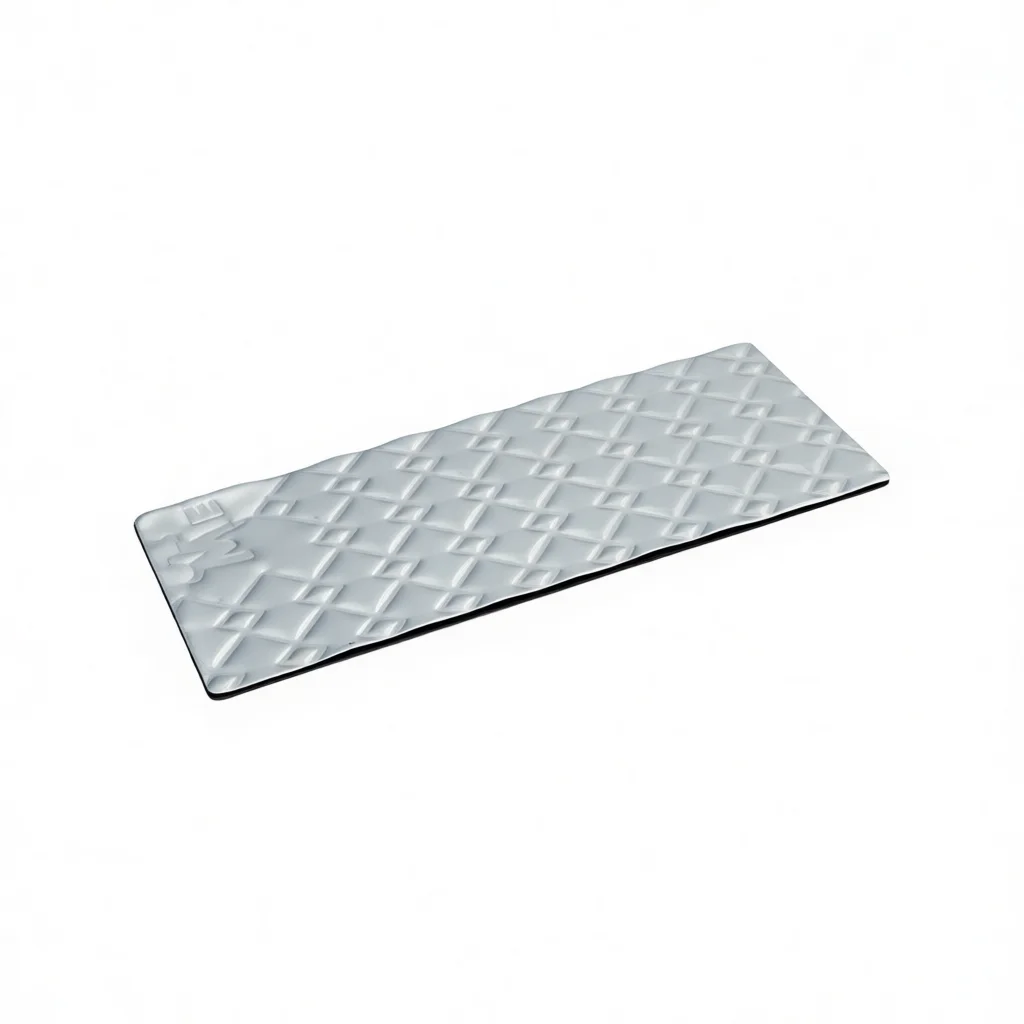
In the rail transit industry, couplings must manage high-frequency vibration while resisting the extreme temperatures generated by sustained operation. Using high-damping elastomers, our couplings act as a critical buffer, insulating sensitive electronic systems and structural joints from the kinetic energy that would otherwise cause fatigue cracking. This proactive damping extends the service life of adjacent high-value assets.
2. Harsh-Environment Chemical Processing
In environments involving aggressive solvents and hazardous chemicals, a failed coupling is a safety risk. By utilizing FKM-based high-performance elastomers, we provide couplings that resist chemical degradation and swelling. This ensures that power transmission remains consistent even in the presence of corrosive agents, effectively eliminating the risk of costly emergency shutdowns and environmental hazards.
FAQ: Optimizing Coupling Performance
Why does my coupling suffer from premature compression set?
Compression set is typically a sign of thermal degradation or material incompatibility. If the rubber compound is not rated for the specific operating temperature or chemical exposure of your system, the molecular structure loses its ability to rebound after being compressed. We recommend reviewing your peak operating temperatures and chemical environment to ensure your material specification is adequate.
How does misalignment affect coupling life?
While couplings are designed to accommodate minor shaft misalignment, excessive misalignment puts constant, non-symmetrical stress on the elastomer. This leads to accelerated wear and increased vibration transmission. Precision alignment, combined with our high-resilience couplings, is the optimal strategy for maximizing service intervals.
Can custom rubber formulations improve my system’s vibration damping?
Yes. Through our specialized customization center, we adjust the hardness (Durometer), filler density, and polymer cross-linking to create a specific damping signature. This allows us to "tune" the coupling to the resonant frequency of your machinery, effectively neutralizing vibration before it impacts sensitive components.
Partner with Guangdong Sunlite Science & Technology
At Guangdong Sunlite Science & Technology Co., Ltd., we have been refining our mastery of elastomer applications since 1998. We do not just supply parts; we serve as your engineering partner, providing deep technical insights into material science and vibration control.
If you are facing persistent maintenance challenges or seeking to enhance the TCO of your mechanical assemblies, our engineering team is ready to assist. From material selection to custom prototyping and rigorous laboratory testing, we provide the precision solutions required for modern industrial performance.

In high-performance mechanical systems, the coupling is often viewed as a commodity—a simple component tasked with connecting two shafts to transmit power.