Select Language
 Carbon Fiber Tube is a key solution in the Material Industry industry, specifically within composite material and Carbon fiber tubing. This article explores how Guangdong Sunlite Technology Co., Ltd. supports professionals with durable, high-performance products, and explains why this product is an ideal choice for businesses in these sectors.
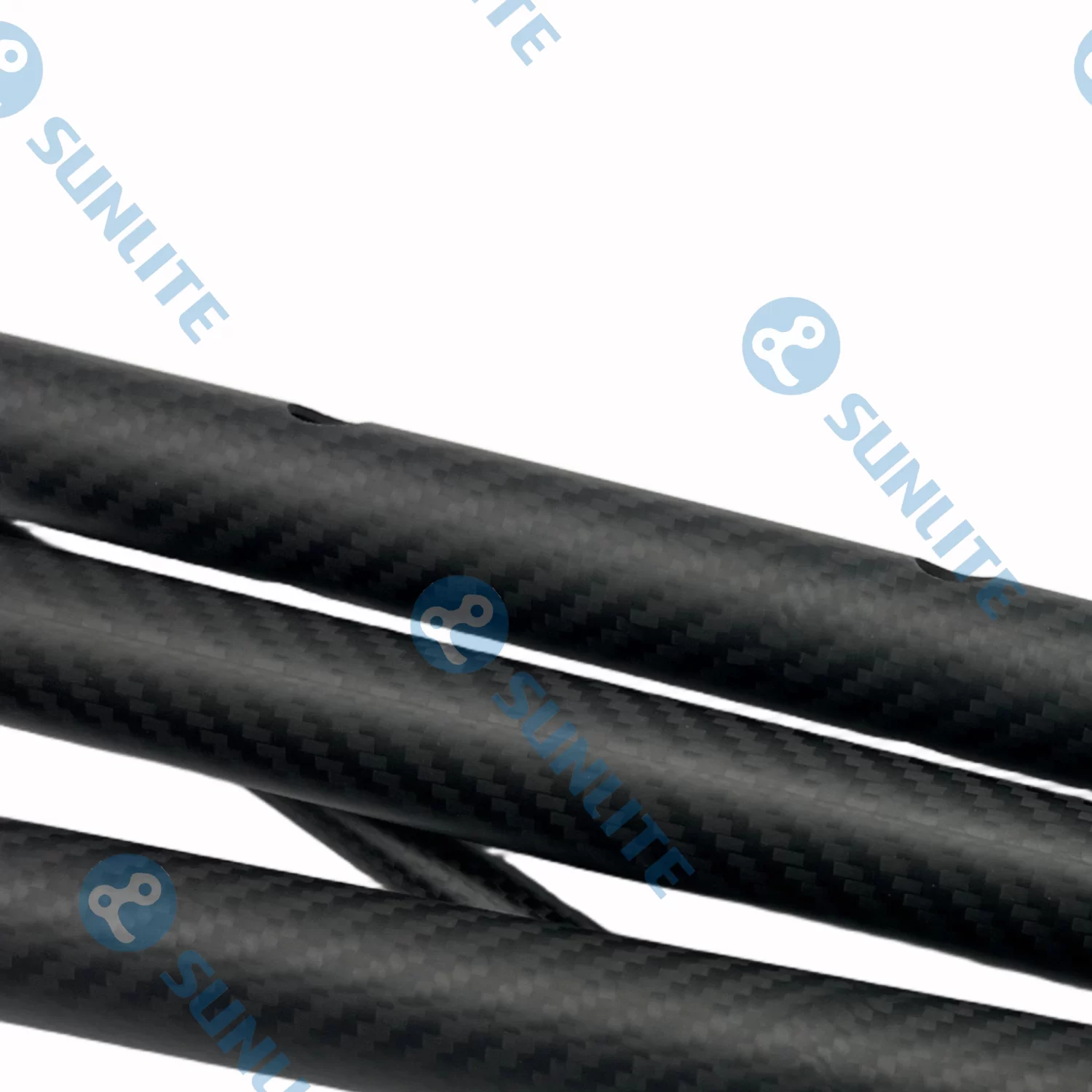
Table of Contents
- Carbon Fiber Tube Overview
- Benefits & Use Cases of Carbon Fiber Tube in Carbon fiber tubing
- Cost, Maintenance & User Experience
- Sustainability & Market Trends in Material Industry
- Conclusion on Carbon Fiber Tube from Guangdong Sunlite Technology Co., Ltd.
Carbon Fiber Tube Overview
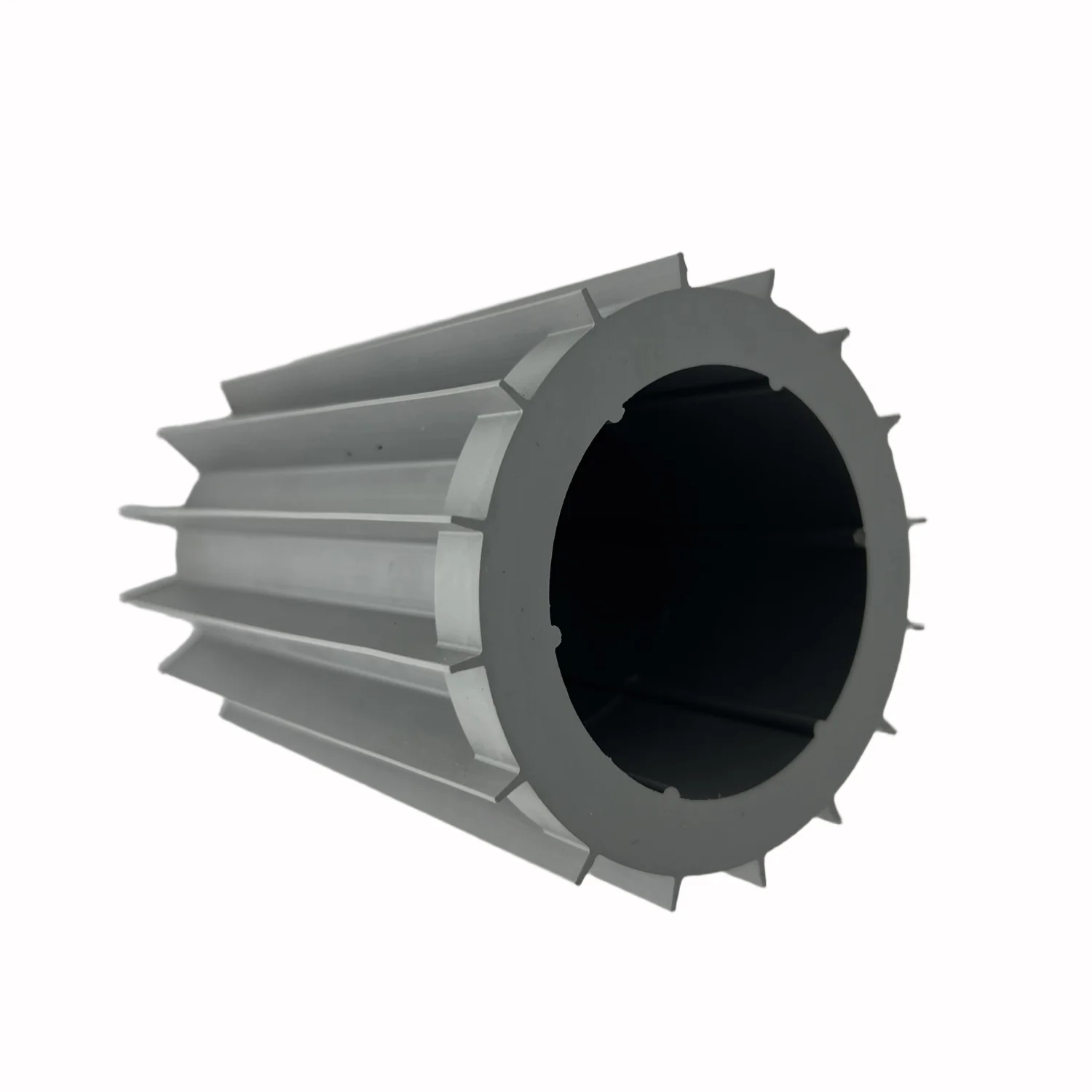
Carbon fiber tubes are engineered composite profiles made by combining high-strength carbon fiber reinforcements with a polymer matrix, typically epoxy. In the Material Industry, carbon fiber tubing is prized for its unmatched stiffness-to-weight ratio, fatigue resistance, and dimensional stability. Depending on fiber grade and layup, composite laminates can achieve tensile strengths in the hundreds to over one thousand MPa and moduli ranging from approximately 70 GPa (standard modulus) to well above 200 GPa (high modulus). Manufacturing methods such as roll-wrapping and filament winding allow tailored fiber orientations (e.g., 0/±45/90 quasi-isotropic or unidirectional) to meet specific load cases in torsion, bending, and axial tension.
- Relevance: In composite material applications, Carbon Fiber Tube provides high rigidity with low weight, reducing structural mass, improving responsiveness, and enhancing corrosion resistance versus metals.
- Technical background: Surface finishes (matte/gloss), weave styles (plain/twill/UD skins), and precision machining deliver tight concentricity and fit, while compatible resins boost temperature performance (e.g., elevated glass transition temperatures).
- Reliable manufacturing: Guangdong Sunlite Technology Co., Ltd. supports B2B programs with engineering collaboration, consistent quality, and scalable production for prototype-to-volume carbon fiber tubing.
Benefits & Use Cases of Carbon Fiber Tube in Carbon fiber tubing
Across automation, mobility, and equipment sectors, Carbon Fiber Tube helps OEMs and integrators solve weight, stiffness, and corrosion challenges. Compared with aluminum or steel, it delivers lower mass and higher specific stiffness, enabling faster motion systems, greater payloads in UAVs, and longer spans in precision tooling. Low thermal expansion improves dimensional stability in metrology frames and high-speed robotics, while inherent damping can reduce vibration for cleaner signal acquisition and smoother motion control.
- Applications: Robotic arms and end-effectors, UAV booms, camera gimbals, telescopic inspection poles, industrial rollers/mandrels, medical support structures, marine and offshore components, and e-mobility subframes.
- Advantages: High specific stiffness, corrosion resistance, fatigue durability, low CTE, excellent torsional performance with optimized layups, and clean aesthetics with customizable surface finishes.
- Expertise: Guangdong Sunlite Technology Co., Ltd. offers application-driven layup design, machining, and bonding guidance so B2B teams can integrate tubes seamlessly into assemblies and hit performance targets.
Cost, Maintenance & User Experience
Total cost of ownership for Carbon Fiber Tube is driven by lifecycle gains rather than just unit price. Weight reduction can shrink actuator sizing, reduce energy consumption, lower shipping costs, and improve payload or throughput—creating measurable ROI over time. Corrosion resistance reduces repainting and replacement frequency in harsh environments, while fatigue durability lengthens service intervals for moving equipment. With fewer maintenance events and lighter components, teams often realize faster changeovers and higher uptime.
- Durability and care: Use proper clamps or bonded interfaces to distribute loads, avoid point impacts, and follow manufacturer guidance for drilling, edge finishing, and adhesive selection. Routine cleaning with mild agents maintains appearance and surface integrity.
- User feedback: Composite material buyers value tight OD/ID tolerances, repeatability across batches, and traceability of constituent materials. Guangdong Sunlite Technology Co., Ltd. focuses on process control and documentation to support predictable, repeatable integration into production lines.
Sustainability & Market Trends in Material Industry
Lightweighting is a cornerstone of sustainability in modern manufacturing. By substituting metals with Carbon Fiber Tube, businesses can reduce energy use in motion systems and vehicles, cut fuel or power consumption, and lower transport emissions. The industry is advancing toward lower-VOC resin chemistries, bio-based matrix options, and end-of-life recovery routes such as mechanical reclamation and fiber recovery. Meanwhile, regulatory and reporting frameworks incentivize durable, long-lasting components that extend product lifecycles and decrease material waste.
- Market shifts: Robotics, UAV, medical equipment, and e-mobility segments continue to accelerate demand for high-performance carbon fiber tubing with precise tolerances and consistent quality.
- Forward-thinking approach: Guangdong Sunlite Technology Co., Ltd. emphasizes design-for-manufacture, material utilization efficiency, and support for customers exploring recyclable and lower-emission material options to align performance with environmental goals.
Conclusion on Carbon Fiber Tube from Guangdong Sunlite Technology Co., Ltd.
Carbon Fiber Tube brings a powerful combination of strength, stiffness, and light weight to composite material applications across robotics, UAVs, industrial equipment, and beyond. For B2B decision makers seeking performance, repeatability, and integration support, Guangdong Sunlite Technology Co., Ltd. offers dependable engineering collaboration and scalable production capacity. Ready to evaluate your next project?
- Contact us: email: overseas@sunlitetek.com
- Visit our website: https://www.sunlitetek.com

Carbon Fiber Tube is a key solution in the Material Ind […]