

 Select Language
 Choosing the Right Rubber O Ring Manufacturer: A Veteran’s Perspective
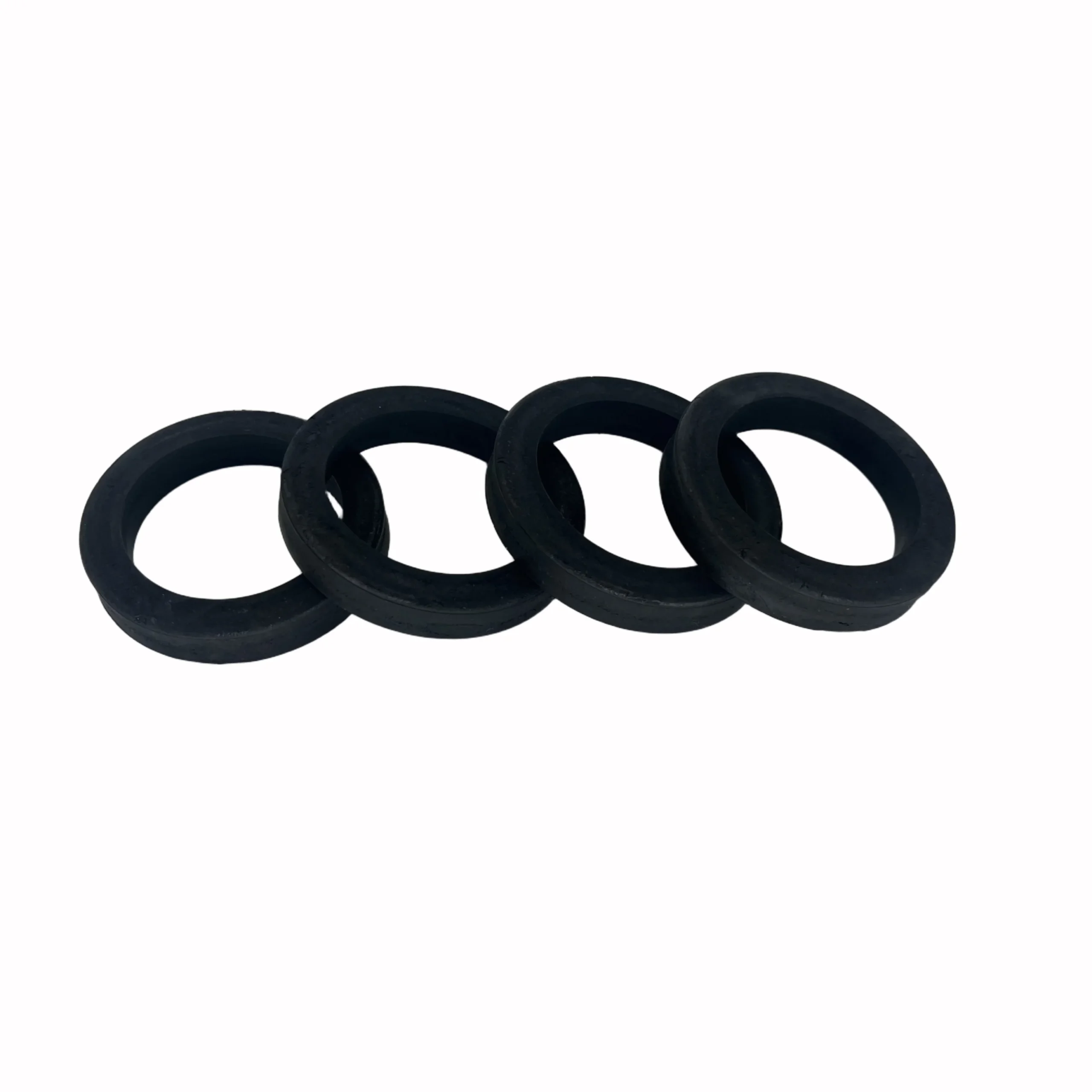
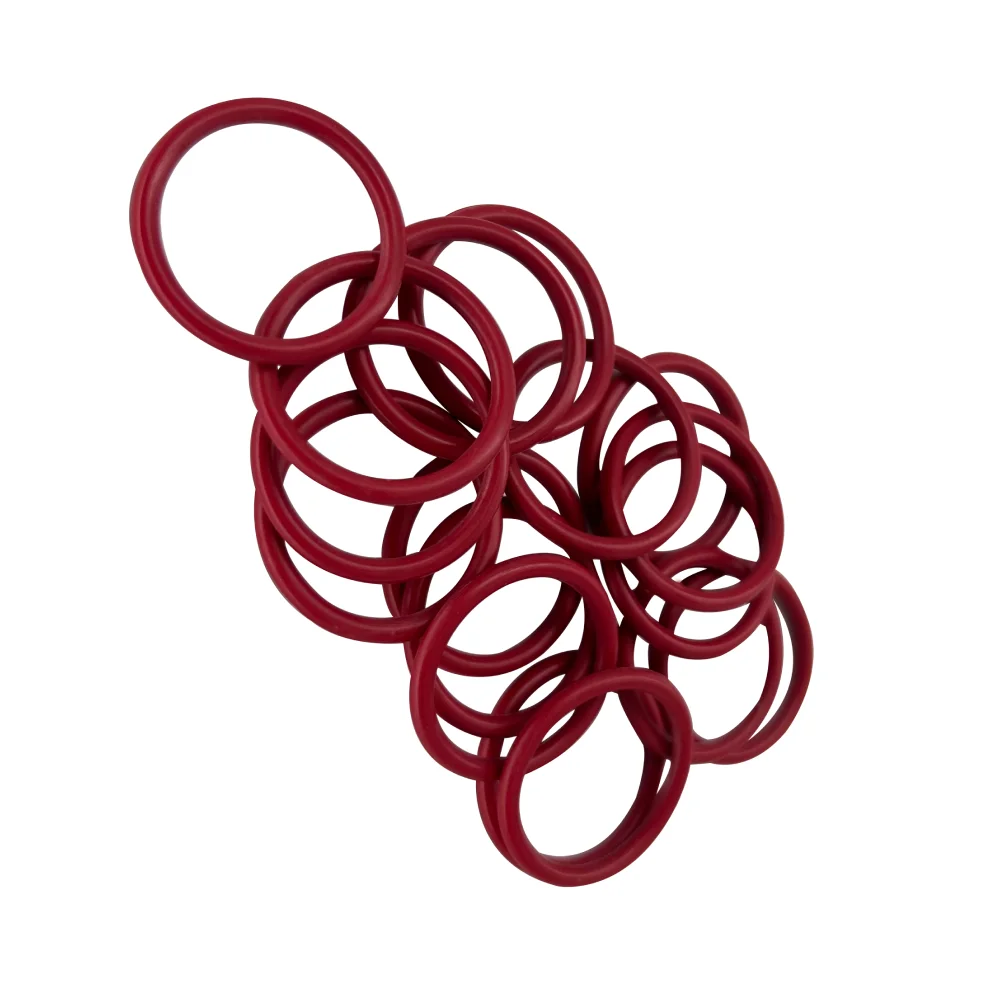
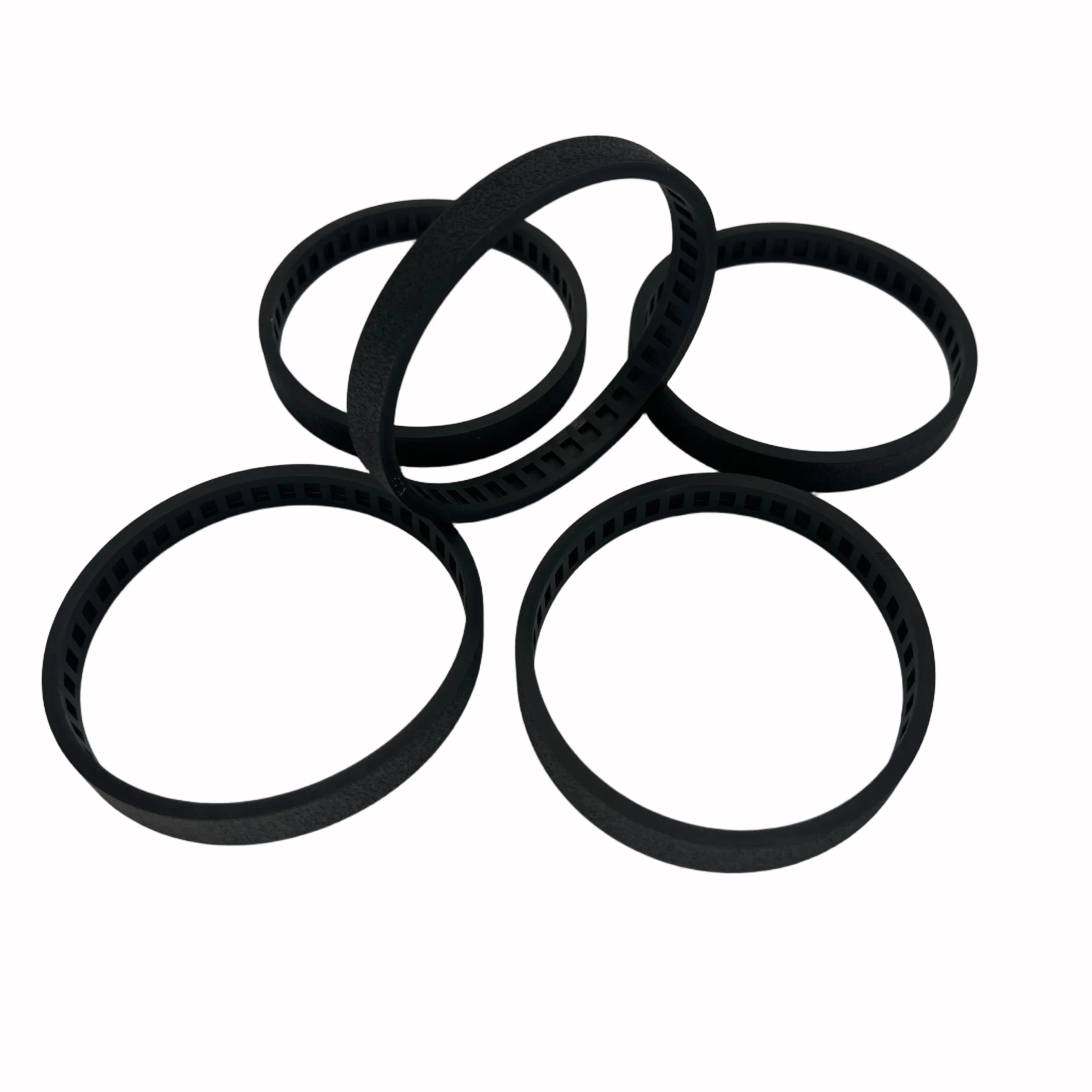
In my years tooling with industrial equipment—sometimes in the grime of a factory floor, other times just batching specifications at a desk—rubber o rings have always been these silent heroes that no one pays much attention to until they fail. If you’ve ever battled a leak in a hydraulic system or a pneumatic cylinder, you know exactly what I mean.
When it comes to rubber o ring manufacturers, the landscape is a little like hunting for the right gear in a store full of options—somewhere between ‘quality you can trust’ and ‘too good to be true’. Here's a slice of what matters, based on my long haul in the field.
What Sets Reliable Rubber O Ring Manufacturers Apart?
First, the materials. You’d be surprised how often I’ve seen people order “standard” o rings without clarifying the rubber compound. In real terms, the choice between Nitrile (NBR), Silicone, Viton® (FKM), or EPDM can make all the difference. It’s not just about heat resistance or chemical compatibility; sometimes it’s about flexibility at freezer temps or sheer abrasion resistance.
Manufacturers who offer a diverse portfolio tend to earn more trust, especially if they back their products with proper testing data. I recall a project for a mining plant where only Viton o rings could survive the harsh chemicals and heat cycles. The vendor that provided detailed specs, certifications, and even ran tests on custom blends ultimately won the contract.
| Specification | Typical Value | Notes |
|---|---|---|
| Material Options | NBR, Silicone, Viton, EPDM | Varies by application requirements |
| Temperature Range | -40°C to 250°C (depending on material) | High-temp Viton suits harsh conditions |
| Hardness (Shore A) | 60–90 | Customizable for sealing tightness & flexibility |
| Sizes | Custom diameters & cross-sections | Critical for fit & function |
| Certifications | ISO 9001, USP Class VI, FDA | Assurance for food and pharma sectors |
Comparing Top Rubber O Ring Manufacturers
Of course, it’s not just about specs. Pricing, lead times, customer support — all these weigh in. I like to say, “Buy from the company you could call at 10 p.m. if the line leaks.” Here’s a rough vendor snapshot I compiled after chatting with several procurement officers.
| Vendor | Material Variety | Customization | Typical Lead Time | Customer Support |
|---|---|---|---|---|
| Sunlite Tek | Extensive (NBR, Viton, Silicone, EPDM + blends) | High (custom sizes, hardness, compounds) | 2–3 weeks | 24/7 technical support |
| Generic Seal Corp. | Moderate (standard elastomers) | Limited customization | 1–2 weeks | Business hours only |
| Precision Elastics | High (specialty compounds) | High (tailored to specs) | 3–4 weeks | Responsive, but limited weekend coverage |
One story that sticks with me is from a mid-sized OEM, whose engineers had wasted months chasing leaks. Switching to a vendor who could tweak the Viton blend and fine-tune hardness finally stopped the minor failures. It’s silly how often the “standard” parts underperform due to subtle mismatch in specs.
Customization is not a luxury but a necessity. And this is where rubber o ring manufacturers like Sunlite Tek really shine — depth in material options, plus the willingness to engage custom formulations, makes all the difference.
So, if you’re eyeballing vendors for your next sealing challenge, here’s my takeaway: dig into the materials, ask for certifications, and pick a supplier who treats your call like an emergency—even if it’s just to answer some picky questions.
And remember, these tiny rings keep huge systems humming smoothly — not glamorous, but absolutely vital.
References & Final Thoughts
- Personal experience with industrial seals (15+ years in field service and procurement)
- Technical datasheets and certifications from reputable manufacturers
- Customer case studies involving customized o ring solutions
Choosing the Right Rubber O Ring Manufacturer: A Vetera […]