

 Select Language
 Why NBR 90 Rubber Continues to Be an Industrial Favorite
If you’ve ever dabbled in industrial equipment—maybe in conveyor manufacturing or heavy-duty sealing systems—you've likely heard of NBR 90. It’s one of those materials that quietly, reliably does its job, day in and day out, under conditions that would make some other rubbers wilt. I remember my first hands-on experience with NBR 90: it was in a plant dealing with high oil exposure and constant abrasion. Frankly, the sheer resilience was impressive.
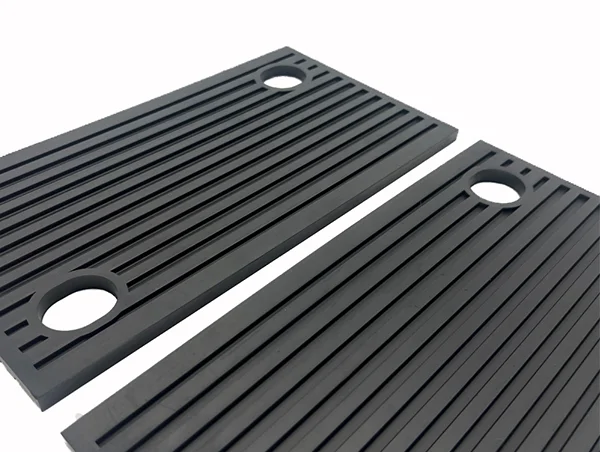
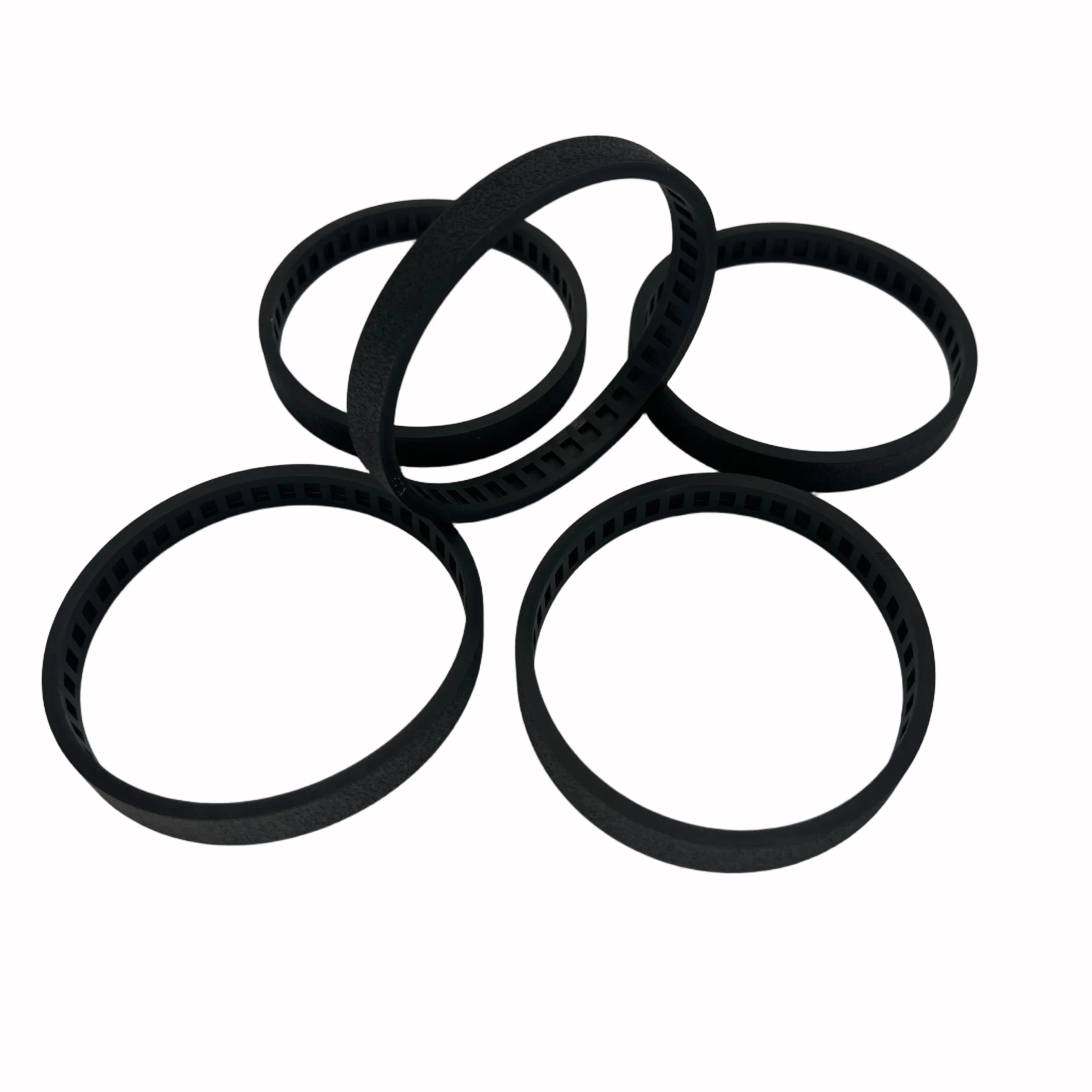
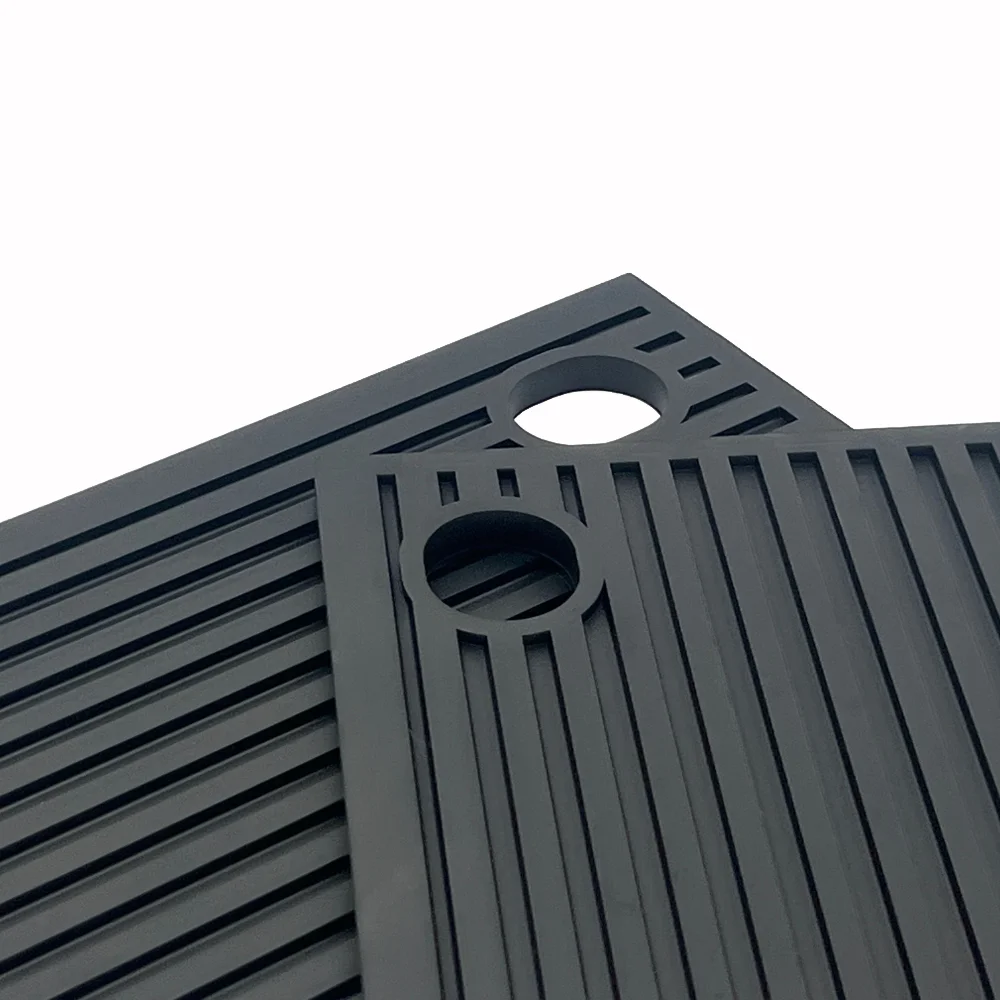
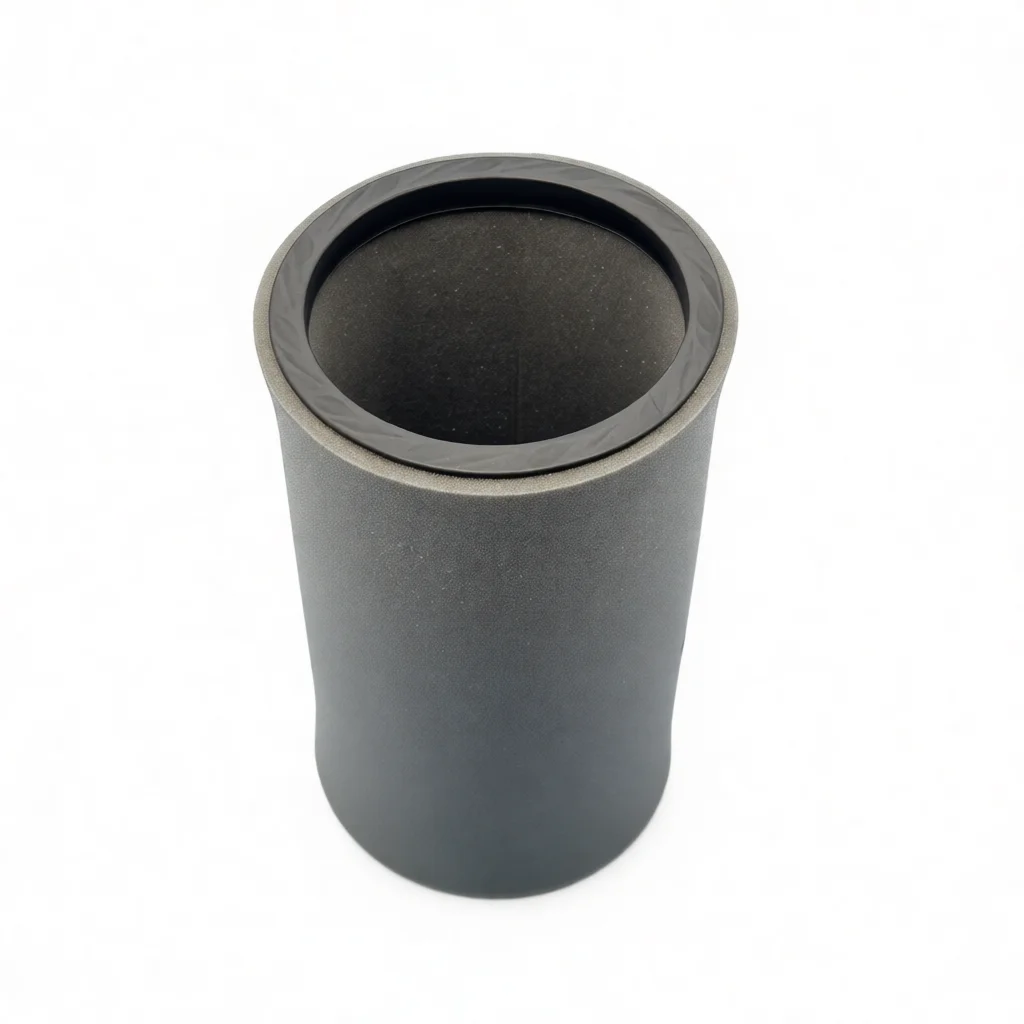
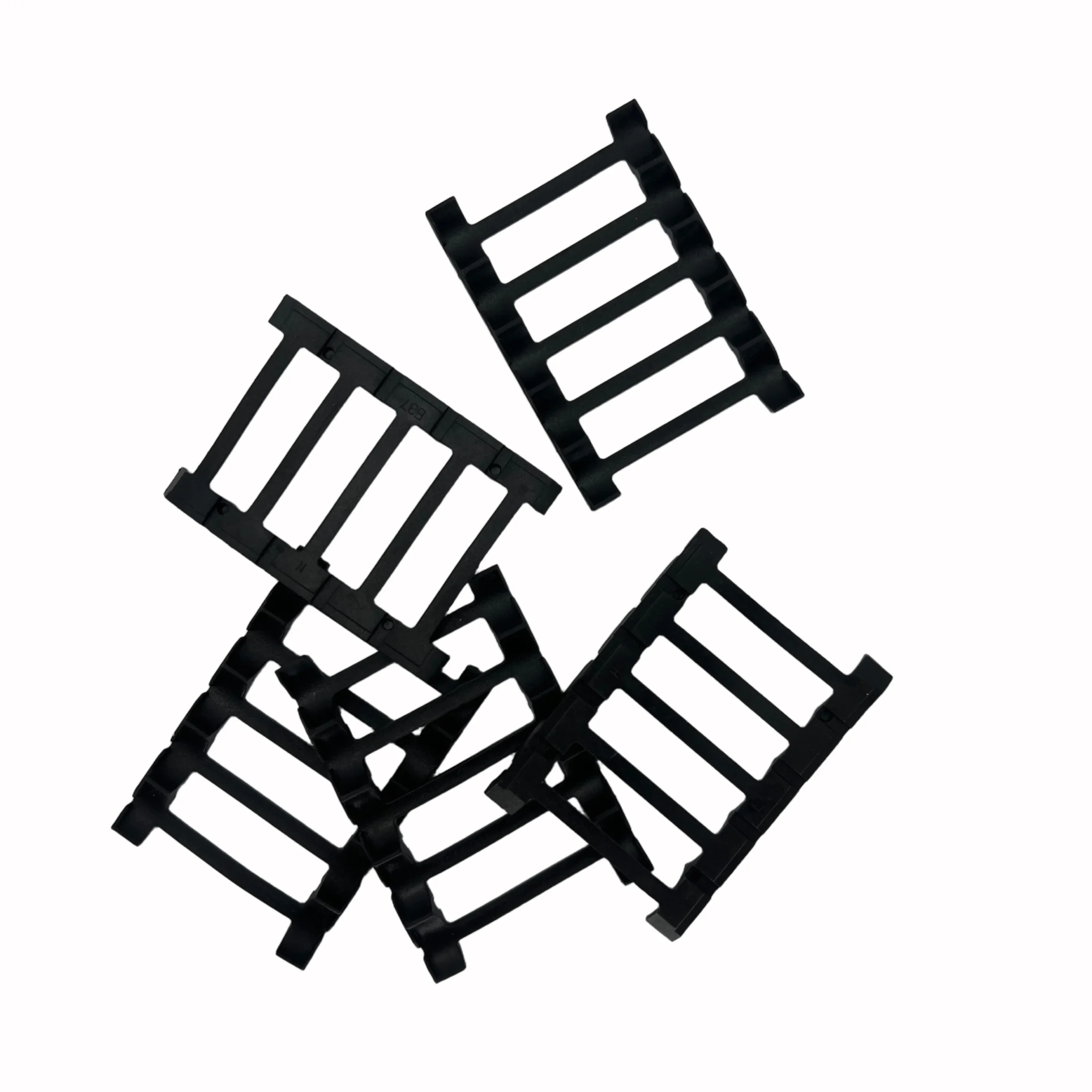
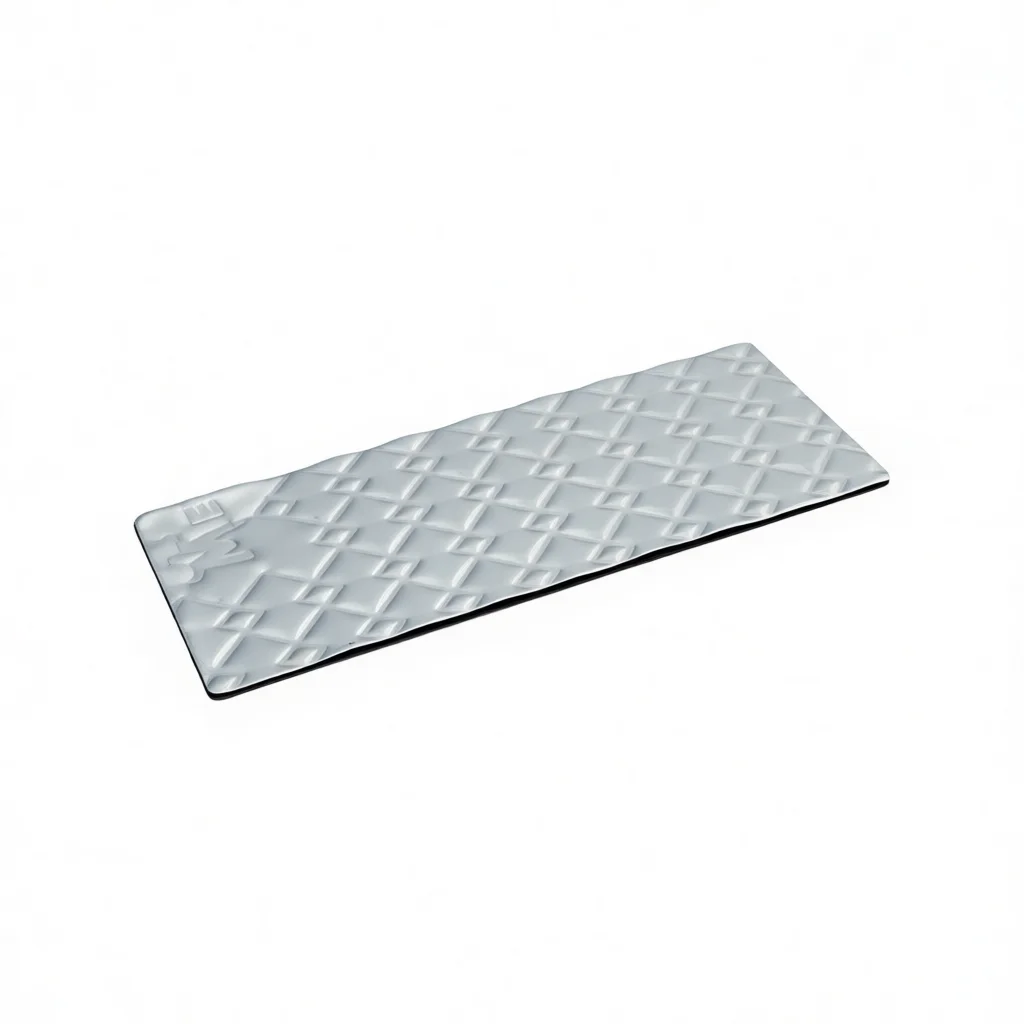
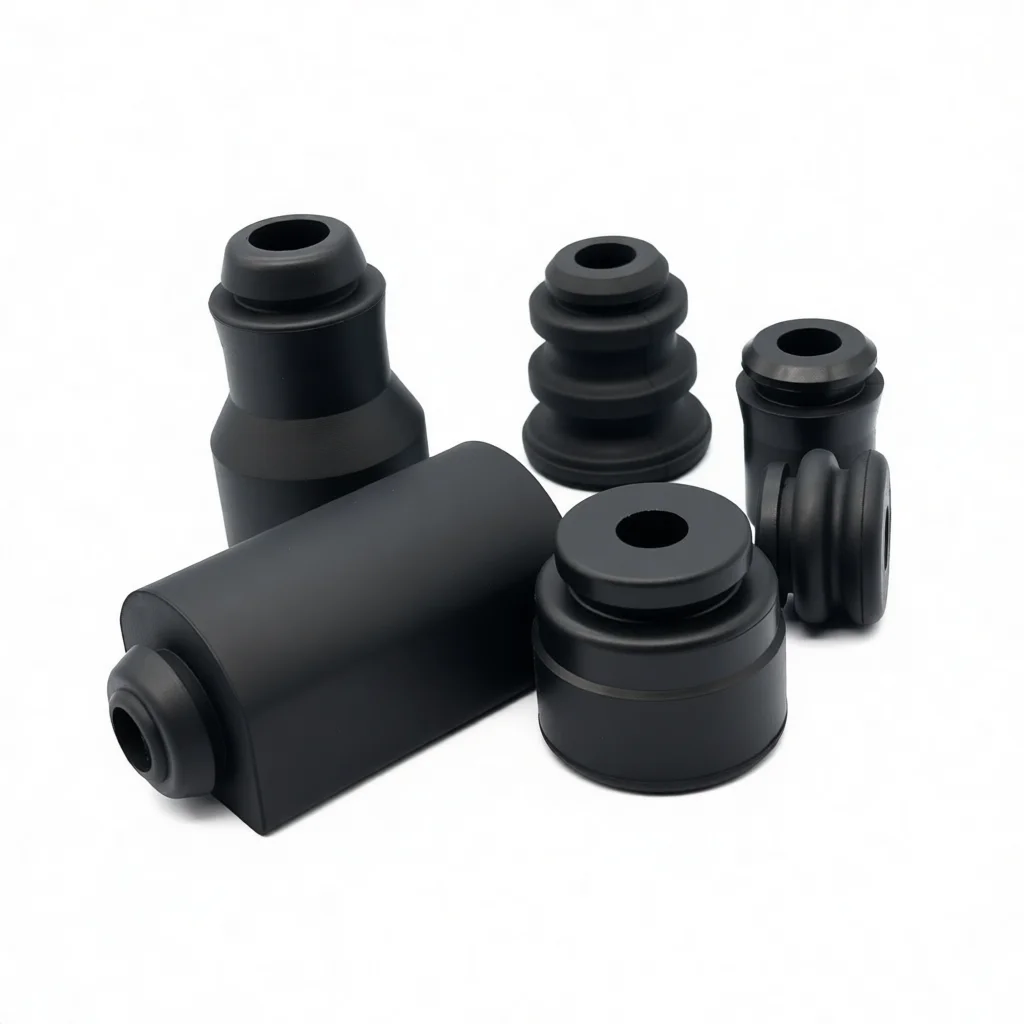
NBR 90 stands for nitrile butadiene rubber, with a hardness rating around 90 Shore A. This means it’s firm and durable, yet flexible enough for seals, gaskets, and conveyor components that need to resist not just mechanical wear but also oils and fuels. Oddly enough, the harder compounds sometimes get overlooked because softer rubber feels more “seal-like” in theory, but in practice, that rigidity makes all the difference in preserving shape and function over many cycles.
Material Properties That Matter in Conveyor and Sealing Applications
When working with conveyor belts or industrial gaskets, the rubber's ability to handle heat, chemicals, and mechanical stress is crucial. NBR 90 excels in resistance to petroleum-based oils, which is a big deal in factories with hydraulics or fuel leaks. It’s one reason many engineers chose NBR 90 over natural rubber or silicone in harsh environments.
This kind of rubber combines abrasion resistance with tensile strength and tear resistance. So, you’re not just getting a rubber that lasts longer; you’re dealing with fewer replacements, less downtime—which, in real terms, means money saved.
NBR 90 Product Specification Table
| Property | Typical Value | Units |
|---|---|---|
| Hardness (Shore A) | 90 ± 5 | - |
| Tensile Strength | 15–20 | MPa |
| Elongation at Break | 200–300 | % |
| Oil Resistance (IRM 903) | Good | - |
| Temperature Range | -30 to +120 | °C |
Choosing the Right Vendor: A Quick Comparison
When I’m asked about sourcing NBR 90, the vendor differences often come down to consistency in compound mixing and customization flexibility. Not every supplier can tailor the rubber exactly for a specific hardness or chemical resistance. I’ve seen companies lose time waiting for slight tweaks that would have made a big difference in seal lifetime.
| Vendor | Standard Hardness Range | Customization Options | Lead Time | Global Shipping |
|---|---|---|---|---|
| SunliteTek | 70–95 Shore A | Full Compound Tuning | 2-3 weeks | Yes |
| Vendor B | 80–90 Shore A | Limited Color & Thickness | 4-6 weeks | No |
| Vendor C | 65–85 Shore A | Standard Compounds Only | 3-5 weeks | Yes |
Personally, I lean towards suppliers like SunliteTek, simply because they get the material science behind NBR 90. They can tweak that hardness or resistance a little to suit your exact environment without bouncing you back and forth, which... frankly can be the difference between a quick fix and weeks of troubleshooting.
Final Thoughts On NBR 90 in Industry
Over the years, the conveyor industry and general equipment maintenance have taught me that material choice is often the unsung hero of uptime and cost control. NBR 90, with its balanced hardness, oil resistance, and abrasion toughness, hits a sweet spot for many heavy-duty uses. You don’t always notice it until it’s missing.
Despite evolving materials like TPU and Viton, NBR 90 quietly holds its ground. Maybe because it’s so versatile or that industrial experience has shown it just “gets the job done” without drama. If you’re hunting for reliable rubber for seals or conveyors, it's worth your time. And if you want a trusted supplier that knows this stuff inside out, check out SunliteTek — I’ve had good experiences, and I’m no sales guy...
References & musings:
- Industry data on NBR rubber from various engineering handbooks
- Personal experience in conveyor system maintenance over 15 years
- Feedback from manufacturing engineers specializing in sealing solutions
Why NBR 90 Rubber Continues to Be an Industrial Favorit […]