Select Language
 Understanding Heat Resistant Rubber O Rings: Essential Components for Industrial Reliability
Heat resistant rubber O rings — they might sound niche, but in reality, they’re unsung heroes ensuring the smooth operation of everything from aerospace engines to food processing equipment. Why does their role matter on a global scale? Because industries worldwide, especially those operating in harsh conditions, depend on materials that don’t just survive heat but thrive within it.
Simply put, mastering the properties and applications of heat resistant rubber O rings equates to better machine reliability, reduced downtime, and ultimately safer, more efficient production. Whether you’re in manufacturing, oil and gas, or even humanitarian tech sectors, these small components pack a substantial punch.
Global Context: The Growing Demand for Heat Resistant Rubber O Rings
Across the globe, there’s an increasing push toward high-performance materials that can withstand extreme temperatures. According to the International Organization for Standardization (ISO), standards for sealing components like O rings have tightened dramatically in recent years, reflecting rapid industrial advances. Add to this a surge in industries operating in high-heat environments — think Middle East oil refineries or East Asian electronics manufacturing — and you see why demand is escalating.
But here’s the rub: operating temperatures for many systems can range from sub-zero cold to well above 200°C. Finding sealing solutions that endure such extremes without compromising performance? That’s where heat resistant rubber O rings come in.
What Are Heat Resistant Rubber O Rings?
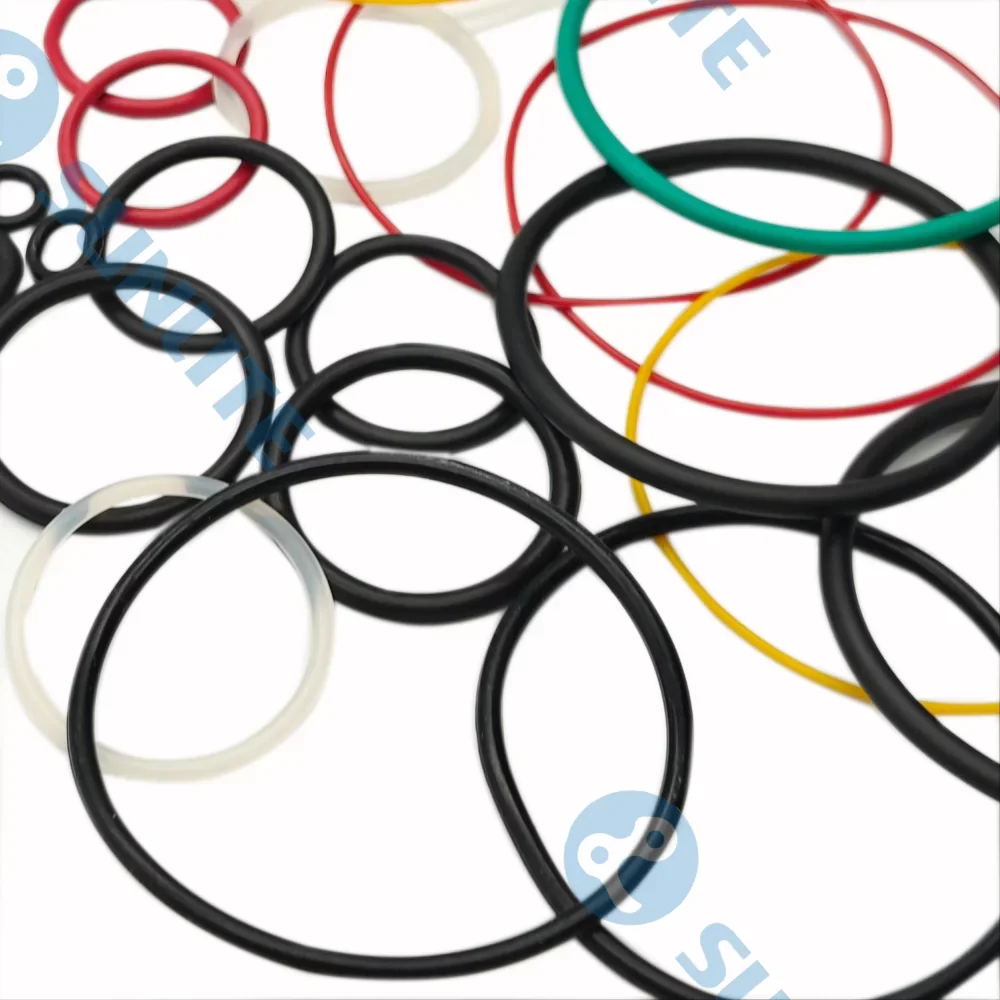
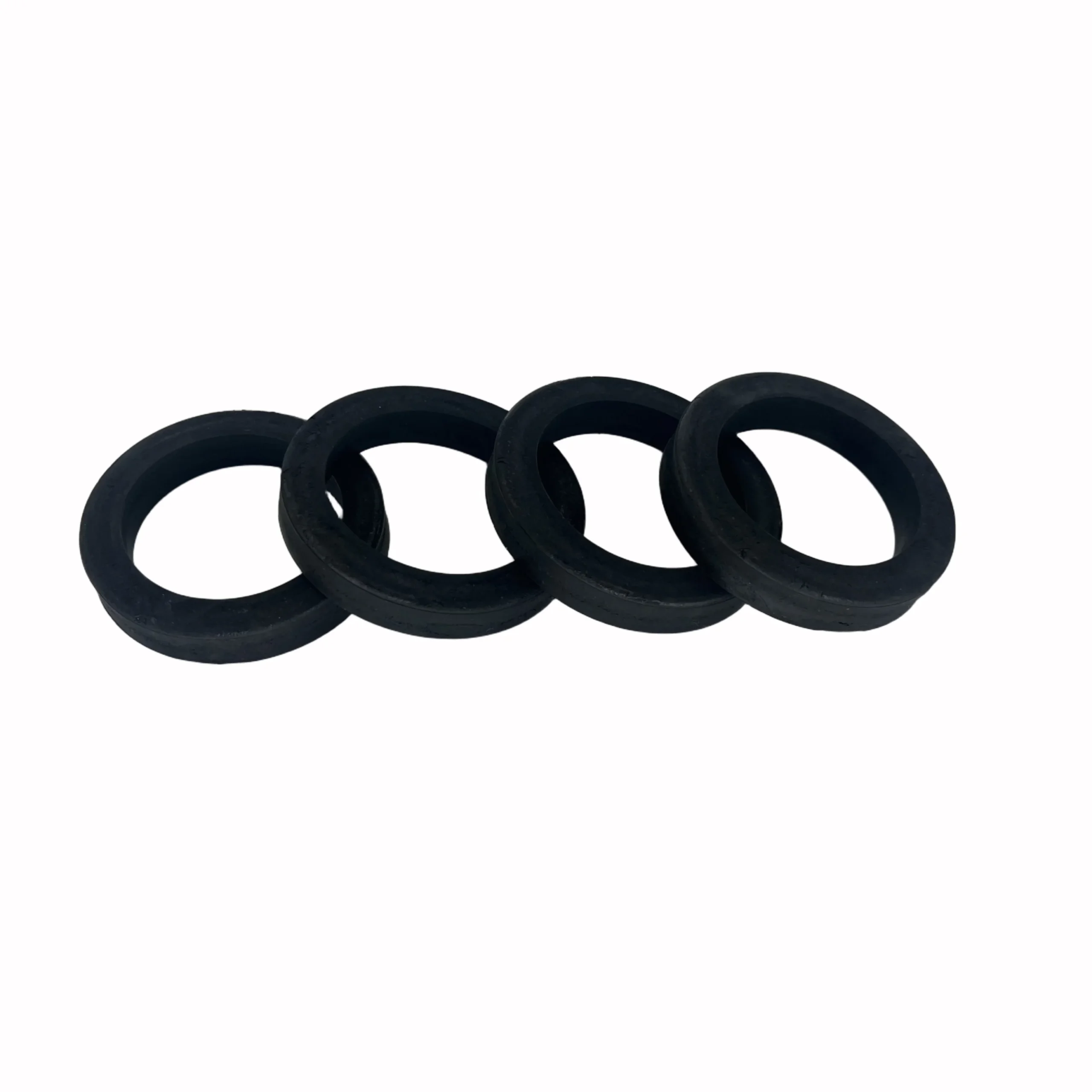
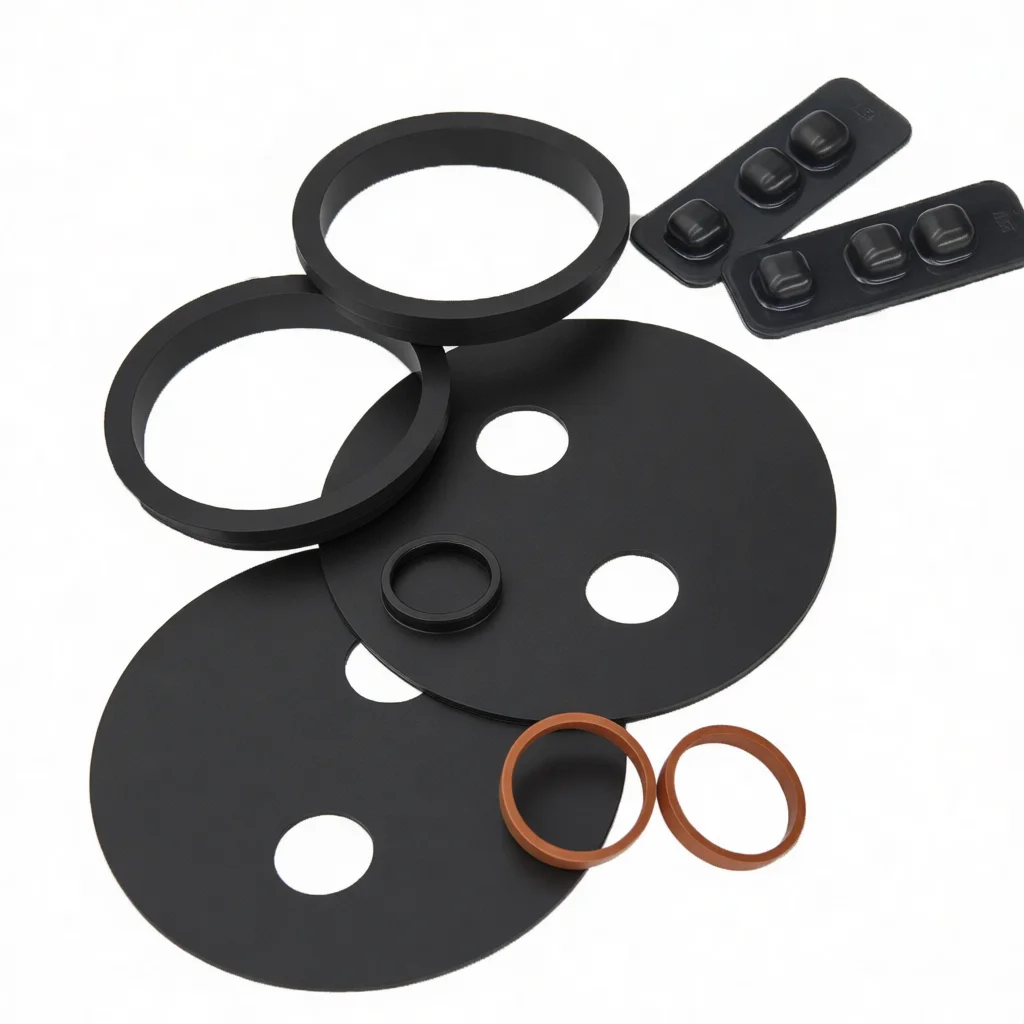
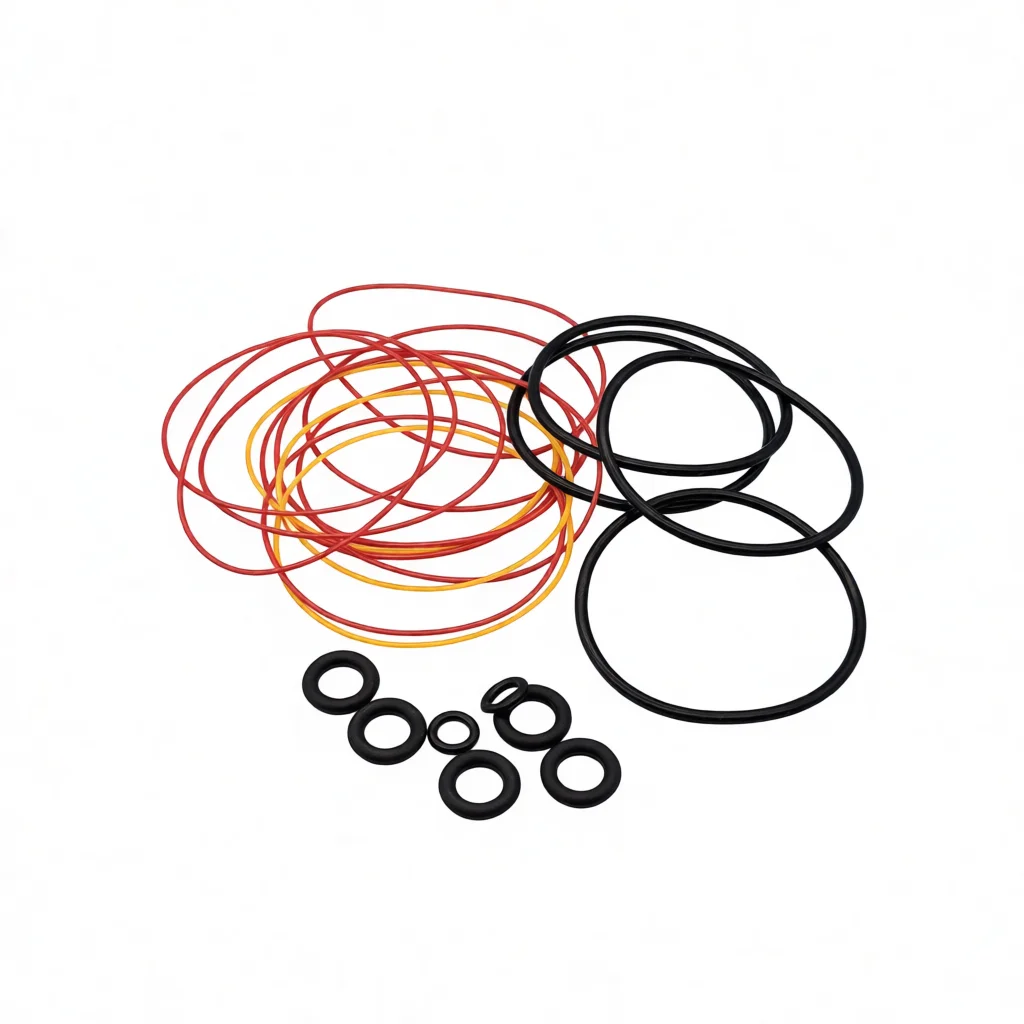
If you pause for a moment, an O ring is simply a doughnut-shaped gasket typically made from flexible elastomers. “Heat resistant rubber” refers to specialized compounds engineered to maintain elasticity and sealing ability even under sustained high temperatures. This makes these O rings critical for preventing leaks of liquids or gases in mechanical assemblies that heat up during operation.
Interestingly, these components aren’t just industrial cogs; they contribute significantly to safety and sustainability. For instance, they help reduce leaks of hazardous or environmentally harmful substances — a small part playing into larger ecological efforts.
Key Factors in Heat Resistant Rubber O Rings
1. Durability
These O rings must resist thermal degradation, meaning they keep their shape and elasticity after repeated exposure to heat. Materials like silicone, fluorocarbon (Viton), and EPDM rubber are popular choices.
2. Chemical Resistance
Often operating in harsh chemical environments, these O rings must withstand oils, acids, or solvents without swelling or cracking.
3. Temperature Range
Depending on the material, heat resistant O rings typically endure temperatures from -40°C to over 200°C — critical for sectors like automotive or aerospace.
4. Compression Set Resistance
The ability to avoid permanent deformation after being compressed ensures the seal remains tight, even after repeated service.
5. Compliance with Industry Standards
Many applications require O rings that meet ASTM, ISO, or FDA certification, especially important in food processing or pharmaceutical industries.
Mini Takeaway:
- Choosing the right heat resistant rubber O ring involves balancing durability, chemical resistance, and certification needs for your industry.
Global Applications & Use Cases
These O rings show up in a variety of settings. In the petrochemical fields of the Middle East, they seal valves and pumps operating at high temperatures and pressures. In the food and beverage industry, non-toxic variants resist steam and hot water, ensuring sanitary conditions. Even in disaster relief, resilient sealing components play a role in mobile water purification units—especially critical in remote or harsh environments.
For example, a large-scale electronics manufacturer in Taiwan recently upgraded to fluorocarbon-based O rings for their high-temperature reflow soldering machines, boosting uptime by an estimated 15%. On the humanitarian side, organizations providing portable field sterilizers in sub-Saharan Africa have relied on such O rings to prevent contamination, a vital part of safeguarding health.
Advantages & Long-Term Value
- Cost Efficiency: Longer service life means fewer replacements, cutting maintenance expenses.
- Sustainability: Fewer leaks help reduce environmental hazards and comply with stringent regulation.
- Safety & Reliability: Preventing fluid or gas leaks reduces risk of accidents.
- Trust & Innovation: High-quality materials reflect a brand’s commitment to excellence and forward-thinking design.
Frankly, investing in good heat resistant rubber O rings is one of those choices that feels small but pays dividends over time—both practically and ethically.
Product Specification Table
| Specification | Typical Range | Comments |
|---|---|---|
| Material | Silicone, Viton (FKM), EPDM | Chosen by application environment |
| Operating Temperature | -40°C to 230°C | Depends on elastomer type |
| Hardness (Shore A) | 40-90 | Affects seal compression |
| Compression Set | 10% max after 70 hrs @ 200°C | Indicates long-term elasticity |
Vendor Comparison: Heat Resistant O Ring Suppliers
| Vendor | Material Options | Price Range (per unit) | Certification | Global Shipping |
|---|---|---|---|---|
| SunliteTek | Silicone, Viton, EPDM | $0.15 - $0.50 | ISO 9001, FDA | Yes |
| SealPro Inc. | Viton only | $0.30 - $0.70 | ISO 9001 | Limited |
| Global Seals | EPDM, Silicone | $0.10 - $0.40 | FDA | Yes |
Future Trends and Innovations
Looking forward, the quest for ever more resilient and environmentally responsible O rings is heating up (no pun intended). Industry leaders are exploring bio-based elastomers that maintain heat resistance but reduce reliance on petrochemicals. Others are testing nano-reinforced rubbers that improve both heat and wear resistance.
On the digital front, smart sealing technologies incorporating embedded sensors could soon allow real-time monitoring of O ring health — a thrilling prospect for predictive maintenance aficionados.
Challenges & Expert Solutions
Of course, it’s not all smooth sailing. One common headache is the compromise between cost and performance. High-grade materials like Viton O rings can be pricey, pushing companies to seek cost-effective alternatives without sacrificing reliability.
Experts advocate meticulous application assessments and partnering with trusted suppliers. Custom compounding and rigorous testing — often guided by ISO standards — help mitigate risks before field deployment.
FAQ: Frequently Asked Questions About Heat Resistant Rubber O Rings
- Q: What heat range can typical silicone O rings handle?
A: Silicone O rings generally withstand from -55°C up to 230°C, making them excellent for broad applications involving fluctuating temperatures. - Q: Are heat resistant rubber O rings suitable for food-grade applications?
A: Yes, when manufactured to FDA standards, heat resistant O rings like those made from FDA-approved silicone or EPDM are safe for food and beverage industries. - Q: How do I know which material is best for my operation?
A: Selecting the right elastomer depends on temperature, chemicals encountered, and pressure. Consulting with suppliers who offer detailed specs and testing data is key. - Q: Can heat resistant O rings be reused after disassembly?
A: Generally, no. Once compressed and exposed to heat, O rings tend to lose elasticity. Replacement ensures optimal sealing and safety.
Conclusion
In real terms, heat resistant rubber O rings might be small but their impact is anything but. They ensure safety, reduce costs, and adapt to the needs of forward-looking industries. Embracing these reliable sealing solutions is a smart move for anyone serious about longevity and performance.
If you want to explore quality heat resistant rubber O rings tailored for your needs, I encourage you to visit our site at https://www.sunlitetek.com — where innovation meets trust.
Oddly enough, I find something almost poetic about a tiny ring keeping the complex machinery of modern industry running smoothly—sort of a humble guardian against chaos.
References

Understanding Heat Resistant Rubber O Rings: Essential […]