Select Language
 Understanding Green Rubber O Rings: Essential Components for Sustainable Sealing Solutions
Green rubber O rings — you might have seen them tucked into machinery, plumbing, or automotive assemblies without giving them much thought. These simple but vital components seal connections to prevent leaks and contamination. But beyond their humble appearance lies a story of sustainability, innovation, and global industrial relevance that’s worth exploring, especially as industries worldwide pivot toward eco-friendly solutions.
Why Green Rubber O Rings Matter Globally
In an age where sustainability drives manufacturing choices, green rubber O rings play a pivotal role in minimizing environmental impact. According to an ISO report, industries account for nearly 30% of global energy consumption, with sealing solutions impacting equipment efficiency and durability. Choosing the right O ring, especially environmentally preferable ones like green rubber variants, can reduce waste through longer lifespans and less frequent replacement.
Moreover, in sectors relying heavily on fluid containment — from water treatment plants in Europe to agriculture irrigation systems in Asia — these seals ensure reliable operations, limiting leaks that otherwise contribute to environmental degradation. I suppose it’s easy to overlook O rings, but they do quietly support many sustainable practices worldwide.
What Exactly Are Green Rubber O Rings?
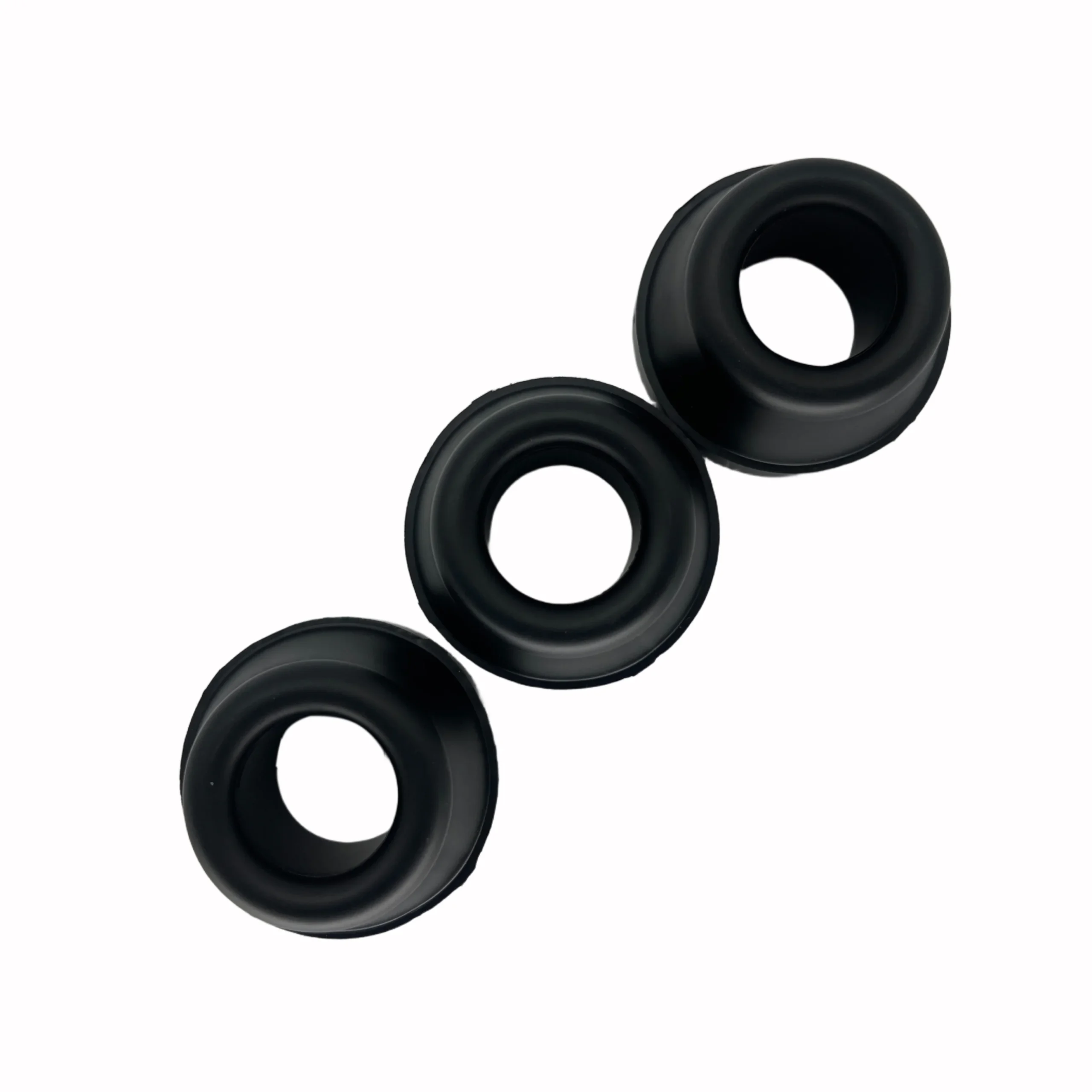
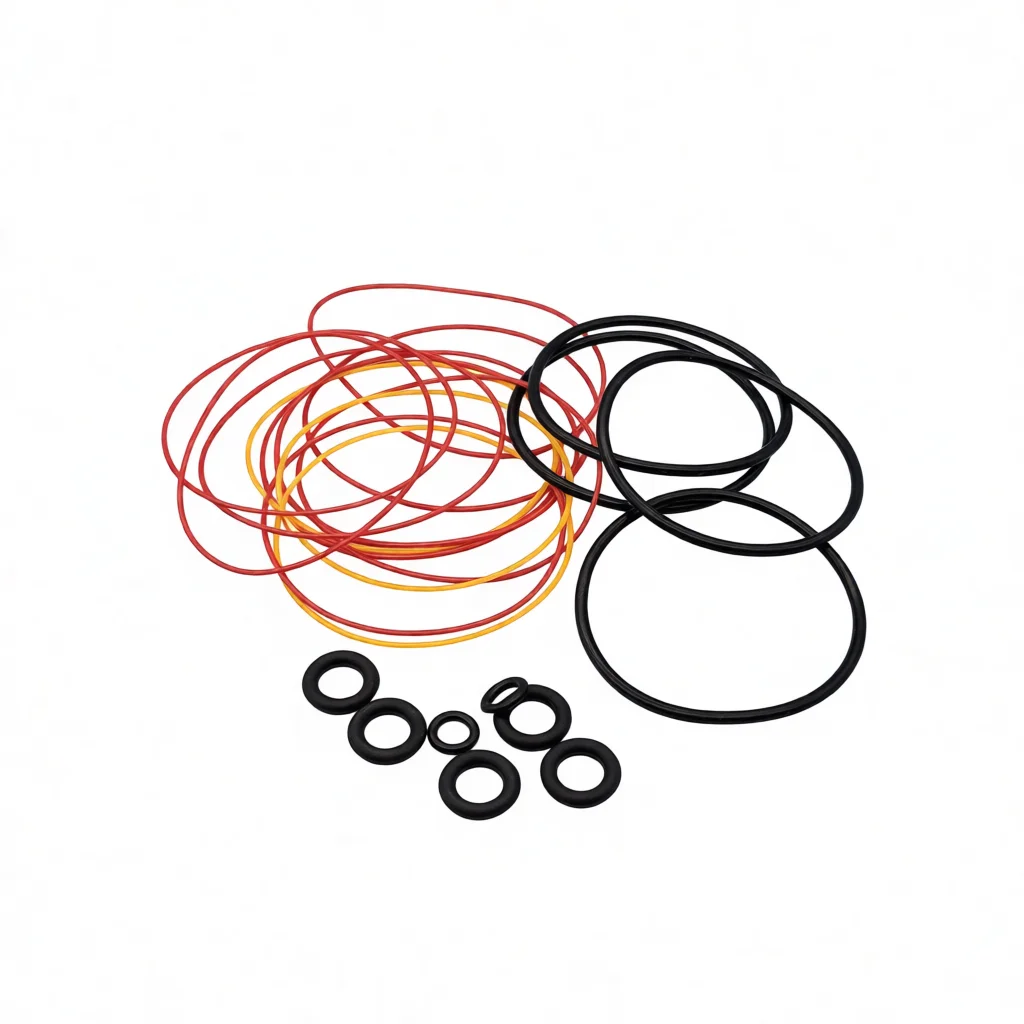
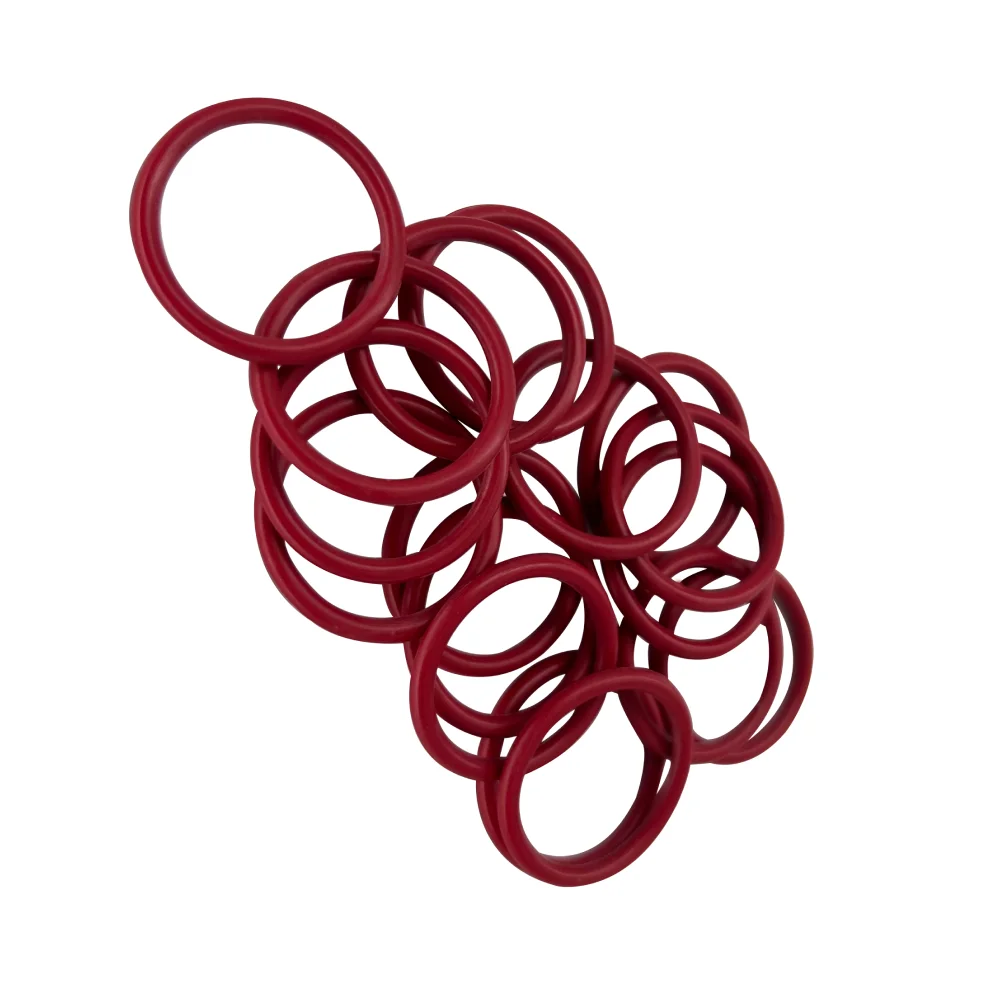
At their core, green rubber O rings are circular elastomeric seals, traditionally used to create leak-proof joints between two or more parts. What sets the “green” variety apart is both material composition and environmental consideration. These O rings often incorporate eco-friendly rubbers such as hydrogenated nitrile (HNBR) or fluorosilicone compounds manufactured with greener processes, sometimes featuring additives that reduce petroleum dependence or emissions during production.
In practical terms, they’re the unsung heroes in mechanical assemblies, from automotive engines to food-grade packaging machinery, sealing out contaminants and preserving system integrity. Their green tint often identifies their compliance with environmental standards or their enhanced chemical resistance.
Key Factors of Green Rubber O Rings
1. Durability & Chemical Resistance
Green rubber O rings typically excel at withstanding extreme temperatures, oils, acids, and abrasive fluids. For example, HNBR options resist heat up to 150°C, making them apt for automotive and industrial use. Their robustness reduces the frequency of seal changes, cutting down waste — a tangible sustainability win.
2. Environmental Compliance
Many green rubber O rings adhere to ISO 14001 environmental management systems or RoHS standards restricting hazardous substances. This means less pollution and safer reuse or disposal practices.
3. Cost Efficiency
While sometimes priced slightly higher than standard O rings due to specialized materials, the lifecycle cost often proves lower because of improved longevity and decreased maintenance.
4. Versatility & Scalability
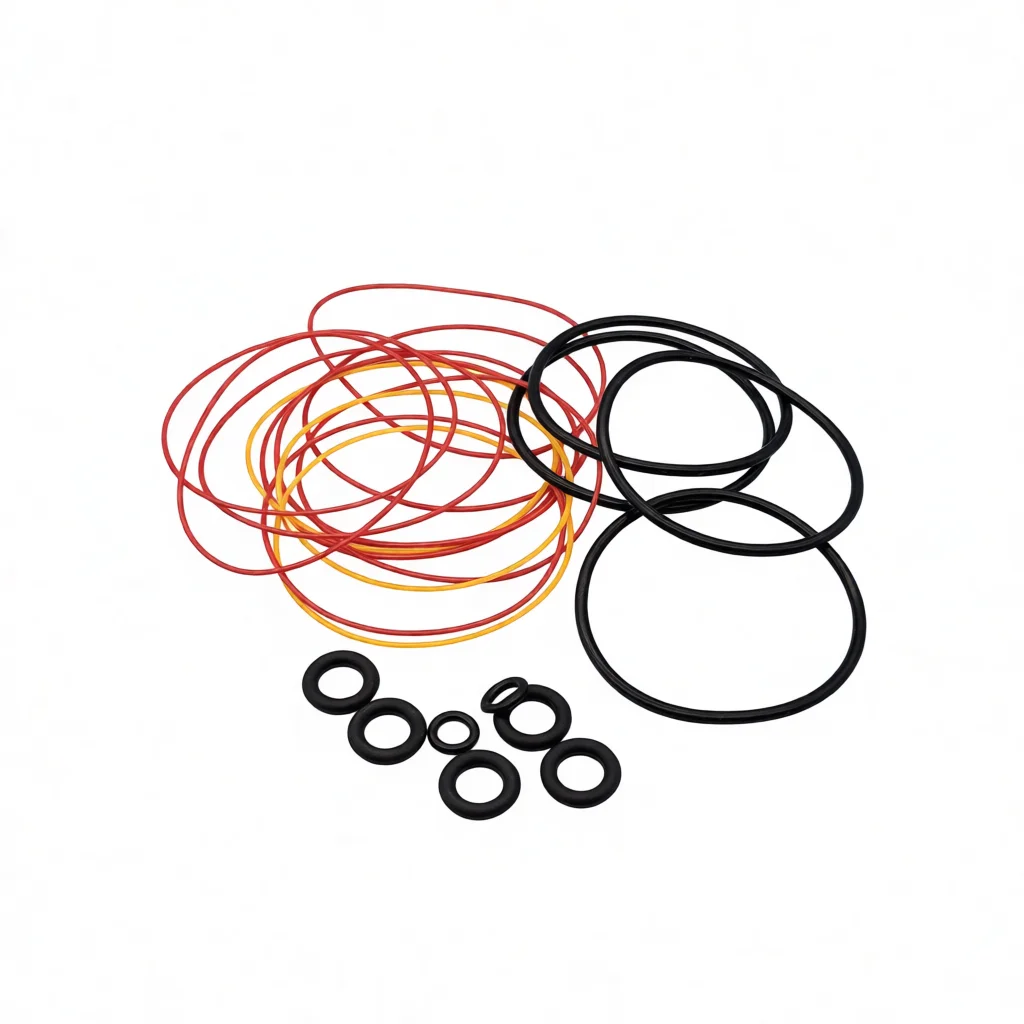
These seals come in various sizes and hardness levels, adapting to different pressure ranges and design needs — from small hydraulic fittings to large industrial pipe flanges.
Product Specification Table for a Typical Green Rubber O Ring
| Specification | Details |
|---|---|
| Material | Hydrogenated Nitrile Butadiene Rubber (HNBR) |
| Color | Green |
| Hardness (Shore A) | 70-90 |
| Temperature Range | -40°C to 150°C |
| Chemical Resistance | Oils, fuels, acids, alkalis |
| Certifications | ISO 9001, RoHS Compliant |
Global Applications and Use Cases
Green rubber O rings are literally everywhere — though you wouldn’t notice them unless you work with seals daily. They play critical roles in:
- Water and Wastewater Treatment: Reliable sealing prevents water contamination and leakage, vital in municipal plants across North America and Europe.
- Automotive Industry: Green O rings help cars run cleaner and longer, fitting into fuel systems and emissions controls worldwide, notably in growing Asian markets.
- Aerospace and Defense: Here, durability is paramount, often under grueling conditions in the US and EU.
- Food and Beverage Processing: The food-grade varieties ensure safety and hygiene, used extensively in processing lines across South America.
Oddly enough, these green seals also show up in humanitarian logistics, protecting water tanks and medical equipment in regions affected by natural disasters. Their reliability can make a big difference where resources are scarce.
Vendor Comparison: Leading Green Rubber O Ring Suppliers
| Vendor | Material Options | Environmental Certifications | Typical Lead Time | Price Range |
|---|---|---|---|---|
| SunliteTek | HNBR, Fluorosilicone | ISO 9001, RoHS | 2–3 weeks | Moderate |
| EcoSeal Corp. | Biodegradable NBR | ISO 14001 | 4–5 weeks | High |
| GreenSeal Ltd. | HNBR, Recycled Rubber | RoHS, REACH | 3 weeks | Moderate to High |
Advantages and Long-Term Value of Green Rubber O Rings
Really, the benefits extend beyond just technical performance. There’s a social and environmental story here, too. Using these O rings decreases the frequency of part failures, which means fewer unscheduled maintenance shutdowns and less downtime — a huge plus for any operation.
From a sustainability angle, fewer replacements equate to less industrial waste. Plus, many green rubber materials are recyclable or at least safer to dispose of, softening the environmental footprint.
On a more emotional note, there’s reassurance in knowing your machinery is sealed with components chosen for reliability and greener manufacturing — it builds trust internally with teams and externally with clients.
Future Trends and Innovations
The rubber industry is not standing still. New bio-based elastomers, nanocomposite enhancements, and digital production methods like 3D printing are poised to revolutionize how O rings are made and perform.
There’s also a push towards fully circular economies with recycled or biodegradable seals, encouraged by stricter environmental policies worldwide. Industry 4.0 technologies will monitor seal health remotely, improving preventative maintenance.
Challenges and Solutions
Of course, no technology is without hurdles. Green rubber O rings sometimes face challenges with heat aging or extreme chemical exposure where conventional materials outperform. Sourcing sustainable raw materials remains tricky and may affect supply chains.
However, material scientists and vendors like SunliteTek actively collaborate on novel formulations that bridge gaps in performance and environmental impact.
FAQ: Common Questions About Green Rubber O Rings
- Q: How do green rubber O rings differ from standard ones?
A: Green rubber O rings include environmentally friendly materials and are often produced with reduced VOC emissions or recycled content. They also meet stricter environmental certifications, making them better for sustainable applications. - Q: Can green rubber O rings handle high temperatures?
A: Many green rubber types, like HNBR, withstand temperatures up to 150°C, suitable for automotive and industrial needs, though application specifics matter. - Q: Are these seals suitable for food and beverage industries?
A: Yes, there are FDA- and NSF-compliant green rubber O rings designed for food safety, ensuring no contamination or taste alteration. - Q: Can green rubber O rings be customized?
A: Manufacturers typically offer custom sizes, hardness levels, and formulations based on client specs to fit diverse equipment needs effectively.
Conclusion
To wrap it up, green rubber O rings represent more than just sealing components — they symbolize a step toward integrating sustainability and reliability in everyday industrial applications. Their durability, environmental compliance, and adaptability make them a smart choice for businesses aiming for efficient, eco-conscious operations.
Interested in exploring high-quality green rubber o rings for your projects? Visit SunliteTek’s website for expert advice and tailored solutions that bridge innovation with sustainability.
In real terms, these little seals quietly shape big outcomes — stronger seals, safer operations, and greener choices.
References:
1. ISO: Environmental Management Systems – ISO 14001
2. World Bank Industry Data on Energy Consumption (https://data.worldbank.org)
3. FDA Compliance for Food-Grade O Rings (https://www.fda.gov)

Understanding Green Rubber O Rings: Essential Component […]