

 Select Language
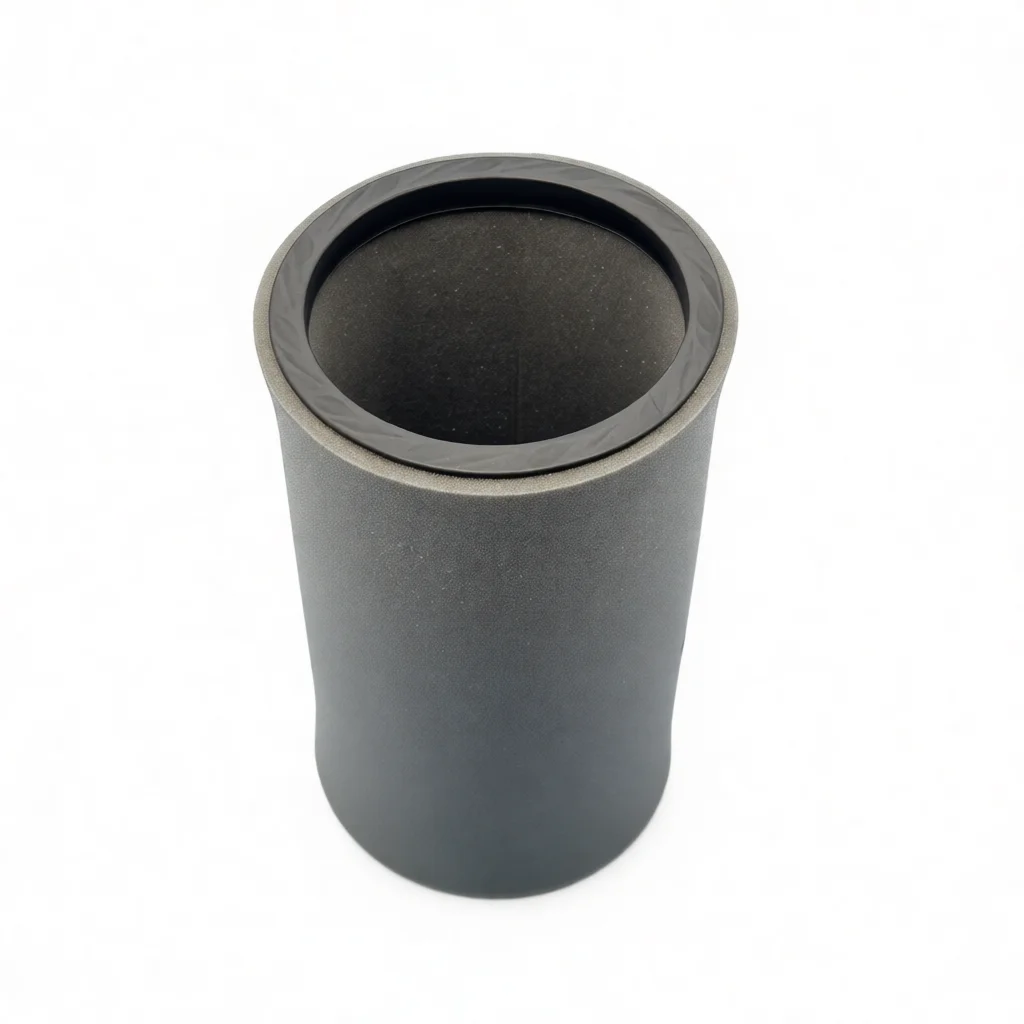
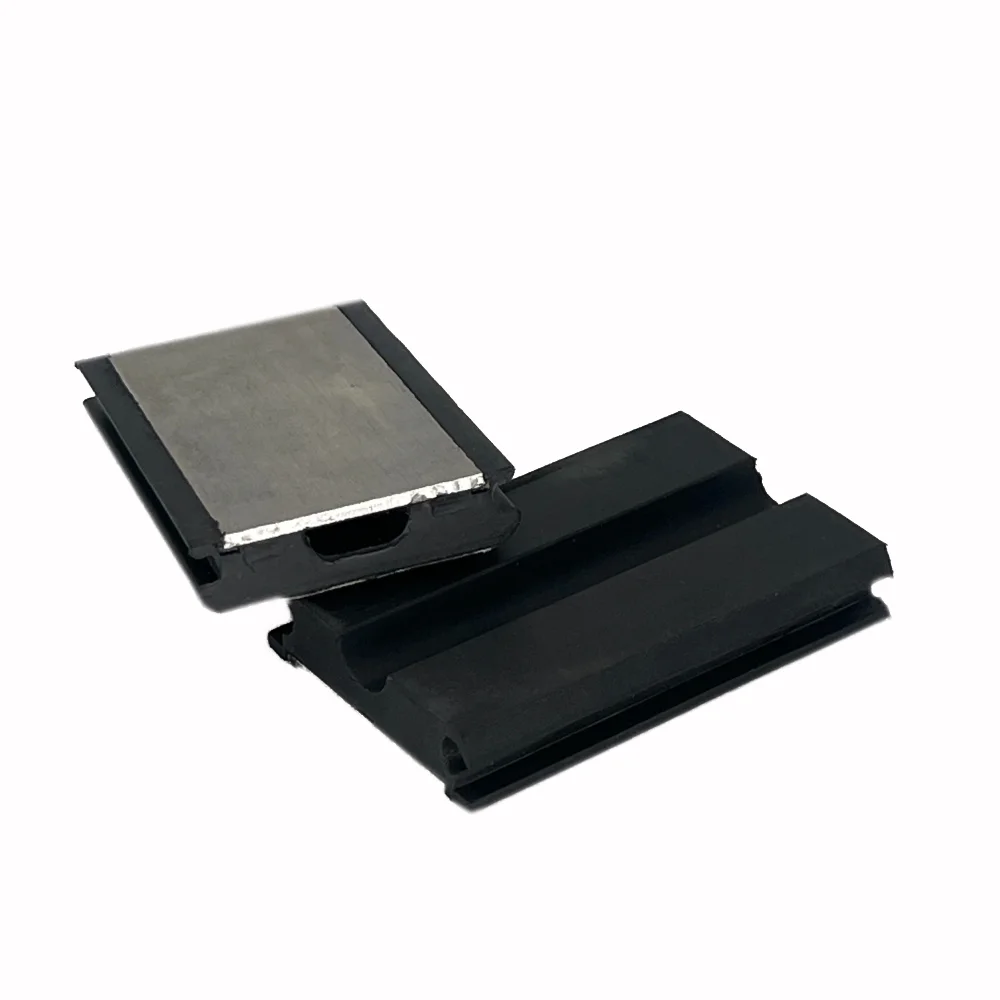
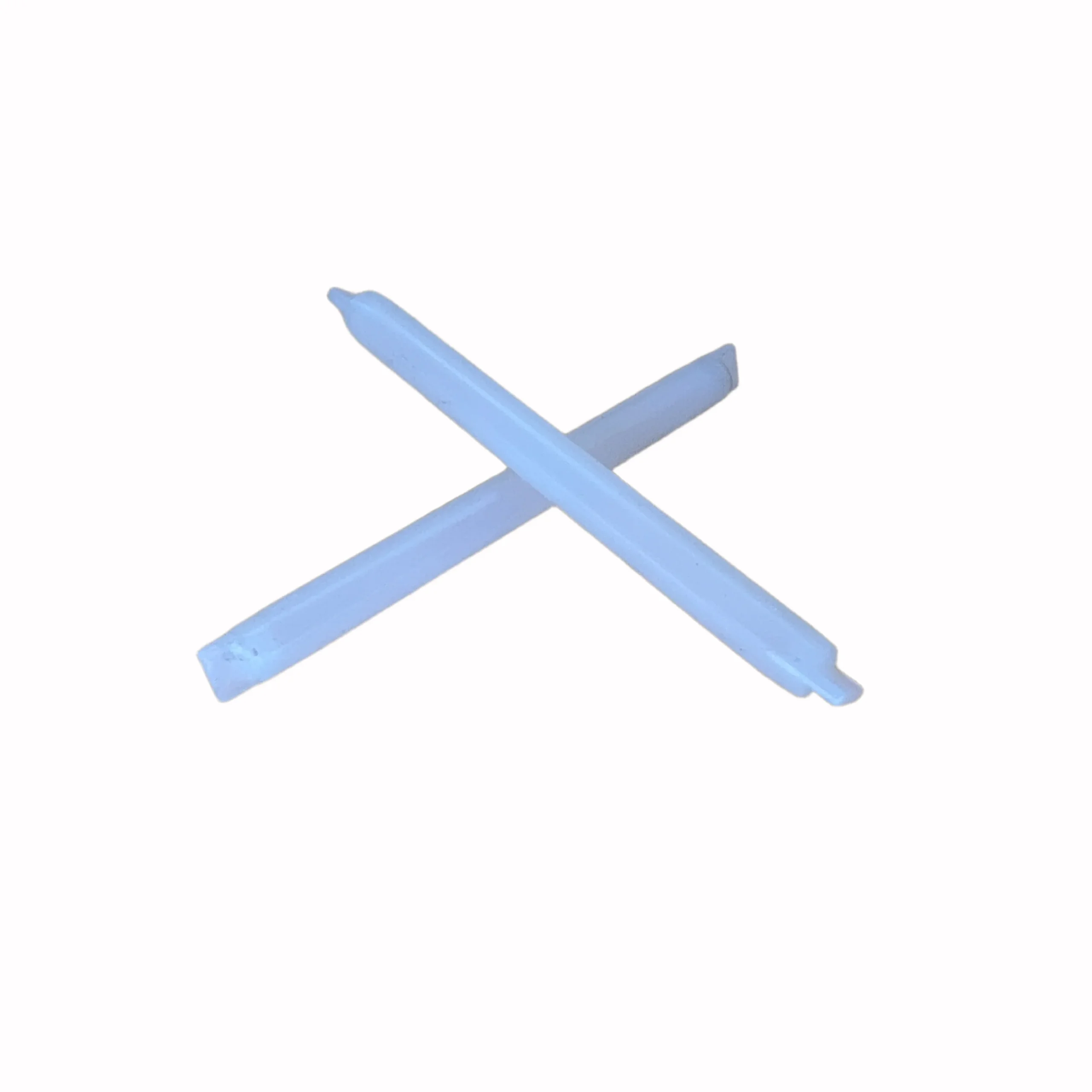
In the rapidly evolving landscape of portable power and electric mobility, the focus often settles on energy density and charging speeds. However, the internal mechanical environment of a battery pack is equally decisive in determining the longevity and safety of the device. As power tools and industrial equipment transition to higher voltages and more compact designs, the internal architecture must be reinforced with specialized materials that can handle mechanical stress and thermal fluctuations simultaneously. This has propelled the high quality battery pad into a central role within the engineering process, serving as the silent guardian of cell alignment and electrical safety.
Material Resilience and the Global Battery Pad Exporter
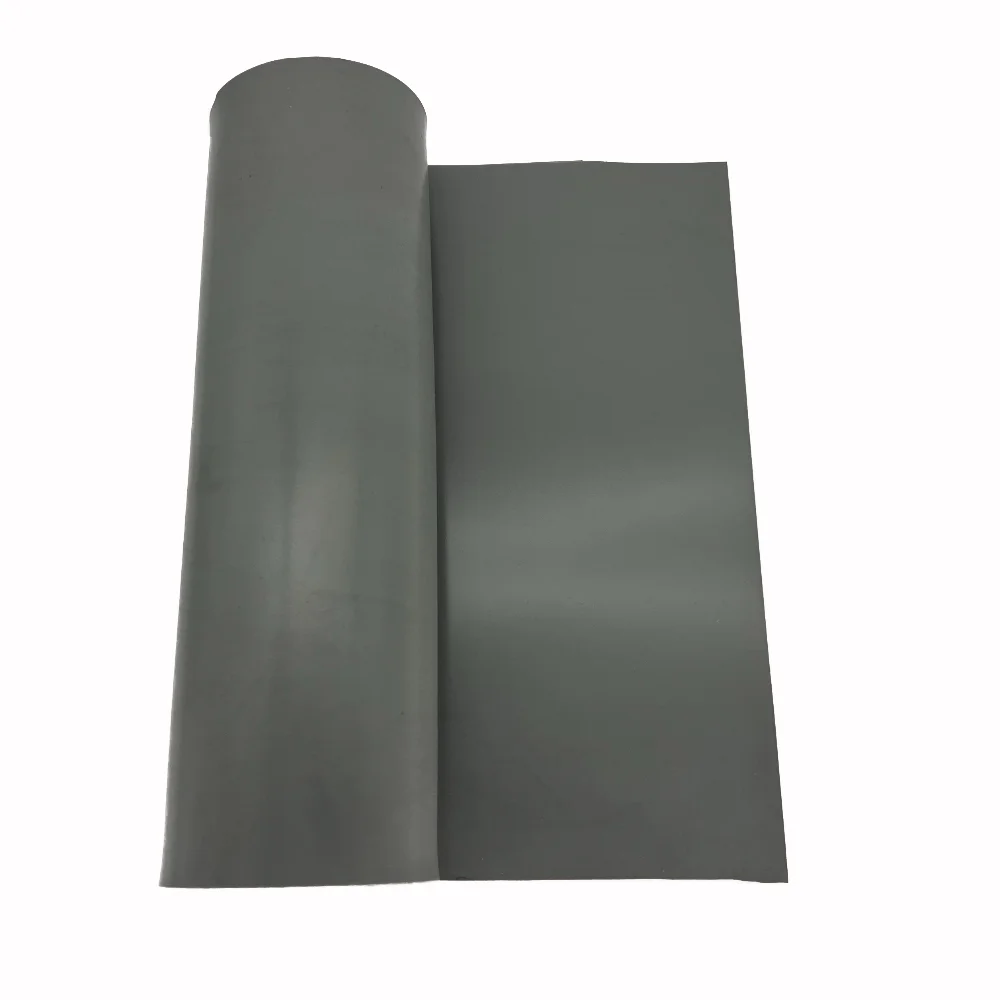
The international demand for high-performance elastomers is driven by the need for components that can survive the rigorous life cycle of modern lithium-ion systems. A leading battery pad exporter must provide materials that do not simply exist within a battery pack but actively contribute to its survival. Ethylene Propylene Diene Monomer (EPDM), when compounded with high-efficiency, halogen-free flame retardants, offers a level of chemical and thermal stability that traditional rubber cannot match. This material is particularly valued by international manufacturers because it maintains its mechanical properties—such as high rebound and low compression set—even after years of exposure to the heat generated during rapid discharge cycles.
For a battery pad exporter, the ability to prove that a battery pad product maintains its structural integrity for up to 8 years is a significant technical benchmark. In large-scale industrial battery modules, where hundreds of cells are packed in tight configurations, any loosening or degradation of the positioning material could lead to internal friction, short circuits, or thermal runaway. By delivering an EPDM battery pad that adheres to UL94 V0 flame retardancy standards, exporters ensure that global safety protocols are met, allowing for the seamless integration of these components into products destined for the most regulated markets in the world.
Advanced Antistatic Preparation at the Battery Pad Factory
Safety in energy storage is a multi-dimensional challenge that extends beyond flame retardancy. Static electricity is a pervasive threat that can interfere with sensitive battery management systems (BMS) or ignite flammable vapors in the event of a cell breach. At a specialized battery pad factory, the integration of antistatic preparation technology has become a core competency.
This process requires a sophisticated understanding of molecular design. The goal of the battery pad factory is to realize the antistatic function without compromising the fundamental "high-rebound" nature of the elastomer. Through precise process control, the material becomes a functional safety tool that eliminates static buildup while continuing to act as a vibration damper and thermal buffer. This duality of purpose is essential for electric tool battery compartments and electrical isolation between casings, where the battery pad product must provide mechanical fixing while simultaneously managing the electrical environment to prevent sparks and safety accidents.
Bespoke Engineering and the Demand for a Custom Battery Pad
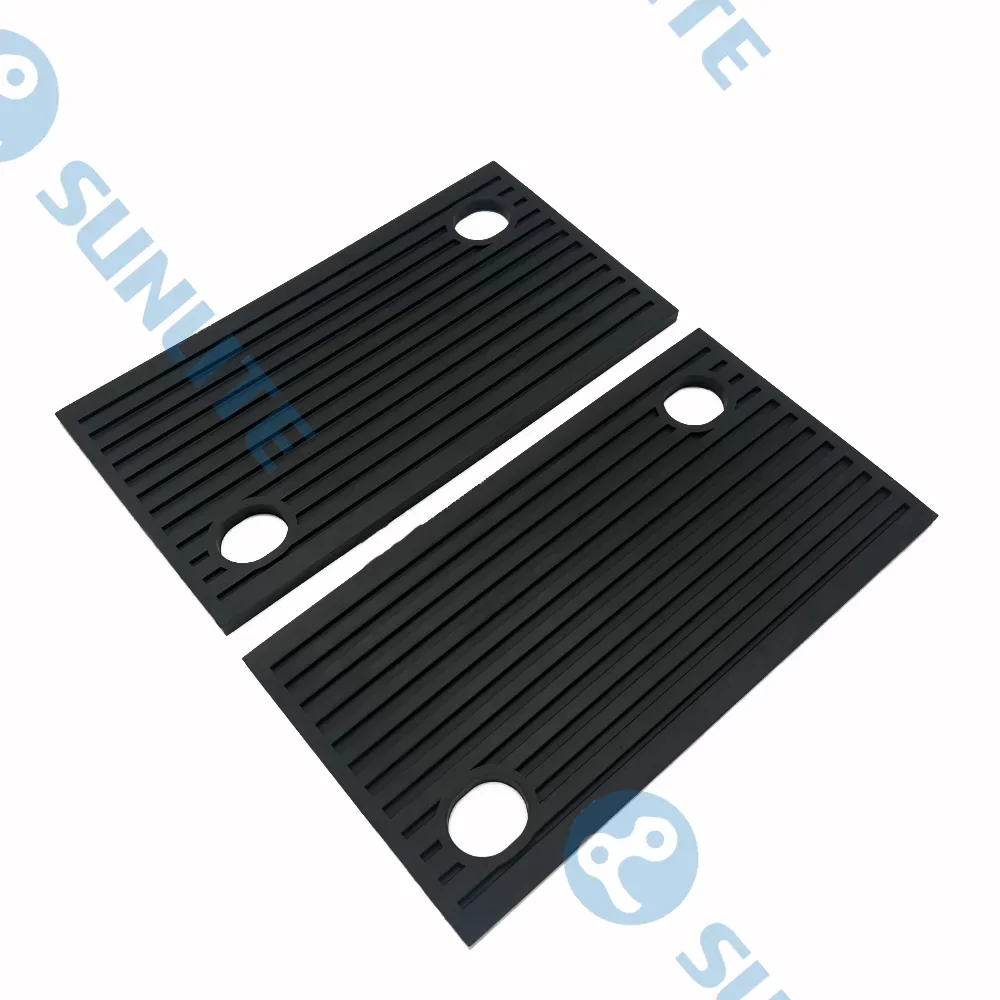
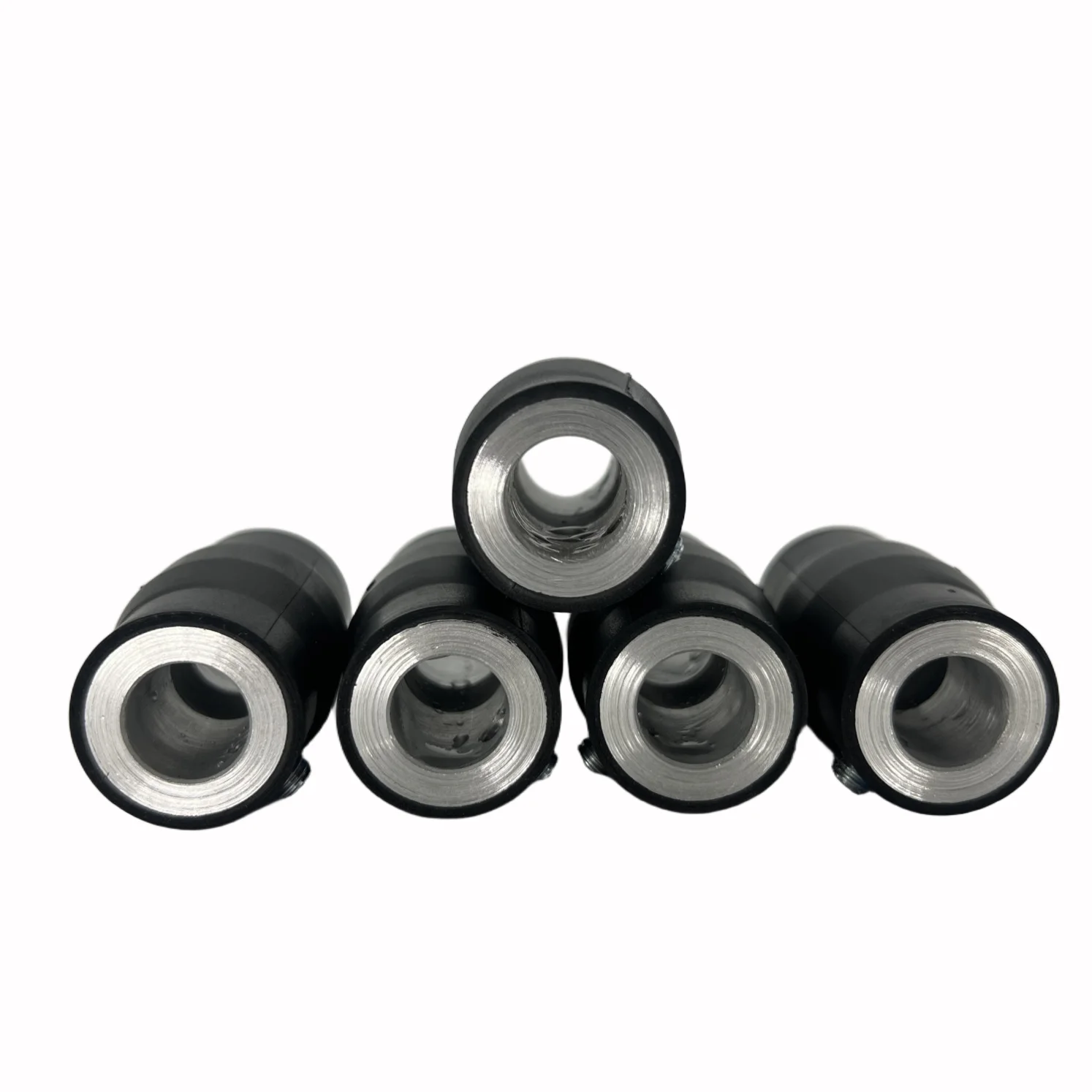
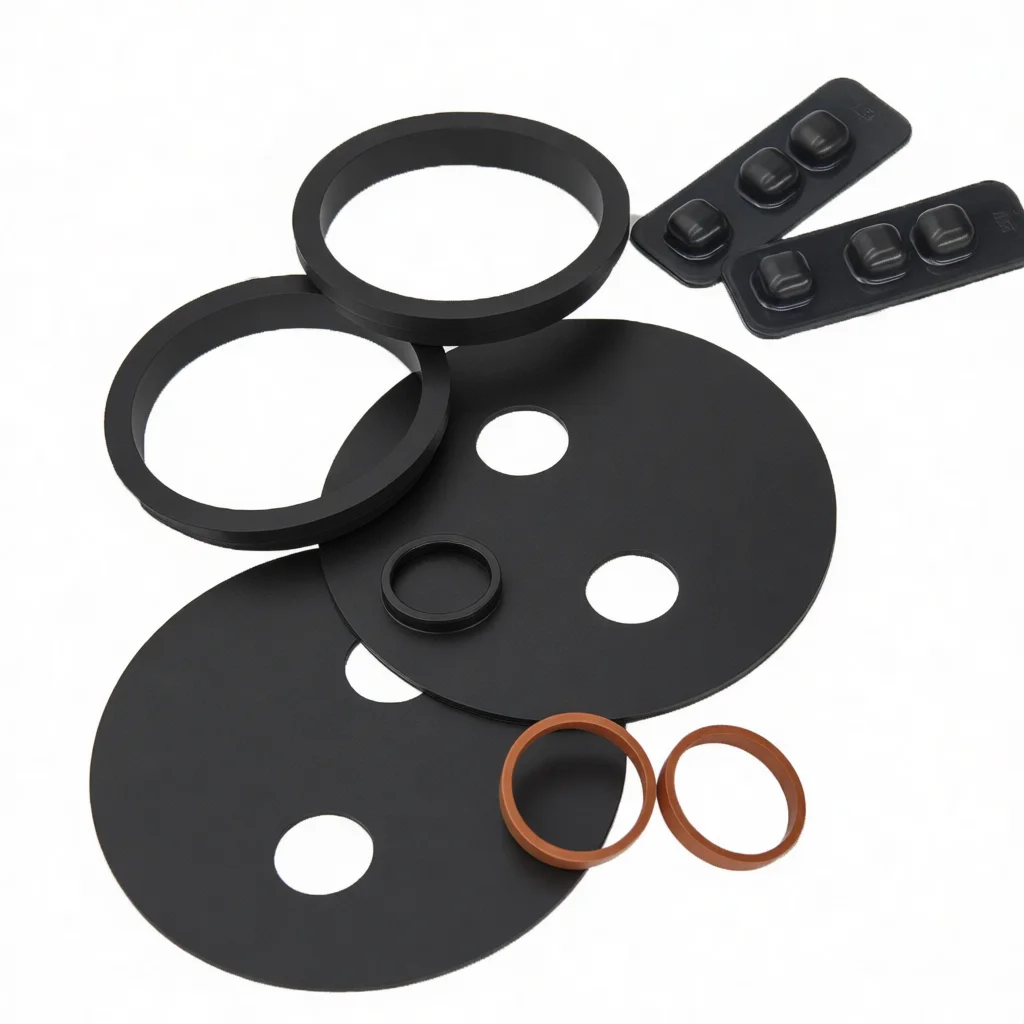
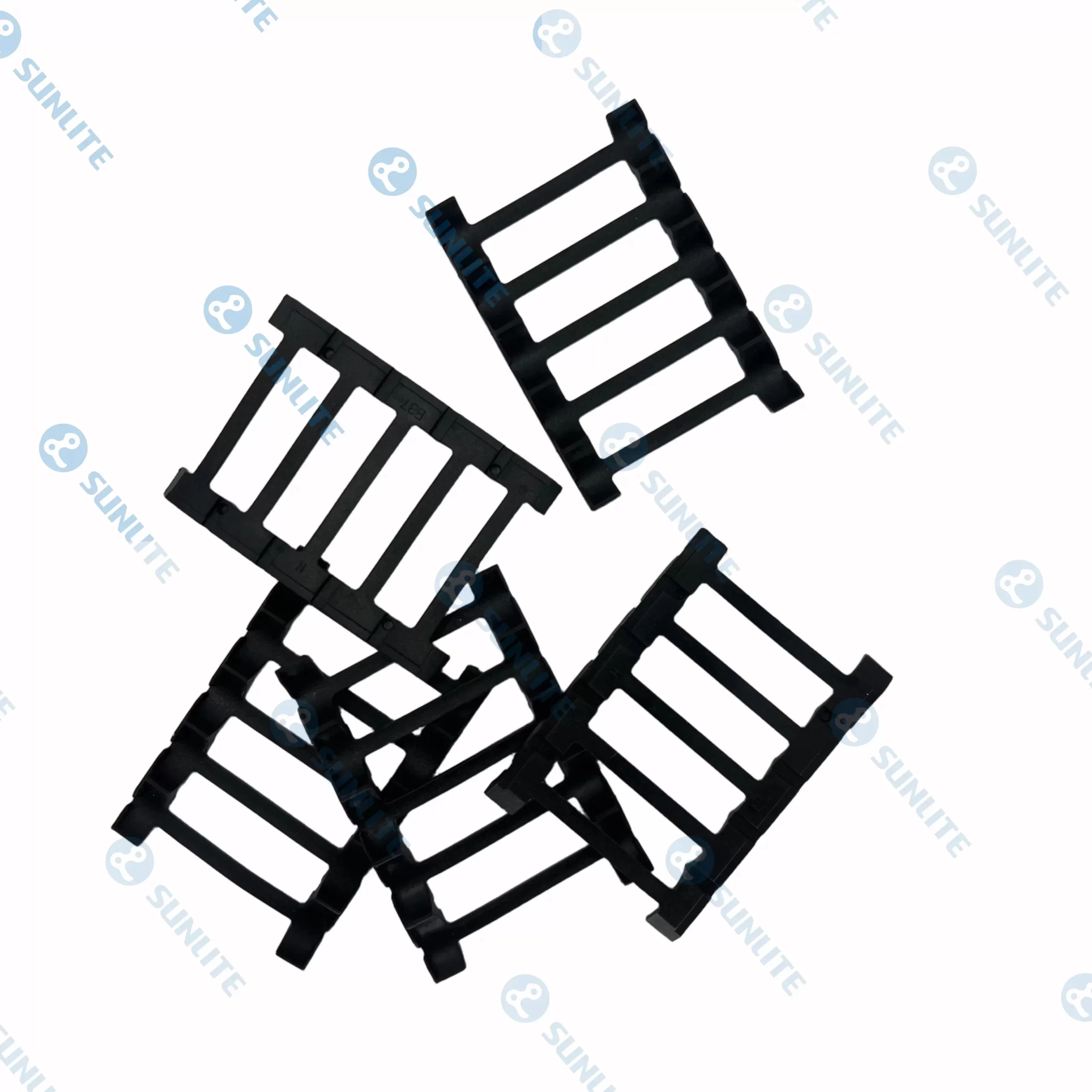
As the variety of battery cell form factors increases—from cylindrical 21700 cells to prismatic and pouch designs—the need for standardized components is being replaced by the necessity for a custom battery pad. Every battery pack has a unique internal topography, requiring positioning rubber strips and gaskets that are tailored to specific dimensions and pressure requirements. Supporting customization based on drawings and samples allows a battery pad supplier to provide solutions that are "perfect fit," ensuring that cells are fixed firmly in their plastic boxes without excessive stress that could damage the cell casing.
A custom battery pad is often the result of intensive collaboration between material scientists and airframe or casing designers. For example, in high-power environments, a pad might need to serve as a thermal buffer, preventing the heat from one cell from creating a "hot spot" that affects its neighbor. By adjusting the density and the thickness of the EPDM compound, the battery pad supplier can fine-tune the impact resistance and vibration absorption qualities of the pad. This ensures that the battery pack can withstand the high-impact forces of a construction site or the constant vibrations of a transportation vehicle, providing a guarantee of structural stability throughout the life of the battery.
Sustainability and Compliance of the High Quality Battery Pad
In the modern manufacturing era, technical excellence is inseparable from environmental compliance. A high quality battery pad must be "non-leaching," meaning its chemical constituents—such as flame retardants or plasticizers—must not migrate out of the material over time. This is critical because leaching can lead to the contamination of the battery cells or the embrittlement of the plastic battery box, leading to eventual structural failure. A commitment to environmental regulations like RoHS 2.0, REACH, PAHs, and PFAS is therefore a baseline requirement for any reputable battery pad manufacturer.
The use of halogen-free flame retardants in the EPDM battery pad is another example of this commitment. These materials provide the necessary UL94 V0 protection without releasing toxic gases in the event of a fire, which is a vital consideration for products used in enclosed spaces or indoor environments. By focusing on "clean" chemistry, a battery pad supplier ensures that their products are safe for the end-user and the environment, while providing the long-term reliability required for professional-grade power systems. This focus on compliance and safety is what distinguishes a specialized "Little Giant" enterprise in the competitive world of industrial elastomers.
The Future of Energy Storage with a Leading Battery Pad Manufacturer
The role of a battery pad manufacturer is evolving from a simple parts supplier to a critical engineering partner. As battery packs move toward 800V systems and beyond, the requirements for electrical insulation and thermal management will only become more stringent. The future of the battery pad product lies in the development of even more resilient materials that can provide high rebound and impact resistance across a wider temperature range while maintaining an antistatic safety shield.
Whether it is providing the electrical isolation between battery casings or acting as a thermal buffer in high-power environments, the EPDM battery pad is a fundamental building block of modern energy technology. Through continuous research and improvement, the precise regulation of resistance and mechanical properties has reached an advanced level, allowing these components to meet the needs of the most demanding application scenarios. From the production lines of the battery pad factory to the global distribution networks of the battery pad exporter, the focus remains on delivering a product that ensures the stability, safety, and longevity of the world's power sources.
In the rapidly evolving landscape of portable power and electric mobility, the focus often settles on energy density and charging speeds.