

 Select Language
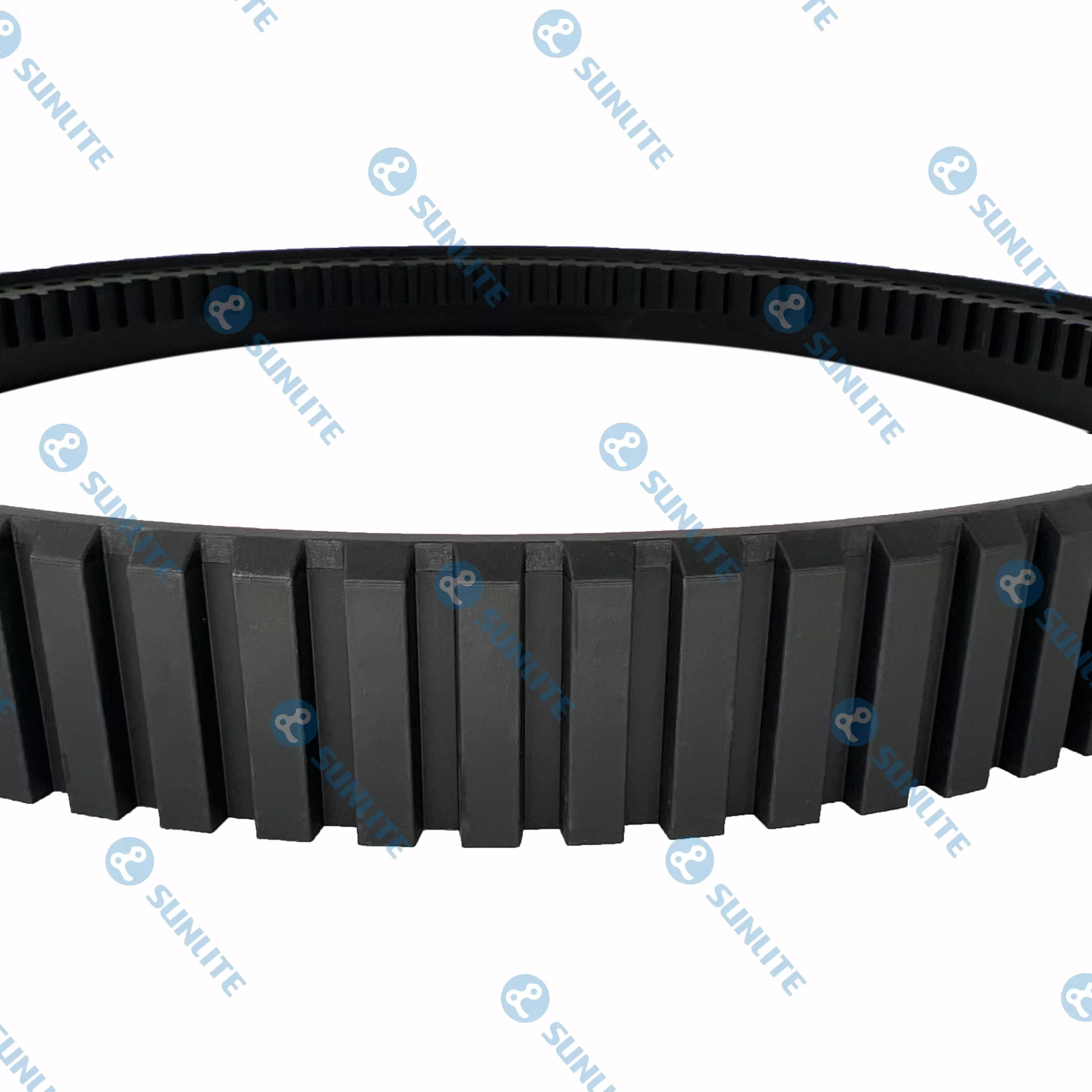
The landscape of global industry is undergoing a seismic shift toward total autonomy. From the deep recesses of subterranean mines to the sprawling expanses of solar farms and heavy construction sites, the demand for mobile platforms that can carry immense payloads is skyrocketing. At the heart of this movement lies the development of heavy duty robot tracks. These are not merely accessories but the fundamental structural components that allow a machine to translate digital intelligence into physical force. As automation moves out of the sterile environment of the laboratory and into the grit of the real world, the mechanical interface—the track—becomes the most critical factor in operational success.
The transition toward heavy-duty systems is driven by the need for robots to perform "work" rather than just "observation." While a small wheeled drone can take photos, a tracked industrial giant can move earth, transport heavy sensors through deep mud, and operate in environments where human presence is a liability. The engineering of heavy duty robot tracks represents a pinnacle of material science, combining high-tensile reinforcements with sophisticated geometries to ensure that the "next generation" of industrial automation is not just smart, but incredibly powerful and physically resilient.
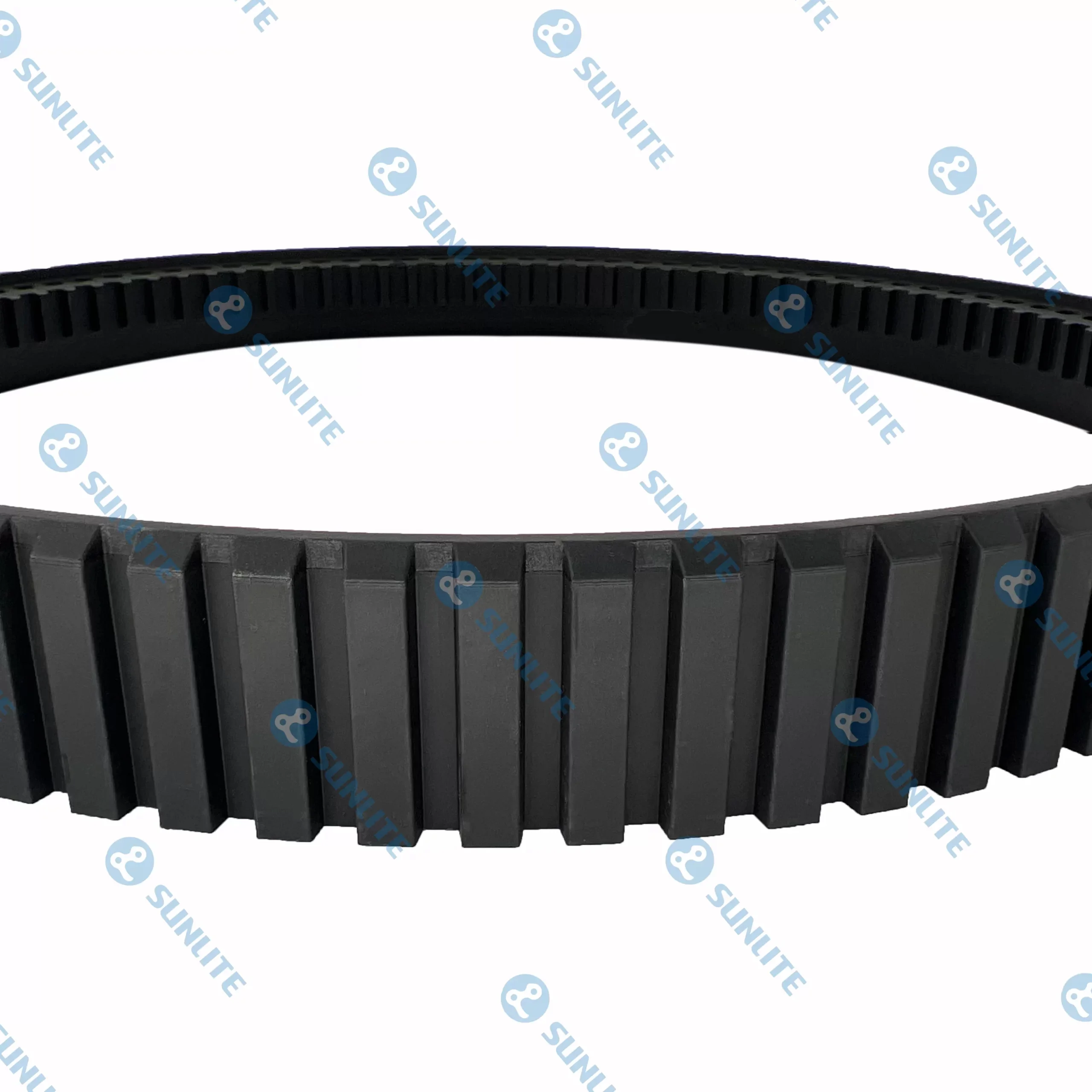
The Structural Integrity of Large Robot Tracks for Massive Payloads
In the realm of industrial robotics, size and weight distribution are the primary hurdles to mobility. When a robotic platform is required to carry heavy batteries, hydraulic arms, or specialized mining equipment, the pressure exerted on the ground can become catastrophic for standard locomotion systems. This is where the integration of large robot tracks becomes indispensable. By expanding the footprint of the machine, these tracks drastically reduce the ground pressure, allowing a multi-ton robot to navigate soft silt, sand, or snow without becoming immobilized.
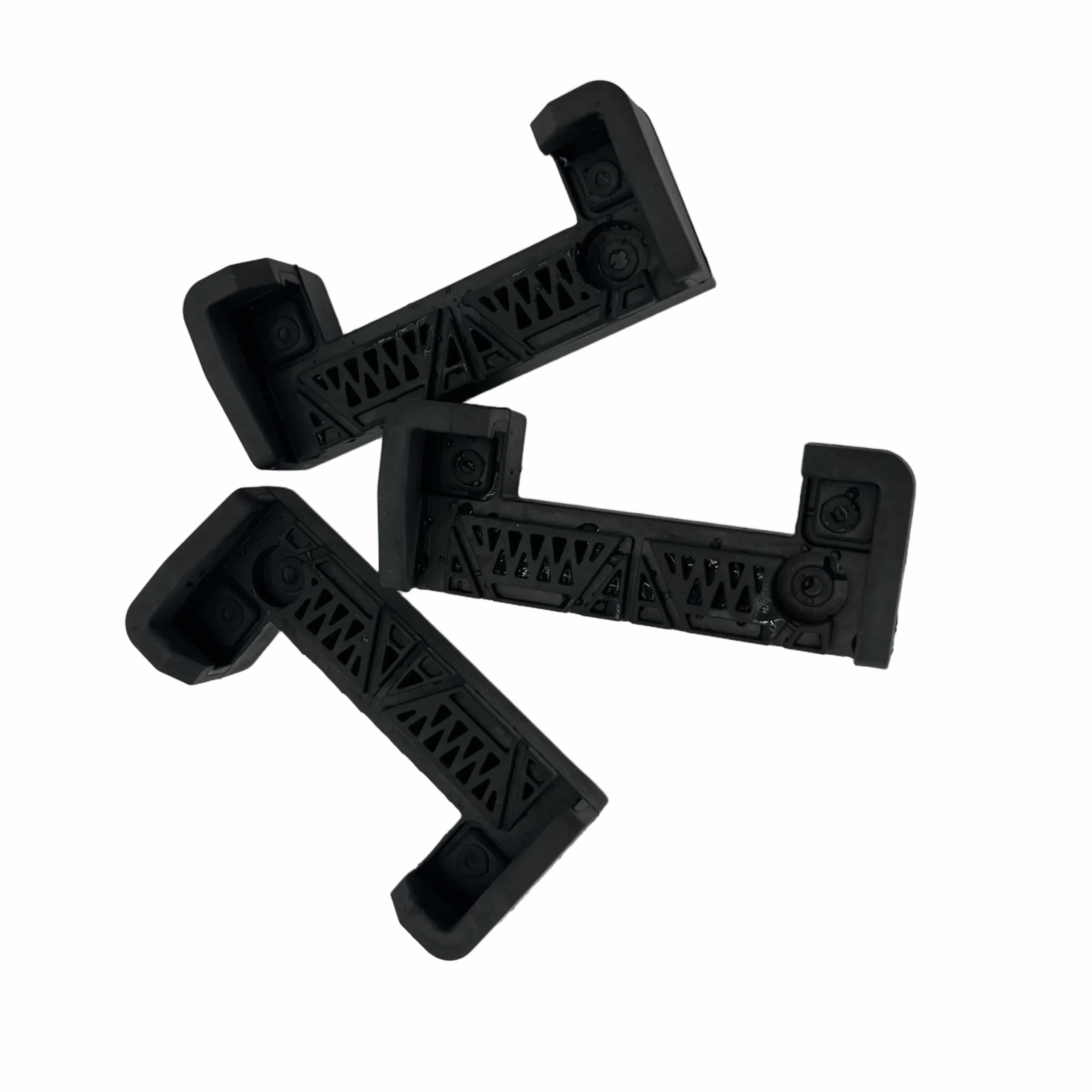
The design of these large-scale systems involves a complex internal architecture. Unlike smaller hobbyist tracks, large robot tracks are built with integrated steel or aramid fiber cores to prevent elongation under extreme tension. When a robot is tasked with climbing a thirty-degree incline while carrying a heavy payload, the shear forces acting on the track are immense. Only through the use of high-density polymers and internal skeletal reinforcements can the track maintain its pitch and prevent derailment. This structural reliability is the bedrock upon which the entire industrial automation sector is currently being built.
The Engineering Expertise of a Premier Robot Track Manufacturer
The creation of high-performance locomotion systems is a specialized field that sits at the intersection of chemistry and mechanical engineering. A leading robot track manufacturer must possess a deep understanding of how different rubber compounds react to environmental stressors like UV radiation, extreme cold, and chemical exposure. For a robot operating in a chemical processing plant or a hazardous waste site, the track must remain inert and maintain its physical properties even when saturated with corrosive fluids.
Furthermore, a professional robot track manufacturer focuses on the synergy between the drive sprockets and the track’s internal lugs. Precision is paramount; if the tooth profile of the drive wheel does not mesh perfectly with the track, the resulting friction leads to heat buildup and premature failure. Modern manufacturers utilize advanced computer-aided design (CAD) and finite element analysis (EA) to simulate the stresses on the track before a single piece of rubber is ever vulcanized. This rigorous approach to manufacturing ensures that when an industrial robot is deployed in a remote location, its mobility system is the last thing the operators have to worry about.
Navigating Extreme Terrains with Robot Tank Tracks
The military has long utilized the "tank" design for its ability to go anywhere, and industrial automation has successfully adopted this philosophy through robot tank tracks. The continuous loop design allows a robot to effectively "carry its own road," bridging gaps, crossing trenches, and climbing over obstacles that would be impassable for even the most advanced 4x4 wheeled systems. This "all-terrain" capability is essential for the next generation of infrastructure inspection and emergency response robots.
In a search-and-rescue scenario or a disaster recovery mission, the ground is rarely stable. It is often a chaotic mix of rubble, rebar, and loose soil. robot tank tracks provide the mechanical interlocking necessary to maintain traction on these unpredictable surfaces. The "skid-steer" nature of these tracks also allows the robot to rotate 360 degrees within its own footprint, a maneuverability feature that is critical when navigating the tight, debris-filled corridors of a collapsed structure or a narrow utility tunnel. The durability of the tank-style tread ensures that even if the robot encounters sharp glass or jagged metal, the integrity of the drive system remains intact.
Caterpillar Tracks for Robots in Agriculture and Mining
The adoption of caterpillar tracks for robots has revolutionized the traditional sectors of agriculture and mining. In agriculture, soil compaction is a major concern; heavy tractors with traditional tires can damage the very earth they are tending, reducing crop yields. By utilizing caterpillar-style tracks, autonomous farming robots can distribute their weight so effectively that they leave a lighter footprint than a human walking across the field. This allows for the automation of planting, weeding, and harvesting without compromising the health of the soil.
In the mining sector, the benefits of caterpillar tracks for robots are found in their sheer endurance. Autonomous mining haulers and drill rigs operate in high-abrasion environments where standard tires would be shredded in days. The aggressive lug patterns of caterpillar tracks provide the grip necessary to move tons of ore through steep, slippery mine shafts. These tracks are often designed with "self-cleaning" features, where the motion of the track around the idlers naturally ejects mud and stones, preventing the buildup of material that could cause mechanical jams. This low-maintenance, high-durability design is what makes the automation of the world's most dangerous jobs a reality.
The landscape of global industry is undergoing a seismic shift toward total autonomy.