Select Language
The exploration and maintenance of underwater environments have undergone a radical transformation with the advent of specialized robotics. Whether it is a commercial diving unit inspecting the hull of a vessel or a residential system maintaining a swimming pool, the efficacy of these machines is dictated by their ability to interact with submerged surfaces. At the core of this mechanical interaction is the diving robot roller brush, a component engineered to overcome the unique physical challenges posed by water density, buoyancy, and aquatic biofilms. Unlike terrestrial vacuums, an underwater system must contend with the lubricating effect of water, which significantly reduces the friction required to dislodge debris. Consequently, the development of the modern brush assembly has become a specialized branch of hydrodynamics and material science.
To achieve a thorough clean in a liquid medium, the diving robot roller brush must be capable of generating localized turbulence while maintaining a firm grip on the substrate. This is not merely a matter of spinning a cylinder; it involves the strategic displacement of water to "scour" the surface. Engineers must design these brushes to balance the centrifugal forces of rotation with the resistive drag of the water. When a robot descends into the depths, every component must perform under pressure, ensuring that the mechanical agitation provided by the brush is sufficient to remove algae, silt, and calcium deposits without damaging the structural integrity of the submerged surface.
Engineering Resilience In The Pool Cleaner Robot Roller Brush
The most common application of underwater scrubbing technology is found in the domestic and commercial pool sectors. A pool cleaner robot roller brush faces a gauntlet of chemical and environmental stressors. Swimming pools are essentially controlled chemical environments, often saturated with chlorine, bromine, and various pH balancers. These chemicals are notorious for degrading standard plastics and low-grade rubbers. Therefore, the pool cleaner robot roller brush is typically manufactured from high-grade synthetic elastomers that resist oxidative stress and "sun-bleaching" from UV exposure in outdoor settings.
Beyond chemical resistance, the pool cleaner robot roller brushmust be versatile enough to handle different textures. From smooth fiberglass and vinyl liners to rougher pebble-tec and tiled surfaces, the brush must adapt its "bite." Modern designs often utilize a split-brush architecture, allowing different sections of the roller to rotate at varying speeds or with different levels of flexibility. This ensures that when the robot encounters a corner or a step, the brush can maintain contact and continue its scrubbing action without losing traction or floating away from the wall.
Friction And Hydrodynamics Of The Modern Robot Roller Brush
While the term robot roller brush is often associated with household carpets, the underwater version operates on entirely different physical principles. On land, friction is relatively easy to predict; underwater, the layer of water between the brush and the surface acts as a lubricant, a phenomenon known as aquaplaning. To counter this, the robot roller brush designed for diving applications incorporates specific tread patterns and bristle geometries designed to "pierce" the water film. This ensures that the mechanical energy of the motor is transferred directly to the debris rather than being lost to the surrounding liquid.
The design of the robot roller brush also plays a significant role in the robot's overall navigation. In many advanced systems, the rotation of the brush contributes to the downward force, helping the robot "stick" to the floor or walls of a tank. This is achieved through the use of angled fins or asymmetrical bristle clusters that create a low-pressure zone beneath the machine. By mastering the hydrodynamics of the brush, manufacturers can reduce the need for heavy ballasts, resulting in a more agile and energy-efficient autonomous diver.
The Superior Grip Of The Rubber Roller Brush Robot Interface
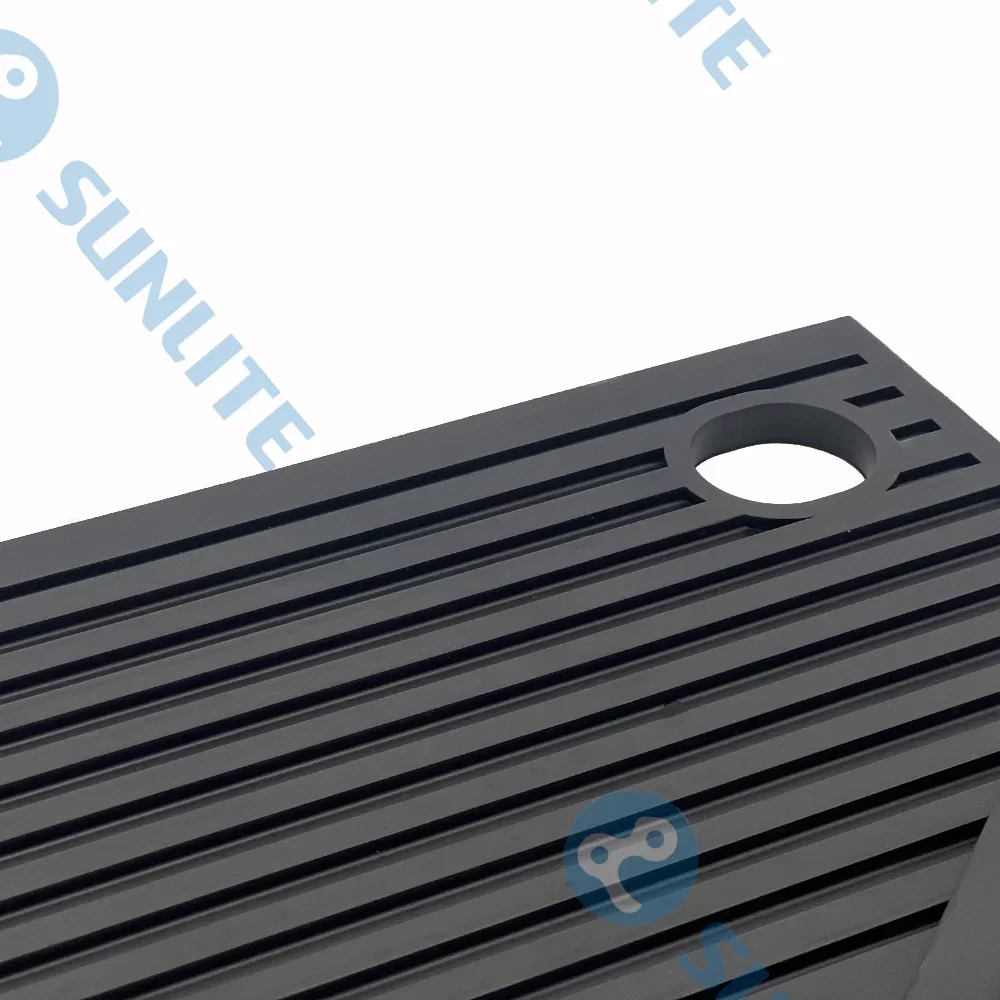
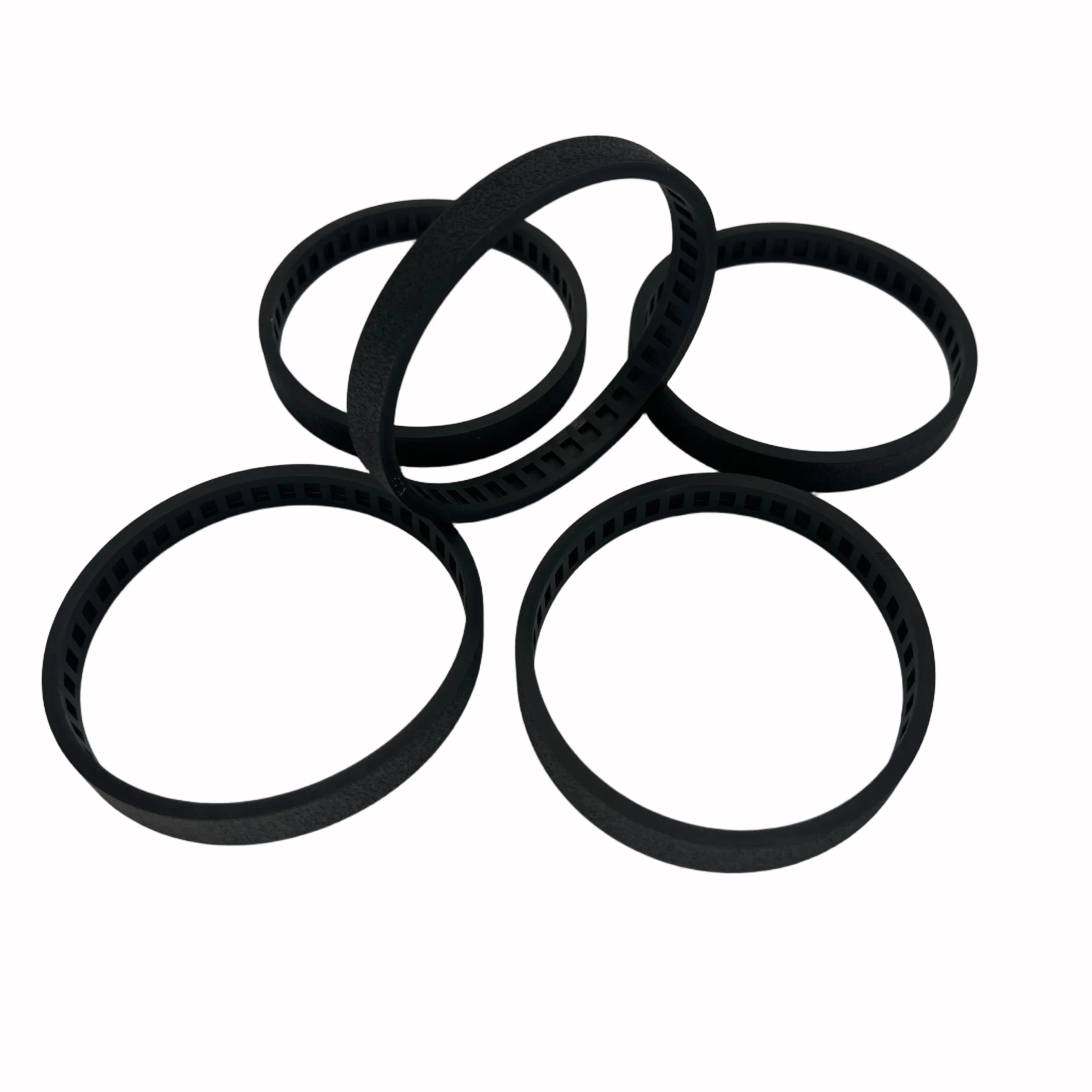
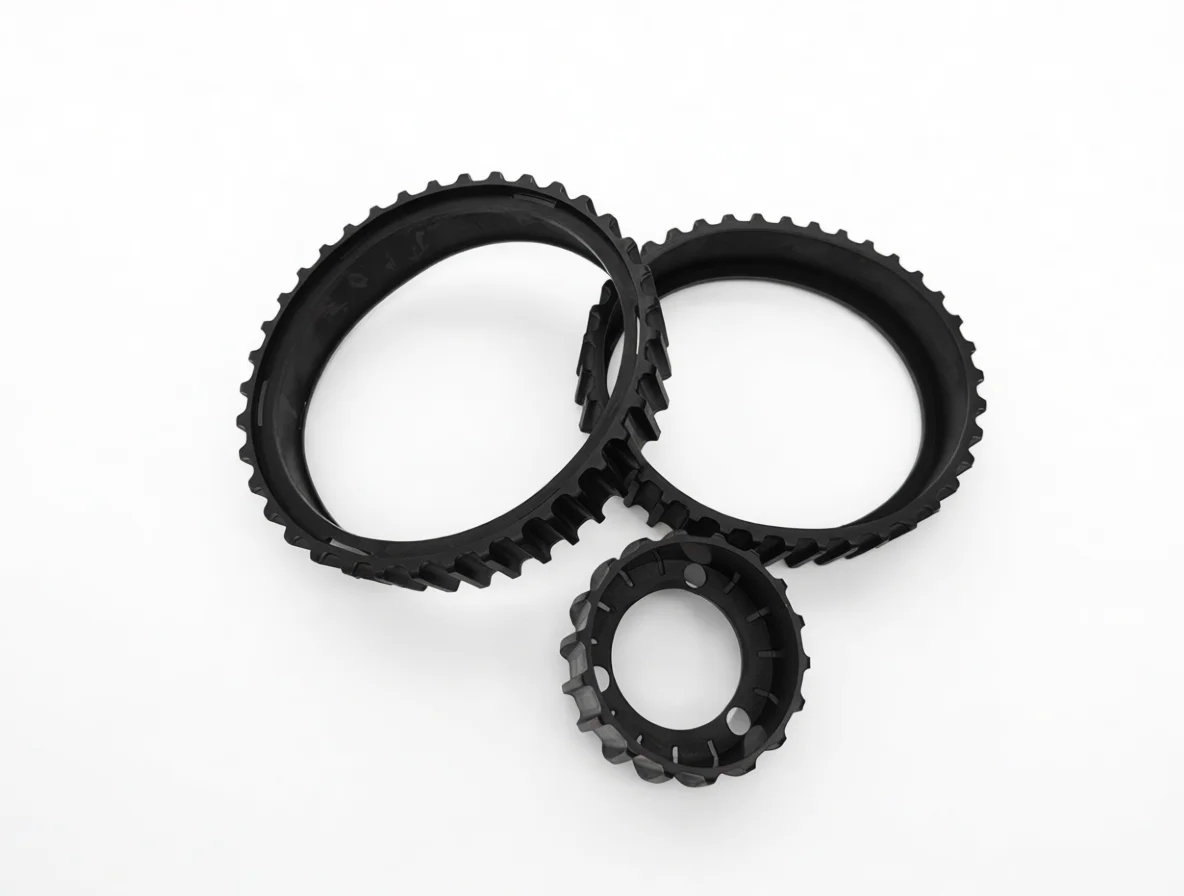
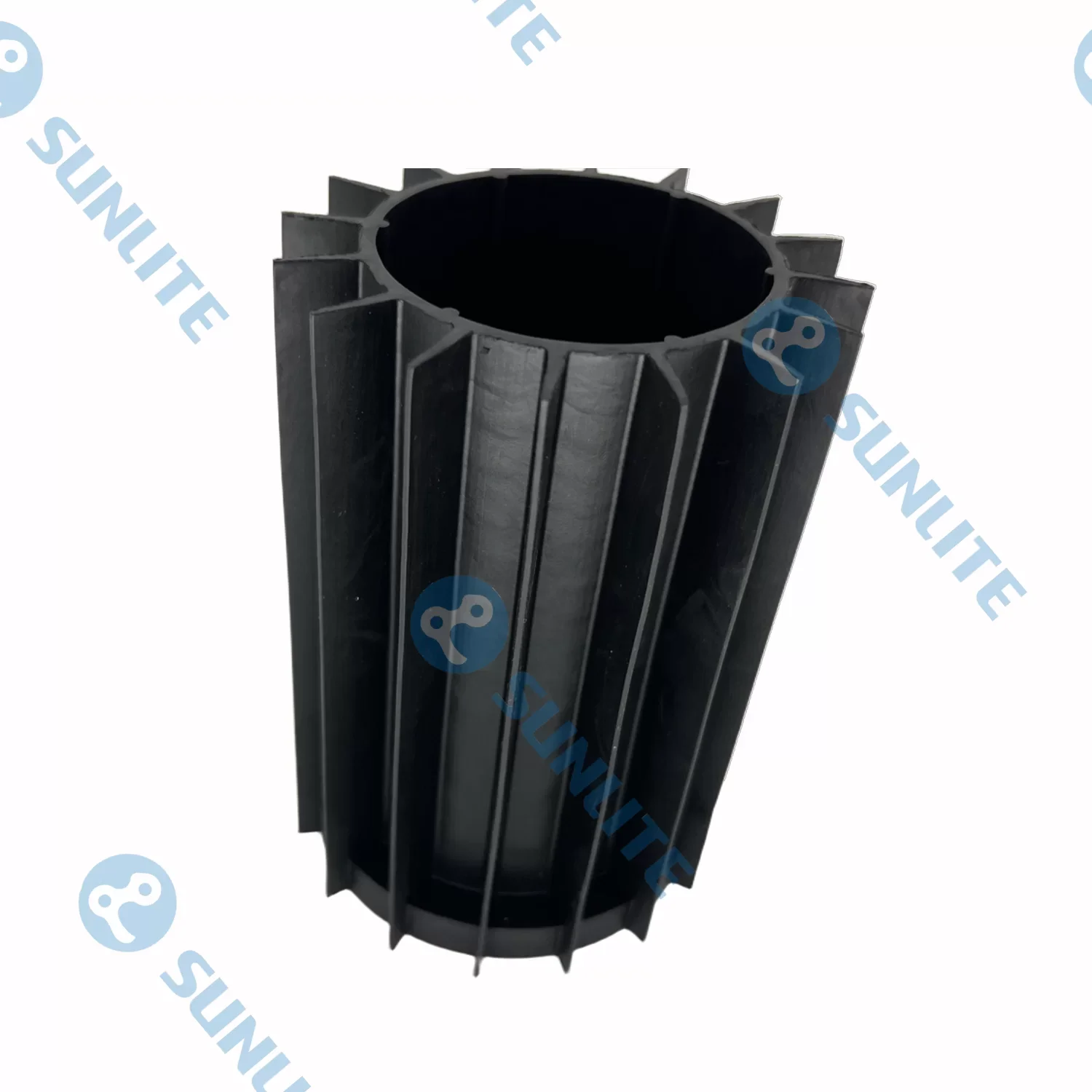
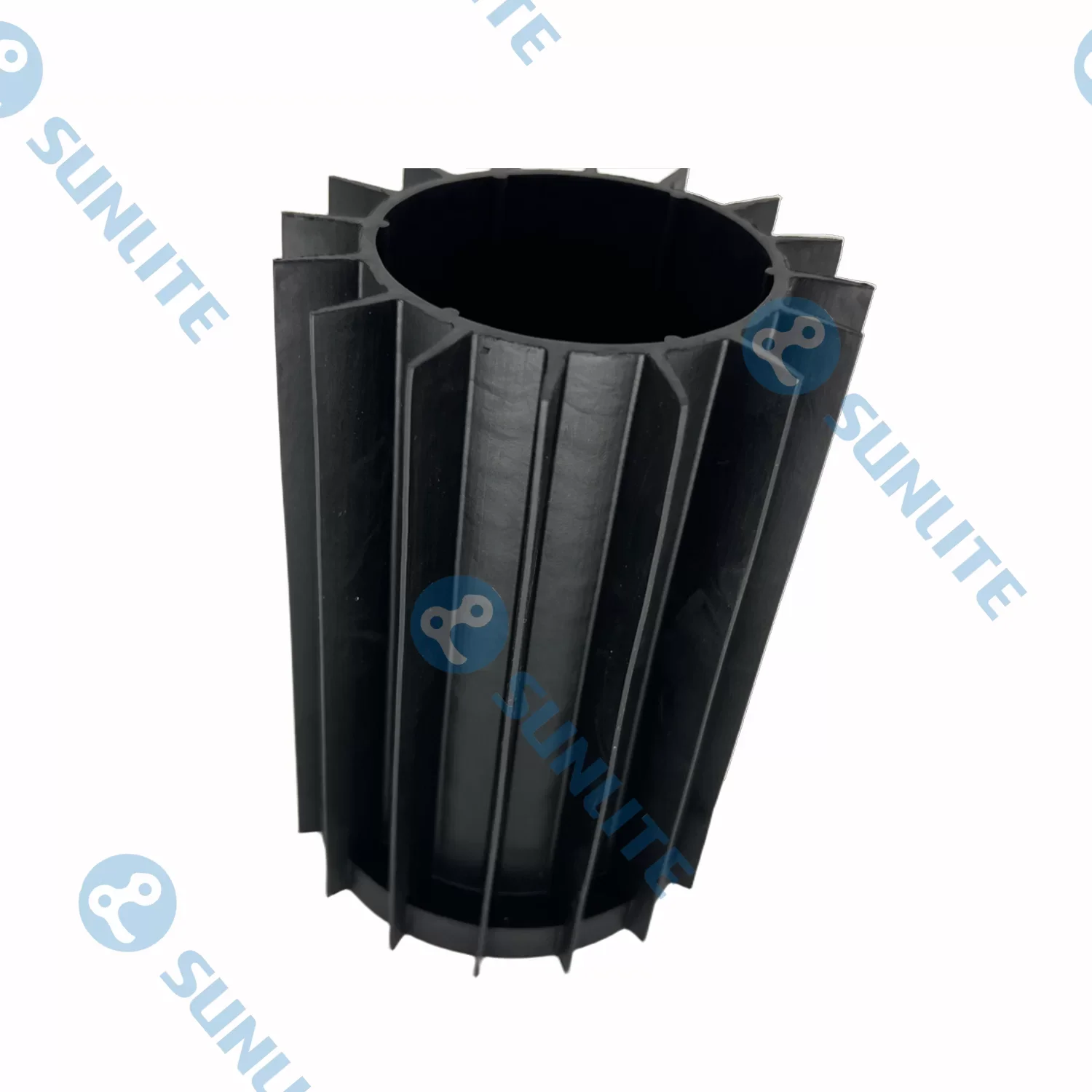
For heavy-duty scrubbing, especially when dealing with slippery algae or stubborn bio-coatings, the rubber roller brush robot configuration is unparalleled. Rubber, specifically formulated for underwater use, provides a "tacky" interface that bristles cannot match. A rubber roller brush robot uses flexible blades or "ribs" that deform slightly upon contact with the surface. This deformation increases the contact patch, allowing the roller to squeegee the surface. This action is particularly effective at removing the "biofilm"—the microscopic layer of bacteria and organic matter that makes underwater surfaces feel slimy.
The durability of the rubber roller brush robot is also a major advantage in commercial diving operations. In environments like water treatment facilities or industrial cooling towers, the brush may encounter abrasive sand or sharp mineral scales. A rubberized roller is less prone to "clogging" than a bristled brush, as the solid fins naturally shed debris during rotation. This self-cleaning property ensures that the robot can operate for extended periods without human intervention, which is a critical requirement for autonomous systems working in hazardous or hard-to-reach underwater locations.
Material Science And The Evolution Of The Pool Roller Brush
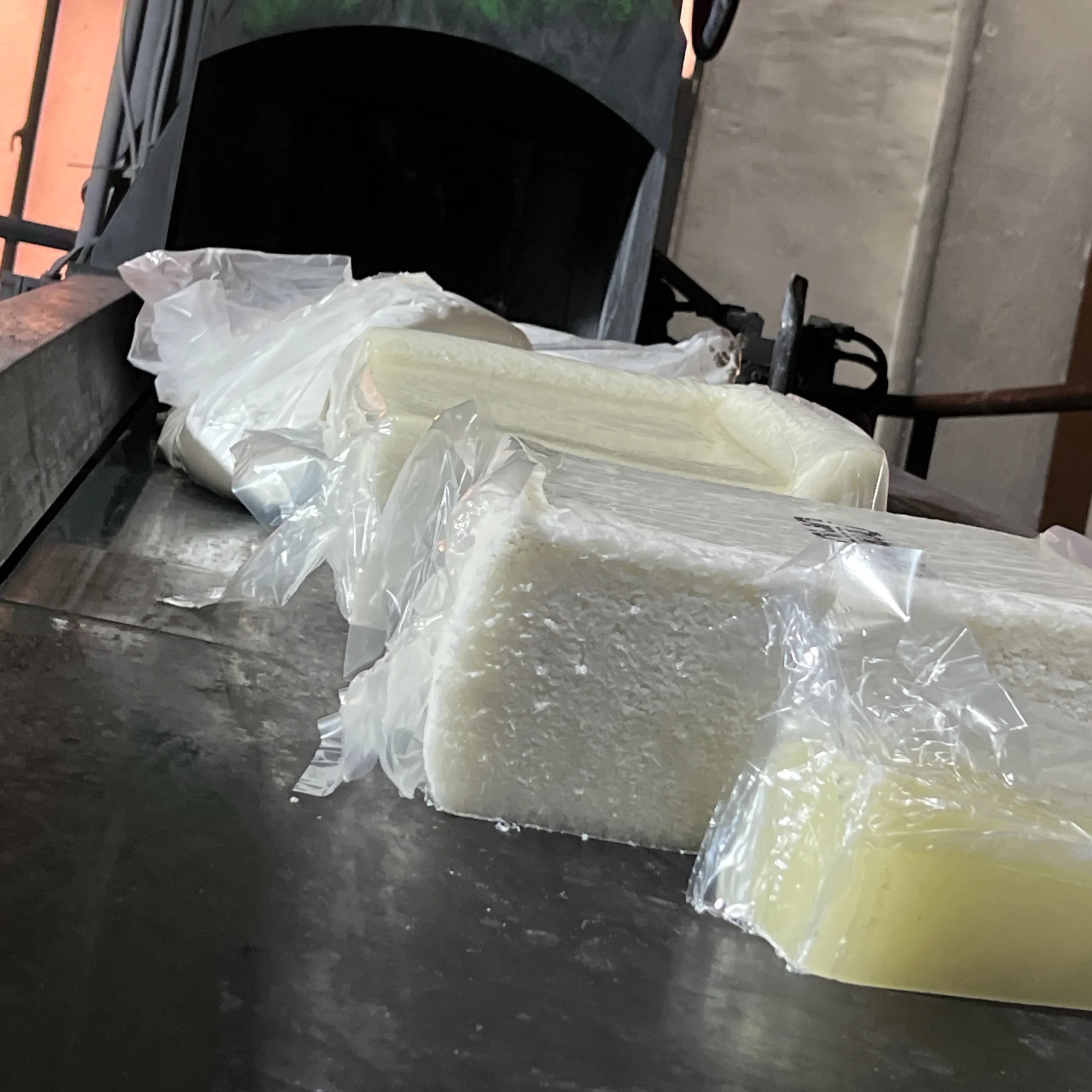
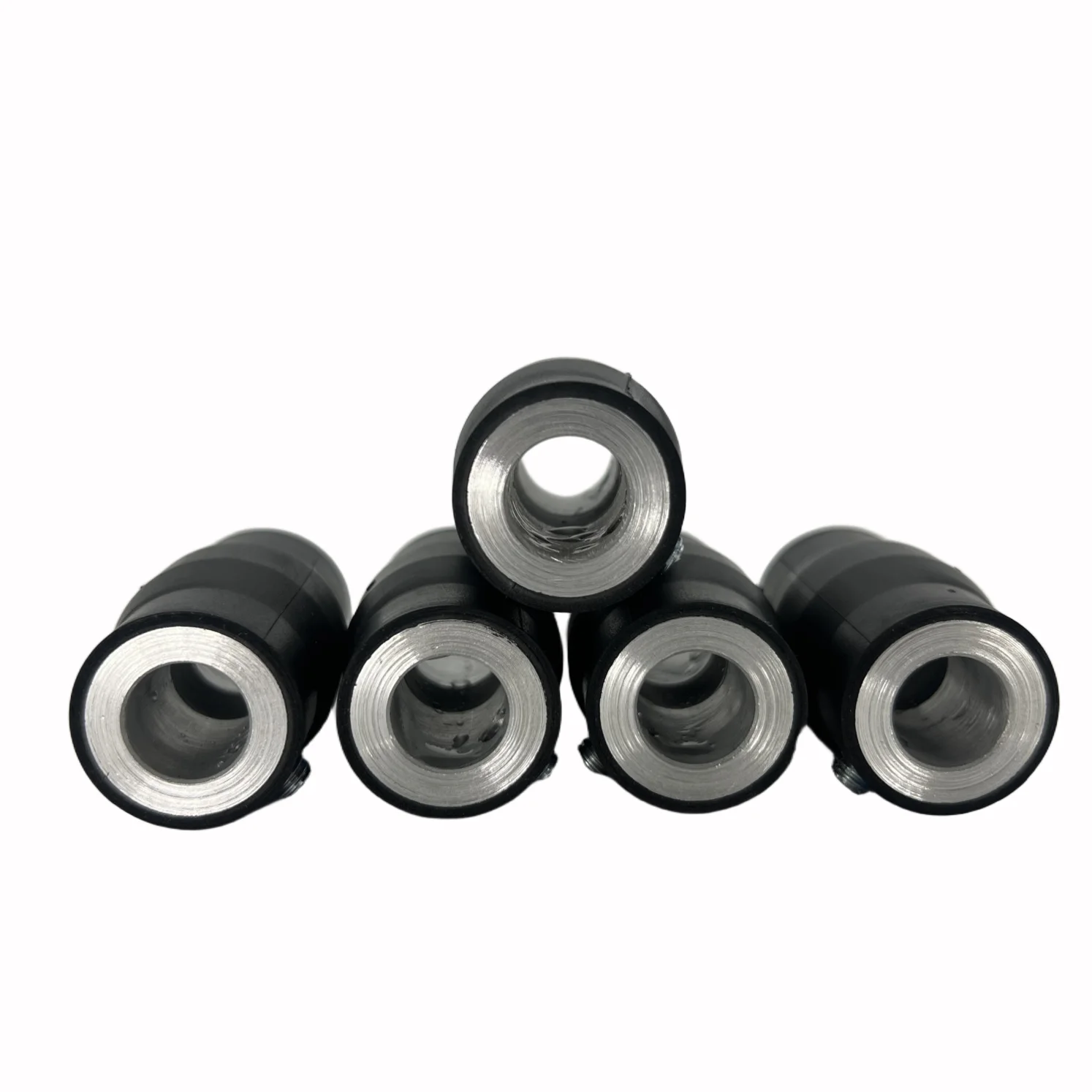
The humble pool roller brush has evolved from a simple bristled cylinder to a sophisticated multi-material tool. In the early days, these brushes were made of basic nylon, which would quickly become brittle and snap. Today, a high-quality pool roller brush often features a combination of PVA (Polyvinyl Alcohol) foam and reinforced rubber. PVA is a unique material that becomes incredibly soft and absorbent when wet, allowing it to conform to the grout lines of tiled pools and "grip" the surface with incredible strength. This "super-grip" technology is what allows modern pool robots to climb vertical walls and even scrub the waterline with precision.
Furthermore, the architecture of the pool roller brush has been optimized to handle larger debris. In outdoor pools, leaves, twigs, and even small stones can find their way to the bottom. A well-designed pool roller brush features a "stepped" profile or variable-height fins that can trap and lift these larger items into the vacuum's intake without getting jammed. This mechanical reliability is what separates professional-grade equipment from entry-level gadgets. By focusing on the interplay between material flexibility and mechanical geometry, the industry has created a generation of pool rollers that are virtually maintenance-free.
The exploration and maintenance of underwater environments have undergone a radical transformation with the advent of specialized robotics.